There are outdoor upgrades that shout, “We hired a contractor,” and then there are outdoor upgrades that whisper, “Come sit down, breathe, and maybe ignore your inbox for a heroic 12 minutes.” Swings from the French House belong firmly in the second category. Simple, nostalgic, and almost suspiciously charming, these old-fashioned garden swings have the kind of low-tech magic that makes a yard feel less like square footage and more like summer.
The original Remodelista feature on Outdoors: Swings from the French House spotlighted three cheerfully priced outdoor play pieces: a classic Garden Swing, Metal Ring Swing, and Trapeze Swing from The French House. The appeal was not complicated: wood, rope, fresh air, and the universal human desire to swing gently while pretending one has no responsibilities. That, frankly, is timeless design.
Today, the same idea fits beautifully into American outdoor living: small backyard, farmhouse porch, urban patio, cottage garden, or the kind of suburban lawn where the grill has its own emotional support cover. Whether you are shopping for a nostalgic children’s garden swing, a porch swing for slow mornings, or a French country outdoor accent that looks collected instead of over-decorated, this guide breaks down the style, safety, installation, maintenance, and real-life experience of bringing a swing into your outdoor space.
Why a Simple Outdoor Swing Still Works
A swing is one of the rare outdoor accessories that does not need a design manifesto. It moves. You smile. The end. But beneath that simplicity is a surprisingly strong design argument. Outdoor swings create movement in a garden, soften hard landscaping, and give people a natural reason to linger outside. A bench says, “Sit.” A swing says, “Stay awhile.” That tiny difference matters.
The French House aesthetic leans into the old-fashioned European garden mood: unfussy, practical, slightly romantic, and never too polished. Think weathered wood, rope, climbing roses, gravel paths, linen cushions, enamel pitchers, and a child yelling, “Watch me!” for the 47th time. A garden swing fits right into this world because it feels useful and decorative at once.
The French House Swing Style: Charming, Not Showy
The original French House selection included a traditional garden swing, a companion set of rings, and a trapeze swing. These pieces were presented as affordable summer-yard finds rather than luxury patio furniture. That distinction is important. This is not the oversized resort cabana swing with 19 pillows and a complicated relationship with mildew. This is a modest, classic outdoor swing concept: easy to understand, easy to love, and easy to imagine under a sturdy tree branch or on a simple frame.
1. The Garden Swing
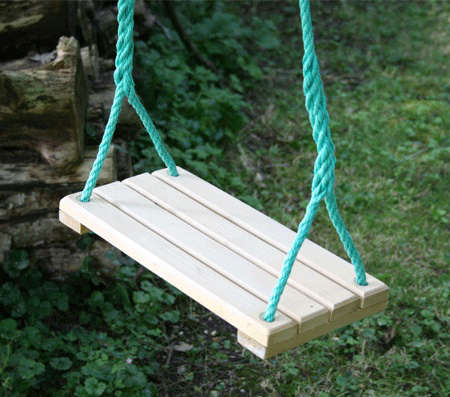
The classic garden swing is the star for anyone who wants instant nostalgia. Usually made with a wooden seat and rope suspension, this type of swing works well in a backyard, under a mature tree, or attached to a properly built swing frame. It is especially appealing in cottage gardens, French country outdoor spaces, and relaxed family yards where plastic play equipment might feel too loud visually.
2. The Metal Ring Swing
Rings add a more active, playful element. They are less about sitting dreamily with lemonade and more about children testing their grip strength while adults say things like, “Careful,” in increasingly dramatic tones. Ring swings can encourage coordination and movement, but they require thoughtful placement, soft surfacing, and supervision.
3. The Trapeze Swing
A trapeze swing brings a little backyard circus energy, minus the sequins and liability waiver. It is ideal for kids who like climbing, hanging, spinning, and discovering new ways to alarm their grandparents. Like rings, a trapeze should be treated as active play equipment rather than decorative furniture.
How to Choose the Right Outdoor Swing
Before choosing an outdoor swing, start with the boring questions. Boring questions save money, arguments, and emergency trips to the hardware store. Ask: Who will use it? Where will it hang? Is the support structure strong enough? How much weather will it face? Do you want a decorative garden moment, a children’s play feature, or a porch swing for adults?
For children, a lightweight swing seat is generally preferable because it reduces the force of impact if someone gets bumped. For adults, comfort and support become more important. A porch swing needs enough depth to sit comfortably, a seat height that lets feet touch the floor, and hardware rated for the combined load of the swing and its users.
Best Places to Hang a French-Inspired Garden Swing
Under a Mature Tree
A tree swing is the dream version: dappled shade, birdsong, and the vague feeling that your yard has become the setting of a children’s book. The tree must be healthy, mature, and strong, with a branch large enough to support the swing safely. Avoid dead limbs, cracked branches, or anything that looks like it has made peace with gravity.
On a Porch
A porch swing is perfect for American homes with covered entries, wraparound porches, or screened rooms. It adds curb appeal, creates an inviting seating area, and makes the front of a house feel lived-in rather than merely looked-at. The key is structural support. Decorative ceiling panels are not support. Hope is not support. Actual joists are support.
On a Freestanding Frame
A freestanding frame is useful when trees are too young, porches are unavailable, or you prefer flexibility. It also lets you position the swing where the view is best: toward a garden bed, a fire pit, a pool, or away from the neighbor’s trash bins. Choose a frame designed for outdoor use and rated for the swing type.
Safety First, Because Gravity Is Not Romantic
The dream is charming. The installation must be serious. Outdoor swings need proper spacing, secure hardware, and safe ground cover. For children’s swings and active play equipment, the U.S. Consumer Product Safety Commission recommends locating play equipment at least six feet from obstacles and allowing even more space in front of and behind swings. For swings, protective surfacing should extend forward and backward a distance equal to twice the height of the top bar or suspension point.
For home play areas, shock-absorbing surfacing is important. Wood mulch, engineered wood fiber, shredded rubber mulch, sand, pea gravel, or tested rubber mats are commonly used depending on equipment height and application. Grass may look soft, but it is not considered adequate protective surfacing because wear and weather reduce its ability to absorb impact. Translation: your lawn is pretty, but it is not a helmet.
Hardware deserves special attention. Use corrosion-resistant fasteners, close S-hooks properly, tighten bolts, and inspect ropes, chains, cables, and seats regularly. For children’s play swings, monthly checks are a smart habit; for frequently used swings, inspect even more often during peak outdoor season.
Porch Swing Installation Tips
If you are installing a porch swing, leave enough room for movement. A common rule is to allow about three to four feet of swinging clearance in front and behind the swing, plus side clearance so the swing does not bump walls, railings, planters, or unsuspecting guests holding iced tea.
Structural support is non-negotiable. Many porch swing guides recommend securing hardware into substantial ceiling joists, often 2×6 or preferably 2×8 joists, rather than thin ceiling materials. The swing should hang from hardware designed for the load, and pilot holes should be drilled into the center of the joists. The seat height is often most comfortable around 17 to 19 inches from the porch floor, though taller users may prefer slightly higher.
Materials: Wood, Rope, Metal, and Modern Alternatives
The French House look is naturally associated with wood and rope, but outdoor swings now come in many materials. Wood remains the emotional favorite because it looks warm, ages beautifully, and suits gardens. Cedar and teak are popular because they resist rot better than many other woods. Pine can be budget-friendly and paintable, but it needs more protection from moisture.
Metal swings can be durable and elegant, especially wrought iron or powder-coated steel designs. However, metal may heat up in direct sun and can rust if coatings fail. Synthetic materials such as HDPE lumber are popular for low-maintenance porch swings because they resist moisture, fading, and insects. They may not have the same old-world charm as a wooden French garden swing, but they are excellent for homeowners who prefer relaxing over refinishing.
How to Style Swings from the French House
Go Cottage, Not Cluttered
A French-inspired outdoor swing looks best when the surrounding space feels collected, not crowded. Add a gravel path, terracotta pots, lavender, rosemary, climbing vines, or a simple bistro table nearby. Resist the urge to add too many accessories. The swing is already doing the charming thing. Let it breathe.
Use Natural Colors
Warm wood, cream rope, soft green, faded blue, black metal, and weathered gray all work beautifully. If you want cushions, choose outdoor fabric in stripes, ticking, linen-look neutrals, or muted florals. Neon tropical prints can be fun, but they tend to shout over the quiet French garden mood.
Add Lighting
String lights, lanterns, or low garden lights can make a swing feel magical in the evening. Just keep cords away from moving parts and avoid dangling anything near children’s play equipment. The goal is ambiance, not a backyard obstacle course designed by an electrician with a grudge.
Maintenance: Keep the Romance, Lose the Rot
Outdoor swings live outdoors, which means they meet rain, pollen, UV rays, bird activity, humidity, and the mysterious grime that appears on everything between April and October. Clean wooden swings with mild soap and water or a wood-safe cleaner. Let them dry fully. Depending on the wood and finish, apply oil, stain, sealant, or paint as needed.
Rope should be checked for fraying, weakening, mildew, or stiffness. Replace questionable rope immediately. Metal hardware should be inspected for rust, bending, open hooks, or loosened connections. If cushions are used, choose outdoor-rated fabric and store cushions during heavy rain or off-season months.
A good seasonal rhythm is simple: inspect in spring, clean through summer, tighten hardware as needed, and protect or store vulnerable parts before winter. This is not glamorous work, but neither is sitting on a swing that makes a noise like a haunted ship.
Why Outdoor Swings Improve a Home’s Feel
Outdoor swings are not just furniture. They are behavior design. Put a swing in a yard and people use the yard differently. Children play longer. Adults pause more often. Guests drift outside after dinner. A front porch becomes a conversation zone. A quiet corner becomes a reading nook. Even a modest garden feels more intentional.
Real estate and staging experts often recommend making porches and outdoor areas feel usable, not empty. Seating, planters, lighting, and a swing can help buyers imagine morning coffee, slow evenings, and weekend relaxation. Even if you are not selling your home, that same principle applies: a swing makes outdoor space emotionally legible. It says, “This is where life happens.”
Experience Notes: Living With an Outdoor Swing
Here is the honest truth about outdoor swings: the fantasy is accurate, but incomplete. Yes, a swing can make a garden feel like a postcard. It can also reveal exactly how much pollen your trees produce and whether your family understands the phrase “one person at a time.” Still, the daily experience is worth it.
The first thing you notice is how quickly a swing becomes the favorite seat. Not the expensive patio chair. Not the dining bench with the designer cushion. The swing. People naturally walk toward motion, shade, and novelty. Children claim it immediately. Adults pretend they are just testing it, then remain there for 25 minutes with the expression of someone rediscovering vacation.
A French-style garden swing works especially well because it does not dominate the space. Large outdoor furniture can make a small yard feel crowded, but a simple wooden swing keeps things light. It adds a vertical element without building a structure. It feels playful without turning the yard into a playground showroom. In a small garden, that balance matters.
Morning is the best time to use it. Coffee tastes better outdoors, and coffee on a swing tastes like you have made excellent life choices, even if your inbox suggests otherwise. A few minutes of gentle movement can change the mood of the day. The swing becomes a place to plan, read, talk, or sit quietly while pretending to supervise the plants.
Evening use is different. With warm lighting nearby, a swing becomes a wind-down spot. It is excellent for conversations because people relax when they are not sitting stiffly face-to-face. The movement removes awkward pauses. If the conversation stalls, you can always comment on the breeze. The breeze is the small talk hero of outdoor living.
For families, the swing becomes a memory machine. Kids invent games. Adults set rules. Kids modify the rules. Adults repeat the rules louder. Somehow, everyone still loves the swing. The important part is setting expectations early: no standing on seats, no twisting ropes beyond their limit, no launching experiments, and no “watch this” unless an adult has already said yes.
Weather teaches you humility. A wooden garden swing needs care. After rain, wipe it down or let it dry thoroughly. After windy days, check the ropes and hardware. During pollen season, expect a yellow-green dusting that makes everything look lightly seasoned. A quick wipe keeps the swing inviting. Neglect turns charm into splinters, and splinters are the least French thing imaginable.
Placement also changes the experience. A swing facing a garden bed feels peaceful. A swing facing the street feels social. A swing tucked under a tree feels private and nostalgic. A swing too close to a fence feels like poor planning with a soundtrack. Before installing, sit in the intended spot on a temporary chair and study the view, sun, shade, wind, and traffic patterns.
The best compliment a swing can receive is regular use. If people sit there without being asked, it is working. If guests say, “This is nice,” and then quietly stop helping with dishes, it is really working. A swing from the French House tradition is not about showing off. It is about turning outdoor space into a place people want to return to.
Conclusion
Outdoors: Swings from the French House is more than a product idea; it is a reminder that outdoor design does not always need to be bigger, louder, or more expensive. Sometimes the best garden upgrade is a simple swing: a wooden seat, strong rope, safe installation, and enough shade to make doing nothing feel like an achievement.
Whether you choose a classic garden swing, metal rings, a trapeze swing, or a larger porch swing inspired by the same old-fashioned charm, focus on three things: safety, setting, and simplicity. Install it properly, maintain it seasonally, and style it with restraint. The result is an outdoor feature that feels nostalgic, useful, and quietly irresistible.
Note: This article synthesizes current and historical information from reputable home, garden, safety, and real estate sources, including Remodelista, The French House product listings as archived by Remodelista, the U.S. Consumer Product Safety Commission, This Old House, Southern Living, Better Homes & Gardens, POLYWOOD, and the National Association of REALTORS.