Cataracts are one of the most common eye conditions in the United States, and thankfully, they are also one of the most treatable. Still, the word can sound intimidating. It has that medical-drama energy, like someone is about to turn down the lights and point dramatically at an eye chart. In real life, a cataract simply means the eye’s natural lens has become cloudy, making vision look blurry, dim, yellowed, or foggy.
The tricky part is that cataracts often develop slowly. They do not usually burst onto the scene like a superhero villain. Instead, they sneak in quietly. You may notice that night driving feels harder, lamps look too bright, colors seem dull, or your glasses prescription keeps changing like it has commitment issues. Over time, everyday tasks such as reading, cooking, watching TV, using a phone, or recognizing faces may become more difficult.
The good news: cataract surgery is a common outpatient procedure that removes the cloudy lens and replaces it with a clear artificial lens. For many people, it restores sharper, brighter vision and improves quality of life. This guide explains cataract symptoms, causes, risk factors, diagnosis, surgery, recovery, prevention tips, and real-life experiences in plain Englishbecause your eyes already do enough focusing.
What Are Cataracts?
A cataract is a cloudy area in the lens of the eye. The lens sits behind the iris, the colored part of the eye, and helps focus light onto the retina. When the lens is clear, light passes through easily. When cataracts form, proteins and fibers in the lens break down and clump together, scattering light and making vision less sharp.
Think of it like looking through a clean window versus a window that has been lightly steamed up. At first, you may still see well enough to get by. But as the cloudiness grows, details become softer, colors lose their sparkle, and glare becomes more annoying. The world does not disappear overnight; it just starts looking as if someone lowered the resolution setting.
Cataracts can affect one eye or both eyes, but they may not develop at the same pace. One eye may seem much worse than the other. Cataracts are usually painless, and the outside of the eye often looks normal. That is one reason regular eye exams matter: your eye doctor can see what you cannot.
Common Symptoms of Cataracts
Cataract symptoms vary depending on the type, size, and location of the cataract. Early cataracts may cause little or no noticeable vision change. As they progress, symptoms become more obvious.
Cloudy, Blurry, or Foggy Vision
The classic cataract symptom is blurred or cloudy vision. People often describe it as looking through fog, wax paper, a dirty windshield, or a camera lens that needs cleaning. Fine details may become harder to see, especially when reading small print, threading a needle, shaving, applying makeup, or checking ingredients on a food label.
Glare and Light Sensitivity
Cataracts can make bright light feel harsh. Sunlight, lamps, computer screens, and oncoming headlights may create glare. Night driving can become especially uncomfortable because headlights may seem larger, brighter, or surrounded by halos. If you suddenly feel like every approaching car has upgraded to stadium lighting, cataracts may be part of the problem.
Poor Night Vision
Many people first notice cataracts while driving after dark. Street signs may be harder to read. Shadows may hide curbs or steps. Dim restaurants may feel less romantic and more like a vision test. Trouble seeing in low light is a common sign that cataracts are interfering with everyday life.
Faded or Yellowed Colors
Cataracts can make colors look dull, faded, or yellowish. White may look beige. Blue may look gray. A bright garden may seem less vibrant than it used to. Some people do not realize how much color they have lost until after cataract surgery, when the world suddenly looks like someone washed the windows and turned the saturation back on.
Frequent Prescription Changes
If your glasses or contact lens prescription keeps changing, cataracts may be involved. Some people experience a temporary improvement in near vision, sometimes called “second sight,” especially with nuclear cataracts. It can feel like a magical bonus, but unfortunately, it usually does not last.
Double Vision in One Eye
Cataracts may cause double vision or ghost images in one eye. This symptom can have other causes too, so it should always be checked by an eye care professional.
What Causes Cataracts?
The most common cause of cataracts is aging. Over time, the proteins in the lens naturally change, break down, and collect in cloudy patches. This process often begins after age 40, though noticeable symptoms may not appear until years later.
Age-related cataracts are normal, but “normal” does not mean you should ignore them. It simply means cataracts are extremely common and not a personal failure. Your eyes have been working since birth, focusing on everything from school chalkboards to smartphones to suspicious leftovers in the fridge. Eventually, the lens can show wear and tear.
Major Risk Factors
Several factors can increase the risk of developing cataracts earlier or more severely:
- Older age: The biggest risk factor for most cataracts.
- Diabetes: High blood sugar can affect the lens and increase cataract risk.
- Smoking: Smoking contributes to oxidative stress, which can damage eye tissues.
- Excess ultraviolet light exposure: Long-term UV exposure may contribute to lens changes.
- Eye injury: Trauma can cause cataracts, sometimes years after the injury.
- Long-term steroid use: Steroid medications can raise cataract risk in some people.
- Previous eye surgery or eye inflammation: Other eye conditions may contribute to cataract formation.
- Family history: Genetics can influence when cataracts develop.
- Radiation exposure: Certain types of radiation can damage the lens.
Some babies are born with cataracts, known as congenital cataracts. These may be related to genetics, infections during pregnancy, metabolic conditions, or other developmental factors. Childhood cataracts require specialized evaluation because early vision development is important.
Types of Cataracts
Not all cataracts form in the same part of the lens. The type can influence symptoms and how quickly vision changes.
Nuclear Cataracts
Nuclear cataracts form in the center of the lens. They are commonly associated with aging and often cause distance vision to worsen. The lens may gradually become yellow or brown, making colors harder to distinguish.
Cortical Cataracts
Cortical cataracts develop in the outer layer of the lens, called the cortex. They may appear like white streaks or spokes moving inward from the edge of the lens. These cataracts often cause glare and trouble with contrast.
Posterior Subcapsular Cataracts
Posterior subcapsular cataracts form near the back of the lens. They may progress faster than other types and often cause glare, halos, reading difficulty, and poor vision in bright light. They are more common in people with diabetes or those who use steroid medications long term.
How Cataracts Are Diagnosed
Cataracts are diagnosed during a comprehensive eye exam. Your eye doctor may ask about symptoms, medical history, medications, driving difficulties, and how vision affects your daily activities.
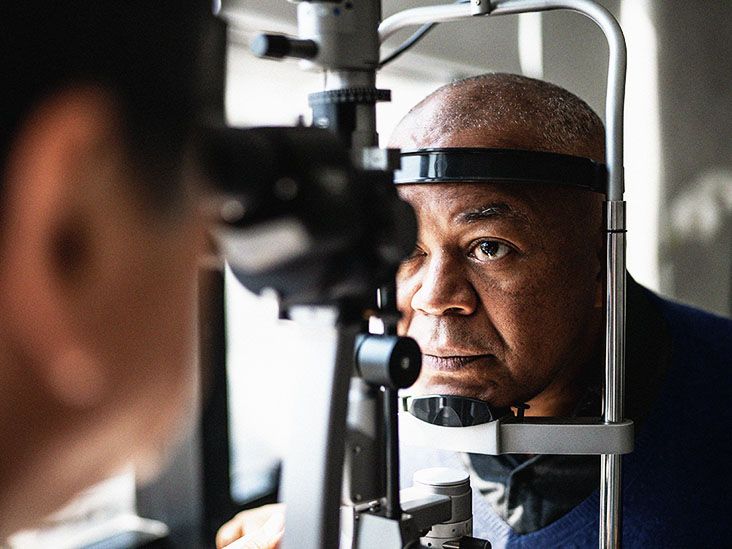
Common tests include a visual acuity test, where you read letters on an eye chart; a slit-lamp exam, where the doctor uses a microscope to examine the front structures of the eye; and a dilated eye exam, where drops widen the pupil so the lens and retina can be examined more thoroughly. Your doctor may also check eye pressure and evaluate other conditions, such as glaucoma, macular degeneration, dry eye, or diabetic retinopathy.
This matters because blurry vision is not always caused by cataracts. Treating the right problem starts with identifying the right problem. Your eyes deserve more than guesswork and internet panic scrolling.
When Do Cataracts Need Surgery?
Not every cataract needs surgery right away. In the early stages, symptoms may be managed with stronger glasses, brighter lighting, anti-glare sunglasses, magnifying lenses, or changes in daily habits. If your vision is still good enough for your normal activities, your doctor may recommend monitoring the cataract.
Surgery becomes a serious option when cataracts interfere with quality of life. That may mean trouble driving, reading, working, watching TV, cooking safely, using a computer, recognizing faces, or enjoying hobbies. Cataracts do not have to be “ripe” before removal. That old idea belongs in the same drawer as rotary phones and mystery casserole recipes.
The right time for cataract surgery is personal. A retired person who rarely drives at night may tolerate cataracts longer than a delivery driver, surgeon, pilot, graphic designer, or teacher who depends on crisp vision every day. The question is not simply, “How cloudy is the lens?” It is, “How much is this affecting your life?”
What Happens During Cataract Surgery?
Cataract surgery removes the cloudy natural lens and replaces it with an artificial intraocular lens, often called an IOL. The procedure is usually done by an ophthalmologist in an outpatient setting, which means most patients go home the same day.
Before surgery, measurements are taken to choose the right lens power. Your surgeon will review your eye health, lifestyle, and vision goals. You may discuss whether you want clearer distance vision, reduced dependence on reading glasses, astigmatism correction, or a premium lens option.
During surgery, the eye is numbed with drops or local anesthesia. Many patients also receive medicine to help them relax. The surgeon makes a tiny incision, breaks up the cloudy lens using ultrasound or laser-assisted technology, removes the lens pieces, and places the new IOL inside the eye. The incision is often so small that stitches may not be needed.
The procedure itself is usually brief, but the full appointment takes longer because of preparation and recovery time. Patients generally need someone to drive them home. Even if you feel alert, your newly operated eye has already had a big day and deserves chauffeur service.
Types of Intraocular Lenses
The artificial lens placed during cataract surgery is permanent and does not develop cataracts. Several lens options are available, and the best choice depends on your eye health, budget, daily activities, and expectations.
Monofocal Lenses
Monofocal IOLs focus at one distance, usually far away. Many people still need reading glasses after surgery. These lenses are widely used and commonly covered by insurance when cataract surgery is medically necessary.
Toric Lenses
Toric IOLs help correct astigmatism. They may reduce dependence on glasses for distance vision, especially for people with significant corneal astigmatism.
Multifocal and Extended Depth-of-Focus Lenses
Multifocal and extended depth-of-focus lenses are designed to improve vision at more than one distance. They may reduce the need for glasses, but they can also cause glare, halos, or reduced contrast in some people. They are not ideal for every eye or every lifestyle, so a detailed discussion with your surgeon is essential.
No lens is perfect for everyone. Choosing an IOL is less like ordering fast food and more like choosing shoes for a long trip: comfort, purpose, terrain, and expectations matter.
Recovery After Cataract Surgery
Many people notice improved vision within a few days, although healing continues for several weeks. Colors may look brighter, lights may look clearer, and the operated eye may feel slightly scratchy or watery at first. Mild discomfort is common, but severe pain is not normal and should be reported right away.
Your doctor will likely prescribe eye drops to reduce inflammation and prevent infection. You may be told to avoid rubbing the eye, swimming, heavy lifting, dusty environments, and strenuous activity for a short time. A protective shield may be used while sleeping during early recovery.
Follow-up visits are important. They allow your eye doctor to check healing, eye pressure, lens position, and vision. If both eyes need surgery, the second eye is usually scheduled separately after the first eye has begun healing.
Possible Risks and Side Effects
Cataract surgery is generally safe and effective, but like any surgery, it has risks. Possible complications include infection, bleeding, swelling, increased eye pressure, retinal detachment, lingering inflammation, drooping eyelid, glare, halos, or lens position problems. Serious complications are uncommon, but they require prompt medical attention.
Some people develop posterior capsular opacification after surgery. This is sometimes called a “secondary cataract,” although it is not a true cataract. It happens when the thin capsule behind the artificial lens becomes cloudy. The fix is usually a quick laser procedure called YAG capsulotomy, which opens the cloudy capsule and restores clearer vision.
Call your eye doctor right away if you experience sudden vision loss, severe eye pain, increasing redness, flashes of light, a curtain-like shadow, nausea with eye pain, or a large increase in floaters. Your eyes are not the place to “wait and see” when warning signs appear.
Can Cataracts Be Prevented?
You cannot completely prevent age-related cataracts, but you may reduce risk or slow progression with healthy habits. Wear sunglasses that block UV rays, use a brimmed hat in strong sun, avoid smoking, manage diabetes and blood pressure, eat a balanced diet rich in fruits and vegetables, limit heavy alcohol use, and get regular eye exams.
Eye protection also matters. Use safety glasses when working with tools, chemicals, sports equipment, or anything that could fly toward your face with the enthusiasm of a tiny missile. Preventing eye injury is much easier than repairing eye injury.
Living With Cataracts Before Surgery
If your cataracts are mild, practical changes can make daily life easier. Use brighter reading lights, increase font sizes on screens, reduce glare with anti-reflective lenses, keep windshields clean, avoid night driving if it feels unsafe, and place task lighting in kitchens, bathrooms, and work areas.
Do not keep struggling silently. If vision changes affect your independence, mood, work, or safety, tell your eye doctor. Cataracts are treatable, and waiting too long can make life unnecessarily frustrating. Nobody gives out medals for squinting heroically at restaurant menus.
Experiences Related to Cataracts: What Patients Often Notice
Many cataract experiences begin with small annoyances rather than dramatic vision loss. A person may first notice that reading feels tiring, even with glasses. Another may complain that headlights at night seem to explode into starbursts. Someone else may say the living room looks dim even after changing the bulbs. These little clues often arrive before the word “cataract” is ever mentioned.
One common experience is the slow loss of confidence while driving. A person who has driven comfortably for decades may start avoiding night trips. Rainy evenings become stressful. Lane markings blur. Oncoming headlights feel aggressive. The driver may blame the weather, the road, the car, or “those new headlights everyone seems to have,” and sometimes those things do contribute. But cataracts can make glare much worse, turning ordinary night driving into a tense event.
Another frequent experience is color surprise after surgery. People often do not realize how yellowed their vision had become until one eye is treated. Looking through the operated eye, whites may appear bright and clean. Looking through the untreated eye, the same wall may seem cream-colored or tea-stained. It can feel like comparing a fresh photo to an old one left in the sun. This difference can be amusing, emotional, and slightly shocking all at once.
Patients also often describe cataract surgery as less frightening than expected. The idea of eye surgery sounds intenseunderstandably so. Most people are not casually excited about anyone approaching their eye with medical equipment. But many are surprised by how quick and calm the procedure feels. The eye is numbed, the staff explains each step, and patients typically go home the same day. Anxiety before surgery is common; relief afterward is also common.
Recovery experiences vary. Some people notice sharper vision within a day or two. Others need more time as swelling settles and the eye adjusts. Mild scratchiness, watering, or brightness sensitivity may occur. Eye drops can feel like a new part-time job, but they are important. Following instructions, attending follow-up appointments, and resisting the urge to rub the eye help recovery stay on track.
There can also be an adjustment period between the first and second eye surgeries. If only one eye has been treated, the brain may compare two very different images. One eye may see bright whites and crisp edges, while the other still sees haze. Glasses may feel temporarily unbalanced. This is usually part of the process, but it can feel strange. Patients should tell their doctor about any concerns instead of assuming they must simply tolerate discomfort.
Family members often notice cataract changes before the patient does. They may see a loved one turning on extra lights, sitting closer to the television, avoiding night driving, or misreading labels. These observations can help start an important conversation. The key is kindness. “Have you had your eyes checked lately?” works better than “You are reading the soup can like it contains government secrets.”
The emotional side matters too. Vision affects independence. When cataracts interfere with hobbies, work, reading, cooking, or driving, people may feel frustrated or older than they are. Successful treatment can restore not only clearer sight but also confidence. Many patients describe returning to activities they had quietly stopped doing. That may mean sewing again, driving to dinner, reading comfortably, gardening safely, or simply enjoying a brighter morning view.
Conclusion
Cataracts are common, gradual, and highly treatable. They happen when the eye’s natural lens becomes cloudy, leading to symptoms such as blurry vision, glare, poor night vision, faded colors, halos, and frequent prescription changes. Aging is the main cause, but diabetes, smoking, UV exposure, steroid use, eye injury, family history, and other factors can increase risk.
Early cataracts may be managed with better lighting, updated glasses, and lifestyle adjustments. When cataracts interfere with daily life, cataract surgery can remove the cloudy lens and replace it with a clear artificial lens. The procedure is usually outpatient, recovery is typically manageable, and many people experience brighter, sharper vision afterward.
If you suspect cataracts, schedule a comprehensive eye exam. Clear vision is not just about seeing letters on a chart; it is about safety, independence, comfort, and enjoying the details of life. And frankly, life has enough blur already without your lenses joining the drama.
Note: This article is for educational purposes only and should not replace professional medical advice, diagnosis, or treatment. Anyone with vision changes, eye pain, sudden vision loss, or new visual symptoms should contact an eye care professional promptly.