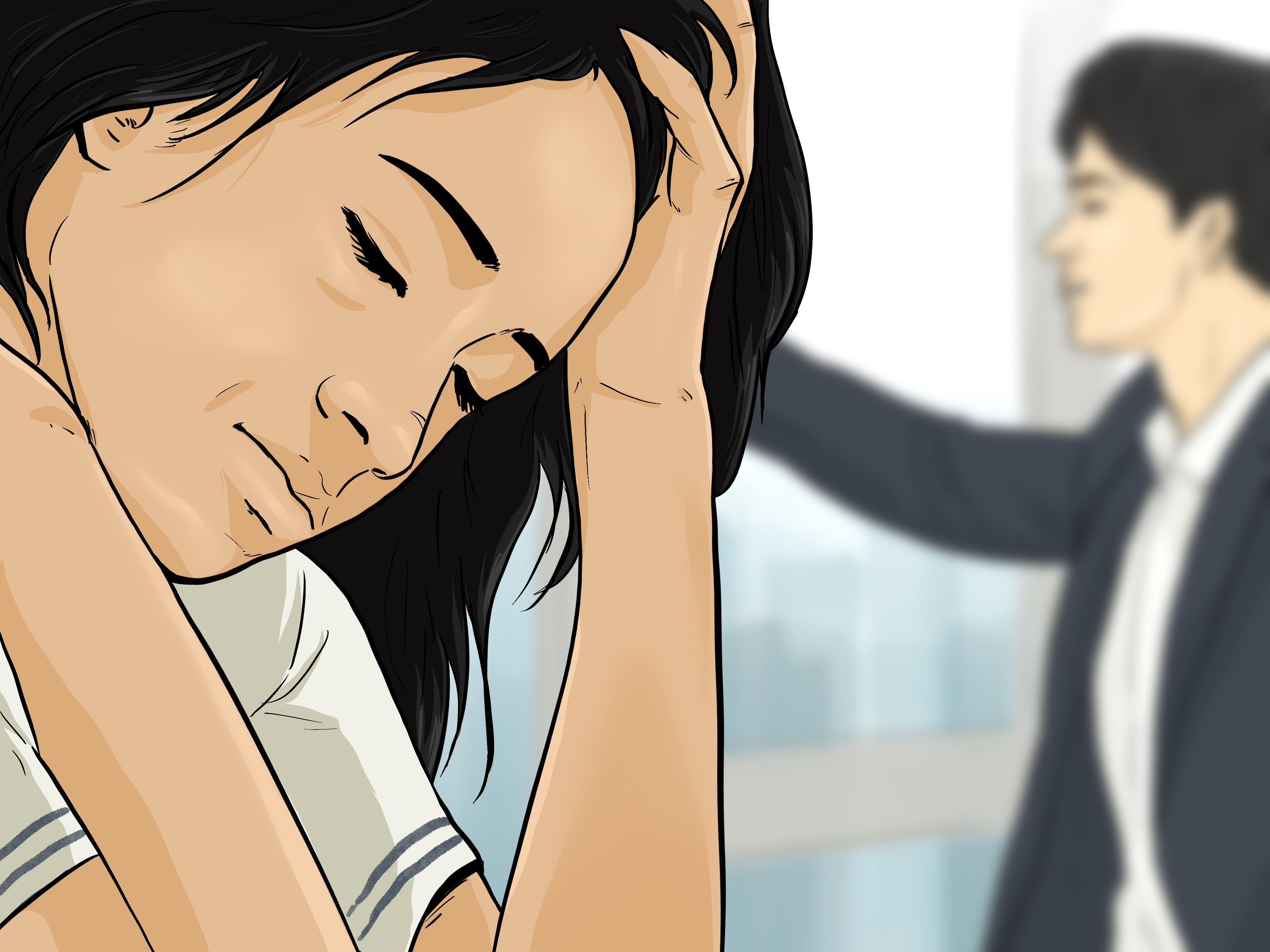
Meeting your best friend’s boyfriend can feel a little like being interviewed for a job you never applied for. You want him to know you are important to her, but you also do not want to come across as territorial, awkward, or strangely invested in his snack preferences.
The good news is that you do not need a grand strategy, a personality transplant, or a color-coded friendship presentation. The healthiest goal is not to make your best friend’s boyfriend adore you overnight. It is to build a respectful, comfortable relationship where everyone feels included, trusted, and free to be themselves.
When you approach the situation with kindness, clear boundaries, and a little emotional maturity, you make life easier for your friend, her boyfriend, and yourself. Here are 11 practical ways to get your best friend’s boyfriend to like you without turning the whole thing into a sitcom plot.
1. Start With the Right Goal: Respect Beats Instant Besties
Before you worry about whether your best friend’s boyfriend likes you, ask yourself what “like” actually means. Do you want him to be polite at group dinners? Comfortable around you? Happy that you are an important part of your friend’s life?
Great. Those are realistic goals.
You do not need to become his new gaming partner, his emergency contact, or the person he texts every time he sees a funny dog video. A solid relationship with your best friend’s boyfriend can be friendly, warm, and respectful without becoming overly close.
Think of it this way: you are not trying to win a popularity contest. You are trying to help create a healthy social dynamic around someone you love. If he sees that you respect his relationship with your friend, he is much more likely to relax around you.
2. Ask Your Best Friend for a Little Context
Your best friend knows him better than anyone in the room, so she can give you useful context before you meet or spend more time together. Ask casual questions such as what he enjoys, whether he is shy in new groups, what kind of humor he likes, or whether he has any strong opinions about pineapple on pizza.
You are not gathering intelligence for a spy operation. You are simply trying to avoid walking into a conversation blind.
For example, maybe he is quiet around new people but opens up when talking about music, hiking, sports, movies, cars, cooking, or travel. Knowing that can help you choose an easy topic instead of forcing small talk that feels like a customer-service survey.
At the same time, avoid asking your friend for deeply personal details about him. His private struggles, relationship conflicts, family problems, or past dating history are not conversation starters. Respecting privacy is one of the fastest ways to show that you are trustworthy.
3. Make the First Few Hangouts Low-Pressure
Do not treat the first hangout like a diplomatic summit where everyone must leave with a signed peace agreement. Keep things simple.
A casual group dinner, coffee stop, game night, birthday gathering, brunch, movie outing, or weekend activity can work better than an intense one-on-one conversation. Group settings take pressure off everyone and allow personalities to unfold naturally.
You do not need to impress him with a dramatic story, a brilliant debate, or your ability to order in flawless French at a burger place. Be pleasant, present, and easy to talk to. A smile, a genuine greeting, and a normal conversation go surprisingly far.
People often like those who make them feel comfortable. That means you do not need to perform. You just need to create space for a relaxed interaction.
4. Include Them as a Couple Instead of Competing With Him
One reason a best friend’s boyfriend may feel uneasy is that he worries he is competing with the friendship. Maybe he hears stories about late-night calls, inside jokes, old vacations, and the legendary time you both dyed your hair after a breakup. He may wonder where he fits.
You can reduce that tension by including him rather than treating him like an interruption in your friendship.
Invite both of them to group plans. Ask about shared interests. Say things like, “You two should come with us,” instead of only inviting your friend and acting surprised when he joins.
This does not mean you have to give up one-on-one time with your best friend. Healthy friendships can continue after someone starts dating. It simply means acknowledging that her boyfriend is part of her life and deserves basic respect.
Try not to make jokes that imply he “stole” her from you. Even when said playfully, comments such as “I knew her first” or “She used to spend all her time with me” can make him feel unwelcome. You may mean it as humor, but it can land like a tiny emotional banana peel.
5. Find One Genuine Common Interest
You do not need to have identical personalities to get along. You only need one or two topics that make conversation easier.
Maybe you both like the same TV show, enjoy trying new restaurants, follow a sports team, have pets, love horror movies, complain about the same video game, or believe that breakfast food should be available at all hours. Shared interests create natural openings.
Do not fake enthusiasm for something you hate just to impress him. Pretending to love heavy metal, fantasy football, or competitive fishing will eventually backfire when he asks a follow-up question and you suddenly forget what a guitar is.
Instead, be curious. You can say, “I have never gotten into that, but what do you like about it?” Genuine curiosity is more appealing than pretending to be an expert.
6. Ask Questions and Actually Listen to the Answers
One of the easiest ways to make someone feel respected is to listen without immediately steering the conversation back to yourself. Ask open-ended questions, then let him answer.
For example:
- “How did you get into that hobby?”
- “What has been your favorite trip so far?”
- “What kind of movies do you usually like?”
- “How did you and my friend first meet?”
- “What are you looking forward to this year?”
Listening does not mean interrogating him under a desk lamp. It means giving him room to speak, noticing what matters to him, and responding thoughtfully. If he mentions a job challenge, a new project, or a hobby, remember it later. A simple “How did that thing you were working on turn out?” can make a person feel seen.
Good conversation is less about having the perfect story and more about showing that you are paying attention.
7. Respect Their Relationship Boundaries
This is the big one. Your friendship with your best friend matters, but her romantic relationship also deserves respect.
Do not flirt with her boyfriend, even as a joke. Do not send overly personal messages late at night. Do not use him as your emotional sounding board for problems you would not discuss in front of your friend. And definitely do not create a secret friendship dynamic that would make your friend uncomfortable if she saw it.
A useful question is: “Would I feel perfectly comfortable if my best friend saw this conversation or heard this joke?” If the answer is no, change direction.
Clear boundaries protect everyone. They prevent jealousy, confusion, and the kind of drama that starts with “It was harmless” and ends with someone crying in a restaurant bathroom.
Respect also means not demanding constant access to your friend. She can love you deeply and still want time alone with her boyfriend. A healthy relationship has room for friendship, romance, family, work, hobbies, and quiet time.
8. Let Him See That You Are Good to Your Best Friend
A caring boyfriend usually wants to know that the people around his partner treat her well. One of the best ways to earn his respect is to be a supportive, reliable friend.
Celebrate her achievements. Show up when you say you will. Avoid embarrassing her for entertainment. Keep her private information private. Encourage her goals instead of pulling her toward chaos every time she tries to make progress.
For example, if your friend is excited about a new job, do not turn the moment into a joke about how she will probably quit in three weeks. Be the person who says, “You worked hard for this. I’m proud of you.”
Her boyfriend may not say it directly, but he will notice whether you are a source of support or a source of stress. Being a healthy friend does more for your reputation than any perfectly timed compliment ever could.
9. Avoid Making Him the Villain in Every Story
It is tempting to become overly protective when your best friend starts dating someone. You may worry that he will hurt her, take up too much of her time, or fail to appreciate her brilliance. Protective instincts are normal. Turning every small mistake into a courtroom case is not.
If he forgets a group plan, arrives late once, or does not laugh at your favorite joke, resist the urge to build a 47-slide presentation titled “Why He Is Wrong for Her.”
Pay attention to real patterns of disrespect, dishonesty, isolation, controlling behavior, or cruelty. Those concerns matter. But do not treat ordinary human imperfections as proof that he is secretly a villain with a hidden lair.
Giving him a fair chance makes you seem mature and helps your friend feel that you respect her judgment.
10. Handle Disagreements Like an Adult, Not a Reality-TV Reunion
You and your best friend’s boyfriend may not agree on everything. Maybe he has different political views, hates the restaurant you love, thinks your favorite band is terrible, or believes the correct thermostat setting is an icy 64 degrees.
Disagreement is not automatically a relationship problem. The important question is whether both people can stay respectful.
When a conversation gets tense, avoid sarcasm, insults, mockery, and bringing up unrelated complaints. You can say, “I see it differently,” or “I get why you feel that way, but I have another perspective.”
You do not have to shrink yourself or agree with everything he says. You simply need to communicate without turning every difference into a personal battle.
A person is more likely to like you when they know they can disagree with you without being humiliated.
11. Give the Relationship Time to Grow
Not every connection starts with instant chemistry. Some people need time before they become comfortable, especially if they are introverted, cautious, or nervous about entering an established friendship circle.
Do not panic if he seems reserved at first. Do not chase approval by texting too much, overexplaining yourself, buying gifts, or trying to be funny every 12 seconds. People can sense when someone is working too hard, and it can feel uncomfortable.
Instead, be consistently kind. Be respectful in group settings. Follow through on plans. Keep your boundaries clear. Let him see the real version of you over time.
Sometimes the best outcome is not becoming close friends. Sometimes it is simply becoming people who enjoy each other’s company, respect each other’s place in your best friend’s life, and can survive a holiday dinner without anyone fake-checking their phone every three minutes.
What Not to Do When You Want Your Best Friend’s Boyfriend to Like You
There are a few habits that can make the situation harder, even when your intentions are good.
- Do not compete for your friend’s attention.
- Do not make sexual, flirty, or overly suggestive jokes.
- Do not criticize him behind his back over minor issues.
- Do not pressure your friend to choose between you and her boyfriend.
- Do not overshare private stories about your friend without permission.
- Do not assume he dislikes you simply because he is quiet or different from you.
- Do not force closeness when polite friendliness is enough.
Keep your focus on respect, honesty, and emotional balance. Those qualities tend to work better than any clever tactic.
When It Is Okay If He Never Becomes Your Favorite Person
Here is a freeing truth: your best friend’s boyfriend does not have to become your best friend, too.
You can care about your friend, support her relationship, and still have limited chemistry with her partner. As long as everyone is respectful and there is no harmful behavior, a cordial relationship is completely acceptable.
The goal is not to force a bond that does not exist. The goal is to create enough trust and goodwill that your best friend does not feel caught in the middle.
If he treats you badly, tries to isolate your friend from people who care about her, mocks you, or behaves in controlling ways, do not make “getting him to like you” the priority. Focus instead on staying connected to your friend, listening without judgment, and encouraging her to seek trusted support if she feels unsafe or pressured.
Experiences: What This Looks Like in Real Life
In real life, getting along with your best friend’s boyfriend is usually less about one magical conversation and more about a series of small choices. Consider a composite example: Maya had been best friends with Olivia since college. They had inside jokes, a standing brunch tradition, and enough old photos to embarrass each other for the next century. When Olivia began dating Ethan, Maya worried that he thought she was too involved in Olivia’s life.
At first, Maya made things worse without realizing it. She teased Ethan for being “the new guy,” interrupted when he and Olivia talked about their weekend plans, and joked that Olivia was “abandoning the group.” Nobody exploded, but Ethan became quieter around her. Olivia started looking stressed whenever they were all together.
Maya eventually noticed the pattern. Instead of making a dramatic apology speech over appetizers, she changed her behavior. She invited both Olivia and Ethan to a game night. She asked Ethan about his photography hobby. She stopped making jokes that positioned him as an outsider. Most importantly, she continued making plans with Olivia without acting offended when Olivia occasionally chose a date night instead.
Over time, Ethan relaxed. He did not become Maya’s best friend, but he began sending her restaurant recommendations and asking whether she wanted to join group outings. The relationship improved because Maya stopped treating it like a competition.
Another common experience involves the friend who worries that her best friend’s boyfriend “does not like her” because he seems distant. Sometimes the explanation is much simpler: he may be introverted, socially anxious, tired after work, or still figuring out the group dynamic. Not every quiet person is plotting against your friendship from a shadowy corner.
For example, Jasmine assumed her best friend’s boyfriend, Noah, disliked her because he barely talked at parties. Instead of deciding he was rude, she gave him an easy opening. She mentioned a documentary she had watched about national parks, and Noah suddenly spent twenty minutes talking about a hiking trip he hoped to take. He had not disliked her. He simply did not enjoy loud group conversations where everyone talked at once.
Then there are situations where boundaries make all the difference. One woman realized that she had started texting her best friend’s boyfriend too frequently because they shared a similar sense of humor. The messages were not romantic, but they were becoming personal and private. She asked herself whether she would be comfortable showing the message thread to her friend. The answer was not always yes.
So she changed the habit. She moved most conversations into group chats, kept messages practical, and made sure her friend was never excluded. The adjustment protected the friendship and prevented a harmless connection from becoming something confusing.
The strongest real-life lesson is simple: kindness works best when it is paired with boundaries. Be welcoming without becoming intrusive. Be curious without prying. Be protective of your friend without treating her boyfriend as an enemy. And remember that the healthiest version of this relationship is one where your best friend feels supported by both of you, not pressured to keep the peace between you.
Final Thoughts
Getting your best friend’s boyfriend to like you is not about charm, manipulation, or pretending to be someone you are not. It is about showing him that you respect his relationship with your friend, value healthy boundaries, and are capable of being warm without being competitive.
Be kind. Include him. Listen well. Avoid drama. Give the connection time. And remember: a respectful, low-drama relationship is often far more valuable than instant friendship.
Note: The goal is a comfortable and respectful dynamic, not winning his approval or creating emotional competition. If your best friend’s boyfriend is controlling, cruel, isolating, or makes her feel unsafe, focus on supporting your friend rather than trying to make him like you.
Editorial research basis: healthy relationship guidance emphasizes communication, trust, respect, boundaries, active listening, and protecting supportive friendships.