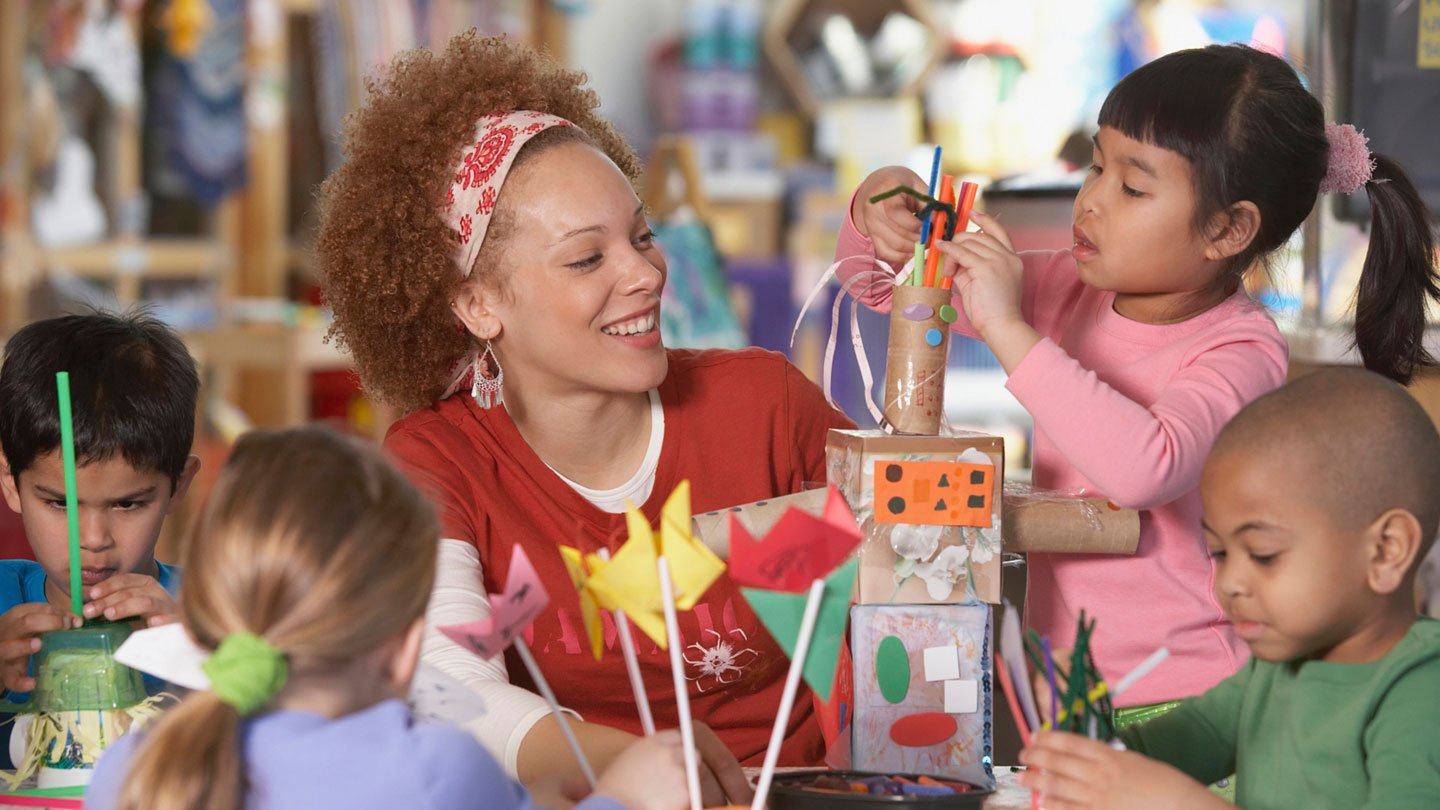
A radically compassionate classroom is not a soft classroom, a chaotic classroom, or a classroom where expectations melt into a sentimental puddle. It is a classroom where students are treated like human beings first and learners second, while somehow still being held accountable for both. In other words, it is the rare educational space where kindness is not decoration. It is infrastructure.
More educators are rethinking what classroom success should look like. Test scores still matter. Academic growth still matters. But teachers also know that students learn best when they feel safe, seen, and connected. A child who is bracing for embarrassment, conflict, exclusion, or constant correction is not exactly in prime condition to analyze a poem, solve a fraction problem, or write a persuasive essay that does not sound like it was produced during a fire drill.
That is why compassionate teaching has moved from “nice idea” to “serious professional practice.” The most useful resources today do not treat compassion as a vague personality trait. They frame it as a set of habits, systems, language choices, routines, and instructional decisions that build trust without lowering standards. They also recognize that compassion works best when it is culturally responsive, trauma-informed, relationship-centered, and realistic for busy teachers who already have 497 things on their plates before lunch.
This guide explores the most valuable resources for creating a radically compassionate classroom, how to use them, and what compassionate practice actually looks like in daily school life. The goal is not to create a Pinterest-perfect room with scripted positivity floating through the air like lavender mist. The goal is to build a classroom where students can belong, repair mistakes, regulate emotions, and do meaningful learning in the presence of adults who lead with both heart and backbone.
What a Radically Compassionate Classroom Really Means
A radically compassionate classroom is built on a simple but powerful belief: behavior is communication, belonging is a need, and dignity is not earned only after students behave perfectly. Teachers in these classrooms ask better questions. Instead of immediately jumping to “What is wrong with this student?” they ask, “What might be happening here?” “What skill is missing?” “What support is needed?” and “How do I preserve this student’s dignity while still addressing the problem?”
That shift changes everything. It affects classroom management, lesson design, transitions, participation, grading conversations, parent communication, and the tone of correction. It also changes how students see school. When compassion is radical, it reaches the students who are easiest to admire and the students who have mastered the art of making an ordinary Tuesday feel like a reality show reunion episode.
Compassion is not the same as permissiveness. In fact, students usually feel safer when classrooms have predictable routines, calm boundaries, honest repair, and respectful follow-through. Compassion without structure can feel confusing. Structure without compassion can feel cold. The sweet spot is a classroom where expectations are clear, support is visible, and relationships are strong enough to carry both challenge and correction.
Why Compassion Matters for Learning
Students do better when they feel connected. That idea sounds obvious, but it is often treated as optional, as if belonging were a lovely extra instead of a condition for learning. In reality, classroom climate shapes attention, participation, risk-taking, and persistence. Students are more likely to ask questions, recover from mistakes, work with peers, and stay engaged when they trust that the classroom is emotionally safe.
Compassion also matters because many students carry stress into school. Some are dealing with grief, instability, trauma, anxiety, chronic conflict, hunger, identity-based stress, or the daily wear-and-tear of feeling misunderstood. Others may not have dramatic stories, but they still need environments where adults are steady, respectful, and emotionally intelligent. A compassionate classroom helps all students, not just those in visible crisis.
There is also an academic payoff. When teachers reduce shame, strengthen routines, teach emotional skills, and build connection, they create more time for instruction, not less. Fewer power struggles mean more learning minutes. More trust means better feedback conversations. More student voice means deeper engagement. Compassion is not a distraction from achievement. Done well, it is one of the engines of achievement.
The Most Useful Resources for Building a Compassionate Classroom
1. Trauma-Informed Teaching Resources
Some of the most practical guidance comes from trauma-informed teaching materials. These resources help educators understand how stress and adversity can affect focus, emotional regulation, memory, transitions, and relationships. They remind teachers that a student who appears defiant may actually be overwhelmed, dysregulated, embarrassed, or stuck in a survival response.
Strong trauma-informed resources usually offer concrete classroom tools: consistent routines, calm tone, predictable transitions, private correction, sensory breaks, co-regulation strategies, and repair-based responses after conflict. They also emphasize an important truth: students often need adult nervous systems before they can manage their own. If the room gets tense and the adult escalates too, the lesson is over. The volcano has won.
When choosing trauma-informed resources, look for materials that avoid stereotypes and focus on universal supports. The best ones do not turn teachers into amateur therapists. They help educators create safer learning conditions while recognizing when students need more specialized support.
2. Social and Emotional Learning Frameworks
Compassion becomes much more teachable when schools use strong social and emotional learning resources. SEL frameworks help educators move beyond vague advice like “build relationships” and instead teach concrete skills such as self-awareness, self-management, empathy, responsible decision-making, and healthy communication.
Good SEL resources also show teachers how to embed these skills into ordinary instruction. A compassionate classroom does not need a separate “kindness hour” with inspirational posters and one suspicious ukulele. It can weave reflection, collaboration norms, emotional vocabulary, goal-setting, peer listening, and problem-solving into academic work. A science discussion can teach turn-taking. A writing conference can model respectful feedback. A classroom meeting can teach perspective-taking.
Especially helpful are resources that recommend simple, repeatable routines: welcoming openings, engaging practices in the middle of lessons, and reflective closings. These routines are powerful because they create stability and voice. Students begin to recognize that their presence matters, their emotions can be named, and their ideas have a place in the room.
3. Belonging, Identity, and Inclusive Community Resources
Compassion without belonging is incomplete. Students need to feel cared for, but they also need to feel that they belong without hiding important parts of themselves. That is why resources on inclusive community-building, cultural responsiveness, identity affirmation, and equitable practice are essential.
These resources help teachers examine whose stories are represented, whose voices dominate discussion, whose behavior gets interpreted generously, and whose families feel welcomed. They also encourage practices like using students’ names correctly, incorporating community knowledge into lessons, diversifying examples and texts, and designing routines that honor different communication styles and backgrounds.
In a radically compassionate classroom, belonging is not measured by whether students are quiet and compliant. It is measured by whether they can participate fully and authentically. Students should not have to trade dignity for acceptance.
4. Restorative Practices and Community Circle Guides
Restorative practices are among the most practical resources for compassion in action. They help classrooms move from punishment-only systems to relationship-centered responses that ask what happened, who was affected, what needs to be repaired, and how the community can move forward.
Community circles are especially useful. They can be used proactively to build trust, not just reactively after conflict. A weekly circle can help students practice listening, reflection, empathy, and respectful disagreement. It can also give teachers insight into class dynamics before small issues grow into full-blown dramas with supporting cast members and dramatic exits.
Restorative resources are most effective when they are used consistently, not as a one-day rescue strategy. Students learn that conflict is taken seriously, but so is repair. Accountability becomes relational rather than purely punitive.
5. Family-School Partnership Resources
A compassionate classroom does not end at the door. Family engagement resources matter because care becomes more credible when communication with caregivers is respectful, accessible, and proactive. Families should not hear from school only when something has gone wrong, usually at the exact moment they were hoping for a peaceful evening.
Useful family partnership resources help teachers build two-way communication, reduce barriers, and invite collaboration without judgment. This includes translated communication tools, strengths-based messages, flexible meeting options, and outreach that values families as experts on their children. Compassion deepens when educators stop treating families as audience members and start treating them as partners.
6. Emotional Intelligence and Adult Self-Regulation Resources
One of the most overlooked categories is adult-focused support. Teachers cannot sustainably create regulated, compassionate classrooms while functioning as exhausted emergency responders every hour of the day. Resources that help adults identify emotions, respond intentionally, reflect on triggers, and prevent burnout are not luxuries. They are part of the classroom climate.
When teachers use emotional intelligence tools, they become better at pausing before reacting, naming what they feel, choosing productive language, and modeling calm under pressure. Students notice this. They learn from adults who can say, in effect, “This moment is hard, but I do not need to turn it into a power contest.” That is a master class in compassion.
How to Use These Resources in Real Classroom Practice
The biggest mistake schools make is collecting wonderful resources and then leaving them in a digital folder where they quietly age beside last year’s field trip forms. A radically compassionate classroom is built through practice. Start small, stay consistent, and choose routines that can survive a real school day.
Start with the first ten minutes
Compassionate classrooms often begin class with grounding. That could mean a greeting at the door, a visual agenda, a short check-in prompt, a breathing moment, a mood meter, or a partner question that invites connection. These routines reduce uncertainty and help students arrive mentally, not just physically.
Teach regulation the way you teach content
Do not assume students know how to calm themselves, navigate frustration, or recover from a rough interaction. Teach those skills directly. Model them. Practice them when the room is calm, not only when someone is already melting down. Offer sentence stems, reflection tools, movement breaks, and transition warnings. The goal is not to eliminate emotion. The goal is to help students move through emotion without the classroom turning into emotional bumper cars.
Replace public shame with private support
Many students can handle correction. Fewer can handle public humiliation. Compassionate teachers correct behavior in ways that preserve dignity whenever possible. A quiet redirect, a proximity cue, a short reset conversation, or a follow-up conference can be much more effective than a dramatic callout that entertains the class for twelve seconds and damages trust for twelve weeks.
Build routines for repair
Every classroom has hard moments. The compassionate difference is what happens after them. Make room for reflection, apology, restitution, and reentry. Students should learn that mistakes matter, but they do not have to become permanent identities. “You made a bad choice” is very different from “You are a bad kid.” One invites growth. The other just slams the door.
Common Mistakes to Avoid
One mistake is confusing compassion with lowered expectations. Students deserve empathy and challenge. Another mistake is relying only on posters and slogans. A wall that says “Be Kind” does very little if the classroom runs on sarcasm, inconsistency, and public embarrassment.
It is also a mistake to treat compassion as an individual teacher trait instead of a classroom system. The most effective compassionate classrooms use structures: circles, check-ins, reflection routines, inclusive texts, family communication plans, calm correction, and predictable responses to conflict. Finally, educators should avoid trying to solve every student need alone. Compassion includes knowing when to collaborate with counselors, administrators, specialists, and families.
What a Compassionate Classroom Looks Like Across Grade Levels
In an elementary classroom, radical compassion might look like visual schedules, emotional vocabulary charts, quiet regulation spaces, morning meetings, and teacher language that names feelings without judgment. A first grader who refuses to join the rug is not instantly labeled difficult. The teacher notices a pattern, offers choices, and helps the child reenter safely.
In middle school, it may look like advisory check-ins, restorative conversations after peer conflict, identity-affirming literature, and collaborative norm-setting that gives adolescents both voice and structure. Students this age often act like they are too cool for community-building right up until the moment they very obviously need it.
In high school, compassionate practice can include relationship-centered feedback, classroom discussion norms, more student agency, flexible paths to demonstrate learning, and respectful conversations about stress, belonging, and accountability. Teenagers may not always ask for compassion directly, but they recognize authenticity instantly. They know the difference between a teacher who cares about compliance and a teacher who cares about them.
Experience-Based Insights from Compassionate Classrooms
Across many classrooms, the shift toward compassion rarely begins with a grand initiative. It usually starts with one teacher noticing that constant correction is not producing growth, only resistance. A student who jokes through every lesson is not getting funnier; he is getting better at hiding. A student who never turns in work is not necessarily lazy; she may be overwhelmed, embarrassed, or convinced that failure is already guaranteed. In compassionate classrooms, teachers learn to read those patterns differently.
One common experience is that routines become more important, not less. Teachers who move toward compassion often discover that students relax when the day becomes predictable. A posted agenda, a familiar opening question, and a steady transition script can lower stress more than dramatic motivational speeches ever will. Students begin to trust the classroom because it feels organized, fair, and emotionally safer. This is especially noticeable among students who used to enter the room guarded, loud, withdrawn, or ready for conflict before the lesson even started.
Another repeated experience is that relationship repair matters more than perfect lesson delivery. Many educators can describe a turning point with a student after a small conversation in the hallway, a quiet apology from the teacher, or a private check-in after a rough class. These moments are not flashy. No music swells in the background. Nobody wins an award. But trust starts rebuilding. Students often respond powerfully when adults admit a mistake, listen without rushing, and try again the next day. Compassion becomes believable when it survives inconvenience.
Teachers also report that student voice changes the room. When students help create norms, reflect on how they want to feel in class, or share what helps them focus, the environment becomes more cooperative. Even resistant students often respond when adults ask real questions and use the answers. A teenager who will ignore three reminders to “participate” may suddenly engage when given a role, a choice, or a chance to contribute in a way that protects dignity.
Family partnership often grows in similar ways. Caregivers who are used to hearing only bad news may respond with surprise when a teacher reaches out with a strengths-based message first. Trust builds when communication is respectful, specific, and free of blame. Over time, those relationships can help teachers understand a child’s triggers, strengths, routines, and support needs much more clearly.
Perhaps the most honest experience teachers share is that compassionate classrooms do not feel magical every day. They still include interruptions, messy emotions, missing homework, side conversations, and at least one moment that makes everyone question the concept of indoor voices. But the difference is in the recovery. Students learn that hard moments do not automatically become humiliation. Teachers learn that calm consistency is stronger than control battles. And slowly, the room changes. Students participate more. They apologize more sincerely. They take academic risks more willingly. They begin to believe that school can be a place where they are challenged without being diminished. That is what makes compassion radical: it transforms the climate, not just the tone.
Conclusion
Creating a radically compassionate classroom does not require a perfect personality, a giant budget, or endless time. It requires intentional resources and the willingness to use them consistently. Trauma-informed guides help teachers understand student stress. SEL frameworks teach emotional and relational skills. Belonging-centered resources help build inclusive community. Restorative practices offer better responses to conflict. Family partnership tools extend care beyond the classroom. Emotional intelligence resources help adults stay steady enough to lead with compassion under pressure.
Put together, these resources create something powerful: a classroom where students feel safe enough to learn, known enough to participate, and respected enough to grow. That kind of environment is not a trend. It is the foundation of better teaching and better learning. And in a time when many students are carrying more than schools can easily see, a radically compassionate classroom is not extra. It is essential.