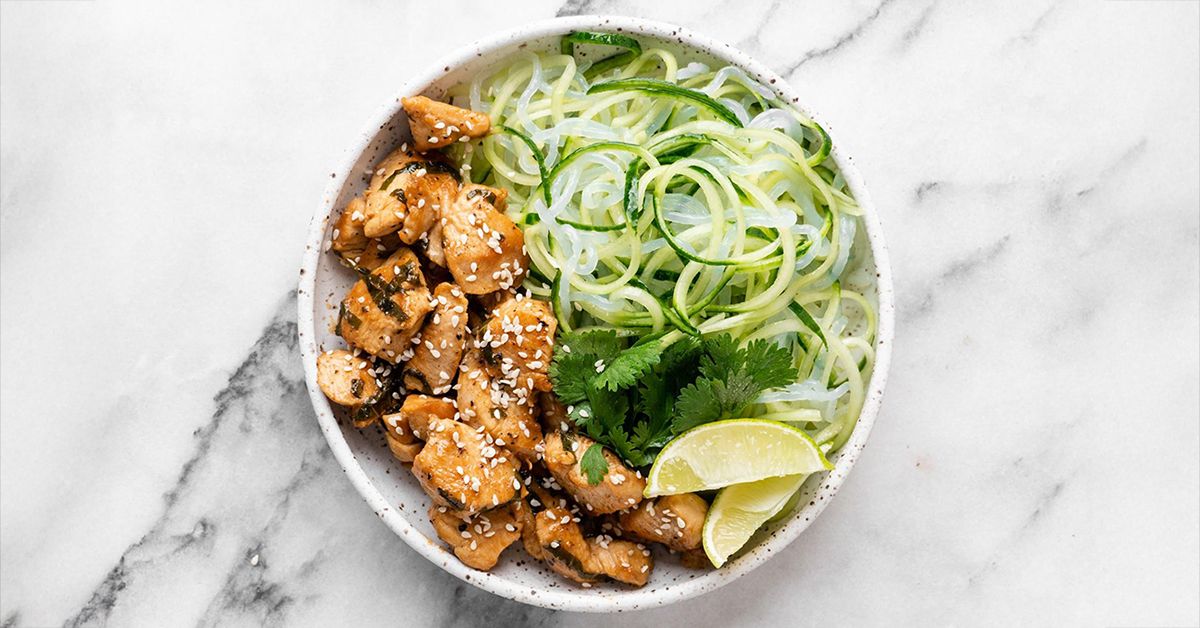
If dinner had a tropical vacation fund, the Coconut Basil Chicken Bowl would already be boarding the plane. It is creamy without feeling heavy, herby without tasting like you accidentally ate the garden, and cozy enough for a weeknight when your brain has logged off but your stomach is still very much online.
This bowl brings together tender chicken, silky coconut milk, fragrant basil, lime, garlic, ginger, and vegetables over rice or another grain of your choice. It borrows inspiration from Thai-style coconut curries, basil chicken stir-fries, rice bowls, and modern meal-prep cooking. The result is not a strict traditional dish, but a practical, flavor-packed dinner that feels restaurant-worthy while still being friendly to your grocery list.
In this guide, you will learn how to make a balanced coconut basil chicken bowl, how to build flavor in layers, which ingredients matter most, how to customize it, and how to store leftovers safely. Consider this your permission slip to make a bowl that tastes like sunshine, comfort, and “yes, I absolutely meant to make extra.”
What Is a Coconut Basil Chicken Bowl?
A Coconut Basil Chicken Bowl is a complete meal served in a bowl, usually built with a grain base, saucy coconut chicken, fresh basil, vegetables, and bright finishing ingredients like lime juice or chili. The main flavor profile is creamy, savory, lightly sweet, aromatic, and fresh.
The coconut milk gives the sauce body and richness. Basil adds a peppery, herbal lift. Garlic and ginger bring warmth. Lime cuts through the creaminess. Chicken provides protein and absorbs the sauce beautifully. Rice, quinoa, cauliflower rice, or noodles catch every drop, because letting coconut basil sauce go to waste should probably be illegal in at least three states.
Why This Bowl Works So Well
The magic of this dish is balance. Coconut milk can be rich, but basil, lime, ginger, and chili keep it lively. Chicken can be mild, but soy sauce, fish sauce, garlic, and aromatics turn it into the dependable main character. Vegetables add color, texture, and freshness. A bowl format keeps everything flexible, which is helpful if your refrigerator currently contains half a bell pepper, one heroic carrot, and a suspiciously confident bunch of basil.
Flavor Layer One: Aromatics
Garlic, ginger, onion, and optional chili create the first layer of flavor. Cooking them briefly in oil wakes up their aroma and helps them perfume the entire sauce. Do not rush this step. It only takes a minute or two, but it is the difference between “nice chicken” and “who made this and can they move in?”
Flavor Layer Two: Coconut Sauce
Coconut milk makes the sauce creamy and lightly sweet. Full-fat coconut milk gives the richest result, while light coconut milk works if you want a thinner, lighter sauce. A splash of chicken broth can loosen the sauce, while soy sauce or tamari adds salt and umami. Fish sauce is optional, but if you enjoy Southeast Asian-inspired flavors, it adds deep savory complexity.
Flavor Layer Three: Fresh Basil and Lime
Fresh basil should be added near the end so its flavor stays bright. Long cooking can dull its fragrance. Lime juice should also be added at the end because heat can flatten its fresh citrus kick. Together, basil and lime turn the sauce from creamy to craveable.
Best Ingredients for Coconut Basil Chicken Bowl
Chicken
Boneless, skinless chicken thighs are juicy and forgiving, making them ideal for this recipe. Chicken breast also works, especially if sliced thinly and cooked just until done. Ground chicken is another excellent option for a faster, stir-fry-style version.
For food safety, chicken should be cooked to an internal temperature of 165°F. A food thermometer is the easiest way to avoid guessing. The “cut it open and hope for the best” method has retired, and frankly, it was never great at its job.
Coconut Milk
Use unsweetened canned coconut milk, not coconut beverage from the refrigerated section. Canned coconut milk creates a smoother, more flavorful sauce. Shake the can before opening, or stir it well if the cream has separated.
Because coconut is naturally higher in saturated fat than many other plant foods, you can balance the meal with vegetables, lean protein, and moderate portions. If you want a lighter bowl, use light coconut milk or replace part of the coconut milk with low-sodium chicken broth.
Basil
Thai basil is fantastic if you can find it. It has a slightly spicy, anise-like flavor that stands up beautifully to coconut and chili. Sweet basil is easier to find and still delicious. Holy basil is traditional in some Thai stir-fries, but it is less common in U.S. supermarkets.
Fresh basil is best stored at room temperature with the stems in water, almost like a tiny leafy bouquet. Refrigeration can discolor basil leaves, which is rude behavior from an appliance we otherwise trust.
Vegetables
Bell peppers, snap peas, carrots, spinach, zucchini, broccoli, green beans, mushrooms, and baby bok choy all fit nicely. Choose vegetables that cook quickly and add color. A good bowl should look alive, not like it attended a beige conference.
Grain Base
Jasmine rice is a classic choice because it is fragrant and soft. Brown rice adds nuttiness and fiber. Quinoa gives a protein boost. Cauliflower rice keeps the bowl lower in carbs. Rice noodles make it extra comforting. The best base is the one you will actually enjoy eating.
Coconut Basil Chicken Bowl Recipe
Ingredients
- 1 1/2 pounds boneless, skinless chicken thighs or chicken breast, sliced into bite-size pieces
- 1 tablespoon neutral oil, such as avocado or canola oil
- 1 small yellow onion or 2 shallots, thinly sliced
- 3 cloves garlic, minced
- 1 tablespoon fresh ginger, grated
- 1 red bell pepper, thinly sliced
- 1 cup snap peas, green beans, or broccoli florets
- 1 can unsweetened coconut milk
- 2 tablespoons low-sodium soy sauce or tamari
- 1 tablespoon fish sauce, optional
- 1 teaspoon brown sugar, honey, or maple syrup
- 1 tablespoon lime juice, plus extra wedges for serving
- 1/2 teaspoon red pepper flakes or 1 sliced chili, optional
- 1 packed cup fresh basil leaves
- 3 cups cooked jasmine rice, brown rice, quinoa, or cauliflower rice
- Salt and black pepper, to taste
- Optional toppings: sliced cucumber, shredded carrots, chopped peanuts, scallions, cilantro, sesame seeds, or chili crisp
Instructions
- Prepare the base. Cook rice, quinoa, noodles, or cauliflower rice according to package directions. Keep warm.
- Season the chicken. Pat chicken dry and season lightly with salt and black pepper.
- Sear the chicken. Heat oil in a large skillet over medium-high heat. Add chicken in a single layer and cook until lightly browned, about 3 to 4 minutes per side. Remove chicken to a plate.
- Cook the aromatics. In the same skillet, add onion or shallots. Cook for 2 minutes, then add garlic, ginger, and chili. Stir for 30 to 60 seconds, just until fragrant.
- Add vegetables. Stir in bell pepper and snap peas or your chosen vegetables. Cook for 2 to 3 minutes so they soften slightly but still keep texture.
- Make the sauce. Pour in coconut milk, soy sauce, fish sauce if using, and brown sugar. Stir well, scraping up any browned bits from the skillet.
- Simmer. Return chicken to the skillet. Reduce heat to medium and simmer until the chicken reaches 165°F and the sauce thickens slightly, about 5 to 8 minutes.
- Finish fresh. Turn off the heat. Stir in lime juice and fresh basil leaves. Taste and adjust with more lime, soy sauce, or chili.
- Build the bowls. Spoon rice or grains into bowls. Top with coconut basil chicken, vegetables, extra sauce, and your favorite toppings.
How to Make the Sauce Taste Restaurant-Level
The sauce is the personality of the bowl, so give it a little attention. Start with unsweetened coconut milk, then season it with salty, sweet, sour, and spicy elements. Soy sauce or tamari brings salt. Fish sauce adds umami. Lime juice adds acidity. A tiny amount of sugar rounds out the edges. Chili brings heat if you want it.
If the sauce tastes flat, it probably needs acid or salt. Add lime juice first, then a splash more soy sauce. If it tastes too salty, add more coconut milk or a spoonful of broth. If it feels too rich, add more lime and herbs. If it tastes perfect, stand proudly over the skillet like a person who has made excellent life choices.
Healthy Swaps and Customizations
Make It Higher in Protein
Use extra chicken, add edamame, or top the bowl with a jammy egg. Greek yogurt does not belong in the hot coconut sauce, but it can be used as a cooling side if you are making a fusion-style bowl.
Make It Lower in Carbs
Serve the chicken over cauliflower rice, shredded cabbage, zucchini noodles, or a mix of greens and rice. This keeps the bowl filling while reducing the grain portion.
Make It Dairy-Free
This recipe is naturally dairy-free as long as your toppings are dairy-free. Coconut milk provides creaminess without cream, which is one reason this bowl is so useful for mixed-diet households.
Make It Gluten-Free
Use tamari instead of soy sauce and check labels on fish sauce, broth, chili crisp, and other condiments. Most of the core ingredients are naturally gluten-free, but sauces can be sneaky little label goblins.
Make It Vegetarian
Replace chicken with tofu, tempeh, chickpeas, or mushrooms. Press tofu before cooking so it browns better. Use soy sauce or tamari instead of fish sauce, or add a splash of coconut aminos for sweetness.
Best Toppings for Coconut Basil Chicken Bowl
Toppings are where the bowl becomes personal. For crunch, add chopped peanuts, cashews, crispy shallots, or sesame seeds. For freshness, add cucumber, cilantro, scallions, mint, or shredded carrots. For heat, add sliced jalapeño, Thai chili, sriracha, chili oil, or chili crisp. For brightness, never skip lime wedges.
A strong topping strategy makes each bite different. Creamy sauce, tender chicken, crisp vegetables, fresh herbs, and crunchy peanuts create contrast. That contrast is what keeps a bowl exciting from the first spoonful to the last heroic scrape.
Meal Prep and Storage Tips
The Coconut Basil Chicken Bowl is excellent for meal prep, but there is one key trick: store fresh toppings separately. Keep the chicken, sauce, and rice in airtight containers in the refrigerator. Store cucumbers, herbs, peanuts, and lime wedges in separate containers so they stay fresh.
Refrigerate leftovers within two hours of cooking. For best quality, eat refrigerated leftovers within 3 to 4 days. Reheat the chicken and rice until steaming hot, then add basil, lime, and crunchy toppings after reheating.
If the coconut sauce thickens in the fridge, add a splash of water, broth, or coconut milk when reheating. Stir gently so the sauce becomes silky again. Coconut sauce can be dramatic when cold, but it usually relaxes with a little heat and encouragement.
Common Mistakes to Avoid
Overcooking the Chicken
Chicken breast can become dry if cooked too long. Slice it evenly and remove it from heat once it reaches 165°F. Chicken thighs are more forgiving, which is why many home cooks prefer them for saucy bowls.
Boiling the Coconut Milk Too Hard
A gentle simmer is better than a rolling boil. High heat can make coconut milk separate or taste oily. Keep the sauce calm. We want dinner, not a coconut volcano.
Adding Basil Too Early
Basil tastes best when added at the end. If it cooks too long, it loses its fresh aroma and turns dark. Stir it in after turning off the heat for the brightest flavor.
Skipping Acid
Lime juice is not decoration. It balances the richness of coconut milk and makes the whole dish taste fresher. A bowl without lime is still edible, but a bowl with lime has a little sparkle in its shoes.
What to Serve With Coconut Basil Chicken Bowl
This bowl is filling on its own, but you can serve it with light sides if you are cooking for guests. Try a cucumber salad with rice vinegar, roasted broccoli, mango slaw, steamed edamame, or a simple lettuce salad with lime dressing. If you want a more indulgent meal, add crispy spring rolls or coconut shrimp.
For drinks, iced green tea, sparkling water with lime, ginger lemonade, or a lightly sweet Thai iced tea pair nicely. The goal is to complement the creamy, herbal, citrusy flavors without overwhelming them.
Nutrition Perspective: Balanced, Satisfying, and Flexible
A Coconut Basil Chicken Bowl can be part of a balanced eating pattern when built thoughtfully. Chicken contributes protein, vegetables add fiber and micronutrients, rice or grains provide energy, and coconut milk adds satisfying richness. The key is proportion. Fill part of the bowl with vegetables, include a moderate grain serving, and use enough sauce to coat rather than drown.
For a lighter version, choose chicken breast, light coconut milk, and cauliflower rice or brown rice. For a more filling version, use chicken thighs, jasmine rice, and peanuts. For a performance-style meal after exercise, increase the rice and protein. For a veggie-forward dinner, double the vegetables and keep the sauce punchy with lime and basil.
Real Kitchen Experience: What Making Coconut Basil Chicken Bowl Teaches You
The first time you make a Coconut Basil Chicken Bowl, you may be tempted to treat it like a regular chicken-and-rice dinner. Toss everything in a pan, hope for the best, and let the sauce do all the emotional labor. It will probably still taste good, because coconut milk is generous like that. But the second time, you start noticing the small details that make the bowl special.
You notice that browning the chicken first gives the sauce more depth. Those little golden bits in the skillet are not mess; they are flavor confetti. When coconut milk hits the pan and loosens them, the sauce becomes richer and more savory. You also learn not to crowd the chicken. If too many pieces are packed into the skillet, they steam instead of sear. The chicken will still cook, but it will miss out on that golden edge that makes each bite more satisfying.
You also discover the power of fresh basil. Dried basil cannot do the same job here. It is fine in a tomato sauce or a pantry emergency, but this bowl needs the lively fragrance of fresh leaves. When basil touches the warm coconut sauce, the aroma rises immediately. It smells sweet, peppery, green, and slightly floral. That final handful of basil is the moment the dish stops being merely creamy chicken and becomes Coconut Basil Chicken Bowl with capital letters and main-character confidence.
Another lesson is that bowls reward contrast. A soft base, tender chicken, and creamy sauce are comforting, but they need crunch and brightness. Sliced cucumber, shredded carrots, chopped peanuts, scallions, and lime wedges make the dish feel complete. Without toppings, the bowl is cozy. With toppings, it becomes exciting. It is like putting on shoes before leaving the house. Technically optional, but strongly recommended.
Meal prep teaches another useful lesson: keep fresh things fresh. If you pack hot chicken, rice, basil, cucumber, and peanuts into one container, the toppings lose their magic. Cucumbers soften, basil wilts, and peanuts give up their crunch like they have seen too much. Store the saucy chicken and rice together if you want, but keep the toppings separate. Add them after reheating, and the bowl will taste much closer to freshly made.
This recipe also becomes a reliable clean-out-the-fridge dinner. A lonely zucchini can join. Half a bag of spinach can disappear gracefully. Carrots, bell peppers, mushrooms, broccoli, green beans, and snap peas all work. Once you understand the sauce, the bowl becomes a flexible template rather than a strict assignment. Coconut milk, basil, garlic, ginger, lime, and a salty sauce are the foundation. Everything else can shift depending on what you have.
Perhaps the best experience connected to this dish is how it feels both easy and generous. It is the kind of meal that looks colorful, smells impressive, and tastes like you put in more effort than you did. That is not cheating; that is smart cooking. A good Coconut Basil Chicken Bowl lets you feed yourself or your family something warm, flavorful, and fresh without turning the kitchen into a culinary obstacle course.
Over time, you may develop your own house version. Maybe yours has extra lime and chili crisp. Maybe it uses brown rice and broccoli. Maybe you add mango, cashews, or a fried egg. Maybe you make it every Wednesday because Wednesday needs help. That is the beauty of a bowl like this: it gives you structure, but it leaves room for personality.
Conclusion
The Coconut Basil Chicken Bowl is the kind of recipe that earns a regular spot in your dinner rotation. It is creamy, bright, flexible, and deeply satisfying without being complicated. With tender chicken, coconut milk, basil, vegetables, and a punch of lime, it delivers big flavor from simple ingredients.
Whether you make it for a quick weeknight dinner, a meal-prep lunch, or a relaxed weekend bowl night, this dish adapts easily. Use chicken thighs for extra juiciness, chicken breast for a leaner option, tofu for a vegetarian version, or cauliflower rice for a lower-carb bowl. Just remember the essentials: build flavor with aromatics, simmer gently, add basil at the end, and finish with lime.
In other words, this bowl is practical comfort food with a tropical wink. And if you accidentally make too much sauce, congratulations. That is not a problem. That is tomorrow’s lunch waving hello.
Note: This article is intended for general cooking inspiration and follows standard U.S. food-safety recommendations for poultry handling, cooking temperature, and leftover storage.