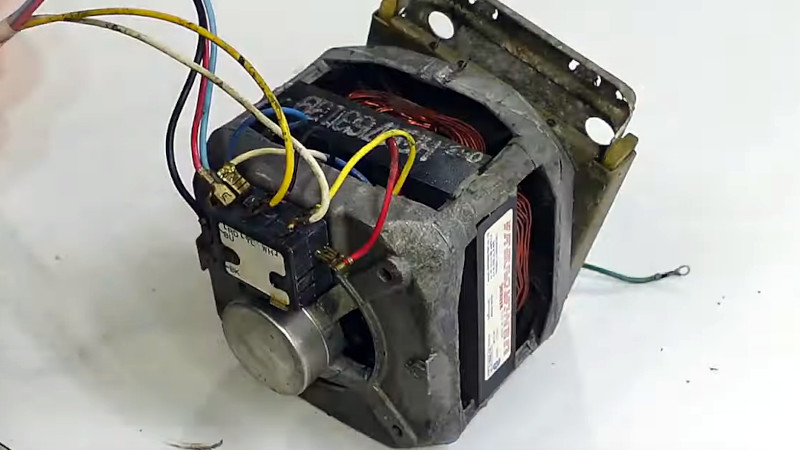
If the washing machine is the hero of laundry day, the motor is the overworked sidekick doing the actual heavy lifting while getting none of the applause. It starts, stops, reverses direction, ramps up to high spin speeds, and somehow keeps doing its job while towels thump around inside like they are training for a boxing match. In other words, the motor is where a lot of the magic happens.
Understanding washing machine motors is useful whether you are shopping for a new washer, trying to decode a weird grinding sound, or just wondering why one machine hums like a luxury sedan while another sounds like it is preparing for takeoff. The good news is that washer motors are not mysterious once you break them down. They are part of a larger drive system, and when you understand that system, the rest of the machine starts making a lot more sense.
This guide unlocks the basics: what washer motors do, the main types you will run into, why some machines are quieter and more efficient than others, what common symptoms really mean, and when a “bad motor” might actually be something else entirely. Spoiler alert: the motor gets blamed for crimes it did not commit all the time.
What a Washing Machine Motor Actually Does
A washing machine motor converts electrical energy into mechanical motion. That sounds textbook-clean, but in real life it means the motor helps drive the washer through different parts of the cycle. During wash or agitation, it helps move the basket, impeller, or agitator so clothes rub against water and detergent. During spin, it ramps up speed to extract water from fabrics before drying.
In modern machines, the motor usually works with a control board, sensors, and sometimes a separate motor controller. Instead of simply being “on” or “off,” many washer motors vary speed and direction depending on the cycle. Delicates need gentle motion. Heavy-duty loads need more torque. Spin cycles need a whole lot of confidence and a machine that is level enough not to moonwalk across the floor.
The Main Types of Washing Machine Motor Systems
When people say “washer motor,” they often mean the whole drive setup. That matters because the same symptom can come from the motor itself, the belt, the coupler, the rotor, the stator, or the controls telling the motor what to do. Here are the big systems you will see.
1. Belt-Drive Systems
In a belt-drive washer, the motor is separate from the basket and transfers power through a belt and pulley. Think of it as a relay race: the motor starts the action, and the belt passes that power along to the tub.
Belt-drive systems have been around forever in appliance years, which is basically the same as saying “since the dawn of socks.” They can work very well, but belts are wear items. Over time, they can stretch, slip, crack, or break. When that happens, you may hear the motor running without the basket spinning properly. If a washer suddenly stops spinning, a worn belt can be a smarter first suspect than a completely dead motor.
One advantage of belt-drive designs is serviceability. A worn belt is often cheaper to replace than a failed motor assembly. One downside is that more moving parts can mean more points of wear.
2. Direct-Drive Systems
In a direct-drive washer, the motor connects more directly to the basket or drive system rather than relying on a traditional belt. In plain English, the power path is shorter and more efficient. Fewer intermediary parts can also mean less energy loss and fewer parts that wear out.
Direct-drive designs are common in many modern washers, especially front-load models and higher-efficiency machines. They are often marketed as quieter, smoother, and more durable. That does not mean they never fail. It just means the failure points are different. Instead of a stretched belt, you may be dealing with a motor coupler, rotor, stator, or control issue.
3. Inverter or Variable-Speed Direct-Drive Motors
This is where washers start sounding fancy at the appliance store. An inverter or variable-speed direct-drive motor allows the machine to precisely control speed and torque. Rather than lurching from one speed to another, it can ramp up and down with more finesse. That usually translates into quieter operation, better efficiency, and cycle flexibility.
Many modern front-load and premium top-load machines use this style of motor. It is a big reason newer washers can handle everything from baby clothes to comforters without acting like they are emotionally overwhelmed by the workload.
4. Rotor-and-Stator Setups
Many direct-drive front-load washers use a rotor-and-stator arrangement. The stator becomes an electromagnet when energized, and the rotor works with it to create motion. This setup can deliver smooth rotation with fewer traditional mechanical linkages.
That sounds delightfully futuristic, but it also means that if the washer will not spin, the issue may be with the stator, rotor, or associated controls rather than the motor in the old-school sense. This is one reason diagnosis matters. Replacing the wrong part is an expensive hobby nobody needs.
Why Motor Design Matters More Than You Think
The motor is not just a technical detail hidden behind a metal cabinet. It affects almost everything owners notice in daily use.
Noise and Vibration
Motor design influences how loudly a washer runs, but it is only part of the story. Direct-drive and inverter systems often run more quietly than older belt-based setups. Still, even a great motor cannot save a badly installed washer. If the machine is not level, or if the load is unbalanced, vibration can spike dramatically. That is why a washer with a perfectly healthy motor can still sound like it is rearranging your laundry room.
Efficiency
More efficient motors and faster spin speeds help modern washers reduce energy use. That matters because a higher-speed spin pulls more water from clothes before they reach the dryer. Less leftover water means less drying time, and less drying time usually means lower energy use overall. In short, a good washer motor can help your dryer do less work, which is one of the few examples of teamwork in a laundry room.
Fabric Care and Cycle Performance
Variable-speed motors allow more precise wash action. That lets manufacturers create cycles that are gentler on delicate fabrics while still delivering strong cleaning power for heavier loads. The motor is not just spinning a tub. It is helping define the entire character of the wash.
Signs of a Motor Problem
Not every washer issue points to the motor, but some symptoms definitely put it on the suspect list.
The washer hums but does not spin
This can mean the motor is trying to work but power is not transferring properly. In belt-drive machines, the belt may be worn or broken. In direct-drive designs, the coupler, stator, rotor, clutch, or control system may be the real culprit.
The drum will not agitate or spin
A failed motor can cause this, but so can a lid switch, door lock, actuator, shifter assembly, clutch, or damaged drive components. That is why experienced techs usually test before replacing. “No spin” does not automatically mean “dead motor.”
Burning smell or overheating
A motor that is overloaded, obstructed, or electrically failing may overheat. But friction from seized bearings, a jammed tub, or a slipping belt can create similar drama. Either way, stop using the machine until the cause is identified.
Unusual grinding, squealing, or thumping
These noises can come from more than the motor. Grinding may indicate a worn coupler or drivetrain issue. Squealing can point to a belt. Thumping often has more to do with suspension, load balance, or leveling than the motor itself.
The washer stops mid-cycle
This can happen when a motor control board, door lock, or motor-related component fails. Sometimes the machine is protecting itself after sensing a fault. Sometimes it is simply confused. Appliances, like people, have their off days.
Common “Motor Problems” That Are Not Actually the Motor
Here is the sneaky part: washer motors are often blamed when the real issue lives nearby.
- Broken or stretched belt: The motor runs, but the basket does not move properly.
- Worn motor coupler: Common on some direct-drive top-load designs; the motor cannot transfer motion effectively.
- Faulty lid switch or door lock: The machine refuses to spin because it thinks the lid or door is open.
- Bad stator or rotor: Especially on front-load direct-drive systems.
- Control board issues: The motor may be perfectly fine, but it is not getting the right instructions.
- Unbalanced load: The machine pauses, reduces spin speed, or shuts down to avoid damage.
- Pump or drain issue: Many washers will not ramp up to full spin if water is not draining correctly.
This is why motor diagnosis should start with the whole drive system. A washer motor replacement is not the place for wild guessing and optimistic budgeting.
How to Make a Washer Motor Last Longer
Washer motors are built for years of use, but they still appreciate a little respect.
Do not overload the machine
Overloading makes the motor and drive system work harder than necessary. It can also throw the basket out of balance, increasing strain during spin. If your washer looks like it swallowed an entire dorm room, you are not doing the motor any favors.
Keep the washer level
A level machine reduces vibration and helps the drive system run more smoothly. If the washer rocks when you press on the corners, fix that before blaming the motor for every sound effect.
Use the right detergent
High-efficiency machines usually require HE detergent. Too many suds can interfere with sensing, rinsing, and spinning, which in turn can stress the machine during the cycle.
Wash balanced loads
One giant wet blanket and a single sock is not a balanced load. Spread items evenly and avoid washing extremely heavy items alone when possible. Your washer is not a circus performer.
Address odd symptoms early
A belt squeal, a new grinding noise, or repeated spin failures are often cheaper to deal with early. Waiting until the machine fully quits tends to turn a manageable repair into a more dramatic conversation.
Repair or Replace the Motor?
That depends on the age of the machine, the specific part that failed, and the overall condition of the washer.
If the issue is a relatively inexpensive belt, coupler, lock assembly, or even a common drive component, repair often makes sense. If the washer is newer and otherwise in good shape, replacing a motor-related part can still be a smart move.
But if the machine is older, has multiple issues, and needs an expensive motor or control assembly, replacement may be the better value. That is especially true if the tub bearings, suspension, pump, or electronics are already showing their age. At some point, a washer stops being a repair project and starts becoming a very loud reminder to shop sales.
What to Look for When Buying a Washer With a Better Motor System
If you are shopping for a new machine, pay attention to the drive system and not just the color of the control panel or how futuristic the buttons look.
Look for variable-speed or inverter-driven designs
These often offer quieter performance, smoother starts and stops, and better efficiency.
Check spin performance
Higher spin speeds can reduce moisture left in clothes, which may shorten dryer time.
Read the warranty details
Some brands offer longer warranties on the motor than on the rest of the machine. That does not guarantee perfection, but it can signal confidence in the drive system.
Think about your floor and laundry room setup
A powerful high-speed spin is great, but installation still matters. A machine that is not level or is sitting on a weak floor can feel noisier no matter how advanced the motor is.
The Bottom Line on Washing Machine Motors
Washing machine motors are not all the same, and the differences are worth knowing. Belt-drive systems are familiar and repairable, but they come with wear parts. Direct-drive systems cut out some middlemen and can improve efficiency. Inverter and variable-speed designs bring better control, quieter operation, and smarter cycle performance. Meanwhile, rotor-and-stator setups show how modern washers have evolved far beyond the old “motor plus spinning tub” story.
The biggest takeaway is this: when a washer misbehaves, the motor is only one part of the investigation. A failed belt, bad coupler, faulty lock, drainage problem, or control issue can all masquerade as motor trouble. Understanding the drive system helps you troubleshoot more intelligently, shop more confidently, and avoid replacing the wrong part just because the machine made one dramatic noise and hurt your feelings.
So yes, washing machine motors are officially unlocked. Laundry may never become glamorous, but at least now you know what is doing the real work behind the scenes.
Real-World Experiences With Washing Machine Motors
Here is where theory meets actual laundry room life. In real homes, most people do not start by saying, “I suspect the washer’s stator is failing.” They say things like, “Why is my washer growling at me?” or “Why is this machine suddenly dancing?” Those everyday experiences tell you a lot about motors and drive systems in the wild.
One of the most common experiences is the top-load washer that fills normally, makes a confident noise, and then refuses to spin like it has lost all motivation. Owners often assume the motor has died. Sometimes it has not. In many cases, the real problem is a worn coupler, a damaged belt, or a lid-related safety part that prevents the spin cycle from engaging. The machine sounds alive, but the power is not making it where it needs to go.
Another common experience happens with front-load washers that are impressively quiet right up until they are not. People buy them because the motor system is marketed as smooth and efficient, and for the most part that is true. But when a front-loader starts shaking, many owners immediately suspect a major motor failure. In practice, the first issue is often simpler: the machine is out of level, overloaded, or trying to spin a lopsided mass of towels and jeans. It is less “catastrophic motor event” and more “laundry physics had opinions.”
There is also the experience of the washer that works fine for months, then starts pausing mid-cycle. Owners restart it. It works once. Then it stops again. This is where people discover that modern washers are not just tubs with motors. They are systems. Sensors, locks, controls, drain performance, and motor commands all work together. A motor can be healthy while the machine still refuses to finish because some other component is interrupting the show.
Then there is the shopper experience. Plenty of homeowners replace an old belt-drive washer with a direct-drive or inverter model and notice the difference immediately. The new machine starts more smoothly, spins faster, sounds less clunky, and leaves clothes drier. The surprise is not that the newer motor design is better. The surprise is how much that difference shows up in daily use. Suddenly the dryer runs less, the laundry room is less noisy, and the machine no longer sounds like it is negotiating with every bath towel.
Perhaps the most useful real-world lesson is this: washer motors usually give clues before they fail completely. A new hum, a rising squeal, repeated unbalanced loads, or a spin cycle that seems weaker than before can all be warning signs. People who act early often fix a smaller problem. People who ignore the symptoms sometimes end up with a machine that quits on the exact day they need school uniforms, work clothes, and every towel in the house. Appliances have a strange sense of timing that way.
In everyday experience, the smartest approach is not panic and not denial. It is observation. Listen to new noises. Check whether the machine is level. Balance heavy loads. Do not overload. And when a washer acts like the motor is the villain, remember that the motor may just be the loudest actor in a much bigger cast.
Conclusion
Washing machine motors may live out of sight, but they shape everything from cleaning performance to noise, vibration, efficiency, and repair cost. Once you understand the difference between belt-drive, direct-drive, and inverter-driven systems, washer behavior becomes a lot easier to read. That knowledge helps you troubleshoot smarter, buy better, and keep your machine running longer. In a world full of household mysteries, that is a surprisingly satisfying win.