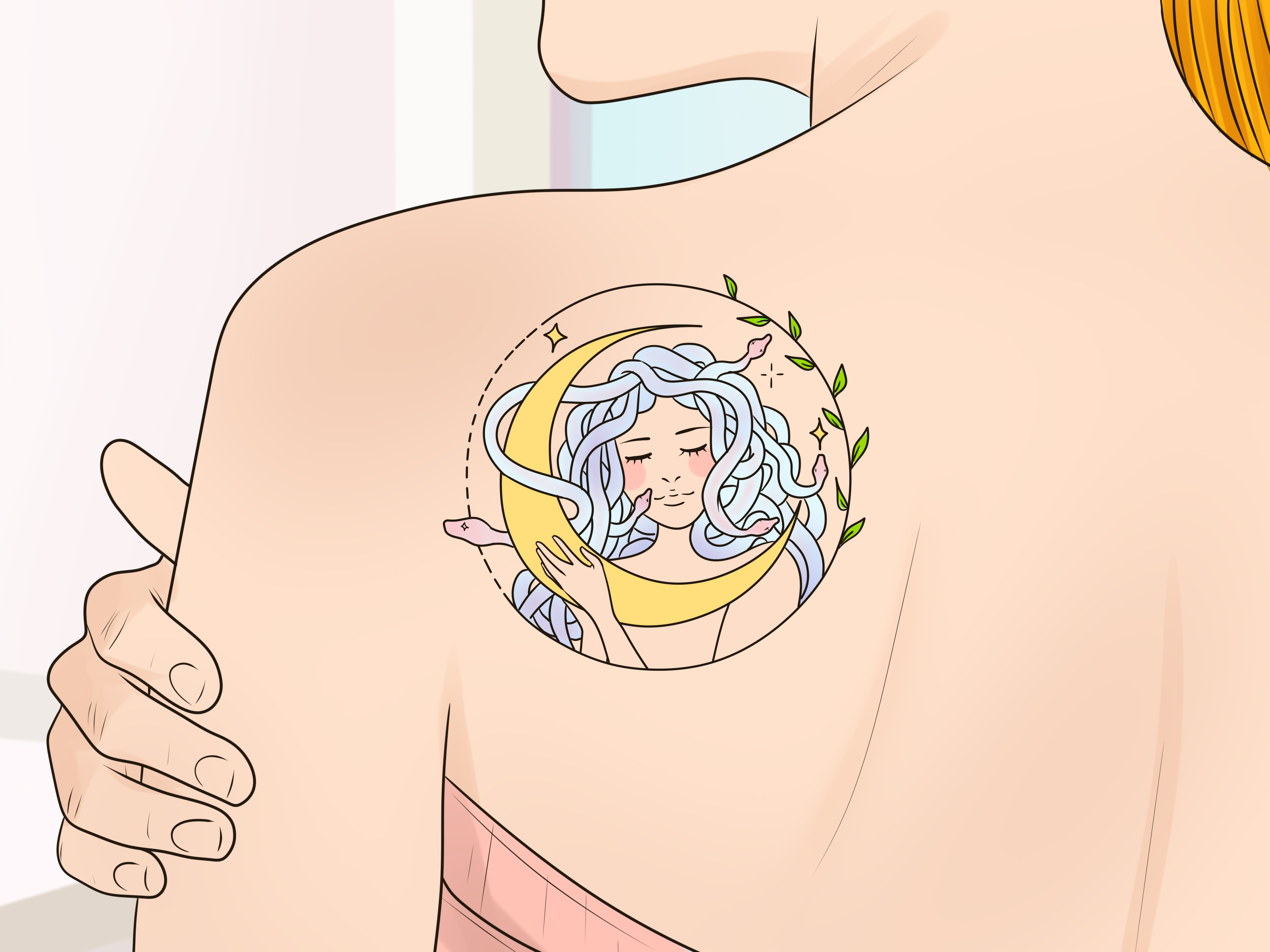
A Medusa tattoo is not exactly the kind of design that whispers politely from across the room. It stares back. It coils. It says, “I have boundaries, and one of them may involve turning nonsense into stone.” That is why Medusa remains one of the most powerful tattoo subjects today: she is beautiful, terrifying, wounded, protective, misunderstood, and unforgettable all at once.
For some people, the Medusa tattoo meaning is rooted in Greek mythology. For others, it represents survival, especially after trauma or sexual assault. Many choose Medusa as a symbol of feminine power, protection, rage, rebirth, mystery, or personal transformation. The design can be delicate and elegant, dark and gothic, traditional and bold, or realistic enough to make your forearm look like it belongs in an ancient temple museum with better lighting.
Note: This article is written for informational and cultural purposes. Tattoo meanings are deeply personal, and no single symbol belongs to only one interpretation. If a Medusa tattoo carries a trauma-related meaning for someone, that meaning deserves respect, not nosy questions from strangers in grocery store checkout lines.
What Does a Medusa Tattoo Mean?
The most common Medusa tattoo meaning is strength after suffering. In modern tattoo culture, Medusa often represents a person who has survived something painful and refuses to be defined by it. She is not just a monster from mythology; she has become a visual language for protection, resilience, anger, healing, and reclaiming control.
A Medusa tattoo can symbolize:
- Survival: Many people associate Medusa with overcoming abuse, trauma, betrayal, or emotional harm.
- Protection: In ancient art, Medusa’s face was used as a protective image meant to ward off evil.
- Female empowerment: Her story has been reinterpreted as a symbol of women’s rage, autonomy, and refusal to be silenced.
- Transformation: Medusa’s image speaks to dramatic change, whether painful, liberating, or both.
- Beauty and danger: She represents the idea that beauty does not have to be soft, harmless, or easy to understand.
- Boundaries: Her gaze is the ultimate “do not cross this line” energy.
In short, a Medusa tattoo often means: “I survived, I changed, and I am not here to make my strength look smaller.” Not a bad message for ink, honestly.
The History of Medusa in Greek Mythology
Medusa is one of the most famous figures in Greek mythology. She was one of the three Gorgons, usually described as sisters with terrifying features. Unlike the other two Gorgons, Stheno and Euryale, Medusa was mortal. That detail matters because it made her vulnerable in a way her immortal sisters were not.
In the best-known version of the myth, Medusa had snakes for hair and a gaze so powerful that anyone who looked directly at her turned to stone. The hero Perseus was sent to kill her. With help from divine gifts, including a reflective shield, he avoided looking at her directly and beheaded her while she slept. Even after death, Medusa’s head retained its petrifying power. Eventually, it was placed on Athena’s shield, becoming a weapon and a protective emblem.
Ancient Greek artists used Medusa’s face, often called the Gorgoneion, on shields, armor, pottery, buildings, and other objects. This was not just decorative flair, although ancient Greek design did enjoy a dramatic entrance. Medusa’s image was believed to repel harm. Her frightening face was used to scare away danger, much like the evil eye symbol in later traditions.
Was Medusa a Monster or a Victim?
That depends on which version of the story you are reading. In early Greek tradition, Medusa appears mainly as a monstrous Gorgon. Later, in the Roman poet Ovid’s version, Medusa was once beautiful and was transformed after Poseidon assaulted her in Athena’s temple. Athena then changed Medusa’s hair into snakes. This version has strongly shaped modern interpretations of Medusa as a victim who was punished after violence done to her.
Because of that version, many people today see Medusa not as the villain of the story, but as a figure of injustice, survival, and rage. Her transformation becomes more than a curse. It becomes armor. The snakes become a warning. The stone-turning gaze becomes power returned to someone who once had power taken away.
Why Medusa Tattoos Are Associated With Survivors
One of the most meaningful modern interpretations of the Medusa tattoo is its connection to survivors of sexual assault and abuse. The symbolism is not official in the way a national flag or medical symbol is official, but it has become widely recognized in tattoo communities and social media conversations.
For survivors, Medusa can represent the painful experience of being harmed, blamed, misunderstood, or treated like the problem. Her story reflects themes that many survivors recognize: violation, punishment, silence, shame, and the long process of reclaiming the self. A Medusa tattoo can become a private or public declaration that the survivor is no longer powerless.
It is important to say this carefully: not everyone with a Medusa tattoo is a survivor, and nobody owes an explanation for their tattoo. Some people choose Medusa simply because they love mythology, snakes, dark art, Greek sculpture, or the “don’t test me” vibe. So if you see a Medusa tattoo, admire the artwork if appropriate, but do not ask, “So, what happened to you?” That is not curiosity; that is a social jump scare.
Medusa as a Symbol of Feminine Power
Medusa has become a fierce symbol of feminine power because she breaks the old rule that women in art must be pleasing, gentle, and easy to consume. Medusa is not easy. She is complicated. She is beautiful in some depictions and terrifying in others. She is wounded, but she is not weak. She is feared, but she is also fascinating.
In modern feminist readings, Medusa represents anger that has a reason. She is the face of boundaries after betrayal. She embodies the kind of power that does not ask permission to exist. For many women and gender-diverse people, a Medusa tattoo can symbolize bodily autonomy, self-defense, and the right to take up space without apology.
This is why Medusa tattoos often feel so emotionally charged. They are rarely just “snake lady tattoos,” though that description is technically correct in the least poetic way possible. They are often chosen by people who want their ink to say something bold about identity, survival, and self-possession.
Protection, the Evil Eye, and the Gorgoneion
Long before Medusa became a trending tattoo design, her face appeared in ancient art as a protective symbol. The Gorgoneion was used on shields, breastplates, temples, roof tiles, coins, and household objects. The idea was simple and brilliant: use a frightening image to frighten away frightening things.
That protective meaning still fits beautifully into tattoo culture. A Medusa tattoo on the chest, back, arm, thigh, or neck can act like personal armor. The placement itself may add meaning. A chest tattoo can suggest guarding the heart. A back tattoo may represent protection from what comes from behind. A forearm tattoo can make the symbol visible, like a warning sign with excellent linework.
Popular Medusa Tattoo Styles
Realistic Medusa Tattoo
A realistic Medusa tattoo usually features detailed facial shading, expressive eyes, and snakes that look ready to slither off the skin. This style is dramatic and emotional. It works well for larger placements like the upper arm, thigh, back, ribs, or chest.
Fine Line Medusa Tattoo
Fine line Medusa tattoos are elegant, minimal, and often more delicate. They may focus on her profile, her eyes, or a few carefully drawn snakes. This style is popular for people who want the symbolism without a large, heavy design.
Traditional Medusa Tattoo
American traditional Medusa tattoos use bold lines, strong contrast, and classic tattoo composition. The result feels timeless and graphic. Add a dagger, roses, or a frame, and suddenly Medusa looks like she could headline a sailor’s mythological punk band.
Neo-Traditional Medusa Tattoo
Neo-traditional designs add richer detail, decorative elements, jewel tones, and stylized features. This is a great choice for people who want Medusa to look powerful, glamorous, and slightly dangerouslike she owns both a temple and a leather jacket.
Blackwork or Dark Art Medusa Tattoo
Blackwork Medusa tattoos lean into shadow, contrast, and gothic mood. These designs may include skulls, daggers, smoke, moons, or ornamental frames. They are especially effective for people drawn to mystery, grief, protection, and transformation.
Best Medusa Tattoo Placement Ideas
Placement can change how a Medusa tattoo feels. A small Medusa behind the ear whispers mystery. A full back piece announces that the museum is open and the exhibit is personal.
- Forearm: Great for visibility, strength, and daily reminder energy.
- Upper arm: Ideal for medium or large portraits with snakes and shading.
- Chest: Often linked to protection, courage, and guarding the heart.
- Back: Perfect for large, detailed, dramatic Medusa designs.
- Thigh: Offers enough space for ornate, realistic, or neo-traditional work.
- Ribs: Personal, intense, and meaningful, though not exactly famous for being painless.
- Hand or neck: Bold and highly visible; best considered carefully because these placements can affect work and social situations.
Design Elements That Pair Well With Medusa
Medusa already brings plenty of symbolism, but additional elements can make the tattoo more personal.
Snakes
Snakes symbolize transformation, rebirth, danger, wisdom, and healing. In a Medusa tattoo, they can represent alertness and self-protection.
Daggers
A dagger can add themes of defense, betrayal, justice, or cutting ties with the past.
Roses
Roses soften the image while adding meanings of beauty, pain, love, and survival. A rose with thorns pairs especially well with Medusa’s “beautiful but not harmless” symbolism.
Mirrors
A mirror references Perseus using reflection to avoid Medusa’s gaze. Symbolically, it can represent self-awareness, truth, or seeing danger clearly.
The Moon
Moon imagery adds mystery, cycles, feminine energy, and emotional transformation.
Athena’s Shield
Including a shield connects the design to the ancient protective use of Medusa’s head. It can also emphasize armor, wisdom, and strategy.
Things to Consider Before Getting a Medusa Tattoo
Before getting a Medusa tattoo, think about your reason for choosing the image. Is it about mythology? Survival? Protection? Aesthetic power? All are valid. But knowing your reason can help your tattoo artist build a design that actually fits you instead of looking like a random Pinterest screenshot that wandered onto your shoulder.
Choose an artist who has experience with faces, snakes, fine line work, realism, or whatever style you want. Medusa is a detail-heavy subject. Facial proportions matter. Snake movement matters. Eye expression matters. A poorly designed Medusa can accidentally drift from “mythological icon” to “confused spaghetti queen,” and nobody deserves that.
Also consider tattoo safety. A professional studio should use sterile equipment, single-use needles, clean workstations, and high-quality ink. Follow aftercare instructions carefully. Keep the tattoo clean, avoid scratching, protect it from sun exposure, and contact a medical professional if you notice spreading redness, severe swelling, pus, fever, or worsening pain.
Common Misunderstandings About Medusa Tattoos
“Only Women Can Get Medusa Tattoos”
Not true. Medusa tattoos can be worn by anyone. While the design is strongly connected to feminine power and survivor symbolism, its themes of protection, transformation, myth, and resilience are not limited to one gender.
“A Medusa Tattoo Always Means Trauma”
No. For some people, yes, it may carry trauma-related meaning. For others, it may represent Greek mythology, art, beauty, danger, strength, or simply a love of bold tattoo imagery. Meaning belongs to the person wearing it.
“Medusa Is Just a Villain”
That is the old surface-level reading. Modern interpretations see Medusa as more complex: a monster, a victim, a protector, a symbol of rage, and an icon of survival. She contains contradictions, which is exactly why she makes such a strong tattoo.
Personal Experiences and Reflections on Medusa Tattoo Meaning
One of the most interesting things about Medusa tattoos is how differently people experience them. Two people can walk into separate tattoo studios, ask for the same mythological figure, and leave with completely different emotional stories on their skin. One person may see Medusa as a survivor. Another may see her as a guardian. Someone else may simply think she looks incredible wrapped in blackwork snakes and ornamental shading. Tattoo meaning is personal, and Medusa gives people a lot of room to make the symbol their own.
For many, the experience begins long before the tattoo appointment. They may spend months saving reference images, reading mythology, studying different art styles, and deciding whether their Medusa should look angry, calm, sorrowful, beautiful, monstrous, or all of the above. That choice matters because Medusa’s expression can completely change the message. A crying Medusa may suggest grief and healing. A calm Medusa can feel like controlled power. A fierce Medusa with direct eye contact may say, “I am done shrinking myself for other people’s comfort.” Subtle? No. Effective? Absolutely.
Some people describe getting a Medusa tattoo as a turning point. The tattoo becomes a marker between who they were and who they are becoming. This can be especially meaningful for those who have gone through betrayal, abuse, harassment, or emotional manipulation. The tattoo does not erase the past, but it can help turn pain into something chosen. That difference is powerful. Pain that happened to you is one thing. Art that you choose for yourself is another.
There is also a confidence factor. Medusa tattoos tend to attract attention because the design is visually striking. People notice the snakes, the eyes, the face, the drama. For some wearers, that visibility feels empowering. For others, it can feel vulnerable at first. A person with a visible Medusa tattoo may receive compliments, questions, or assumptions. This is why it helps to decide in advance how much you want to share. A simple “It represents strength” is enough. You do not have to hand over your life story just because someone admired your ink near the coffee machine.
The tattoo process itself can also become part of the meaning. Sitting through a detailed Medusa piece takes patience, trust, and a decent relationship with discomfort. The buzzing machine, the careful shading, the breaks, the mirror revealthese moments become attached to the final image. When the tattoo heals, it is not just a design. It is a memory of choosing permanence, sitting with pain, and leaving with something beautiful.
Over time, the meaning may evolve. A Medusa tattoo that originally represented anger may later feel like peace. A design chosen for protection may become a reminder of growth. That is the beauty of symbolic tattoos: they can age with you. Medusa does not have to mean only one thing forever. Like snakes shedding skin, her symbolism can change as the wearer changes. And really, if any tattoo deserves a dramatic personal evolution arc, it is the woman with snakes for hair.
Conclusion
The meaning of a Medusa tattoo is layered, emotional, and powerful. It can represent survival, protection, feminine strength, transformation, rage, beauty, and the right to set boundaries. Its roots reach back to Greek mythology and ancient protective art, while its modern meaning continues to grow through survivor communities, feminist interpretations, and personal tattoo stories.
Whether you choose Medusa because of her myth, her symbolism, her visual drama, or her ability to say “stay back” without using a single word, the design carries serious presence. A Medusa tattoo is not just body art. It is armor, memory, warning, beauty, and rebellion wrapped into one unforgettable image. Also, snakes. Many, many snakes. Fashionably intimidating snakes.