A laboratory can own instruments worth more than a sports car and still lose ten minutes looking for a clean pipette box. That is why storage furniture matte, supports orderly workflows, simplifies cleaning, and survives the daily bumps, splashes, and hurried glove changes that make laboratory life interesting.
Stainless steel cabinets are especially useful in clinical laboratories, pharmaceutical facilities, biotechnology suites, cleanrooms, animal research areas, food-testing laboratories, hospitals, and wet labs. Their smooth surfaces, durable construction, and resistance to moisture make them a practical long-term investment. However, stainless steel is not a universal force field. The correct alloy, finish, cabinet configuration, and safety rating must be chosen for the materials being stored.
What Is a Laboratory Stainless Steel Storage Cabinet?
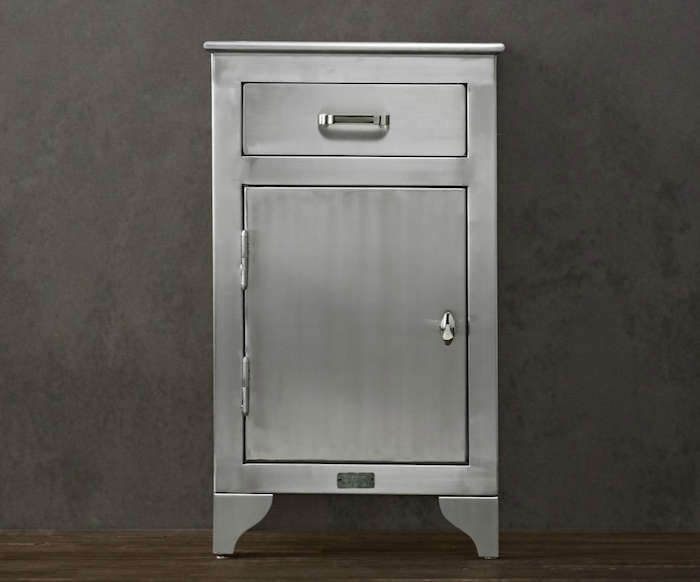
A laboratory stainless steel storage cabinet is purpose-built casework made primarily from stainless steel sheet and designed to store instruments, glassware, consumables, protective equipment, samples, or process supplies. Depending on the installation, it may be a base cabinet beneath a work surface, a wall-mounted unit, a tall freestanding cabinet, a mobile cabinet, or a recessed unit that preserves floor space.
Unlike ordinary office furniture, laboratory casework must tolerate frequent cleaning, heavier loads, repeated door cycles, exposure to moisture, and occasional contact with laboratory chemicals. Good cabinet design also minimizes difficult-to-clean gaps, sharp edges, exposed fasteners, and horizontal ledges that collect dust. In a controlled environment, those small details are not decorative trivia; they affect housekeeping, contamination control, and maintenance time.
Why Stainless Steel Is Popular in Laboratories
Stainless steel combines mechanical strength with a passive chromium-rich surface layer that helps resist corrosion. It does not depend on a painted coating for its basic corrosion resistance, so there is no paint film to chip and reveal a different substrate beneath. A brushed or polished surface is easy to inspect, and properly fabricated joints can be cleaned more efficiently than porous wood or damaged laminate.
It also has a useful visual advantage: stainless steel reflects light and makes dirt, residue, and spills easier to notice. That can be mildly insulting to sloppy housekeeping, but laboratories generally benefit when grime cannot hide behind a fashionable matte finish.
Design and cleanability basis: tion>
Type 304 vs. Type 316 Stainless Steel
The two most common grades considered for stainless steel laboratory cabinets are Type 304 and Type 316. Both are austenitic stainless steels, but they are not interchangeable in every environment.
| Feature | Type 304 | Type 316 or 316L |
|---|---|---|
| Typical use | General laboratories, hospitals, dry storage, and many cleanrooms | More corrosive, chloride-rich, pharmaceutical, marine, or demanding sanitation environments |
| Corrosion resistance | Good for routine moisture and many cleaning programs | Improved resistance to pitting in many chloride-containing environments |
| Cost | Usually lower | Usually higher |
| Best buying logic | Choose when the chemical and cleaning exposure is compatible | Choose when the environment justifies the added alloy performance |
Type 304 is the workhorse choice for many general-purpose laboratories. It is commonly specified for storage cabinets, worktables, sinks, and cleanroom furniture where the exposure is mostly water, routine disinfectants, and moderate chemicals. Type 316 contains molybdenum, which improves resistance to pitting in many chloride-bearing conditions. The low-carbon 316L version is often selected when welding, high-purity fabrication, or demanding cleanability is important.
Selection should be based on a real chemical compatibility review rather than a vague belief that “more stainless” is always better. Strong acids, chlorides, elevated temperatures, concentrated cleaners, and long contact times can attack stainless steel. Hydrochloric acid is particularly unfriendly. For aggressive corrosives, polypropylene, specialized liners, or a purpose-built corrosive storage cabinet may be more appropriate than stainless steel.
Stainless-grade and finish basis: tion>
Common Cabinet Configurations
Base Cabinets
Base cabinets sit beneath laboratory countertops and may include doors, drawers, pull-out trays, or combinations of all three. They provide storage close to the work zone without consuming wall space. For flexible laboratories, mobile or suspended base cabinets can make future reconfiguration easier.
Wall-Mounted Cabinets
Wall cabinets keep frequently used supplies above the bench. Solid stainless doors hide clutter, while glass or polymer viewing panels make inventory visible without opening the cabinet. Mounting height should balance storage capacity with reach, head clearance, and accessibility requirements.
Tall Storage Cabinets
Full-height cabinets are useful for boxed consumables, clean garments, small equipment, records, and bulk supplies. Adjustable shelves help accommodate changing inventory. Tall units should be leveled and anchored according to the manufacturer’s instructions so the cabinet does not become a very expensive domino.
Mobile Cabinets
Mobile cabinets support shared instruments, point-of-use kits, or frequently changing workflows. Specify cleanable, chemical-resistant casters, wheel brakes, suitable load capacity, and enough clearance to clean beneath the unit. Mobility is valuable only when the cabinet remains stable during use.
Recessed and Pass-Through Cabinets
Recessed cabinets save space in corridors, procedure rooms, and clean areas. Pass-through storage can support controlled transfer between adjacent spaces, but the design must match the contamination-control plan. Door interlocks, flush seams, cleanable interiors, and room-pressure relationships may become important in pharmaceutical or healthcare applications.
Features That Matter More Than a Shiny Brochure
Construction and Load Capacity
Ask for the stainless grade, sheet thickness or gauge, frame design, shelf load rating, drawer rating, hinge type, and test method. A cabinet that stores light plasticware has different structural demands from one carrying centrifuge accessories, metal tooling, or dense reagent containers. Shelves should resist sagging, and drawers should operate smoothly at their rated load.
Surface Finish
A No. 4 brushed finish is common because it provides a uniform appearance and is relatively easy to maintain. Electropolished surfaces may be chosen for higher-purity or cleanroom applications because the process can smooth microscopic surface irregularities and improve cleanability. Finish direction should be consistent across visible panels, doors, and drawer fronts.
Cleanable Geometry
Look for smooth welds, sealed or continuously welded seams where appropriate, coved interior corners, removable shelves, minimal exposed hardware, and tops that do not create dust traps. Sloped tops are useful where routine cleaning above the cabinet would otherwise be neglected. Flush bases or elevated legs can both work, but the cleaning strategy must be decided before installation.
Doors, Drawers, and Hardware
Hinged doors provide full access but require swing clearance. Sliding doors save aisle space but create tracks that may need additional cleaning. Self-closing hinges, positive latches, soft-close slides, lockable doors, label holders, and keyed-alike systems can improve usability. Hardware should resist the same environment as the cabinet body; a stainless cabinet with corroding bargain hinges is a tuxedo worn with muddy flip-flops.
Security and Inventory Control
Locks are useful for controlled supplies, calibrated tools, expensive components, or sensitive records. For higher-security storage, consider audit-controlled access rather than relying only on a mechanical key. Transparent doors, bin labels, shelf dividers, and standardized storage maps can reduce duplicate purchasing and expired inventory.
Safety: General Storage Is Not Hazardous-Material Storage
This is the most important buying rule. A general-purpose stainless steel cabinet is not automatically a flammable-liquid storage cabinet, corrosive cabinet, gas-cylinder cabinet, or ventilated chemical cabinet. Hazardous materials must be stored according to their classifications, safety data sheets, institutional chemical hygiene plan, applicable fire codes, and the requirements of the authority having jurisdiction.
For flammable liquids, OSHA limits the quantity stored in a single approved cabinet to no more than 60 gallons of Category 1, 2, or 3 liquids, or 120 gallons of Category 4 liquids. Approval, construction, labeling, door operation, and location matter. A cabinet made from stainless steel sheet does not qualify merely because it is metal. Listed or approved flammable-liquid cabinets are tested and identified for that purpose.
Corrosive chemicals create a different challenge. Acids and bases should be segregated according to compatibility, and some materials require corrosion-resistant interiors, secondary containment, or dedicated ventilation. OSHA laboratory guidance notes that toxic or corrosive chemicals requiring vented storage should be placed in vented cabinets rather than stored in a chemical hood. Ventilation should be engineered intentionally; drilling a hole and attaching a flexible hose is not a ventilation design.
Never store incompatible chemicals together simply because there is an empty shelf. Keep containers closed, labeled, and within compatible secondary containment. Heavy containers belong on lower shelves. Chemicals should not be stored above eye level when a spill during retrieval could expose the user.
Hazard-storage basis: ch7
How to Choose the Right Laboratory Stainless Steel Storage Cabinet
- Define the contents. List what will be stored, including maximum container size, total weight, security needs, and whether the items are clean, sterile, hazardous, or moisture-sensitive.
- Map the exposure. Review chemicals, disinfectants, humidity, chlorides, temperature, washdown practices, and the likelihood of spills.
- Select the alloy. Choose 304 for compatible general service or 316/316L where additional corrosion resistance is justified. Use another cabinet material when stainless steel is chemically unsuitable.
- Choose the configuration. Decide among base, wall, tall, recessed, mobile, or pass-through designs based on workflow and available space.
- Verify performance. Request shelf capacities, drawer capacities, cabinet anchoring details, hardware specifications, finish information, and relevant test reports.
- Confirm safety status. Determine whether the cabinet is general storage or specially approved for flammables, corrosives, controlled substances, or another hazard.
- Plan cleaning and maintenance. Make sure staff can reach every surface and that approved cleaners are compatible with the cabinet finish.
Cleaning and Maintenance
Routine care usually begins with removing loose debris, wiping with a compatible mild detergent, rinsing when required, and drying with a clean, nonabrasive cloth. Follow the grain of a brushed finish. Clean spills promptly, especially chloride-containing solutions, acids, and concentrated disinfectants. Do not use steel wool or carbon-steel brushes because they can embed iron particles that later rust and create the false impression that the stainless steel itself has failed.
Cleaning chemicals should be approved by the cabinet manufacturer and the facility’s infection-control or environmental-health-and-safety team. More aggressive is not automatically more hygienic. Excessively concentrated bleach, prolonged wet contact, and failure to rinse can damage some stainless surfaces. Inspect seams, shelves, hinges, slides, casters, locks, and anchors during scheduled maintenance. Replace damaged components before a minor defect becomes a dropped shelf or a door that refuses to close during an audit.
Cost and Long-Term Value
Stainless steel laboratory cabinets often cost more initially than painted steel, laminate, or basic millwork. The value comes from long service life, cleanability, resistance to moisture, repairability, and the ability to support demanding environments. A lower-cost cabinet may be reasonable for a dry teaching lab, while a pharmaceutical wash area may justify welded 316L construction and a premium finish.
Compare bids on an equal basis. One quote may include adjustable shelves, locks, stainless hardware, finished end panels, installation, anchoring, and a long warranty; another may include little more than a shiny box and optimism. Lifecycle cost should include maintenance labor, replacement frequency, downtime, cleaning difficulty, and the consequences of corrosion or contamination.
Practical Experience: Lessons from Realistic Laboratory Scenarios
The following field-style examples are representative composites based on common laboratory planning, installation, and maintenance situations. They illustrate practical lessons rather than describing one named facility.
Experience 1: The Clinical Lab That Needed Better Workflow, Not More Cabinets
A busy clinical laboratory planned to add three tall cabinets because benches were crowded with gloves, sample racks, printer supplies, and unopened consumables. A storage review showed that the real problem was poor zoning. Frequently used items were stored across the room, while obsolete forms and duplicate supplies occupied the easiest shelves.
The lab installed one Type 304 stainless steel tall cabinet with adjustable shelves and two smaller wall cabinets near the work zones. Clear shelf labels separated daily supplies from reserve stock. Heavy boxes moved to the bottom, and a simple “first-expiring, first-out” layout reduced waste. The lesson was wonderfully unglamorous: cabinet quantity matters less than placing the right cabinet where the work actually happens.
Experience 2: The Cleanroom Cabinet with a Dust-Collecting Roof
A biotechnology suite selected attractive stainless cabinets with flat tops. They looked excellent on installation day. Six months later, environmental-services staff were using awkward extension tools to clean the narrow space between the cabinet tops and ceiling. The hidden horizontal ledges had become reliable collectors of dust and packaging fibers.
During the next renovation, the facility specified sloped tops and sealed transitions in areas where overhead cleaning access was limited. It also selected removable shelves and fewer exposed fasteners. Cleaning time fell, inspection became easier, and staff stopped inventing colorful nicknames for the space above the cabinets. The experience showed that cleanability is a geometry problem as much as a material problem.
Experience 3: The “Stainless Means Safe” Purchasing Mistake
A university research group purchased a standard stainless steel cabinet online and intended to store solvent bottles inside it. The cabinet was durable, lockable, and made from 304 stainless steel, but it was not listed or approved as a flammable-liquid storage cabinet. Environmental health and safety rejected the plan during inspection.
The group reassigned the cabinet to glassware and instrument accessories, then purchased an approved flammable-liquid cabinet sized for the solvent inventory. The replacement included the required construction, labeling, and fire-safety features. The avoidable expense came from confusing material quality with hazard certification. Stainless steel described what the cabinet was made from; it did not describe what the cabinet was approved to do.
Experience 4: When 316L Was Worth the Upgrade
A coastal pharmaceutical support laboratory experienced recurring tea-colored staining on lower-grade hardware and nearby painted equipment. The combination of humid salt air, frequent disinfection, and occasional splash exposure created a tougher environment than the original specification assumed. For a new storage area, the team chose 316L stainless steel cabinets with compatible stainless hardware, sealed seams, and raised bases that allowed complete floor cleaning.
The upgrade cost more, but the decision was tied to documented exposure rather than prestige. The maintenance plan also changed: spills were removed promptly, disinfectant concentrations were controlled, surfaces were rinsed when required, and cleaning tools that could transfer iron contamination were prohibited. Better alloy selection helped, but disciplined maintenance completed the solution.
Experience 5: The Mobile Cabinet That Became a Parking Problem
A research lab bought a mobile cabinet to share calibration tools between rooms. The cabinet rolled beautifully, but its planned parking location blocked an electrical panel and narrowed an aisle. Staff then parked it wherever space appeared, which made the tools surprisingly hard to find for something mounted on wheels.
The fix was simple: the lab created a marked parking bay near the main work area, added wheel locks, standardized drawer labels, and established a return rule at the end of each shift. A mobile laboratory cabinet needs a home, just like a fixed cabinet needs anchors. Flexibility without a parking plan can turn useful equipment into wandering furniture.
Conclusion
A laboratory stainless steel storage cabinet can improve organization, sanitation, durability, and workflow for many years. The best choice begins with the contents and hazards, not the catalog photograph. Select the right stainless grade, verify load ratings, specify cleanable construction, plan access and anchoring, and confirm whether the unit is general casework or an approved safety cabinet.
Type 304 is suitable for many routine laboratory and cleanroom applications, while Type 316 or 316L may provide better service in more aggressive environments. Neither grade should be treated as universally chemical-proof. When the cabinet, cleaning program, storage plan, and safety requirements are designed together, the result is less clutter, easier housekeeping, and fewer surprises during inspectionswhich is about as close as laboratory furniture gets to performing an experiment successfully.
Research note: Content synthesized from U.S. laboratory-safety, facility-design, materials, certification, and laboratory-furniture guidance. Additional basis: ote: Verify project-specific chemical compatibility, local fire-code requirements, accessibility, anchoring, and authority-having-jurisdiction approval before specifying or installing laboratory storage.