When people hear “Title X,” they may think it sounds like a secret government file, a superhero sequel, or a mysterious folder nobody should open without a password. In reality, Title X is far less flashy and far more important: it is the only federal grant program in the United States dedicated solely to family planning and related preventive health care. And when Title X funding is stripped, frozen, delayed, or politically squeezed, women do not simply lose a line item in a budget. They lose appointments. They lose cancer screenings. They lose birth control access. They lose trusted clinics. In many communities, they lose the only affordable doorway into health care.
That is why the phrase “stripping Title X funding” should not be treated like another Washington policy argument that floats around cable news until everyone changes the channel. For millions of low-income, uninsured, rural, young, and medically underserved patients, Title X is not abstract. It is the reason a clinic can keep the lights on, the exam rooms staffed, and the sliding-fee scale alive. Remove that support, and the system does not politely adjust itself with a spreadsheet and a smile. It cracks.
What Is Title X, and Why Does It Matter?
Title X was created in 1970 to help people access voluntary family planning services, contraception, pregnancy testing, infertility services, STI testing, HIV testing, cancer screenings, and related preventive care. The program is designed to prioritize people with low incomes, including patients who are uninsured or underinsured. In plain English: Title X helps people get care before a health issue becomes a crisis with a hospital bracelet attached.
One of the most important things to understand is that Title X is not just about birth control, although contraception is a major part of the program. Title X clinics also provide Pap tests, HPV-related care, breast and cervical cancer screening referrals, STI testing and treatment, HIV services, blood pressure checks, pregnancy testing, and counseling. Many patients come in for one need and leave with several health concerns addressed. That is the quiet genius of preventive care: it catches problems while they are still whispering instead of waiting until they are shouting.
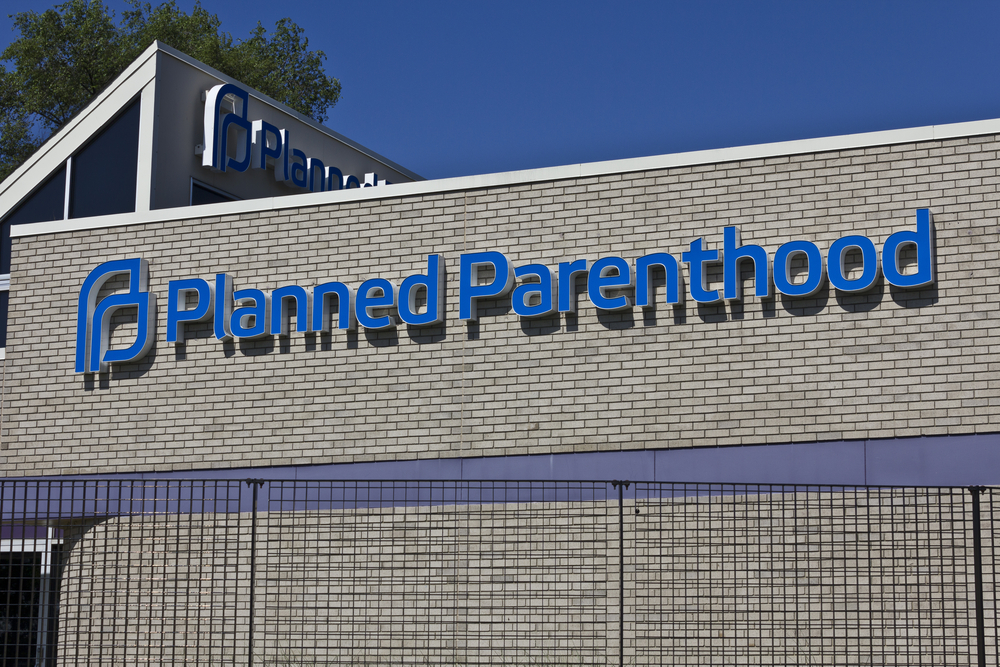
Title X clinics include community health centers, local health departments, independent family planning providers, and Planned Parenthood health centers. This mix matters because access is not one-size-fits-all. In a big city, a patient may have multiple clinic options. In a rural county, one Title X-supported provider might be the practical difference between getting care and driving two hours, missing work, paying for gas, arranging child care, and then deciding the appointment can wait. Spoiler alert: when health care becomes that hard, many people do wait.
Why Cutting Title X Funding Hits Women So Hard
Women are often the primary users of family planning and reproductive health services, and they are also more likely to face gaps in care due to cost, caregiving responsibilities, transportation barriers, and insurance instability. Title X helps reduce those barriers by supporting clinics that offer confidential, affordable services on a sliding-fee scale.
When Title X funding disappears, clinics may reduce hours, lay off staff, stop offering certain contraceptive methods, delay appointments, or close sites altogether. Those changes might sound administrative, but for a patient they are personal. A closed clinic means the Pap test does not happen. A delayed appointment means birth control is interrupted. A missing STI test means an infection can go untreated. A lost counseling visit means a patient has fewer choices and less information.
The damage is especially severe for women living paycheck to paycheck. Health care costs do not need to be enormous to become impossible. A $40 visit can be too much when rent is due. A $20 prescription can be out of reach when groceries already won the budget battle. Title X helps clinics absorb costs so patients can receive care based on need, not wallet thickness. Without that support, the health care system basically asks women to bring a coupon to their own dignity.
Title X Is Preventive Care, Not Political Theater
One of the biggest misunderstandings about Title X is the false idea that it is mainly an abortion funding program. Federal law already prohibits Title X funds from being used for abortion. What Title X actually funds is preventive health care: contraception, screenings, testing, counseling, and basic reproductive health services.
This distinction matters because political fights often blur the line on purpose. When funding is attacked in the name of abortion politics, the services that vanish first are often ordinary, everyday health services. A patient who needs a cervical cancer screening is not making a campaign speech. A teenager seeking confidential contraception counseling is not drafting legislation. A woman asking for an STI test is not trying to become a headline. She is trying to take care of her body.
Stripping Title X funding turns regular health care into collateral damage. It punishes patients for political disagreements they did not create and cannot control. The result is not fewer health needs. The result is fewer places to meet those needs safely and affordably.
The Real-World Consequences of Funding Cuts
1. Fewer Clinics and Longer Wait Times
Clinics depend on stable funding to plan staffing, supplies, lab contracts, outreach, and patient navigation. When funding becomes uncertain, clinics cannot simply “make it work” with magical waiting-room glitter. They may have to reduce appointment slots, close satellite locations, or stop offering certain services. Patients then face longer waits and longer drives.
This is not a small inconvenience. Delayed care can change outcomes. A patient who postpones a cervical cancer screening may miss early detection. A patient who cannot get timely contraception may face an unintended pregnancy. A patient who cannot access STI testing may experience complications or unknowingly transmit an infection. The health care system saves money and suffering when it keeps preventive care close, affordable, and boringin the best possible way.
2. Birth Control Becomes Harder to Access
Contraception is not a luxury item, though it is sometimes treated like one by people who have never had to choose between a copay and a utility bill. Birth control helps patients plan pregnancies, manage medical conditions, reduce menstrual symptoms, and make decisions about school, work, family, and finances.
Title X clinics often provide a broad range of contraceptive methods, including pills, patches, rings, injections, implants, IUDs, condoms, and counseling about natural family planning. Good contraceptive care is not about pushing one method. It is about helping patients choose what fits their health, preferences, relationships, and life plans. When funding is cut, the range of options can shrink. And when options shrink, autonomy shrinks with them.
3. Cancer Screenings Are Put at Risk
Cervical cancer screening is one of the clearest examples of preventive care doing its job. Pap tests and HPV tests can identify changes before cancer develops or find cancer earlier, when treatment is more effective. Title X clinics help connect patients to these screenings and follow-up care, especially patients who may not have a regular doctor.
Cutting Title X funding threatens that safety net. A missed screening may not look dramatic today. There is no thunderclap, no dramatic music, no movie trailer voice saying, “In a world where one appointment was canceled…” But preventive care works precisely because it happens before the emergency. Taking it away is like removing smoke detectors because the house is not currently on fire.
4. STI and HIV Services Become Less Accessible
The United States continues to face a serious STI burden, and testing remains essential for prevention and treatment. Title X clinics offer STI and HIV testing, counseling, and referrals in settings that are often familiar and less intimidating than larger medical systems. For young people, uninsured patients, and people worried about confidentiality, that trust matters.
If Title X funding is stripped, STI services can become less available right when communities need them. That is bad medicine and bad math. Untreated infections can lead to complications, higher medical costs, and broader public health problems. Preventive testing is not just compassionate; it is practical.
Who Is Most Affected When Title X Is Stripped?
The harm is not evenly distributed. Funding cuts fall hardest on people who already face barriers: low-income women, uninsured patients, young adults, women of color, rural patients, immigrants, and people living in areas with few health care providers. Title X was built for exactly these patients. Weakening it widens the gaps it was designed to close.
Many Title X patients have incomes at or below the federal poverty level. Many are uninsured or rely on Medicaid. For them, a Title X clinic may be the only place where care feels financially possible. Remove the funding, and policymakers are not just trimming a program. They are shifting costs onto people least able to absorb them.
Rural communities face a unique challenge. A clinic closure in a city may mean patients travel a few extra bus stops. A clinic closure in a rural area may mean an entire county loses practical access. Transportation becomes health policy. Gas prices become health policy. Work schedules become health policy. Even the availability of a cousin with a reliable car becomes health policy. That is not a serious way to run a health care system.
Why “Just Go Somewhere Else” Is Not a Real Solution
One of the most common responses to Title X cuts is the casual suggestion that patients can simply go to another provider. This sounds reasonable only if you imagine health care as a coffee shop: one location closes, so you walk across the street and order the same latte. But clinics are not lattes, and health care access is not that simple.
Other providers may not accept uninsured patients. They may not offer sliding-fee services. They may not provide the same contraceptive methods. They may have waitlists. They may not offer confidential adolescent care. They may be too far away. They may not have bilingual staff or culturally competent services. They may not be trusted by the community. In health care, “somewhere else” can be a beautiful phrase that means absolutely nothing.
Title X clinics are often built into the fabric of local communities. Patients know where they are. Staff understand local needs. Referral networks are already in place. When that infrastructure is damaged, it cannot be rebuilt overnight. Funding cuts can happen with the stroke of a pen. Restoring trust and access can take years.
The Economic Case for Protecting Title X
Even for people who prefer to talk about budgets rather than bodies, Title X makes sense. Preventive care is usually less expensive than crisis care. Contraception is less costly than unintended pregnancy-related medical expenses. Early cancer detection is less costly than late-stage treatment. STI testing and treatment are less costly than complications.
Public investment in family planning has long been associated with savings for Medicaid and other public programs. But the bigger point is not just dollars saved. It is lives stabilized. When women can plan if and when to become pregnant, they can better pursue education, employment, caregiving, and financial security. That kind of stability does not fit neatly into a budget column, but it shapes families and communities for generations.
Cutting Title X is like canceling oil changes to save money and then acting shocked when the engine gives up on the highway. Preventive care is maintenance for public health. Ignore it, and the bill comes due with interest.
Health Care Should Not Depend on Political Weather
Title X has survived for decades because the need for affordable family planning care is not partisan. Patients in red states, blue states, small towns, suburbs, and major cities all need contraception, cancer screenings, STI testing, and reproductive health counseling. Health needs do not check voter registration before showing up.
Yet Title X has repeatedly been pulled into political fights, including funding freezes, regulatory changes, and attempts to eliminate the program. This instability creates chaos for clinics and fear for patients. Health care providers cannot plan responsibly when the rules keep changing. Patients cannot feel secure when access depends on which political breeze is blowing through Washington.
A serious country should not treat women’s preventive health care like a light switch. On this year, off next year, maybe dimmed after the election, possibly restored after litigationthis is not policy; it is a stress test for everyone who works in or relies on the safety net.
What Stripping Title X Funding Really Says
Stripping Title X funding sends a message, whether policymakers admit it or not: some people’s health care is negotiable. It says low-income women can wait. It says uninsured patients can figure it out. It says clinics serving marginalized communities should operate under constant financial threat. It says reproductive health is optional, even though anyone with a body knows the body did not receive that memo.
But women’s health care is not a bonus feature. It is not an add-on subscription. It is core health care. Family planning, cancer screening, STI testing, pregnancy counseling, and preventive services are part of the basic medical foundation that helps people live healthy, self-directed lives.
To strip Title X funding is to rob women of more than appointments. It robs them of time, choices, privacy, early detection, trusted relationships, and the ability to make health decisions before emergencies happen. That is not fiscal discipline. That is public health vandalism wearing a necktie.
Experiences That Show Why Title X Matters
To understand the human cost, picture a 24-year-old woman working two part-time jobs without employer-sponsored insurance. She is not careless. She is not irresponsible. She is doing what millions of Americans do every day: working hard while trying not to let one unexpected bill knock over the whole table. A Title X-supported clinic allows her to get contraception, an annual exam, and STI testing at a cost she can handle. Without that clinic, she may postpone care until something feels urgent. By then, the health issue may be more expensive, more stressful, and harder to treat.
Or imagine a mother in a rural community who has not had a Pap test in years because the nearest full-service medical office is far away and her schedule is built around children, work, and the kind of errands that multiply when nobody is looking. A local Title X clinic gives her a realistic option. The appointment is not glamorous. There is no red carpet. Nobody gives her a tiny trophy for responsible preventive care, although honestly, maybe we should. But that visit could detect a problem early, connect her to follow-up care, and give her peace of mind.
Consider a college student who needs confidential contraception counseling. She may not want an explanation of benefits mailed to a parent’s house. She may not have money for a private doctor. She may be nervous, embarrassed, or overwhelmed. A Title X clinic can provide accurate information in a setting designed to protect privacy. Without that option, she may rely on internet rumors, social media advice, or a roommate who once read half a wellness blog and now speaks with alarming confidence. Confidential care helps young people make safer, smarter choices.
Think about a woman leaving an unhealthy relationship who needs STI testing, emergency contraception counseling, or a basic reproductive health visit. She may need care that is affordable, discreet, and nonjudgmental. Title X clinics often serve patients in complicated life situations where compassion is not a decorative extra; it is the doorway to care. If funding cuts force a clinic to reduce services, the patient does not lose an abstract program. She loses a safe place to ask for help.
These experiences are not rare exceptions. They are the everyday reality of safety-net health care. Title X does not make headlines because a clinic helped someone avoid a crisis. Prevention is quiet. It does not trend. It does not hold press conferences. It simply lets people continue their lives with fewer emergencies. That quiet success is exactly why the program is so easy to underestimate and so dangerous to dismantle.
Conclusion: Protecting Title X Protects Women’s Health
Stripping Title X funding means women are robbed of health care because the program supports the exact services that keep people healthy before disaster strikes. It helps clinics provide contraception, cancer screenings, STI testing, pregnancy counseling, and preventive care to patients who might otherwise be priced out, pushed out, or left out entirely.
The debate over Title X is not just about federal grants. It is about whether the United States believes preventive reproductive health care should be accessible to people with low incomes, people without insurance, people in rural areas, and people who rely on trusted community clinics. When Title X is protected, women have more choices, healthier futures, and stronger communities. When it is stripped, the cost is paid in missed screenings, delayed care, unintended pregnancies, untreated infections, and unnecessary suffering.
Health care should not vanish because a budget line became politically inconvenient. Women deserve better than a system that treats their preventive care like loose change under the couch cushion. Title X is not perfect, and it cannot fix every gap in American health care. But it is one of the most important tools the country has for keeping reproductive health care affordable, practical, and close to home. Taking it away does not make women healthier. It simply makes care harder to reachand that is the robbery hiding in plain sight.