Small spaces have a funny way of making everyday items multiply. One reusable tote becomes six. A single phone charger turns into a tangled jungle. And somehow, the “just for now” pile on the chair becomes a permanent resident with voting rights. The good news is that a compact home does not have to feel cramped, chaotic, or like a closet wearing a roof.
With the right storage ideas for small spaces, you can turn awkward corners, blank walls, underused furniture, and forgotten nooks into hardworking zones that keep your home tidy without stealing its personality. The goal is not to buy a mountain of plastic bins and hope for the best. The goal is to create smart systems that are easy to use, easy to maintain, and attractive enough that you will not feel the need to hide them every time someone visits.
Below are 18 creative storage ideas for small spaces to get organized, with practical examples for apartments, tiny homes, small bedrooms, compact kitchens, narrow entryways, and bathrooms that seem to have been designed by someone who never owned a towel.
Why Smart Storage Matters in Small Spaces
When square footage is limited, storage has to do more than hold things. It needs to support the way you actually live. A small home works best when every item has a destination, frequently used essentials are easy to reach, and hidden storage does not become a black hole for things you forgot you owned.
The best small space organization ideas usually follow three simple rules: use vertical space, choose furniture that earns its footprint, and group items by purpose. Once you think beyond standard closets and cabinets, you start noticing storage opportunities everywhere: behind doors, under beds, above cabinets, inside benches, beside sofas, and even on the side of the refrigerator.
18 Creative Storage Ideas for Small Spaces
1. Create a Drop Zone Near the Entryway
A small entryway can become a clutter magnet in record time. Shoes, keys, sunglasses, mail, bags, umbrellas, and dog leashes all seem to gather there like they are waiting for a bus. A simple drop zone solves the problem before the mess travels deeper into the home.
Install wall hooks for bags and jackets, add a slim shelf for keys, and place labeled baskets or bins underneath for shoes and seasonal accessories. If you do not have a real foyer, use a narrow strip of wall beside the front door. Even a tiny landing area can feel organized when every grab-and-go item has a home.
2. Go Vertical With Wall Shelves
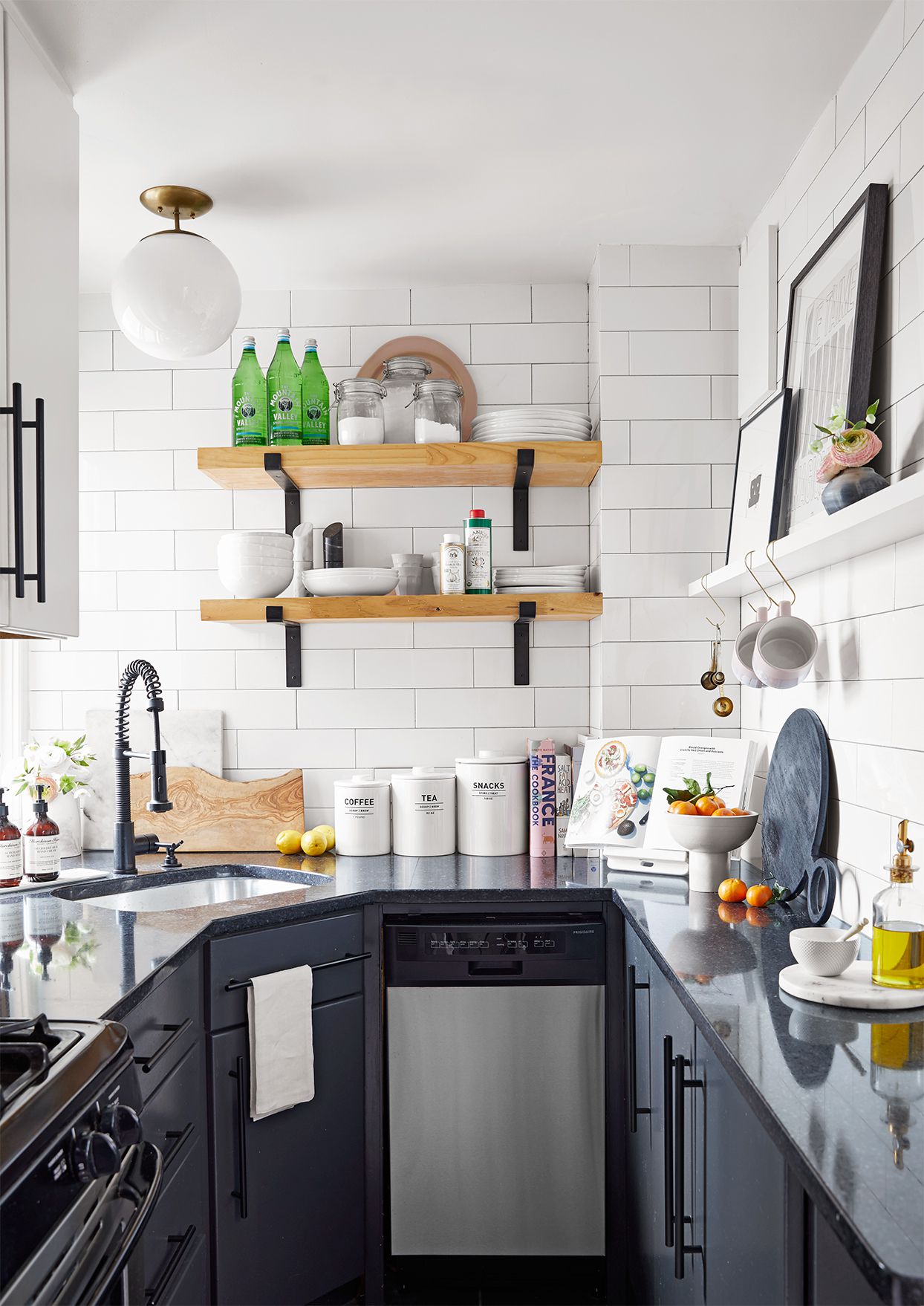
When floor space is scarce, walls become prime real estate. Floating shelves, tall bookcases, wall-mounted cabinets, and ladder shelves can add serious storage without making a room feel crowded. The trick is to place everyday items within easy reach and reserve higher shelves for things you use less often.
In a living room, vertical shelves can hold books, baskets, plants, games, or decorative boxes. In a kitchen, they can store dishes, jars, mugs, or spices. In a bedroom, they can replace a bulky nightstand. Going vertical also draws the eye upward, which can make a small room feel taller and more open.
3. Use the Back of Every Door
The backs of doors are some of the most underused storage spaces in the home. Over-the-door organizers, adhesive hooks, hanging racks, and slim baskets can hold cleaning supplies, hair tools, scarves, hats, pantry items, craft supplies, or bathroom products.
Do not stop at room doors. Cabinet doors are useful too. Add a rack inside a kitchen cabinet for cutting boards, foil, wraps, or pot lids. Use hooks inside a bathroom vanity door for a hair dryer or brush. In small spaces, “out of sight but easy to reach” is the sweet spot.
4. Add Under-Bed Storage That Actually Works
The space under the bed is too valuable to waste on dust bunnies and the single sock that escaped in 2021. Use low-profile bins, zippered fabric bags, rolling drawers, or lidded boxes to store off-season clothing, spare bedding, shoes, keepsakes, or bulky sweaters.
Choose clear containers if you want to see contents quickly, or use labeled fabric bins if the bed is high enough that storage is visible. Avoid storing snacks or anything that could attract pests. Under-bed storage is best for items you need occasionally, not things you reach for every morning.
5. Choose Furniture With Hidden Storage
In a small home, furniture should not just sit there looking pretty. It should work. Storage ottomans, benches with lift-up lids, beds with drawers, coffee tables with shelves, and sofas with built-in compartments can hide clutter while keeping the room comfortable.
A storage bench at the end of a bed can hold linens, workout gear, or extra pillows. An ottoman can stash blankets, toys, or board games. A coffee table with drawers can hide remotes, coasters, and chargers. This kind of hidden storage is especially helpful in open-plan spaces where visual clutter can make the entire home feel messy.
6. Turn Awkward Corners Into Useful Zones
Small homes often have odd little corners that seem too narrow, too shallow, or too inconvenient for regular furniture. Instead of ignoring them, give them a job. Add a corner shelf, a slim rolling cart, a triangular desk, or a tall plant stand that doubles as storage.
An awkward corner in the kitchen can become a coffee station. A living room corner can hold books and baskets. A bedroom corner can become a mini vanity with a wall mirror and floating shelf. The key is to match the storage to the shape of the space instead of forcing oversized furniture into it.
7. Use Baskets to Make Open Storage Look Intentional
Open shelves can be beautiful, but they can also become a public exhibition of clutter. Baskets solve that problem quickly. Use matching or coordinated baskets to store items that are useful but not display-worthy, such as charging cords, pet supplies, winter hats, toys, cleaning cloths, or paperwork.
Natural woven baskets add warmth, fabric bins create a softer look, and wire baskets work well for items you want to see at a glance. For the cleanest effect, choose a consistent color palette. Your shelves will look designed rather than desperate.
8. Try a Rolling Cart for Flexible Storage
A rolling cart is one of the most useful small space storage solutions because it can move wherever it is needed. Use one as a bathroom organizer, craft station, nightstand, coffee bar, office supply hub, laundry helper, or kitchen overflow shelf.
In a tiny kitchen, a cart can hold spices, oils, cutting boards, or small appliances. In a studio apartment, it can shift from work mode to dinner mode to hobby mode with one gentle push. Choose a cart with multiple tiers and wheels that lock, so it stays put when you want it to behave.
9. Install Pegboards in Kitchens, Offices, and Craft Areas
Pegboards are no longer just for garages. They are customizable, affordable, and surprisingly stylish when done well. A pegboard can hold utensils, pans, scissors, tape, headphones, baskets, small shelves, keys, and tools.
In a small kitchen, a pegboard frees up drawer and counter space. In a home office, it keeps supplies visible without cluttering the desk. In a craft area, it prevents the classic “I know I own glue sticks, but where?” crisis. Paint the pegboard to match the wall for a subtle look, or use it as a design feature with a bold color.
10. Add Shelf Risers Inside Cabinets
Many cabinets waste vertical space because items sit in one flat layer. Shelf risers instantly double usable space by creating a second level for plates, bowls, mugs, pantry goods, skincare, or cleaning supplies.
Use risers in kitchen cabinets to separate dinner plates from salad plates. Place them in a pantry to keep cans visible. Add them under the bathroom sink to separate toiletries from cleaning products. They are small, inexpensive, and surprisingly powerful for reducing cabinet chaos.
11. Make the Most of Under-Sink Storage
The cabinet under the sink is often a confusing cave filled with pipes, sprays, sponges, and mystery bottles. To organize it, work around the plumbing instead of fighting it. Use stackable drawers, small bins, tension rods, lazy Susans, or narrow caddies.
Group cleaning products by task: dishwashing, surface cleaning, trash bags, sponges, and backup supplies. Keep the items you use most often near the front. If you have children or pets, make sure cleaning products are secured safely and stored according to label instructions.
12. Use Clear Containers Where Visibility Matters
Clear containers are especially helpful in pantries, bathrooms, closets, and under-bed storage because they let you see what you own. That means fewer duplicate purchases and fewer moments of buying batteries only to find twelve batteries later in a drawer.
Use clear bins for snacks, toiletries, medicine cabinet categories, office supplies, and small toys. In the pantry, clear containers can make dry goods look neat and easy to scan. Just remember: decanting every single item into matching jars is optional. Organization should help your life, not become a second job with prettier labels.
13. Label Storage So Systems Stay Organized
Labels may seem like a small detail, but they are what keep a storage system from collapsing after one busy week. Labels tell everyone in the home where things go, which is helpful if you live with family, roommates, or one person who believes “near the shelf” is the same as “on the shelf.”
Use labels on bins, drawers, baskets, pantry containers, closet shelves, and office files. Keep wording simple: “Tools,” “Pet Supplies,” “Winter Gear,” “Chargers,” “Cleaning,” or “Returns.” The easier the label is to understand, the more likely the system will survive real life.
14. Replace Bulky Nightstands With Slim Storage
Small bedrooms often suffer from furniture that is too wide for the room. Instead of a bulky nightstand, try a narrow chest, a floating shelf, a wall-mounted cubby, or a small dresser that offers both surface space and drawers.
Wall sconces can also free up tabletop space by replacing lamps. Add a bedside basket for books or blankets, and use a charging tray to control cables. The goal is to keep bedtime essentials nearby without turning the nightstand into a snack-and-receipt museum.
15. Use Suitcases as Off-Season Storage
Empty suitcases take up space, so make them earn their keep. Store off-season clothing, travel accessories, spare bedding, ski gear, beach towels, or bulky sweaters inside luggage when you are not traveling.
This trick costs nothing and works especially well for small apartments with limited closets. Add a simple luggage tag or note inside the suitcase so you remember what is stored there. Otherwise, you may open it before a trip and discover that your carry-on has quietly become a sweater vault.
16. Turn a Closet Into a Mini Office or Utility Zone
If you have a closet that is not serving you well, consider giving it a new purpose. A shallow closet can become a compact home office, pantry overflow area, craft station, cleaning closet, or linen hub.
Install a small desktop, shelves, lighting, and wall organizers to create a hidden workstation. When work is done, close the doors and enjoy a clutter-free room. This idea is especially useful in studio apartments where one room has to function as bedroom, office, living room, and occasional yoga studio.
17. Build Storage Into Stairs, Benches, and Nooks
If you own your home or are planning a renovation, built-in storage can transform small spaces. Drawers under stairs, benches with cubbies, recessed bathroom shelves, platform beds, banquettes with hidden compartments, and built-in bookcases all use space that might otherwise go untouched.
Built-ins can be more expensive than freestanding storage, but they often look cleaner and use awkward areas more efficiently. In a small dining nook, a built-in bench can hide table linens, holiday dishes, or board games. Under stairs, drawers can hold shoes, pet supplies, tools, or seasonal decor.
18. Edit Regularly With the One-In, One-Out Rule
The most creative storage system in the world cannot save a home from unlimited stuff. Regular editing is essential. Try the one-in, one-out rule: when something new comes in, something similar leaves. Buy a new sweater, donate one you no longer wear. Bring home new mugs, let go of the chipped ones lurking in the back.
Schedule a quick reset every few months. Check closets, bathroom products, pantry goods, paperwork, and junk drawers. This habit keeps small spaces from slowly filling back up and helps you stay aware of what you actually use.
Room-by-Room Small Space Storage Tips
Small Kitchen Storage Ideas
In a compact kitchen, prioritize wall space, cabinet interiors, and countertop control. Add rails or hooks for utensils, use shelf risers for dishes, install magnetic strips for knives, and store occasional appliances outside the main prep zone. A rolling cart can become a portable pantry or baking station.
Small Bathroom Storage Ideas
Bathrooms need storage that handles tiny items without creating visual clutter. Use drawer dividers for cosmetics, hooks for towels, over-the-door racks for robes, and stackable drawers under the sink. Keep daily products accessible and move backup supplies to labeled bins.
Small Bedroom Storage Ideas
Bedrooms should feel restful, so avoid letting visible clutter pile up. Use under-bed bins, storage benches, wall-mounted lighting, slim dressers, and closet dividers. If the closet is tiny, rotate seasonal clothing and store rarely used items higher up or in luggage.
Small Living Room Storage Ideas
Choose double-duty furniture, such as ottomans, coffee tables with drawers, and media consoles with closed storage. Use baskets for throws, toys, or tech accessories. Floating shelves can add display space without crowding the floor.
Common Small Space Storage Mistakes to Avoid
One common mistake is buying organizers before decluttering. If you organize items you do not need, you are simply giving clutter a nicer apartment. Start by editing, then measure your space, then buy storage that fits the items you are keeping.
Another mistake is using containers that are too deep. Deep bins can hide items at the bottom, making it harder to find what you need. For daily-use areas, shallow bins, drawers, or divided containers usually work better.
Finally, avoid filling every visible surface. A small room needs breathing room. Leave some open space on shelves, counters, and tabletops. Negative space is not wasted space; it is what keeps your home from feeling like a storage unit with curtains.
Experience-Based Tips: What Actually Works in Real Small Spaces
After working with small-space organization ideas, one lesson becomes clear: the best system is the one you can maintain on a tired Tuesday night. A beautiful storage plan that requires folding every towel into a hotel-perfect rectangle may look impressive for three days, but if it does not match your habits, it will fail quietly and dramatically.
The most useful experience-based approach is to organize by behavior, not by fantasy. For example, if you always drop your keys on the kitchen counter, do not create a key station inside a closet across the room. Put a small tray or hook exactly where your hand naturally lands. If shoes pile up by the door, add a shoe basket there instead of pretending everyone will walk to the bedroom closet. Storage should meet people where they already are.
Another practical tip is to keep daily-use items visible but contained. In small spaces, hiding everything can backfire because you may forget what you own or stop using the system. A basket on a shelf, a labeled drawer, or a clear bin gives items boundaries without making them hard to access. This is especially helpful for children, roommates, and busy households.
It also helps to create “reset zones.” These are small areas that can be cleaned in five minutes: the entryway, the kitchen counter, the bathroom sink, the nightstand, and the main living room surface. When these zones are clear, the whole home feels calmer, even if one closet is still negotiating peace terms with your winter coats.
For renters, removable storage is your best friend. Adhesive hooks, tension rods, freestanding shelves, over-the-door organizers, rolling carts, and furniture with hidden compartments can add storage without damaging walls or upsetting a landlord. Always check weight limits, especially with adhesive products, because gravity has no respect for your organizing goals.
One surprisingly effective habit is keeping a small donation bag or box in a closet. Whenever you try on something that no longer fits, find a duplicate kitchen tool, or notice an item you never use, place it in the bag immediately. When the bag is full, donate it. This prevents decluttering from becoming a huge weekend event that requires emotional stamina and three playlists.
Finally, remember that small-space organization is not about owning less than everyone else. It is about owning what supports your life and storing it in a way that makes your home easier to live in. Your space should not scold you every time you walk in. It should welcome you, help you find your keys, and maybe even let you open a closet without protective eyewear.
Conclusion
Getting organized in a small space is not about magic. It is about noticing unused areas, choosing flexible storage, and creating systems that match real life. When you use walls, doors, under-bed space, baskets, labels, built-ins, and double-duty furniture wisely, even a compact home can feel open, efficient, and surprisingly calm.
Start with one problem area instead of the whole home. Fix the entryway, organize the under-sink cabinet, or add storage beneath the bed. Small wins build momentum. Before long, your home will feel less like a puzzle box and more like a place where everything finally knows where to go.