CBD has gone from “Wait, what is that?” to “Why is it in my sparkling water, face cream, dog treats, protein bar, pillow spray, and possibly the office printer?” in what feels like one very enthusiastic business quarter. For manufacturers, retailers, distributors, wholesalers, insurance agents, and risk managers, that explosive popularity creates a serious question: when a CBD product allegedly causes harm, who is responsible?
The answer is not as relaxing as the marketing copy on many CBD labels. Product liability in the CBD industry sits at the messy intersection of consumer safety, federal regulation, state-by-state cannabis rules, advertising law, supply-chain documentation, insurance coverage, and plain old common sense. In other words, it is not enough for a company to say, “Our product is hemp-derived, so we are good.” That is like putting a tiny umbrella over a warehouse fire and calling it weatherproofing.
This guide breaks down what businesses and insurance professionals need to know about CBD product liability, why the risks are unusually complicated, and how companies can reduce exposure without pretending CBD is either magic fairy dust or radioactive soup. The truth is more practical: CBD is a fast-moving consumer product category with real demand, real uncertainty, and very real legal consequences when labels, claims, testing, or coverage fall short.
What Is CBD, and Why Does Product Liability Matter?
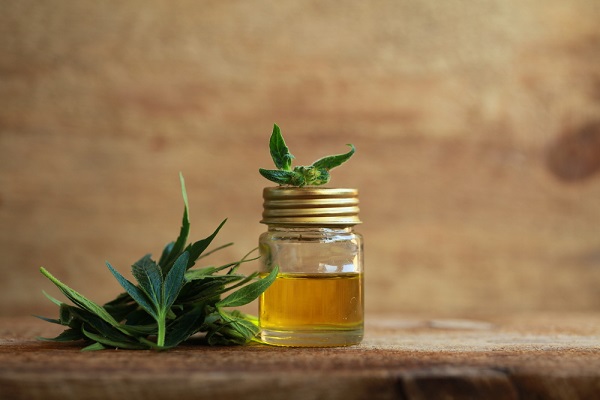
CBD, short for cannabidiol, is a compound found in the cannabis plant. It is commonly associated with hemp-derived products, especially since federal hemp laws opened the door for broader cultivation and distribution of hemp products. CBD is different from delta-9 THC, the cannabis compound most associated with intoxicating effects. However, “different from THC” does not automatically mean “risk-free,” “approved for every use,” or “immune from lawsuits.”
Product liability matters because CBD products are often sold as oils, tinctures, gummies, beverages, lotions, capsules, topicals, cosmetics, pet products, and other consumer goods. When a product enters the stream of commerce, the business behind it may face claims if the product is alleged to be defective, mislabeled, contaminated, improperly marketed, or sold without adequate warnings.
A CBD company does not have to be a giant national brand to face product liability exposure. A small retailer, private-label seller, online store, distributor, contract manufacturer, or local wellness shop can be pulled into a dispute. If the product touched the business at some point before reaching the customer, that business may need to defend itself. Lawsuits, like glitter, have a way of spreading.
The Regulatory Problem: Hemp Is Legal, But Not Everything Is Simple
One of the biggest misunderstandings about CBD is the idea that the 2018 Farm Bill made every CBD product automatically legal. It did not. The law removed hemp from the federal Controlled Substances Act definition of marijuana if the plant and its derivatives meet the applicable THC threshold. But FDA rules, state laws, labeling requirements, advertising standards, and product-specific regulations still matter.
The FDA has approved one prescription CBD drug, Epidiolex, for specific seizure disorders. That approval does not mean the agency has approved over-the-counter CBD gummies, drinks, supplements, snacks, or lotions for medical uses. In fact, federal regulators have repeatedly warned companies about making unsupported health claims, especially claims that CBD can treat, cure, or prevent serious diseases.
For product liability, this creates a powerful risk triangle:
- Regulatory uncertainty makes compliance harder.
- Marketing enthusiasm tempts brands to overpromise.
- Consumer injury claims can turn weak documentation into expensive litigation.
That triangle is not the kind you want on your company vision board.
Common CBD Product Liability Claims
CBD product liability claims generally fall into several familiar categories, but CBD adds its own special seasoning. The most common theories include defective design, manufacturing defect, failure to warn, mislabeling, contamination, breach of warranty, false advertising, and negligence.
1. Mislabeling and Inaccurate Potency
Label accuracy is one of the most important CBD liability issues. A product may state that it contains a certain amount of CBD, but testing may show more, less, or none at all. In some cases, products may contain unexpected THC or other cannabinoids. That can create major problems for consumers, especially workers subject to drug testing, people avoiding intoxicating substances, or customers who relied on the label when choosing the product.
For a business, inaccurate labeling can create claims for economic loss, personal injury, consumer fraud, regulatory violations, and reputational damage. A label is not decorative wallpaper. It is a promise, a warning, and a legal document wearing a nice font.
2. Contamination
CBD products can be vulnerable to contamination if hemp is grown, extracted, processed, packaged, or stored improperly. Potential contaminants may include pesticides, heavy metals, residual solvents, mold, bacteria, or other unwanted substances. Because hemp can absorb substances from soil, supply-chain control is especially important.
From a product liability standpoint, contamination claims can be severe because they raise questions about manufacturing practices, ingredient sourcing, testing protocols, supplier audits, and batch records. If a company cannot prove what was in the product and where it came from, the courtroom conversation can become painfully short.
3. Unsupported Health Claims
CBD marketing often drifts into risky territory. Words like “supports,” “promotes,” and “helps” may sound harmless, but claims that a product treats anxiety, cancer, Alzheimer’s disease, chronic pain, autism, COVID-19, insomnia, or other medical conditions can trigger regulatory scrutiny and legal exposure if they are not supported by competent scientific evidence and lawful approval.
The FTC focuses on advertising that is deceptive or unsupported. The FDA focuses on product safety, labeling, drug claims, and regulatory status. Plaintiffs’ lawyers focus on anything that looks like a company promised the moon and delivered a jar of expensive lawn clippings. Businesses should assume that website copy, social media posts, influencer scripts, product inserts, email campaigns, testimonials, and even hashtags may be reviewed after a claim.
4. Failure to Warn
A failure-to-warn claim argues that the seller did not provide adequate instructions, cautions, or risk information. With CBD, warnings may involve possible drug interactions, use by pregnant or breastfeeding individuals, serving size confusion, THC content, allergens, age restrictions, impairment concerns for products containing intoxicating cannabinoids, and instructions for safe storage away from children and pets.
Even when a company believes its product is mild, a court may ask whether the average consumer received enough information to make a safe decision. A warning hidden in microscopic print under a shiny leaf logo may not impress anyone except the graphic designer’s optometrist.
5. Child-Friendly Packaging and Accidental Exposure
CBD and hemp-derived cannabinoid products packaged like candy, snacks, or colorful beverages can create heightened liability concerns. Regulators have taken action against products that resemble popular foods or appear attractive to children. Even when a product is intended for adults, packaging choices can invite claims that the seller failed to reduce foreseeable risk.
Businesses should be especially careful with gummies, chocolates, drinks, and any product that could be confused with ordinary treats. Packaging should make the product identity clear and avoid copycat designs, cartoonish appeal, or branding that looks like it escaped from a lunchbox.
Why Insurance Coverage for CBD Can Be Tricky
CBD businesses often assume that a general liability policy automatically covers product claims. Sometimes it may. Sometimes it may not. The details depend on the policy language, exclusions, endorsements, carrier appetite, product type, business operations, jurisdiction, and whether the insurer was fully informed about the CBD exposure.
Insurance carriers may treat CBD differently from ordinary consumer products because cannabis-related risks remain complex under federal and state law. Some policies may exclude cannabis, controlled substances, health hazards, ingestible products, vape products, nutraceuticals, supplements, or specific cannabinoid exposures. Others may offer coverage but require strict underwriting information, product testing, certificates of analysis, recall plans, quality control procedures, and accurate sales descriptions.
For insurance agents, the CBD market is an opportunity and a trapdoor. Clients need knowledgeable guidance, not a quick quote followed by a surprise exclusion. Agents should ask what the business sells, how products are used, whether items are ingestible or topical, where ingredients are sourced, who manufactures the product, what claims are made, what states products enter, and whether the company has batch-level testing records.
The most expensive insurance mistake is not always buying the wrong policy. Sometimes it is failing to tell the insurer what the business actually does. “Wellness products” is not a complete description if the shelves are full of CBD tinctures, infused beverages, and gummies shaped like cheerful little liability grenades.
Who Can Be Liable in the CBD Supply Chain?
CBD product liability does not stop at the brand name on the bottle. Responsibility may extend across the supply chain, including:
- Hemp growers
- Extractors and processors
- Ingredient suppliers
- Contract manufacturers
- Private-label brands
- Packaging companies
- Distributors and wholesalers
- Retailers and e-commerce sellers
- Marketing agencies or influencers in some claim scenarios
A retailer may argue that it only sold the product, but many state product liability laws can still involve sellers in the chain of distribution. A private-label brand may not manufacture the product in-house, but if its name is on the label, it can become a primary target. A distributor may never touch the formula, but it may still face questions about supplier vetting and documentation.
In short, “we did not make it” is helpful, but it is not a force field.
Risk Management Best Practices for CBD Businesses
CBD companies cannot eliminate every risk, but they can make themselves much harder to sue successfully. Good risk management is not glamorous, but neither is explaining to a judge that your batch records are “probably in somebody’s inbox.”
Use Batch-Level Testing
Every batch should be tested by a qualified independent laboratory. Testing should verify CBD concentration, THC levels, and potential contaminants. Certificates of analysis should match the exact batch or lot number, not a vague product family from six months ago. Documentation should be retained and easy to retrieve.
Review Labels Like a Lawyer Will Read Them
Labels should accurately state ingredients, cannabinoid content, warnings, allergens, instructions, manufacturer or distributor information, batch numbers, and other required details. Avoid medical claims unless the product is legally approved for that use. Also avoid vague claims that imply a medical benefit without saying it directly. Regulators and plaintiffs’ attorneys can read between the lines. They have had practice.
Control Marketing Claims
Marketing should be reviewed across every channel: websites, Amazon-style product pages, social media, influencer content, brochures, email newsletters, retail displays, QR-code landing pages, and customer testimonials. A company can create liability through a repost, a customer quote, or a “studies show” claim that is not tied to lawful and adequate substantiation.
Strengthen Supplier Contracts
Contracts should define product specifications, testing duties, indemnification, insurance requirements, recall obligations, documentation access, and compliance responsibilities. Businesses should collect certificates of insurance from suppliers and confirm that CBD or hemp-derived products are not excluded.
Create a Recall and Complaint Plan
A company should know what it will do if a product is mislabeled, contaminated, or associated with adverse events. A recall plan should include decision-makers, customer notification procedures, regulator communication steps, inventory controls, public messaging, and documentation protocols. Waiting until a crisis to create a recall plan is like shopping for smoke alarms while the kitchen is already on fire.
Specific Examples of CBD Liability Exposure
Consider a CBD beverage company that labels each can as “THC-free.” A customer later fails a workplace drug test and claims the product contained THC. If batch testing is missing, outdated, or inconsistent with the product lot, the company may face a difficult defense.
Now imagine a topical CBD cream marketed online as helping arthritis pain. A customer claims they delayed medical treatment because they relied on the company’s statements. Even if the injury claim is disputed, the marketing language may create regulatory and litigation problems.
Or picture a private-label CBD gummy brand that buys finished products from a contract manufacturer. The gummies are later found to contain contaminants. The brand argues that the manufacturer is responsible. The plaintiff argues that the brand put its name on the package and sold the product. Both may end up in the lawsuit, and their contract will suddenly become the most popular document in the room.
What Insurance Agents Should Ask CBD Clients
Insurance agents working with CBD clients should take a detailed, curious approach. A quick application may not capture the true exposure. Useful questions include:
- What exact products are sold?
- Are products ingestible, topical, inhalable, cosmetic, pet-related, or beverage-based?
- Who manufactures the products?
- Are products private-label or white-label?
- Are batch-level certificates of analysis available?
- What claims are made on labels, websites, and social media?
- Which states receive the products?
- Are any products sold through online marketplaces?
- Does the company have recall procedures?
- Do supplier contracts include indemnity and insurance requirements?
These questions do more than help secure coverage. They help the client understand its own risk. A good insurance conversation can function like a business physical: slightly uncomfortable, extremely useful, and much better before symptoms appear.
Final Takeaway: CBD Opportunity Comes With CBD Accountability
The CBD market offers real commercial opportunity, but product liability risk is not a footnote. It is part of the business model. Companies selling CBD products must understand that consumer trust depends on accurate labels, careful testing, responsible marketing, strong contracts, and insurance coverage that actually matches the exposure.
For businesses, the smartest approach is to treat CBD like a serious regulated consumer product, not a trend with a barcode. For insurance agents, the goal is to help clients identify risks before a claim, not after the denial letter arrives wearing tap shoes. For consumers, the broader lesson is simple: labels, testing, and transparency matter.
CBD may be marketed with soft colors, peaceful fonts, and enough botanical imagery to make a garden center jealous. But behind every bottle, gummy, cream, and beverage is a serious product liability question: can the company prove the product is what it says it is, does what it lawfully claims, and was sold with appropriate warnings? If the answer is yes, the business is in a stronger position. If the answer is no, the calm branding may not be enough to keep the storm away.
Experience Notes: What CBD Product Liability Looks Like in the Real World
In practical business settings, CBD product liability usually becomes visible before a lawsuit is filed. The warning signs often appear during ordinary conversations: an insurance application that asks whether products contain cannabis or hemp-derived ingredients, a retailer requesting updated certificates of analysis, a distributor asking for indemnification language, or a customer service email reporting an unexpected reaction. These moments may seem routine, but they are often the early warning lights on the dashboard.
One common experience among CBD businesses is documentation chaos. A founder may have strong relationships with suppliers and sincere confidence in the product, but confidence is not the same as evidence. When a retailer, insurer, regulator, or plaintiff asks for batch records, the company must produce organized proof. That means the certificate of analysis should match the exact lot, the label should match the certificate, the ingredient list should match the formula, and the formula should match what was actually manufactured. If those records live in five different inboxes, two spreadsheets, and someone’s memory, the business has a problem.
Another real-world issue is marketing creep. A company may begin with careful language such as “made with hemp-derived CBD,” then slowly drift into stronger claims because competitors sound bolder. A social media caption says the product “melts stress.” A customer testimonial claims it “replaced medication.” An influencer calls it “a natural cure.” Nobody inside the company thinks of those words as legal risk until a complaint arrives. At that point, the marketing archive becomes evidence, and the cheerful Instagram post suddenly looks less cheerful.
Insurance experiences can be equally surprising. Some business owners assume product liability coverage is included because they bought a general liability policy. Later they discover an exclusion for cannabis-related products, ingestible items, health claims, controlled substances, or products sold outside declared operations. The lesson is simple but often learned late: coverage should be confirmed in writing, and the insurer should know exactly what the business sells. Vague descriptions may make the application easier, but they can make claim handling much harder.
Retailers also have practical exposure. A shop that sells third-party CBD products may believe liability belongs only to the manufacturer. But customers usually sue the parties they can identify, and the retailer is often the easiest target. Retailers should keep supplier agreements, product invoices, recall notices, certificates of analysis, and proof that they did not alter labels or repackage products. They should also train staff not to make casual medical claims at the counter. A sentence like “People use this for serious pain” may feel like friendly conversation, but in a dispute, it can sound like an unauthorized health claim with a receipt attached.
The best real-world CBD operators tend to share a few habits. They document everything, test consistently, avoid exaggerated claims, review labels carefully, work with specialized insurance professionals, and update compliance practices as laws change. They do not treat risk management as paperwork for nervous people. They treat it as part of product quality. In the CBD industry, that mindset is not boring. It is survival with a filing system.
Note: This article is for general educational and publishing purposes only. It is not legal, medical, insurance, or regulatory advice. CBD businesses, retailers, and insurance professionals should consult qualified legal counsel, compliance specialists, and licensed insurance advisors before making decisions.