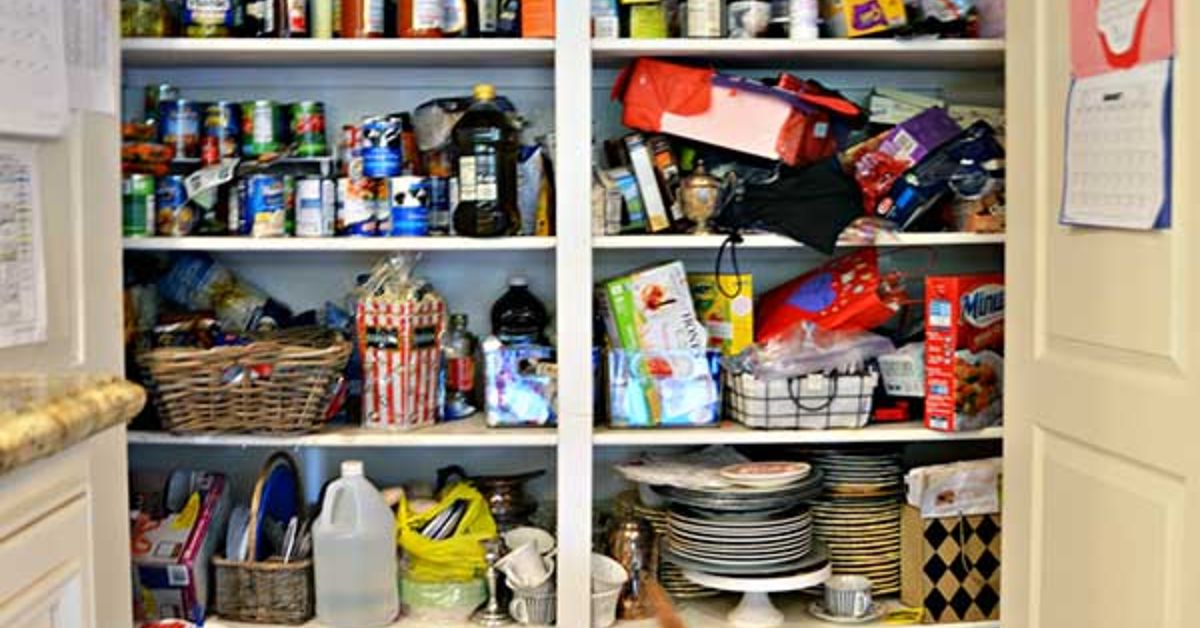
My pantry used to look like a tiny tornado had learned how to open snack boxes. Pasta leaned against cereal. Half-empty bags of rice behaved like they paid rent. Spices vanished into the shadows, only to reappear three months later beside a mystery can of pumpkin. It was not a pantry. It was a suspense film.
Then I found my new favorite product: clear, airtight, stackable pantry containers. Not a fancy smart gadget. Not a designer shelf with a name that sounds like a Scandinavian jazz band. Just simple containers that let me see what I had, stack it neatly, and keep dry goods fresher and protected from humidity, crumbs, and pantry pests.
This pantry makeover before and after story is about more than a prettier shelf. It is about making the kitchen easier to use every single day. A smart pantry makeover can help reduce food waste, simplify meal prep, and stop you from buying your fourth bag of quinoa because you “thought you were out.” If you are ready for a practical pantry organization upgrade that looks good and works hard, welcome to the snack-side.
Why This One Product Changed Everything
There are plenty of pantry organization ideas floating around the internet, and many of them are helpful. Labels matter. Bins matter. Shelf risers matter. But if I had to choose one product that made the biggest difference, it would be airtight containers.
Why? Because they solve several problems at once:
- They replace bulky packaging that wastes shelf space.
- They create visual order because you can see what is inside at a glance.
- They stack neatly, which makes vertical storage more efficient.
- They help protect dry goods from moisture and stale air.
- They make labels more useful because every container becomes a designated home.
That last point matters more than people think. A beautiful pantry is nice. A pantry that helps you find breadcrumbs in three seconds on a busy weeknight is better. The goal is not to create a showroom. The goal is to create a system you can maintain without needing a personal assistant and a ring light.
Before the Makeover: What My Pantry Was Doing Wrong
Before the makeover, my pantry had all the classic trouble signs. If your shelves currently resemble a grocery cart after a sharp turn, you may recognize a few of these:
1. Too Much Original Packaging
Manufacturer boxes and bags are often awkwardly shaped, half-crushed, or impossible to stack. They take up more room than necessary and make shelves look chaotic fast.
2. No Clear Categories
Crackers with baking supplies. Pasta with breakfast oats. Random sauce packets floating around like confetti from a very strange party. When similar items are not grouped together, shopping, cooking, and restocking all become harder.
3. Wasted Vertical Space
Deep shelves and tall shelves are wonderful in theory. In real life, they can become black holes where canned beans disappear and duplicate purchases are born.
4. Little Visibility
If you cannot see it, you probably will not use it. That is how food expires quietly in the back while you keep buying the same things again and again.
5. A System Based on Hope
The old method was essentially, “I’ll remember where I put that.” Reader, I did not.
The Pantry Makeover Game Plan
A good pantry makeover before and after does not begin with shopping. It begins with a full reset. That means taking everything out. Yes, everything. It is mildly dramatic, but deeply effective.
Step 1: Empty the Pantry Completely
Pull every can, bag, jar, box, and rogue granola bar out onto the counter. This is the only way to see what you actually own. It is also the moment when many of us discover duplicate cinnamon, expired cake mix, and a concerning number of open chip bags.
Step 2: Toss, Donate, or Relocate
Throw away expired, stale, or clearly unusable foods. Donate unopened items you know you will not use. Move anything that never belonged in the pantry in the first place. This step is where clutter starts losing the fight.
Step 3: Clean the Shelves
Wipe down shelves, corners, and doors. A clean pantry is easier to maintain and far less welcoming to crumbs, dust, and pests. It also makes the “after” feel dramatically more satisfying.
Step 4: Sort by Zone
I grouped my pantry into simple, real-life categories:
- Breakfast
- Baking supplies
- Pasta, rice, and grains
- Canned goods
- Snacks
- Oils and condiments
- Backstock and bulk items
This is where pantry organization becomes personal. The best pantry setup is based on how your household actually cooks and eats. If your family demolishes cereal and popcorn like it is an Olympic event, those categories deserve prime real estate.
Step 5: Decant the Right Dry Goods
This is where my favorite product stepped in. I transferred flour, sugar, rice, oats, pasta, beans, cereal, nuts, breadcrumbs, and baking staples into clear airtight containers. Instantly, the shelves looked calmer, taller, cleaner, and much easier to scan.
Not everything needs decanting. Some items do just fine in their original packaging, especially sealed cans, jars, and products with important cooking instructions. But for dry goods that come in floppy bags or messy boxes, containers are a game changer.
Step 6: Label Like a Sensible Person
I am pro-label, but not in an “every raisin gets a museum plaque” kind of way. Wide categories work best. Think snacks, baking, grains, and breakfast. Labels should help everyone in the household put things back where they belong, not make them feel like they need a user manual.
Step 7: Use the Shelf Like a Grocery Store
Frequently used items go at eye level. Heavy items go lower. Backstock goes up high or into bins. Cans get lined up where they can be seen. Small packets and mixes go into bins so they stop sliding around like they are trying to escape.
After the Makeover: What the Pantry Looks Like Now
The “after” is not just prettier. It is quieter. The shelves feel intentional. I can open the pantry and actually understand what I own. Meal prep is easier because ingredients are visible. Grocery shopping is smarter because I can tell when I am low on rice or pasta without conducting a mini excavation.
Here is what changed in the biggest way:
- Dry goods are easy to spot. No more guessing which half-open bag contains panko and which one contains cereal dust.
- Snack zones are controlled. Instead of random chip bags falling out, snacks now live in designated bins.
- Canned goods are easier to rotate. Older items stay in front, newer items go behind.
- Bulk buying makes sense now. Backstock has a home, so duplicates are purposeful instead of accidental.
- The pantry actually stays organized. That may be the biggest win of all.
This is the secret many “before and after” photos do not mention: maintenance depends on whether the setup makes sense. When every item has a home and that home is visible, order becomes far easier to keep.
Best Items to Store in Airtight Pantry Containers
If you are inspired to try this pantry makeover idea, start with the foods that benefit most from better containment and visibility.
Great candidates for containers:
- Flour
- Sugar and brown sugar
- Rice
- Dried beans
- Pasta
- Oats
- Cereal
- Nuts and seeds
- Breadcrumbs
- Baking mixes
- Snack crackers
Usually fine in original packaging:
- Canned goods
- Jarred sauces
- Sealed condiments
- Products with detailed instructions you use often
- Items you will finish quickly
One smart compromise is to cut out cooking directions or expiration information from original packaging and tuck it into the container or tape it underneath. That way you get the clean look without losing useful details.
What Else Helped the Makeover Look Professional
My favorite product did the heavy lifting, but a few supporting players deserve applause too.
Clear Bins
Bins are perfect for categories with lots of small packages, such as snack bars, seasoning packets, hot cocoa, or baking decorations. They keep little items from spreading chaos like they are auditioning for it.
Shelf Risers
Risers make canned goods and short jars easier to see. Without them, the back row turns into pantry witness protection.
Lazy Susans
Turntables are excellent for oils, vinegars, sauces, nut butters, and similar items. Instead of moving five bottles to reach one, you just spin and grab.
Over-the-Door Storage
If your pantry door allows it, use the inside for lightweight items like wraps, spices, or small snacks. It is an easy way to create more room without adding bulk.
Simple Labels
Even handwritten labels work. The point is clarity, not calligraphy. No one has ever cooked dinner faster because the flour label looked expensive.
Food Safety and Freshness Tips That Matter
A pantry makeover should not focus only on looks. It should also help support safer storage habits and better food quality.
- Store shelf-stable foods in a cool, dry, dark place whenever possible.
- Keep dry goods sealed and covered to help protect them from humidity, spills, and pests.
- Check package dates and use a first in, first out system so older items get used first.
- Keep the pantry clean and wipe spills quickly, especially flour, grains, and sugar.
- Avoid placing food near heat sources if you can help it. Warm spots can shorten quality life.
In other words, the best pantry makeover before and after is not just a visual transformation. It is a better storage system. Beauty is nice. Better habits are nicer.
Common Pantry Makeover Mistakes to Avoid
Buying organizers before measuring
This is how people end up with bins that fit exactly nowhere. Measure first. Shop second. Regret less.
Creating too many micro-categories
If your pantry has separate labels for “crispy snacks,” “salty snacks,” and “emotion-support snacks,” it may be time to zoom out. Keep categories broad enough to stay practical.
Using storage that wastes space
Not every pretty container is useful. Choose shapes that stack well and fit your shelves.
Ignoring maintenance
A pantry is a living system. Spend five minutes a week resetting categories, tossing stale items, and returning strays to their zones.
Copying someone else’s pantry too literally
Your home is not an influencer’s set. Organize for your family’s habits, budget, and cooking style. The best pantry is the one that works on a regular Tuesday.
My Honest Take: Is a Pantry Makeover Worth It?
Yes, especially if your current pantry adds friction to daily life. A pantry makeover before and after can make cooking feel easier, reduce food waste, and help your kitchen look more peaceful. And if you start with one strong product, like clear airtight storage containers, the difference can be dramatic without feeling overly complicated.
The best part is that this kind of makeover scales well. You do not need a giant walk-in pantry or a luxury budget. Even a small closet pantry or a few kitchen cabinets can improve with better categories, a handful of containers, and a little strategy.
So if your pantry currently makes you sigh before breakfast, take heart. Mine did too. Then I gave it a reset, a system, and a product that finally made everything click. Now when I open the door, I do not see clutter. I see pasta, snacks, and inner peace stacked in neat rows.
Extra Experience: What Living With This Pantry Makeover Has Actually Been Like
After the makeover, I expected the pantry to look good for about three days and then slowly slide back into its old habits. That would have been the usual pattern: one energetic organizing session, a brief honeymoon period, and then the return of leaning cereal boxes and mystery crumbs. But this time it stuck, and I think that is because the system is genuinely easier to use than the messy version ever was.
The first thing I noticed was how much calmer grocery day felt. Before, unloading groceries was a guessing game. I would hold a box of pasta in one hand, stare into the pantry, and wonder where exactly “pasta” lived this week. Now there is a clear zone for grains and pasta, a snack bin that can be restocked in seconds, and a backstock area that keeps extras from taking over the main shelves. Putting food away feels less like solving a puzzle and more like parking in a clearly marked spot.
I also started cooking with what I already had. That may sound obvious, but it changed the rhythm of the whole kitchen. Because I can see oats, rice, breadcrumbs, nuts, beans, and pasta right away, I remember them. Ingredients that used to disappear into the back of the shelf are now part of regular meals. The pantry stopped being storage and started being a useful tool.
Another surprise was how much my household adapted to the labels. I assumed I would be the only one who cared where things went. Not so. When labels are simple and logical, people follow them. “Snacks” is easier to understand than a random shelf with five half-open boxes. Even guests can find what they need without opening every cabinet like they are on a scavenger hunt.
And yes, the containers still make me happy. That sounds silly, but there is something satisfying about opening the pantry and seeing ingredients lined up neatly instead of stuffed into torn packaging. It feels less wasteful. It feels cleaner. It feels like the room is helping me rather than fighting me. The makeover did not magically turn me into a different person, but it did remove a lot of tiny annoyances that used to pile up every week.
Most of all, the before and after difference taught me that organization works best when it is practical, not precious. I do not baby this pantry. I use it. I reach into it when I am tired, in a hurry, or halfway through dinner. And because the setup is simple, it survives real life. That is the kind of makeover I trust: one that still works when the camera is gone and the snack grabbers are back.