Note: HTML body only, ready for copying and web publishing.
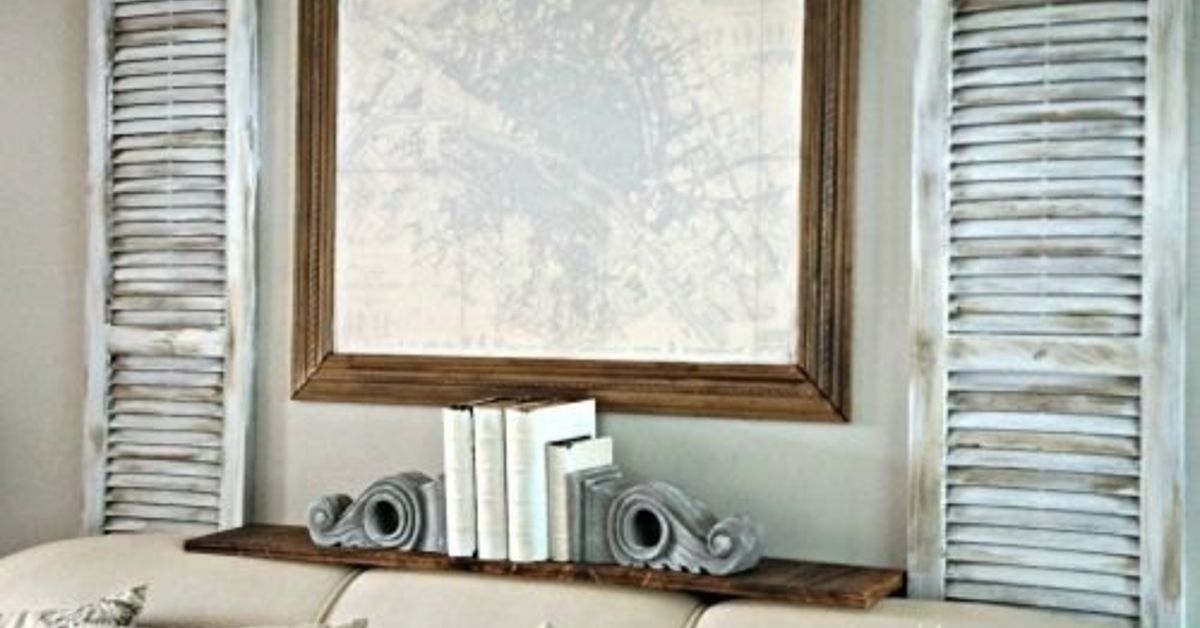
There is a special kind of panic that happens when the wall behind your couch is big, blank, and staring at you like it pays rent. It is too wide for one tiny frame, too important to ignore, and somehow always the first place your eyes land when you walk into the room. That is exactly why faux painted shutters and French rustic accents work so beautifully here. They fill the space with height, texture, and old-world charm without making the room feel fussy, crowded, or like you accidentally moved into a themed bed-and-breakfast.
The magic of this look is simple: French rustic style loves contrast. It mixes weathered wood with elegant curves, soft neutrals with earthy patina, and collected pieces with a comfortable, lived-in feel. In other words, it is polished enough to feel intentional and relaxed enough to survive real life. A pair of faux shutters behind the couch can create that “something is finally happening on this wall” moment, while painted finishes, linen textures, vintage-inspired accents, and muted colors keep the room warm and welcoming.
Whether your living room leans farmhouse, cottage, classic, or gently whispers “I thrift with purpose,” adding faux painted shutters behind the sofa can anchor the room in a way that feels architectural rather than random. Better yet, you do not need a centuries-old stone cottage in Provence. You just need smart scale, a believable finish, and a little restraint. French rustic style is charming, but it does not need to yell.
Why Faux Shutters Work So Well Behind a Couch
The wall behind a sofa needs presence. That is why designers often recommend decor above furniture that feels connected to it instead of floating awkwardly in the stratosphere. Faux shutters solve this problem because they are tall, narrow, and naturally vertical. They help stretch the eye upward, frame the seating area, and add the layered texture that makes a living room feel finished.
They also do something regular wall art does not always do: they bring in architectural character. Even when the shutters are purely decorative, they suggest history. They hint at age, craftsmanship, and collected style. That is a huge win if your couch is modern, simple, or upholstered in a plain neutral. A clean-lined sofa paired with aged-looking shutters feels balanced, not boring.
Another reason they work is flexibility. You can hang two matching shutters side by side, place a mirror or wreath between them, or use them as a backdrop for sconces, framed sketches, or a narrow shelf. They can lean casual and imperfect or more refined and symmetrical. Think of them as the jeans of French rustic wall decor: dependable, flattering, and surprisingly useful.
What French Rustic Style Really Looks Like in a Living Room
French rustic style is often misunderstood as “put a rooster on it and hope for the best.” In reality, it is more nuanced than that. The best rooms in this style balance rustic comfort with subtle elegance. You will usually see warm whites, creamy taupes, dusty blues, muted sages, weathered woods, soft linen, iron accents, florals used with restraint, and pieces that look as if they have lived a full and interesting life.
The overall effect should feel collected and calm. A French rustic living room is not obsessed with perfection. The paint may look softly timeworn. The wood may show grain. The metal may have a dark, aged finish. But none of it feels rough for the sake of being rough. The room still needs softness, order, and enough breathing space that your eye can rest.
Behind the couch, this means your shutters should not be the only thing doing the work. They should support a broader mood created by pillows, throws, side tables, wall color, and accessories. The shutters are the backbone, not the entire personality. No single décor item deserves that kind of pressure.
How to Choose the Right Faux Shutters
Get the Scale Right
Scale is where many good decorating ideas wander off the road. If your shutters are too small, they will look like an afterthought. Too large, and the couch will seem swallowed. A good rule is to make the full arrangement feel visually substantial enough for the sofa below it. If you are styling above a standard three-seat couch, the overall decorative grouping should usually span about two-thirds of the sofa’s width. That might mean two tall shutters with a framed mirror in the center, or a shutter pair flanking a simple wreath or art panel.
Height matters too. The arrangement should feel connected to the couch, not as if it is hovering in a separate zip code. Keep the bottom of the central visual area relatively close to the top of the sofa so the whole composition feels anchored. This is especially important in rooms with high ceilings, where it is tempting to hang everything way too high and create what can only be described as “lonely wall syndrome.”
Pick a Believable Shape and Depth
Faux shutters look best when they resemble something that could have once belonged to an actual house. Go for louvered panels, plank-style shutters, or simple board-and-batten shapes. Avoid anything too chunky, overly ornate, or obviously fake. A shallow profile usually works best behind a couch because it keeps the wall treatment visually light and avoids awkward bulk.
Wood, MDF, or lightweight decorative panels can all work. What matters more than the material is the finish. If the paint job looks convincing, even a humble faux shutter can become the room’s quiet hero.
Best Paint Colors for a French Rustic Shutter Look
If you want the shutters to feel French rustic rather than just “painted because the weekend was long,” choose colors with softness and depth. The best shades are usually warm whites, creamy ivories, mushroom taupes, pale greiges, faded sage, smoky blue, muted duck-egg blue, soft flax, and dusty gray-green. These tones feel old, natural, and easy to mix with linen upholstery, wood tables, woven baskets, and antique-style metal accents.
Warm whites are especially useful when your room already has darker wood or a brown, camel, or oatmeal sofa. A creamy white shutter finish brightens the wall and still feels softer than a crisp, modern white. If your room is very neutral and needs more contrast, a weathered sage or washed blue can add personality while staying within the French country lane.
Color layering also helps the shutters feel older and more interesting. For example, a base of muted gray-brown under a topcoat of creamy white can create a worn finish that reads as naturally aged. A little tonal variation is your friend here. Perfectly flat, factory-smooth color is not the vibe.
How to Create a Faux Painted, Timeworn Finish
Start with Prep
Clean the surface, sand lightly, and remove dust before painting. Even decorative pieces need decent prep. Skipping this step is a bit like trying to frost a cake that is still warm. Technically possible. Spiritually unwise.
Use Layers, Not Just One Flat Coat
French rustic finishes look best when they have dimension. Start with a base coat in a slightly darker or earthier tone. Let it dry well. Then apply a lighter topcoat in a thin, somewhat uneven way so bits of the lower color can influence the overall finish. A dry-brush method works beautifully because it creates soft variation instead of thick, solid coverage.
Try Gentle Distressing
Once the paint is dry, sand lightly along edges, corners, slats, and raised areas where real wear would naturally happen. The goal is not to make the shutters look attacked. You want believable age, not furniture-themed chaos. Concentrate on spots that would realistically be handled or bumped over time.
Consider Whitewashing or Waxing
If you want a lighter, airier look, whitewashing can soften the wood grain while keeping some texture visible underneath. If you want a richer antique effect, a dark wax or antiquing glaze can settle into crevices and deepen the finish. Used sparingly, it gives that lovely “found in an old market and somehow got it home without breaking a toe” quality.
How to Style the Space Behind the Couch
Create a Center Moment
A pair of shutters often looks best with something between them. A distressed mirror is one of the strongest options because it reflects light and makes the arrangement feel more layered. A simple wreath, a small framed pastoral print, vintage botanical art, or a narrow antique-style clock can also work. Keep the middle element strong enough to connect the two shutters without overpowering them.
Add French Rustic Textures Nearby
The wall treatment should echo the rest of the room. Add a linen throw in flax, cream, or faded blue. Use pillows in stripes, subtle florals, grain-sack patterns, or soft solids. A rustic wooden coffee table, iron candlesticks, ceramic pitchers, woven baskets, and a lightly distressed side table all support the story without feeling theatrical.
If the sofa is very plain, a curved floor lamp, a small marble-top side table, or an old brass accent can introduce the refined side of French rustic style. That mix of rough and graceful is what makes the room feel layered instead of one-note.
Keep the Palette Cohesive
Do not let the shutters become random cousins to the rest of the room. Pull at least one tone from the shutters into the textiles or accessories nearby. If your shutters are creamy white with a weathered sage underlayer, repeat sage in a pillow, a throw, or a ceramic vase. If they lean dusty blue, echo that in art or upholstery. Cohesion is what makes a room feel designed rather than assembled during a particularly emotional trip to the flea market.
Three Easy Styling Ideas You Can Actually Use
1. Soft Provincial
Use two tall cream shutters with light distressing behind a beige or oatmeal couch. Hang a simple antiqued mirror between them. Add linen pillows in flax and faded blue, a natural jute rug, and a small bouquet of white flowers in a stoneware pitcher. This look is airy, elegant, and easy to live with.
2. Rustic Cottage French
Paint the shutters in a muted sage with worn white edges. Pair them with a warm camel or slipcovered sofa. Add a wreath, woven baskets nearby, a chunky wood coffee table, and a soft striped throw. This version feels a little cozier and more collected.
3. Refined Vintage Mix
Choose shutter panels in a pale gray-blue with an aged finish. Center a gold-framed sketch or classic landscape painting between them. Add tailored neutral pillows, a brass floor lamp, and one or two black iron accents for contrast. This gives you French rustic charm with a slightly dressier edge.
Common Mistakes to Avoid
The first mistake is going too small. Tiny shutters over a full-size couch look timid and disconnected. The second is over-distressing. A subtle aged finish looks elegant. Paint that appears to have survived a dramatic pirate attack does not. The third is mixing too many motifs at once. If you already have a bold gallery wall, heavy patterned drapes, loud pillows, and rustic shutters, the room may start arguing with itself.
Another common issue is hanging everything too high. Behind a couch, the arrangement should feel tied to the furniture below it. And finally, watch the depth of what you hang. Decorative shutters are great, but anything that protrudes too far can feel awkward or unsafe in a busy room. Shallow, well-secured pieces win every time.
Real-Life Experience: What This Upgrade Feels Like in Daily Life
One of the most interesting things about adding faux painted shutters behind a couch is that the change looks decorative on paper but feels emotional in real life. Before the shutters go up, the sofa wall often feels unfinished, almost like the room is waiting for permission to become itself. The couch may be comfortable, the rug may be nice, and the coffee table may be doing its best, but the entire seating area can still feel flat. Then the shutters are installed, the paint has that soft weathered finish, and suddenly the wall starts carrying its share of the room’s personality.
In everyday living, the effect is less about drama and more about atmosphere. Mornings feel softer because textured pieces catch light differently than a blank wall. Afternoon light skims over the slats and distressed edges, creating shadows that change through the day. Even in the evening, lamp light warms the shutters and makes the room feel layered and settled. It is subtle, but it is the kind of subtle that makes a house feel cared for.
There is also something satisfying about how these pieces make a couch area feel intentional without becoming too formal. People tend to relax more in rooms that have visual warmth. The shutters add that warmth because they introduce the familiar language of wood, age, and patina. Guests may not always say, “Ah yes, the distressed finish is working beautifully with the linen textures,” because that would be an unusual thing to say before coffee. But they often describe the room as cozy, charming, or inviting. That reaction matters.
Homeowners who try this look often notice that the space becomes easier to decorate afterward. Once the shutters are in place, the room suddenly has a point of view. Choosing pillows gets easier. Picking a lamp makes more sense. Even deciding whether you need a wreath, art, or mirror in the center becomes simpler because the shutters have already set the tone. They act like quiet design leaders. Not bossy. Just competent.
There is usually a learning curve, of course. The most common regret is not testing the paint finish in natural light first. A color that looks beautifully antique in the garage can turn oddly yellow, gray, or flat once it meets the living room wall. Another frequent lesson is restraint. Many people begin with the right idea and then keep adding “one more rustic touch” until the wall starts looking like a flea market booth with excellent intentions. The best version of this style almost always feels edited.
Over time, the shutters can also become one of those background design choices that quietly improve daily life. They photograph well during holidays, they make seasonal decorating easier, and they give the couch wall a finished look even when the room is otherwise imperfect. Toys on the floor, unfolded laundry nearby, one pillow mysteriously upside down for no reason at all; somehow the room still feels pulled together.
That may be the real charm of faux painted shutters and French rustic accents behind the couch. They do not just fill empty space. They create character. They help an ordinary living room feel more layered, more personal, and more relaxed. And unlike some decorating trends that require bravery, a crane, or a suspicious amount of black paint, this one feels warm, forgiving, and deeply livable. Which is exactly what a good living room should be.
Conclusion
Adding faux painted shutters behind the couch is one of those rare decorating moves that feels both practical and poetic. It solves a blank-wall problem, adds scale and structure, and invites the kind of French rustic warmth that makes a room feel storied rather than staged. With the right color palette, believable distressing, and a few thoughtful accents, you can turn an empty wall into a focal point that feels collected, cozy, and timeless. In other words, your couch finally gets the backdrop it deserves.