The Super Bowl is the rare TV event where people will shush you for talking during commercialsand then quote those commercials for months.
So when a brand drops a truly eye-watering budget on a single spot, it’s not just advertising. It’s a cultural flex.
By the most commonly cited industry estimate for airtime cost, the title of “most expensive Super Bowl ad of all time” belongs to
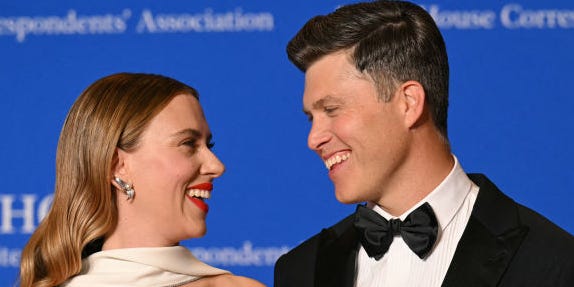
Amazon Alexa’s “Mind Reader” (Super Bowl 2022), starring Scarlett Johansson and Colin Jost, with an estimated
$26 million price tag to run during the game.
What “Most Expensive” Really Means
Before we crown a winner, we need to agree on what we’re actually measuringbecause “most expensive” can mean two very different things:
1) Airtime cost (the check you write to the broadcaster)
This is the cleanest comparison. Super Bowl airtime is sold in chunks (usually 30 seconds), and the price climbs with demand, placement, and
the network’s overall inventory strategy. If you buy more timesay, a 60- or 90-second spotyou’re basically buying multiple 30-second units.
That’s how you end up with numbers that sound like a luxury condo.
2) All-in campaign cost (airtime + production + talent + extras)
This is the “real world” total. It can include celebrity fees, multiple edits of the commercial, music licensing, visual effects, and a whole
supporting campaign (teasers, social media cuts, influencer partnerships, post-game media buys, and more). In other words: the commercial is
the tip of a very expensive iceberg.
When people say “the most expensive Super Bowl ad ever,” they’re usually talking about airtime because it’s easier to compare
across brands. Production costs can be kept secret (or “accidentally” exaggerated at parties).
The Winner: Amazon Alexa’s “Mind Reader”
The most widely reported “most expensive” title goes to Amazon Alexa’s “Mind Reader”, aired during the 2022 Super Bowl.
The spot featured Scarlett Johansson and Colin Jost in a scenario where Alexa can read mindsan idea that sounds convenient until you remember
you also have thoughts like “Did I leave the oven on?” and “Why did I say that weird thing in 2017?”
The estimated airtime price tag: about $26 million. That number is tied to the ad’s extended runtime
(often reported around the 90-second range for the broadcast version, with longer cuts circulating online).
Why this one stands out
- It’s long (longer spots multiply your airtime cost).
- It’s celebrity-led (top-tier talent doesn’t show up for free snacks).
- It’s a “Big Game” concept (high production polish, big laughs, big shareability).
And here’s the sneaky part: even if you never bought an Alexa, you probably remember the premise. That’s the point. Super Bowl ads are competing
for memorynot just clicks.
Why This Ad Cost So Much
Airtime is priced like beachfront property
Super Bowl commercials are expensive because the Super Bowl remains one of the few modern media moments that delivers a massive audience
watching at the same time. When the game is on, people aren’t just “near a screen.” They’re locked insnacks deployed, group chat popping,
halftime opinions loading.
Length is the budget “multiplier” everyone forgets
A 30-second spot is the default. But once you go to 60 or 90 seconds, you’re effectively buying 2–3 times the airtime. That’s how an ad can
leap into the tens of millions before a single camera rolls.
Celebrity talent and production add a second price mountain
Even if we focus on airtime, the “all-in” spending often rises fast:
casting, set builds, visual effects, editing multiple versions, plus a pre-release strategy that can start weeks before kickoff.
For a brand like Amazon, the goal isn’t just to make a nice commercialit’s to create a pop-culture moment that earns replay value.
Put simply: the Super Bowl is where brands pay for attention at scaleand attention is the most expensive currency in media.
The Runner-Ups That Also Spent Like Royalty
Amazon didn’t win by default. Several other brands have written similarly large checks for Super Bowl airtime, especially when they run
90-second “mini-movies.”
General Motors & Cadillac (2021)
Multiple industry estimates place GM’s “No Way Norway” and Cadillac’s “ScissorHandsFree” among the priciest Super Bowl spots, largely due to
90-second runtimes, major celebrity appearances, and premium game placement.
Chrysler (2014)
Chrysler’s “America’s Import” is another frequently cited high-cost examplean iconic brand moment with a premium feel (and premium price).
It’s a reminder that “expensive” isn’t just about glitz; it’s about making a message feel historically big.
Brands that treat the Super Bowl like a franchise launch
Some companies approach the Super Bowl the way studios approach blockbuster films: teasers, trailers, and a big reveal.
That strategy can turn one commercial into a multi-week marketing eventwith the budget to match.
How Super Bowl Ad Pricing Works
Super Bowl ad pricing is part math, part market frenzy, and part “We sold out early, so now it’s expensive on purpose.”
A few factors drive the final bill:
Placement
Not all spots are equal. The closer you are to kickoff, halftime, or key game moments, the more valuable the slot can be.
Scarcity and early sellouts
Networks frequently sell out well before the game, which tightens supply and pushes late-stage pricing higher.
When demand spikes, prices can jump quickly.
The 2025–2026 pricing reality
Recent reporting shows Super Bowl ad rates continuing to climb: in 2025, multiple outlets reported 30-second units reaching around
$8 million for Super Bowl LIX, and in 2026, reports described premium units hitting as high as $10 million.
That escalation is a big reason older “most expensive” records can get threatenedfast.
Here’s the scary-fun thought experiment: if premium pricing reaches $10 million per 30 seconds, a 90-second spot can push $30 million
in airtime alone. That’s how a new “most expensive ever” can happen without anyone reinventing advertisingjust by buying more time.
Why Brands Keep Paying These Prices
If Super Bowl commercials were just a normal media buy, the math would look… questionable. So why do brands keep showing up?
Because the Super Bowl offers benefits that are hard to replicate elsewhere.
It’s a mass-reach moment that people actually want
Most ads are something people tolerate. Super Bowl ads are something people debate, rank, rewatch, and send to friends.
That’s a radically different starting point for engagement.
Earned media can be the hidden payoff
A great Super Bowl ad doesn’t end when the broadcast cuts back to the field. It becomes a clip on social feeds, a headline,
a meme template, and a Monday-morning conversation. In marketing terms, it can generate “earned media”attention you didn’t have to buy
(after buying the most expensive attention in America).
The pre-release era gives brands more runway
Many advertisers now release teasers and early versions before game day, building familiarity and anticipation so the “Big Game” spot hits harder
when it finally airs. That strategy can increase recognition and social chatter, and it helps explain why modern Super Bowl campaigns often feel
like multi-part events.
It’s also a credibility signal
Spending Super Bowl money sends a message: “We’re big. We’re confident. We’re here.” For newer brands especially, that signal can be as valuable
as the ad itselflike buying a billboard on the moon. Is it necessary? No. Does it make people look up? Yes.
Is It Worth It? The ROI Reality Check
Let’s be honest: not every expensive Super Bowl ad is a good one. Money buys airtime, not taste.
So how do brands decide whether it “worked”?
What brands measure (beyond vibes)
- Brand lift: Did awareness and favorability rise?
- Search spikes: Did people look up the brand immediately after the ad aired?
- Social engagement: Mentions, shares, sentiment, and meme velocity.
- Site/app traffic: Did the ad drive real behavior?
- Sales and sign-ups: The hardest (and most expensive) metric to attribute.
The trade-off: one giant moment vs. many smaller wins
A Super Bowl placement is not the most cost-efficient way to buy reach. Brands do it anyway because efficiency isn’t always the goal.
Sometimes the goal is dominanceowning one day of the cultural calendar in a way no other ad buy can match.
Still, the best Super Bowl ads usually share a trait: they work even if you don’t know the brand. The story lands first, the logo lands second.
That’s why humor and simple concepts win year after year. Confuse people for 30 seconds, and congratulationsyou just funded the world’s
fanciest puzzle.
What to Watch Next: The “Next Most Expensive” Could Happen Anytime
Amazon’s “Mind Reader” sits at the top largely because it combined a long runtime with premium pricing at the time. But Super Bowl rates don’t
stand still. When 30-second units reach record highs, any brand that buys 60–90 seconds (or more) suddenly has a shot at breaking the record.
Three trends that push costs upward
- Rising base rates for 30-second spots as demand stays strong.
- More long-form storytelling (60–90 seconds) designed to be rewatched online.
- Bigger celebrity ecosystems that turn ads into mini entertainment events.
In other words, the “most expensive Super Bowl ad ever” is a moving target. The moment a brand decides it wants to run a 90-second blockbuster
during a year with peak pricing, the record can fall.
Until then, Amazon’s Alexa “Mind Reader” remains the reigning champion of “We did not come here to be subtle.”
Experiences: What the Biggest Super Bowl Ad Budgets Feel Like
Numbers like $26 million are so huge they stop feeling reallike trying to picture a billion grains of rice. So let’s translate “most expensive
Super Bowl ad” into experiences you can actually imagine, from the couch to the boardroom.
The viewer experience: commercials become the playlist
On Super Bowl Sunday, the living room turns into a mini theater. Someone claims they “don’t even like football,” but they’re still the loudest
person in the room when the commercials start. That’s the Super Bowl’s magic trick: it turns ads into shared entertainment.
You’ll see people rate commercials in real timelike they’re Olympic judges with nachosand the winning ads get instant replays on phones before
the next drive even starts.
The most expensive ads usually feel like little movies. They have recognizable faces, clean cinematography, and jokes that land in the first five
seconds. They’re built for rewatching, which is why your social feeds fill up with “Best ads ranked” posts before the halftime show is even over.
And if an ad is truly memorable, it becomes shorthand for weeks: people reference it in group chats, at school, in offices, everywhere.
The brand experience: “war room” energy
On the brand side, a Super Bowl ad isn’t a single file called FINAL_FINAL_v7.mp4. It’s a campaign that can take months, with teams tracking
everything from teaser performance to whether the punchline works with the sound off.
Picture a “war room” during the game: marketers, creatives, and analysts watching the broadcast like it’s a rocket launch. The second the ad airs,
someone’s monitoring search trends, someone’s refreshing social mentions, and someone’s texting legal because a meme account found a weird angle
(memes are fast; approvals are not). If the response is strong, the team pushes follow-up clips and behind-the-scenes content immediately.
If the response is lukewarm, they pivot to highlight what people did likeoften a single joke, a single shot, or a single celebrity reaction.
The creator experience: “I saw it online first” is now normal
In the modern Super Bowl ecosystem, the ad may debut online before it ever hits TV. Teasers drop early, full versions leak (or “leak”), and reaction
videos appear within minutes. That changes how brands plan: they’re not only buying a TV momentthey’re buying a multi-platform storyline.
For creators and commentators, the Super Bowl is content season. They don’t just watch adsthey analyze them, score them, remix them, and turn them
into explainers. The best ads give creators material: a clear premise, a surprising twist, and a final beat that’s easy to reference without needing
three paragraphs of context.
The small-brand experience: “That’s my entire company”
One reason “most expensive Super Bowl ad” headlines hit so hard is that everyone instinctively compares it to real life. For a small business,
$26 million could be payroll, inventory, storefronts, and marketing for years. That’s why the Super Bowl is such a fascinating case study:
it shows how different the world looks at different scales.
But here’s the twist: the lesson isn’t “spend like Amazon.” The lesson is “spend with intent.” The reason the biggest brands buy Super Bowl time is
because they’re not only buying customersthey’re buying memory. Even if you never run a national ad, you can apply the same principle:
make your message simple, make your idea clear, and make the first few seconds count. You don’t need $26 million to be memorable.
You just need a pointand the courage to make it.