Note: This article is based on publicly available reporting and analysis from reputable defense, arms-control, news, and government sources, including Reuters, AP, USNI, FAS, CSIS, Arms Control Association, the Bulletin of the Atomic Scientists, and U.S. nuclear posture materials.
Introduction: When a Torpedo Gets a Villain Nickname
Few weapons sound like they escaped from a comic-book laboratory quite like Russia’s Poseidon. It is often described as a nuclear-powered, nuclear-capable underwater drone or “super torpedo,” and in headlines it frequently earns the dramatic nickname “apocalypse torpedo.” That name may be a little theatricaljournalism does enjoy wearing a cape sometimesbut the strategic concern behind it is very real.
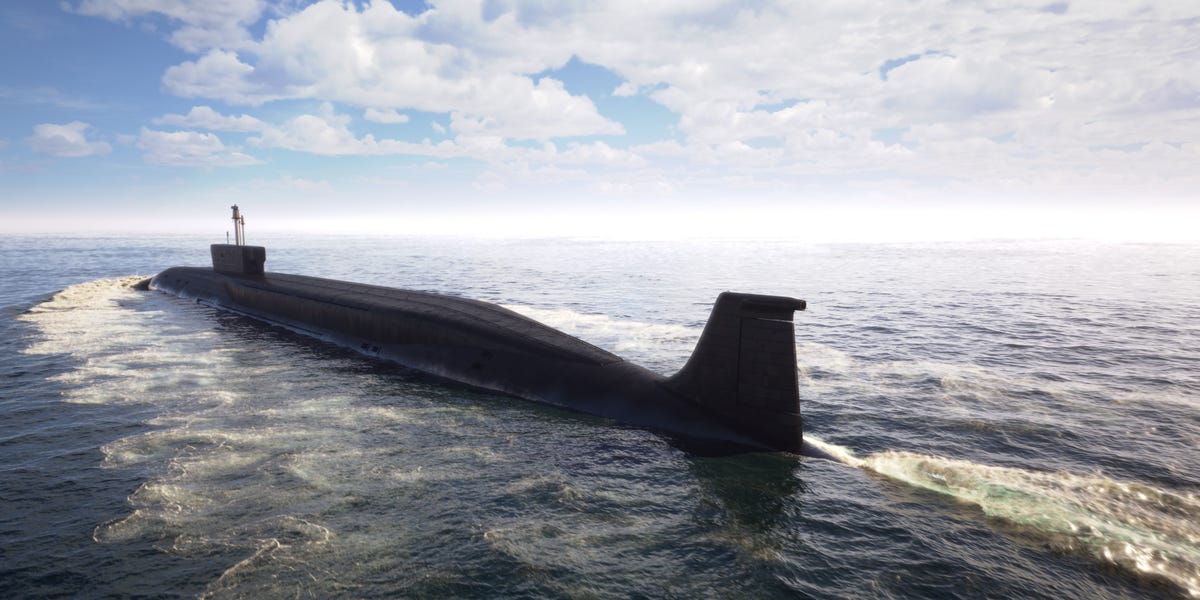
Russia has been developing special-purpose submarines designed to carry and launch Poseidon, most notably the massive Belgorod and the newer Khabarovsk-class submarine. These vessels are not ordinary attack submarines built mainly to chase ships or fire cruise missiles. They are part of a broader Russian effort to create unusual nuclear delivery systems that can complicate U.S. and NATO planning, bypass missile defenses, and send a very loud geopolitical message from beneath the ocean.
The Poseidon program matters because it sits at the crossroads of nuclear deterrence, undersea warfare, arms control, and psychological signaling. In simpler terms: it is less about “one scary torpedo” and more about how major powers are trying to make their nuclear forces harder to stop, harder to predict, and harder to ignore. Which is exactly the kind of thing that makes defense analysts reach for strong coffee.
What Is Poseidon?
Poseidon, also known by the NATO reporting name Kanyon, is widely described as a nuclear-powered unmanned underwater vehicle. Unlike a conventional torpedo, which is usually launched for a relatively short-range attack, Poseidon is believed to be designed for intercontinental travel under the sea. Public estimates vary, but most open-source descriptions portray it as a very large underwater drone capable of carrying a powerful nuclear payload.
Russian officials have presented Poseidon as a strategic weapon that can travel deep underwater, move over long distances, and threaten coastal targets. Western analysts generally treat many Russian claims with caution, especially the more dramatic statements about unstoppable speed or civilization-ending waves. Still, even a restrained interpretation of Poseidon places it in a category of weapon that is unusual, destabilizing, and difficult to fit into older arms-control frameworks.
Why It Is Not Just a “Big Torpedo”
A normal torpedo is a weapon fired from a submarine, surface ship, or aircraft to hit another vessel. Poseidon is different because it appears to combine features of a torpedo, a drone, and a strategic nuclear delivery system. It is designed to operate underwater, potentially over enormous distances, and it is linked to nuclear deterrence rather than ordinary naval combat.
That distinction matters. Poseidon is not merely another piece of naval hardware; it is a political signal wrapped in a pressure hull. Russia wants adversaries to believe that even advanced missile defenses cannot remove Moscow’s ability to retaliate. Poseidon’s purpose, therefore, is as much psychological as technical.
The Submarines Built to Carry Poseidon
Russia’s Poseidon program depends on specialized submarines. You cannot exactly strap a giant nuclear-powered underwater drone to the roof like a kayak and call it a day. The carrier vessels must be designed or modified to handle unusual dimensions, mission profiles, and command systems.
Belgorod: The Giant Special-Purpose Submarine
The Belgorod, also known as K-329, is one of the most discussed submarines in the Poseidon story. It is a modified Oscar II-class nuclear-powered submarine and is considered one of the longest submarines ever built. Its size has made it a favorite subject for naval watchers, satellite-image analysts, and anyone who enjoys saying, “That thing is enormous,” in a serious voice.
Belgorod is widely reported to have a special-purpose role. In addition to being associated with Poseidon, it has been linked in analysis to seabed operations, intelligence missions, and support for deep-diving equipment. This makes it more than a launch platform. It is part of Russia’s broader undersea strategy, where the ocean floor, cables, sensors, submarines, and strategic weapons all become pieces on the same chilly chessboard.
Khabarovsk: A Purpose-Built Poseidon Carrier
The newer Khabarovsk submarine is especially important because it appears to have been designed from the beginning around the Poseidon mission. While Belgorod is a modified platform, Khabarovsk is generally described as a dedicated carrier for Poseidon-type weapons. That suggests Russia is not treating the system as a one-off experiment or an oversized propaganda prop.
Reports about Khabarovsk indicate that it is a nuclear-powered special-purpose submarine linked directly to the deployment of Poseidon underwater vehicles. Its appearance strengthens the argument that Russia wants a lasting operational capability, not merely an occasional technology demonstration. In the language of military procurement, building a special submarine for a strange weapon is a very expensive way of saying, “Yes, we are serious.”
Why Russia Wants This Kind of Weapon
Russia has repeatedly framed Poseidon and other novel nuclear systems as responses to U.S. missile defense, NATO expansion, and the modernization of Western military capabilities. Whether one accepts Moscow’s explanation or not, the strategic logic is clear: Poseidon is meant to make Russia’s nuclear deterrent seem more survivable and less vulnerable to interception.
Bypassing Missile Defense
Traditional nuclear deterrence often focuses on ballistic missiles, bombers, and submarine-launched missiles. Missile defenses are designed primarily with airborne threats in mind. Poseidon changes the geometry of the problem by moving the threat underwater. Instead of flying over the horizon, it approaches through the ocean, where detection and tracking are technically demanding.
This does not mean Poseidon is magic. No weapon is magic, despite what state television graphics might imply. Undersea surveillance systems, anti-submarine warfare, and naval intelligence all matter. However, Poseidon creates a different challenge from a missile, and that difference is the point.
Second-Strike Signaling
A second-strike capability means a country can retaliate even after suffering a nuclear attack. Russia already has many nuclear systems capable of that mission, including land-based missiles, strategic bombers, and ballistic missile submarines. So why add Poseidon?
The answer is redundancy and signaling. By adding an exotic undersea weapon, Russia can claim its deterrent remains credible even if future defenses improve. It also gains a dramatic tool for political messaging. Poseidon is not just a military system; it is a headline generator with a reactor.
How Poseidon Fits Into Russia’s Nuclear Modernization
Poseidon is part of a larger group of Russian strategic systems announced or emphasized during the Putin era. These include hypersonic glide vehicles, new intercontinental missiles, nuclear-powered cruise missile concepts, and modernized submarine forces. Together, they reflect Moscow’s desire to preserve nuclear leverage in a changing military environment.
From Russia’s perspective, strategic competition with the United States is not only about numbers of warheads. It is about survivability, penetration, prestige, and coercive power. A weapon like Poseidon checks several of those boxes. It appears survivable because it operates underwater. It appears difficult to counter because it does not follow a traditional missile path. It has prestige value because it is unusual and technically ambitious. And it supports coercive messaging because the public description is intentionally frightening.
For U.S. and NATO planners, the issue is not panic but adaptation. Poseidon encourages renewed attention to undersea monitoring, submarine tracking, Arctic operations, and arms-control gaps. The ocean, already crowded with submarines, sensors, cables, and patrol routes, becomes even more strategically important.
The “Apocalypse Torpedo” Label: Useful Warning or Hype Machine?
The phrase “apocalypse torpedo” is catchy, which is exactly why it spreads. It tells readers immediately that the weapon is frightening. It also risks turning complex strategic issues into a movie trailer. A serious analysis needs both caution and context.
What the Label Gets Right
The label captures the fact that Poseidon is associated with nuclear destruction on a massive scale. It is not a conventional naval weapon intended for a limited battlefield role. It is linked to strategic deterrence and coastal devastation. That is why governments, analysts, and arms-control experts pay attention.
What the Label Gets Wrong
The label can exaggerate certainty. Many technical details about Poseidon remain unclear, and some claims come from Russian state messaging, which has an obvious interest in making the weapon sound unstoppable. Open-source experts often warn that dramatic descriptions should be treated carefully. The weapon may be dangerous without being exactly as invincible as advertised.
In other words, Poseidon is not something to laugh off, but neither should every headline be swallowed whole. Defense analysis works best when it keeps both feet on the floor, even when the topic is a nuclear robot torpedo with a name borrowed from a sea god.
Strategic Risks: Why Arms-Control Experts Are Concerned
Poseidon raises several concerns for arms-control experts. First, it may fall outside the categories that shaped older nuclear agreements. Treaties have traditionally focused on missiles, launchers, bombers, and deployed warheads. A nuclear-powered underwater drone is harder to classify neatly.
Second, the weapon increases uncertainty. If a Poseidon carrier submarine leaves port, how should adversaries interpret the movement? Is it training, signaling, patrol activity, or something more serious? Uncertainty can be useful for deterrence, but too much uncertainty can also increase crisis instability.
Third, the system could encourage other countries to invest in unusual delivery platforms. Once one major power highlights a new route around defenses, others may explore similar or countervailing technologies. That is how arms races acquire extra wheels, wings, propellers, and occasionally underwater nuclear engines.
The Arms-Control Gap
Modern arms control already faces major challenges. New START, the last major U.S.-Russia strategic arms treaty, has been under heavy strain, and broader trust between Moscow and Washington has deteriorated sharply. In that environment, novel systems like Poseidon make future negotiations more complicated.
Any serious future agreement would need to address not only traditional nuclear weapons but also exotic systems that blur categories. Counting warheads is hard enough. Counting nuclear-powered underwater drones that may or may not be deployed in large numbers is the kind of task that makes treaty lawyers age in dog years.
Undersea Warfare and the Arctic Factor
Russia’s submarine strategy is closely tied to the Arctic and northern seas. The Russian Northern Fleet operates from bases with access to Arctic waters, and the region offers routes, cover, and strategic depth. As Arctic ice patterns change and military activity increases, the undersea domain becomes even more important.
Poseidon carrier submarines could strengthen Russia’s ability to signal from protected maritime zones. They also force NATO navies to think carefully about surveillance in harsh environments. Tracking submarines is already one of the hardest jobs in military operations. Doing it in remote, cold, noisy, ice-influenced waters adds another layer of difficulty.
This does not mean Russia has a free hand. NATO countries have decades of anti-submarine experience, advanced sensors, maritime patrol aircraft, and submarine fleets of their own. But Poseidon adds a new mission set to monitor, and new mission sets are rarely free. They demand money, training, coordination, and political attention.
What the United States and NATO May Do Next
The likely Western response to Poseidon is not a single dramatic counterweapon. More realistically, the response will involve better undersea surveillance, improved intelligence sharing, submarine tracking, Arctic presence, and continued modernization of nuclear deterrence. The goal is to reduce uncertainty and prevent Russia from gaining psychological or strategic advantage.
Better Detection and Tracking
Because Poseidon is an underwater system, maritime awareness becomes central. The United States and allies may invest more in sonar networks, unmanned undersea sensors, maritime patrol aircraft, and cooperation among navies. The challenge is not only detecting a weapon after launch but understanding the movements and readiness of the submarines that carry it.
Strategic Communication
Another response is messaging. Western officials may emphasize that Poseidon does not fundamentally change the nuclear balance because Russia already has the ability to threaten catastrophic nuclear retaliation. This argument is important because it pushes back against fear-based signaling. If a weapon is designed partly to scare, then refusing to be strategically hypnotized is part of the defense.
Future Arms Talks
Eventually, arms-control discussions may need to include systems like Poseidon. That will not be easy, especially during periods of high tension. But ignoring novel nuclear weapons does not make them disappear. It merely lets the paperwork fall behind the technology, which is generally how international security gets a migraine.
Common Misconceptions About Poseidon
Misconception 1: Poseidon Makes Russia Invincible
No single weapon makes a country invincible. Poseidon may complicate defense planning, but it does not erase the risks, costs, and vulnerabilities of nuclear strategy. Submarines can be tracked, programs can suffer delays, and weapons can be fewer or less reliable than advertised.
Misconception 2: Poseidon Is Only Propaganda
Calling Poseidon “just propaganda” is also too simple. Propaganda and real capability can exist together. Russia can use Poseidon for political theater while also building submarines intended to carry it. The best analysis recognizes both the messaging value and the potential military role.
Misconception 3: The Weapon Changes Everything Overnight
Poseidon is significant, but it does not instantly overturn nuclear deterrence. The United States and Russia have lived with mutual nuclear vulnerability for decades. Poseidon adds a new and disturbing pathway, but it does not replace the broader strategic balance.
Why This Story Matters Beyond Military Circles
It is tempting to treat Poseidon as a niche topic for submarine enthusiasts, defense analysts, and people who can identify a sail configuration from a blurry satellite image. But the issue is broader than that. Poseidon reflects the direction of modern strategic competition: more autonomy, more exotic delivery systems, more undersea activity, and more public nuclear signaling.
For ordinary readers, the takeaway is not that disaster is around the corner. The takeaway is that nuclear competition is evolving in ways that deserve attention. The most dangerous weapons are not always the ones with the most dramatic nicknames. Sometimes the bigger risk is the slow erosion of communication, verification, and restraint.
Russia building submarines to launch Poseidon apocalypse torpedoes is therefore not just a story about hardware. It is a story about trust, fear, technology, and the future of deterrence. It asks whether major powers can manage competition without turning every new machine into another reason to abandon caution.
Experience-Based Analysis: How to Read the Poseidon Story Without Falling for the Hype
Anyone who follows defense news for a while learns one important lesson: the first headline is usually loud, the second headline is louder, and the truth is somewhere in the paragraph everyone skipped. Poseidon is a perfect example. The words “apocalypse torpedo” grab attention immediately, but understanding the issue requires slowing down and separating public facts from strategic theater.
The first useful experience is learning to watch for source type. When Russian officials describe Poseidon as unmatched, unstoppable, or more powerful than existing weapons, that statement has political purpose. It may contain real information, but it is also designed to shape emotions. A reader should ask: Is this a technical assessment, a government claim, or a deterrence message? Those are not the same thing.
The second experience is noticing how military programs develop over time. A single test announcement does not automatically mean a large deployed force exists. A submarine launch ceremony does not mean full operational readiness the next morning. Defense programs move through design, construction, sea trials, weapons integration, crew training, and deployment. Each stage matters. Skipping those steps in analysis is like seeing a cake recipe and declaring dessert served.
The third experience is understanding that frightening weapons often have a psychological role. Poseidon may be intended to threaten coastal areas, but it also threatens the imagination. That is part of its power. Nuclear deterrence has always included perception, credibility, and fear. The difference now is that digital media can amplify dramatic claims globally within minutes. A weapon does not need to be used to influence public debate; it only needs to be believed.
The fourth experience is remembering that “new” does not always mean “decisive.” Poseidon is novel, but Russia already has many nuclear weapons capable of catastrophic destruction. The existence of another delivery system may complicate planning, but it does not create nuclear danger from scratch. The danger was already there. Poseidon changes the shape of the conversation, not the basic reality that nuclear war would be unacceptable.
The fifth experience is paying attention to what responsible analysts do not say. Serious experts avoid pretending they know every classified detail. They use phrases such as “reportedly,” “believed to be,” and “public estimates suggest” because much of the program is hidden. That caution is not weakness. It is intellectual seat-belt usage.
Finally, the Poseidon story teaches a broader lesson about modern security: the ocean is becoming a more contested strategic space. Submarines, seabed infrastructure, underwater drones, sensors, and nuclear deterrence are increasingly connected. The next era of military competition will not only unfold in the air, in space, or online. Some of it will move silently beneath the waves, where visibility is low and uncertainty is high.
For readers, the best approach is calm attention. Do not dismiss Poseidon as a cartoon villain weapon. Do not treat every terrifying claim as proven fact either. Read carefully, compare sources, watch the submarine programs, and remember that the most valuable response to nuclear theatrics is not panic. It is informed seriousness, steady diplomacy, and a public that understands the difference between analysis and alarm bells wearing sunglasses.
Conclusion
Russia’s construction of submarines designed to carry Poseidon underwater nuclear vehicles marks a major development in strategic weapons competition. The Belgorod and Khabarovsk programs suggest that Moscow sees Poseidon as more than a publicity stunt. It is a tool for deterrence, signaling, and pressure in an era when traditional arms-control structures are weakening.
Still, the “apocalypse torpedo” label should be handled carefully. Poseidon is dangerous because it is tied to nuclear strategy, undersea stealth, and crisis uncertainty. But it should not be inflated into a magical weapon that rewrites every rule overnight. The real story is bigger and more serious: nuclear powers are searching for new ways to make their deterrents survivable, and the world has not yet built enough modern rules to manage those systems safely.
The best way to understand Poseidon is to view it as both weapon and message. It is a machine built for the sea, but its main waves are political. And those waves are already reaching Washington, Brussels, Moscow, and every serious conversation about the future of nuclear stability.