Sweet potatoes are the golden retrievers of the vegetable world: friendly, reliable, naturally sweet, and somehow welcome at breakfast, lunch, dinner, and Thanksgiving when your aunt insists that marshmallows are a vegetable. Whether you want a fluffy baked sweet potato, crisp roasted cubes, creamy mash, a quick microwave lunch, or air fryer fries with attitude, this humble root can do a lot more than sit under brown sugar and hope for the best.
Learning a few simple ways to cook sweet potatoes gives you options for busy weeknights, meal prep, holiday sides, healthy snacks, and “I forgot to plan dinner but I own a potato” emergencies. Sweet potatoes are rich in fiber, potassium, vitamin C, and beta-carotene, the orange pigment your body can convert into vitamin A. They are naturally low in fat, easy to season, and flexible enough to go sweet, savory, spicy, smoky, or somewhere between “brunch café” and “campfire genius.”
This guide covers five practical cooking methods: baking, roasting, boiling, microwaving, and air frying. Each method has its own personality. Baking creates that classic soft, spoonable center. Roasting brings caramelized edges. Boiling is perfect for mash and soups. Microwaving is the speed champion. Air frying delivers crispness with less oil than deep-frying. Let’s give these orange beauties the treatment they deserve.
Before You Cook: How to Choose and Prep Sweet Potatoes
Start with firm sweet potatoes that feel heavy for their size. Avoid ones with soft spots, deep cracks, shriveled skin, or sprouts that look like they are trying to start a new civilization in your pantry. Medium sweet potatoes are often easier to cook evenly than giant ones, although large potatoes are great for stuffing or sharing.
Scrub the skin well under running water. Even if you plan to peel them, cleaning first keeps dirt from moving from the skin to the flesh. The skin is edible and contains fiber, so leave it on when the texture works for your recipe. For roasting, the skin adds rustic chew. For silky mashed sweet potatoes, peeling is usually better unless you like a more homemade, textured finish.
One more important tip: sweet potatoes vary. A skinny potato may cook quickly, while a big round one may need extra time. Use cooking times as smart estimates, not sacred law. A fork, knife, or skewer is your best doneness detector. If it slides in easily, congratulations: your potato has graduated.
1. Bake Sweet Potatoes for a Fluffy, Classic Side
Baking is the traditional method for whole sweet potatoes, and for good reason. The oven slowly softens the flesh, concentrates the sweetness, and gives the skin a lightly wrinkled, almost caramelized quality. A baked sweet potato is also one of the easiest meals you can make: add a topping, call it dinner, and accept applause from yourself.
How to Bake Sweet Potatoes
Preheat the oven to 400°F. Scrub the sweet potatoes, dry them thoroughly, and prick each one several times with a fork. Place them on a parchment-lined or foil-lined baking sheet to catch any syrupy drips. Bake for 45 to 60 minutes, depending on size, until the centers are completely tender.
Do not wrap them tightly in foil if you want a better skin texture. Foil traps steam, which softens the skin. That can be useful if you want a very moist potato, but baking them uncovered gives a nicer contrast between skin and flesh. After baking, let them rest for 5 minutes, then split them open and fluff the inside with a fork.
Best Toppings for Baked Sweet Potatoes
For a savory version, try Greek yogurt, chives, black beans, avocado, chili, roasted chickpeas, or a sprinkle of smoked paprika. For a sweet version, add cinnamon, pecans, a small pat of butter, or a drizzle of maple syrup. The trick is balance. Sweet potatoes already bring natural sugar to the party, so they do not need to be buried under a mountain of candy unless dessert is the goal.
Baked sweet potatoes are excellent for meal prep. Store them in an airtight container in the refrigerator for up to four days. Reheat in the oven, microwave, or air fryer, depending on whether you want speed or texture.
2. Roast Sweet Potatoes for Caramelized Edges
Roasting is the method for people who like crispy edges and big flavor. When sweet potatoes are cut into cubes, wedges, or rounds and roasted at high heat, their natural sugars caramelize. The result is tender inside, browned outside, and dangerously snackable. A pan of roasted sweet potatoes can disappear before dinner reaches the table. This is not a mystery. It is science wearing oven mitts.
How to Roast Sweet Potatoes
Preheat the oven to 425°F. Cut scrubbed sweet potatoes into 1-inch cubes or wedges. Toss them with olive oil, salt, pepper, and any seasonings you like. Spread them on a large rimmed baking sheet in a single layer. Crowding the pan makes them steam instead of roast, which is how you get sad orange pillows instead of golden edges.
Roast for 25 to 35 minutes, flipping once halfway through. They are ready when the edges are browned and the centers are tender. For extra browning, use a dark sheet pan and make sure the pieces are dry before adding oil.
Seasoning Ideas for Roasted Sweet Potatoes
Sweet potatoes work with almost every flavor profile. For smoky and savory, use smoked paprika, garlic powder, cumin, and chili powder. For herby, use rosemary, thyme, sage, or parsley. For sweet-spiced, use cinnamon, nutmeg, and a light maple drizzle after roasting. For a spicy snack, toss wedges with cayenne and finish with lime juice.
Roasted sweet potatoes are perfect in grain bowls, tacos, breakfast hash, salads, wraps, and sheet-pan dinners. Pair them with eggs, chicken, salmon, lentils, black beans, quinoa, kale, or sautéed greens. Their sweetness balances acidic sauces, salty cheeses, and smoky proteins beautifully.
3. Boil Sweet Potatoes for Mash, Soups, and Smooth Texture
Boiling is not flashy, but it is extremely useful. It cooks sweet potatoes quickly and evenly, making it ideal for mashed sweet potatoes, casseroles, soups, baby food, gnocchi, and pie fillings. Boiling also keeps the potatoes moist, so you need less butter, cream, or oil to make them smooth.
How to Boil Sweet Potatoes
Peel the sweet potatoes if you want a smoother result, or leave the skin on if you prefer extra texture and nutrients. Cut them into evenly sized chunks, about 1 to 2 inches. Place them in a pot and add enough cold water to cover by about an inch. Add a pinch of salt, bring to a boil, then reduce to a simmer.
Cook for 12 to 20 minutes, depending on the size of the pieces. They are done when a fork slides through easily. Drain well. If you are making mash, return the potatoes to the warm pot for a minute so excess moisture evaporates. This little step helps prevent watery mashed sweet potatoes.
How to Make Mashed Sweet Potatoes
Mash boiled sweet potatoes with a little butter, olive oil, milk, broth, or plain yogurt. Season with salt and pepper. For savory mash, add roasted garlic, thyme, parmesan, or a pinch of cayenne. For a sweeter holiday-style mash, use cinnamon, nutmeg, orange zest, or a small splash of maple syrup.
Boiled sweet potatoes are also excellent for soup. Blend them with vegetable broth, ginger, garlic, onion, and coconut milk for a creamy bowl that tastes like it spent hours becoming wise. Add curry powder or smoked paprika for deeper flavor.
4. Microwave Sweet Potatoes When You Need Dinner Fast
The microwave is the unsung hero of sweet potato cooking. It will not give you crispy skin or deep roasted flavor, but it will give you a tender sweet potato in minutes. That is a beautiful thing when hunger is making executive decisions.
How to Microwave Sweet Potatoes
Scrub and dry one medium sweet potato. Prick it several times with a fork to let steam escape. Place it on a microwave-safe plate. Microwave on high for about 5 minutes for an 8-ounce potato, turning halfway through. Larger potatoes may need 1-minute bursts until tender.
Let the potato rest for a couple of minutes before cutting it open. Steam inside a sweet potato is very real and very rude if you rush. Once it is cool enough to handle, split it open and add toppings.
Quick Microwave Sweet Potato Meal Ideas
Turn a microwaved sweet potato into a fast lunch by topping it with black beans, salsa, avocado, and lime. For a breakfast version, add almond butter, banana slices, cinnamon, and chopped walnuts. For a high-protein dinner, top it with shredded rotisserie chicken, barbecue sauce, and a spoonful of slaw. For a vegetarian comfort bowl, add lentils, tahini sauce, and roasted vegetables.
You can also use the microwave as a head start. Microwave the sweet potato for a few minutes, then finish it in a hot oven or air fryer to improve the skin and flavor. This hybrid method is great when you want baked-potato vibes without waiting an hour.
5. Air Fry Sweet Potatoes for Crisp Fries and Wedges
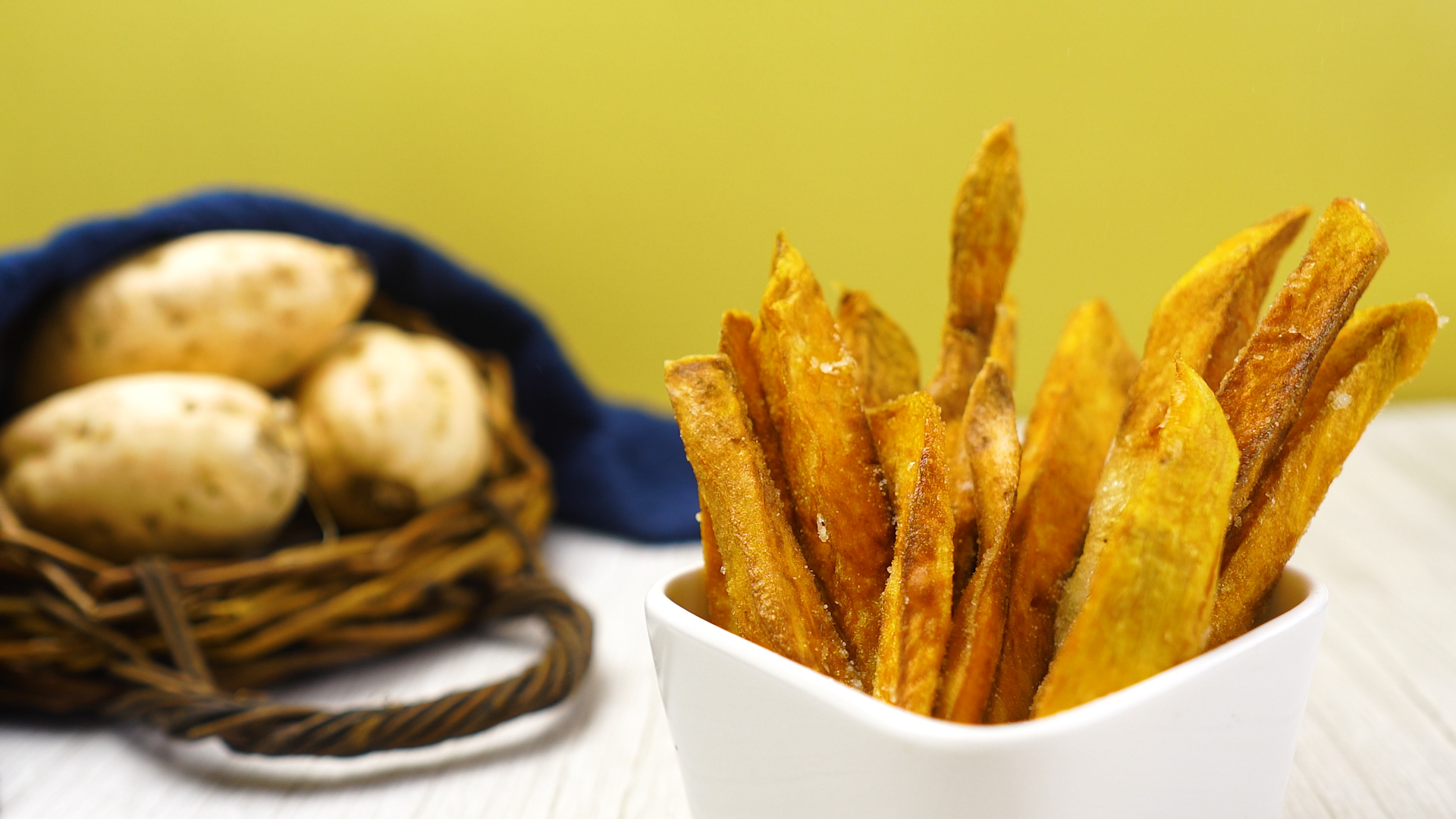
If roasting is dependable, air frying is the energetic cousin with a gym membership. An air fryer circulates hot air around the food, helping sweet potato fries, cubes, and wedges brown with less oil than traditional frying. The result is crisp outside, soft inside, and very good at convincing you to “taste one more” until the basket is mysteriously empty.
How to Air Fry Sweet Potato Fries
Cut sweet potatoes into evenly sized fries, about 1/4 to 1/2 inch thick. Soak them in cold water for 20 to 30 minutes if you have time; this can help remove surface starch. Drain and dry them thoroughly. Toss with a small amount of oil, salt, pepper, and seasonings.
Preheat the air fryer to 380°F or 400°F, depending on your model. Arrange the fries in a single layer, working in batches if needed. Air fry for 12 to 18 minutes, shaking the basket halfway through, until browned and tender. Thicker wedges may need closer to 20 minutes.
Tips for Better Air Fryer Sweet Potatoes
Dryness matters. Wet sweet potatoes steam, and steamed fries are basically tiny disappointments. Do not overcrowd the basket. Give the pieces room so hot air can move around them. If you want extra crispness, add a teaspoon or two of cornstarch before cooking. Season after cooking if your spice blend contains sugar, because sugar can burn at high heat.
Serve air fryer sweet potatoes with chipotle mayo, garlic yogurt sauce, ranch, honey mustard, tahini, or a squeeze of lime. They make a great side for burgers, grilled chicken, fish tacos, veggie sandwiches, or breakfast eggs.
Which Sweet Potato Cooking Method Is Best?
The best method depends on the job. For classic comfort, bake them whole. For maximum flavor and caramelization, roast them. For mash, soup, and silky texture, boil them. For speed, microwave them. For crisp fries and snack-style sides, use the air fryer.
If your goal is nutrition, cooking with the skin on when possible helps retain fiber and nutrients. Pairing sweet potatoes with a small amount of healthy fat, such as olive oil, avocado, nuts, or yogurt, can help your body absorb beta-carotene. If your goal is flavor, roasting and baking tend to concentrate sweetness. If your goal is getting food into your mouth before you start chewing the refrigerator handle, the microwave wins.
Common Sweet Potato Mistakes to Avoid
Cutting Uneven Pieces
When roasting or air frying, uneven pieces cook unevenly. Small pieces burn while big pieces stay firm. Cut everything as evenly as possible so the whole batch finishes together.
Overcrowding the Pan
Sweet potatoes release moisture as they cook. If pieces are packed too closely, they steam instead of brown. Use two pans if needed. Your future crispy edges will thank you.
Adding Too Much Sugar
Sweet potatoes are already sweet. A little maple syrup or brown sugar can be delicious, but too much can overpower their earthy flavor. Try savory seasonings first; you may be surprised how well they work.
Forgetting Salt
Salt does not just make food salty. It sharpens flavor and balances sweetness. Even sweet-style preparations need a pinch.
500-Word Experience Section: What Cooking Sweet Potatoes Teaches You in a Real Kitchen
Cooking sweet potatoes at home teaches one lesson quickly: recipes are helpful, but potatoes have opinions. The first time you bake a sweet potato, you may follow the time exactly and still find that the middle needs ten more minutes. That is not failure. That is a potato reminding you that size matters. A long, skinny sweet potato behaves differently from a short, thick one. Once you learn to test doneness with a fork instead of trusting the clock alone, sweet potatoes become much easier and less dramatic.
Roasting sweet potatoes is where many home cooks fall in love with them. The smell alone can make a kitchen feel like dinner is under control, even when the rest of the meal is just grilled chicken and a bag of salad trying its best. The biggest improvement comes from spacing the pieces out. When I first roasted sweet potatoes, I piled everything onto one pan because dishes are boring and optimism is free. The result was soft, tasty, and completely uncrisp. Once I used a larger pan and gave each cube room, the edges browned beautifully. That one change made the difference between “nice side dish” and “why did I eat half the tray standing at the stove?”
Boiled sweet potatoes are quieter, but they are the backbone of comfort food. They mash smoothly, blend into soups, and rescue dinners that need something warm and filling. A good trick is to drain them very well and let them sit in the hot pot for a minute before mashing. It sounds small, but it keeps the mash from becoming watery. Add roasted garlic, olive oil, salt, and pepper, and suddenly you have a side dish that tastes richer than it is. Add cinnamon and orange zest, and it leans festive without turning into dessert wearing a vegetable costume.
The microwave method is the one that saves real people on real weekdays. It is not glamorous. Nobody writes poetry about microwave steam. But when lunch needs to happen in seven minutes, a microwaved sweet potato topped with black beans, salsa, and avocado feels like a small miracle. It is filling, colorful, and faster than waiting for delivery. The texture is softer and more steamed than baked, but that can be a benefit when you want something scoopable and cozy.
Air fryer sweet potatoes, meanwhile, are the fun method. They are not exactly deep-fried fries, and pretending otherwise only leads to disappointment. But they are crisp, flavorful, and easy to customize. The key is drying the pieces well and cooking in batches. Air fryer baskets are not clown cars. If you overload them, you get limp fries. If you give them space, you get golden edges and a snack that works with burgers, eggs, grain bowls, or dipping sauces.
The best experience with sweet potatoes comes from treating them as everyday ingredients, not just holiday guests. Bake a few on Sunday. Roast cubes for bowls. Boil some for soup. Microwave one when your schedule falls apart. Air fry wedges when you want something crispy without committing to a vat of oil. Sweet potatoes are affordable, forgiving, nutritious, and surprisingly exciting once you stop limiting them to casseroles. They are proof that simple food can still have range, personality, and just enough sweetness to make dinner feel like a good idea.
Conclusion
Sweet potatoes are one of the most versatile ingredients in the kitchen. Baking gives you a fluffy, comforting classic. Roasting creates caramelized edges and deeper flavor. Boiling makes smooth mash, soups, and fillings. Microwaving delivers a fast meal when time is short. Air frying turns sweet potatoes into crisp, snackable fries and wedges with minimal oil.
The secret is matching the method to the moment. Need a cozy side? Bake. Want bold flavor? Roast. Making holiday mash? Boil. Racing the clock? Microwave. Craving crisp edges? Air fry. Once you know these five ways to cook sweet potatoes, you can build dozens of meals from one humble ingredient. Not bad for something that looks like it just rolled out of the dirt with no marketing team.