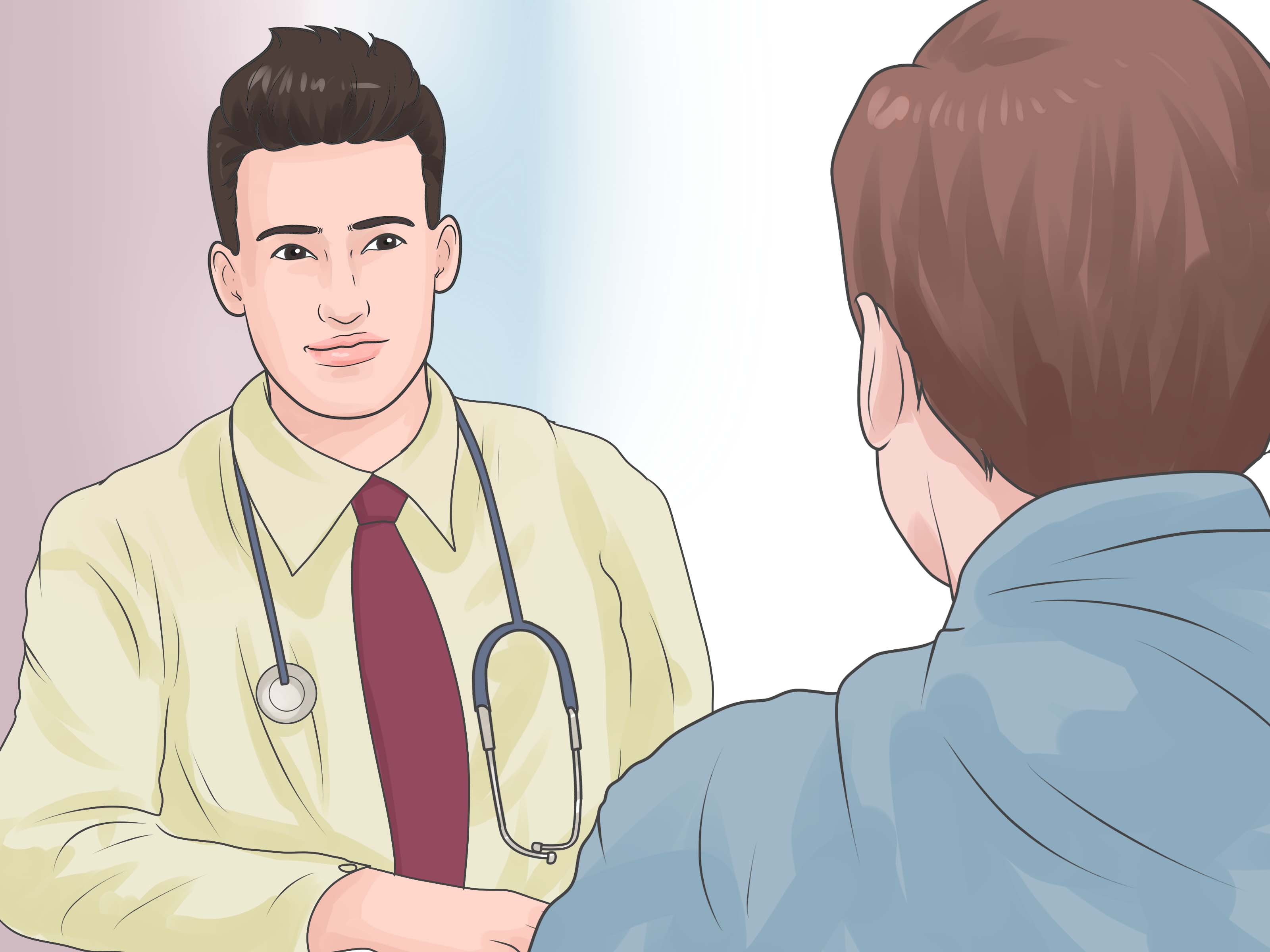
A great primary care physician is not just a walking medical encyclopedia with a stethoscope. That helps, of course. Nobody wants a doctor who hears “chest pain” and immediately asks whether Mercury is in retrograde. But the best primary care physicians bring something deeper to the exam room: they know history. They know your medical history, your family history, your social history, and, when they are especially good, a little human history too.
Primary care is where medicine becomes personal. It is the front door of health care, the place where a sore throat, a strange rash, high blood pressure, grief, insomnia, diabetes, anxiety, and “I just don’t feel like myself” all show up wearing the same wrinkled appointment reminder. A primary care physician who can relate to people does more than diagnose problems. They translate medical science into real life. They remember that patients are not lab values with shoes. They are parents, students, workers, caregivers, skeptics, worriers, survivors, and occasionally people who promise to exercise more while holding a drive-through coffee the size of a flower vase.
Why Primary Care Still Matters in a Specialist-Heavy World
Modern medicine is full of specialists, and specialists are essential. Cardiologists, endocrinologists, dermatologists, neurologists, and surgeons all play critical roles when a problem needs focused expertise. But without strong primary care, health care can become a confusing hallway of disconnected doors. A primary care physician helps connect the dots.
The value of primary care lies in continuity. When a doctor sees a patient over years, patterns become visible. A sudden change in weight, mood, blood pressure, sleep, or energy may mean more to a physician who knows what “normal” looks like for that person. One patient’s “I’m tired” may mean work stress. Another patient’s “I’m tired” may be the first clue to thyroid disease, anemia, depression, heart disease, or sleep apnea.
Good primary care also supports prevention. Regular checkups, vaccines, cancer screenings, blood pressure checks, cholesterol management, diabetes screening, and lifestyle counseling may not sound glamorous. Preventive care rarely gets movie trailers. Yet it is often the quiet work that keeps people healthier for longer. Catching a condition early is not as dramatic as rescuing someone at the last minute, but it is usually much better for the patient.
The Doctor Who Knows Your History Has an Advantage
Medical history is not just a form you fill out while balancing a clipboard on your knee. It is a map. It tells the physician where you have been, what you have tried, what has worked, what has failed, and what risks may be waiting around the corner.
Personal Medical History
A primary care physician who knows your personal medical history can make better decisions. For example, if you once had a bad reaction to a medication, your doctor can avoid prescribing something similar. If your blood pressure has slowly climbed over five years, that trend may matter more than a single reading. If you have a history of migraines, asthma, kidney stones, autoimmune disease, or depression, that information changes how new symptoms are interpreted.
Medicine is full of context. A cough in a healthy teenager may be a short-term viral illness. A cough in a longtime smoker with weight loss needs a different level of concern. A stomachache after a questionable gas-station burrito is one story. A stomachache in a patient with previous abdominal surgery is another. The symptom may sound the same, but the history changes the meaning.
Family History
Family history is another powerful tool. A patient whose parent had colon cancer at a young age may need earlier screening. A strong family history of heart disease, breast cancer, diabetes, high cholesterol, or certain genetic conditions can guide preventive care. It can also motivate patients when advice feels abstract. “Eat better someday” is easy to ignore. “Your family history puts you at higher risk, and we can reduce that risk starting now” tends to get more attention.
Social History
Social history may be the most human part of the chart. It includes work, stress, home life, food access, transportation, sleep, relationships, caregiving responsibilities, exercise, substance use, and safety. These details are not small talk. They can explain why a treatment plan succeeds or fails.
A doctor can recommend a perfect diet, but if the patient works two jobs and lives in a neighborhood with limited grocery options, the plan may collapse before dinner. A physician can prescribe physical therapy, but if the patient has no transportation, the referral becomes decorative paperwork. A relatable primary care physician asks, “What is realistic for you?” That question may be worth more than a lecture, and it is usually less annoying.
Relating to People Is a Clinical Skill
Some people think bedside manner is a bonus, like cup holders in a car. Nice, but not essential. In reality, communication is part of care. A physician who listens well often gathers better information. A patient who feels respected is more likely to mention symptoms, ask questions, follow a treatment plan, and return for follow-up.
Empathy does not mean a doctor must become a patient’s best friend or laugh at every joke about WebMD. It means the physician recognizes the patient’s experience as real. It means saying, “That sounds frightening,” before launching into a diagnostic checklist. It means noticing when a patient is confused, embarrassed, or overwhelmed. It means explaining without condescension.
Patients often remember how a doctor made them feel. They remember whether the doctor looked at them or only at the screen. They remember whether their concerns were brushed aside. They remember whether the physician explained the “why” behind a recommendation. A primary care physician who can relate to people builds trust one conversation at a time.
The Historical Mindset in Medicine
The title “a primary care physician who knows history” can also mean something broader: a doctor who understands that medicine itself has a history. Medical knowledge changes. Treatments once considered standard may later be replaced. Public health lessons are learned, forgotten, and learned again. A historically aware physician brings humility into the exam room.
History teaches doctors not to become too smug about the present. Today’s guidelines are stronger than yesterday’s guesses, but they will still evolve. A good physician respects evidence while staying open to new information. They understand why patients may distrust the health care system, especially if those patients or their communities have experienced discrimination, poor communication, or unequal access to care.
Knowing history also helps physicians understand patients’ stories. A person’s health is shaped by more than biology. It is shaped by work conditions, housing, food, education, culture, family roles, neighborhood safety, insurance coverage, and past experiences with doctors. A primary care physician who understands this is less likely to ask, “Why didn’t you just follow the plan?” and more likely to ask, “What got in the way?”
What This Kind of Physician Looks Like in Real Life
Imagine a patient named Maria, age 52, who comes in for fatigue. A rushed visit might end with basic lab work and a quick “Let’s see what the results show.” That may be reasonable, but a physician who knows Maria’s history may notice more. Her mother had thyroid disease. Maria has been caring for her father after a stroke. She has missed two preventive screenings. She recently changed jobs and lost her regular walking routine. She is sleeping poorly and skipping meals.
The doctor orders appropriate tests, yes, but also talks with Maria about caregiver stress, sleep, nutrition, and realistic follow-up. The plan becomes more than “take this pill” or “come back if worse.” It becomes a partnership.
Now imagine a young man named Andre with high blood pressure. A physician who only sees the number may increase medication. A physician who knows the story asks about energy drinks, work stress, family history, sleep, exercise, and whether Andre can afford the prescription. The blood pressure cuff gives a measurement. The conversation gives meaning.
Why Patients Open Up to Relatable Doctors
People do not always walk into a clinic ready to reveal everything. They may be embarrassed. They may fear judgment. They may think their concern is silly. They may have had a previous doctor dismiss them. A relatable primary care physician lowers the emotional temperature in the room.
This can be as simple as using plain language. Instead of saying, “Your glycemic control is suboptimal,” a relatable doctor might say, “Your blood sugar has been running higher than we want, and we have a few ways to bring it down.” The second version does not require a medical dictionary or a secret handshake.
Relatable doctors also invite questions. They might say, “What worries you most about this?” or “What have you heard about this medication?” These questions uncover fears that could otherwise sabotage treatment. A patient may not take a cholesterol medicine because they heard it always causes muscle pain. Another may avoid insulin because a relative started insulin late in diabetes and later had complications, leading the patient to think insulin caused the decline. A good physician explains clearly, respectfully, and without eye-rolling, even if the internet has once again entered the chat wearing a fake lab coat.
The Role of Trust in Long-Term Health
Trust is not built by diplomas on the wall alone. Credentials matter, but trust grows through reliability. Did the doctor follow up on the test result? Did they remember the patient’s concern? Did they explain the specialist referral? Did they admit uncertainty when the answer was not obvious?
In primary care, trust is especially important because many health decisions are long-term. Managing blood pressure, diabetes, asthma, depression, arthritis, or heart disease requires ongoing teamwork. Patients are more likely to keep showing up when they feel their doctor sees them as a whole person.
A primary care physician who knows history and relates to people can also help reduce unnecessary care. When a doctor knows a patient well, they may avoid repeating tests, overprescribing medications, or sending the patient from specialist to specialist without coordination. The best primary care often feels calm, organized, and personal. In a health care system that can feel like a maze built by tired architects, that matters.
Technology Helps, but It Cannot Replace Relationship
Electronic health records, patient portals, telemedicine, remote monitoring, and artificial intelligence can improve access and organization. A patient portal can make lab results easier to review. Telehealth can help someone who lives far from a clinic or cannot easily take time off work. Digital reminders can support preventive care.
But technology is a tool, not the relationship itself. A chart can list medications, allergies, and diagnoses. It cannot fully capture the look on a patient’s face when they say they are “fine” but clearly are not. It cannot always explain why someone stopped taking a medication, missed appointments, or delayed care. That requires conversation.
The future of primary care should use technology to make human care easier, not colder. The goal is not to turn doctors into data-entry machines with excellent posture. The goal is to give clinicians more time and better information so they can focus on patients.
How Patients Can Help Their Primary Care Physician Know Them Better
A strong doctor-patient relationship is a two-way street. Patients can help by keeping an updated list of medications, sharing family history, mentioning major life changes, and being honest about symptoms and habits. Doctors are trained professionals, not courtroom judges. If a patient stopped taking a medication because it was too expensive or caused side effects, the physician needs to know. Silence does not protect the patient; it only makes the puzzle harder.
Before a visit, it helps to write down the top concerns. Primary care appointments can move quickly, and the human brain has a mischievous habit of remembering the important question exactly seven minutes after leaving the parking lot. A short list helps both patient and physician use time well.
What Makes This Kind of Doctor Special?
A primary care physician who knows history and can relate to people combines science, memory, curiosity, humility, and communication. They know that the patient’s past can shape the diagnosis. They know that family patterns matter. They know that social realities affect treatment. They know that trust is not a soft skill; it is clinical infrastructure.
This kind of physician does not treat the chart instead of the person. They do not assume the loudest symptom is the only issue. They listen for the story behind the complaint. They understand that a patient may arrive with back pain but also carry fear, financial pressure, family stress, and a dozen unanswered questions.
In the best version of primary care, the physician becomes a steady guide. Not a magician. Not a superhero. Not someone who can fix every problem in fifteen minutes while the printer jams and the next patient waits. But a guide who knows where the patient has been, understands where they are now, and helps them move toward better health.
Experiences Related to a Primary Care Physician Who Knows History and Can Relate to People
One of the most powerful experiences in primary care is the moment a patient realizes, “My doctor remembers me.” It may be a small detail: the patient’s father recently died, their daughter started college, they work night shifts, they tried a certain medication years ago and hated it, or they get nervous whenever cancer screening is mentioned because of a family loss. These details may not look dramatic in a medical chart, but they change the emotional tone of the visit.
Consider an older patient who has seen the same primary care physician for a decade. At one visit, the patient says, “I’m just slowing down.” A new doctor might accept that as normal aging. A physician who knows the patient’s history may recognize that this person used to walk daily, volunteer twice a week, and tell terrible jokes with professional confidence. The change is not just “getting older.” It may be depression, heart disease, medication side effects, anemia, grief, or another treatable condition. Knowing the person helps the doctor notice the difference between normal change and warning sign.
Another common experience involves patients with chronic illness. A person with diabetes may feel tired of being told what to do. Eat this, don’t eat that, check this, schedule that, lose weight, move more, come back in three months. It can feel like homework assigned by a very serious substitute teacher. A relatable primary care physician understands that chronic disease management is not just about instructions. It is about motivation, barriers, habits, culture, budget, family meals, work schedules, and emotional fatigue. Instead of delivering a lecture, the physician might ask, “What is one change you feel ready to make this month?” That question respects the patient’s reality.
There is also the experience of medical fear. Many people delay appointments because they are afraid of bad news. A primary care physician who has built trust can make it easier to come in sooner. The patient knows the doctor will be honest but not cruel, direct but not dismissive. That balance matters. People are more likely to face difficult information when they do not feel alone with it.
Relatable primary care also helps families. A family physician may see multiple generations and notice patterns that no single specialist would see. They may understand that a child’s asthma worsens when housing conditions change, that a parent’s stress affects sleep and blood pressure, or that a grandparent’s memory concerns are placing pressure on the entire household. This broader view is one of primary care’s great strengths.
Finally, there is the experience of being treated as a person instead of a problem. Patients can tell when a doctor is present. They can tell when the physician pauses, listens, and explains. They can also tell when the visit feels like a race against a computer screen. A primary care physician who knows history and relates to people reminds us that medicine is not only about fixing bodies. It is about caring for lives as they are actually lived: messy, funny, stressful, hopeful, and wonderfully human.
Conclusion
A primary care physician who knows history and can relate to people represents the heart of good medicine. This physician understands the science of diagnosis, the importance of prevention, the value of family and social history, and the power of trust. They know that a patient’s story can be as important as a lab result and that communication can shape outcomes as surely as a prescription.
In a health care world full of technology, specialization, and time pressure, the human relationship remains essential. The best primary care physicians do not simply ask, “What disease does this patient have?” They ask, “Who is this person, what has shaped their health, and how can we help in a way that makes sense for their life?” That is not old-fashioned medicine. That is timeless medicine.
Note: This original article was written in standard American English and synthesized from reputable U.S. medical, public health, and primary care sources without copying or duplicating source text.