Note: This article is for informational and educational purposes only. It is not meant to diagnose your partner, replace therapy, or turn your living room into a courtroom drama with throw pillows. If lying is connected to intimidation, control, threats, gaslighting, or fear for your safety, consider reaching out to a trusted person, licensed professional, or domestic violence support resource.
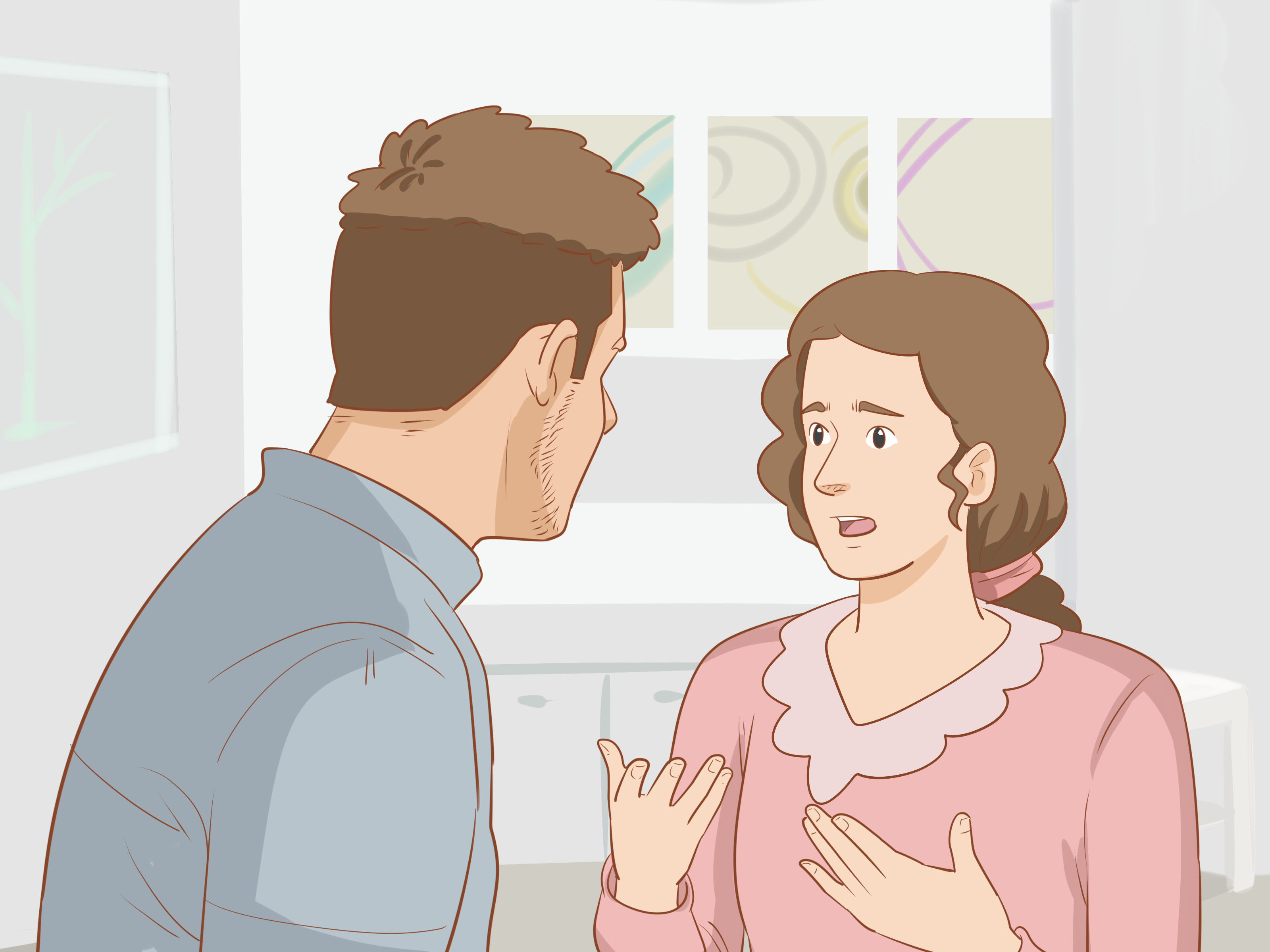
Wondering how to spot a liar in a relationship can feel like trying to solve a mystery with half the clues missing and the suspect sitting across from you eating your fries. One minute your partner’s explanation sounds reasonable. The next minute, a tiny detail changes, your stomach drops, and suddenly you are replaying conversations like a detective with a caffeine problem.
Here is the important truth: there is no single magical sign that proves someone is lying. Avoiding eye contact, touching the face, or acting nervous can mean deception, but it can also mean anxiety, stress, trauma, neurodivergence, embarrassment, or the fact that you asked a serious question while they were chewing cereal. Spotting dishonesty in a relationship is less about catching one dramatic “gotcha” moment and more about noticing patterns: inconsistent stories, secretive behavior, defensive reactions, emotional manipulation, and a repeated gap between words and actions.
In a healthy relationship, honesty does not mean sharing every passing thought like a live sports broadcast. Privacy still matters. But secrecy that protects betrayal, deception, financial dishonesty, cheating, or emotional manipulation can slowly erode trust. Below are 15 practical ways to tell whether your partner might be lying, plus what to do before you accuse, confront, forgive, or walk away.
Why Lying Hurts So Much in Romantic Relationships
Lying in a relationship is not only about the false statement itself. It is about what the lie steals: emotional safety, shared reality, and the ability to relax with someone you love. A partner who lies repeatedly forces you to become a full-time fact-checker, and nobody signed up for romance with a spreadsheet.
Relationship deception can include obvious lies, half-truths, exaggerations, hidden finances, secret messages, emotional affairs, omissions, and gaslighting. Sometimes people lie to avoid conflict, protect their image, escape shame, or keep control. A small white lie may not destroy a relationship, but a pattern of deception can make even ordinary conversations feel suspicious.
How to Spot a Liar in a Relationship: 15 Ways to Tell
1. Their Story Keeps Changing
One of the clearest signs of lying in a relationship is an explanation that changes every time you hear it. On Monday, they were “working late.” On Wednesday, they were “helping a friend.” By Friday, the friend has a name, a flat tire, and a strangely detailed backstory. Honest people can forget small details, but the core of the story usually stays steady.
Pay attention to repeated contradictions. If the timeline, location, reason, or people involved keep shifting, something may be missing. A useful response is calm and specific: “I’m confused because earlier you said you were at work, but now you’re saying you were with Alex. Can you help me understand?”
2. Their Words and Actions Do Not Match
A partner may say, “I’m completely over my ex,” while secretly messaging that ex at midnight. They may promise, “I’m not hiding anything,” while guarding their phone like it contains national security codes and the secret recipe for perfect guacamole.
In relationships, actions often reveal more than speeches. If someone’s behavior repeatedly contradicts their promises, focus on the pattern rather than the performance. Words can be polished. Habits are harder to fake.
3. They Become Extremely Defensive Over Simple Questions
Defensiveness does not automatically equal lying. Some people grew up in homes where every question felt like an attack. Still, a disproportionate reaction can be a warning sign, especially when your question is reasonable.
For example, asking “Who were you talking to?” should not lead to a 40-minute speech about how you are ruining the relationship. A liar may use anger to end the conversation, make you feel guilty, or train you not to ask again. Healthy partners may feel uncomfortable, but they can usually explain without turning the discussion into a fireworks show.
4. They Over-Explain With Too Many Unnecessary Details
Sometimes liars give vague answers. Other times, they give too many details. They do not just say they stopped for coffee; they describe the barista’s shoes, the weather, the foam pattern, and the emotional journey of the blueberry muffin.
Over-explaining can be a way to sound believable. The key is not detail alone, but detail that feels rehearsed, irrelevant, or oddly intense. If a story sounds like it came with footnotes, ask a simple follow-up question and notice whether the answer becomes clearer or more tangled.
5. They Avoid Direct Answers
A liar may dodge yes-or-no questions with jokes, complaints, counterattacks, or philosophical fog. You ask, “Did you spend money from our shared account?” They answer, “Wow, so now I’m the villain because I bought one thing for myself?” That is not an answer; that is emotional smoke.
Watch for repeated topic changes, vague phrases, or answers that never actually address the question. Directness matters. In a trustworthy relationship, difficult questions may feel awkward, but they do not need to disappear into a cloud of dramatic misdirection.
6. They Suddenly Become More Secretive With Devices
Everyone deserves privacy. Privacy means having personal space. Secrecy means hiding information that affects the relationship. The difference is huge.
A sudden change in digital behavior can be a clue: new passwords without explanation, hiding screens, taking calls in another room, deleting messages, turning the phone face down, or panicking when you walk near a laptop. None of these proves cheating or lying by itself, but a cluster of secretive habits may justify a serious conversation.
7. They Use Gaslighting to Make You Doubt Yourself
Gaslighting is a form of emotional manipulation where someone makes you question your memory, feelings, or perception of reality. Phrases like “You’re crazy,” “That never happened,” “You’re too sensitive,” or “You always imagine things” can be used to shut down valid concerns.
Not every disagreement is gaslighting. Two people can remember an event differently without manipulation. The red flag is a repeated pattern where your partner denies clear facts, twists events, mocks your concerns, and leaves you feeling confused, guilty, or dependent on them to define what is real.
8. They Blame You for Their Dishonesty
A partner who lies and then says, “I only lied because you would have gotten mad,” is shifting responsibility. Your reaction may be part of the relationship dynamic, but their decision to deceive is still theirs.
This is a common tactic in unhealthy relationships. Instead of taking accountability, the liar makes you the cause of their behavior. A more responsible statement would sound like, “I was afraid of the conflict, but I should have told you the truth.” Accountability is attractive. Blame-shifting is not. It is the emotional equivalent of handing someone a wet paper towel and calling it a parachute.
9. Their Body Language Changes From Their Usual Baseline
Body language is tricky. No single gesture proves lying. Some honest people avoid eye contact because they are anxious. Some liars can stare directly into your soul like they are auditioning for a soap opera.
Instead of relying on generic “liar body language,” compare your partner’s behavior to their normal baseline. Are they suddenly stiff, unusually still, overly animated, fidgety, dismissive, or unable to engage the way they usually do? Changes can signal stress, but they should be interpreted with caution and context.
10. They Get Angry When You Ask for Clarity
Asking for clarity is not the same as interrogation. In a healthy relationship, you should be able to say, “That doesn’t make sense to me,” without being punished for it.
If your partner responds to calm questions with rage, mockery, stonewalling, or threats to leave, the issue may be bigger than lying. They may be using emotional pressure to keep you quiet. Notice whether their response helps build understanding or simply scares you away from asking again.
11. They Hide Money, Debt, or Spending
Financial dishonesty is one of the most damaging forms of deception in a relationship. Secret credit cards, hidden debt, gambling losses, private accounts, or unexplained withdrawals can break trust as deeply as romantic betrayal.
Money lies matter because they affect shared security. If you share bills, rent, savings goals, or family responsibilities, financial secrecy is not “just personal business.” It is relationship information. A good conversation might begin with, “I’m not trying to control you, but we need transparency about money that affects both of us.”
12. They Accuse You of Lying or Cheating Without Cause
Projection happens when someone attributes their own behavior or feelings to another person. A partner who is hiding something may become suspicious of you, accuse you of cheating, or monitor your behavior obsessively.
Of course, jealousy can come from insecurity or past betrayal, not current lying. But sudden, intense accusations with no evidence can be a sign that your partner is deflecting attention from their own dishonesty. If every conversation about their behavior turns into a trial about yours, something is off.
13. They Create Confusion Instead of Resolution
Honest conversations usually move toward clarity, even if they are uncomfortable. Deceptive conversations often create more confusion. You start with one question and end up apologizing for your tone, your timing, your memory, your facial expression, and possibly something you said in 2018.
This pattern is especially concerning when the original issue never gets addressed. A liar may bury the truth under emotional chaos. If every discussion becomes a maze, write down the core concern before you talk. Return to it calmly: “I hear that you’re upset, but I still need an answer to the original question.”
14. Your Gut Feeling Keeps Returning
Intuition is not proof, but it is information. Your body may notice patterns before your mind has organized them. Maybe your partner’s tone changes around one topic. Maybe their schedule no longer makes sense. Maybe you feel anxious after conversations that should have reassured you.
Do not treat a gut feeling as a guilty verdict. Treat it as a signal to slow down, observe, and ask better questions. The goal is not to become paranoid; the goal is to stop dismissing your own discomfort just because the truth would be inconvenient.
15. They Repeat the Same Lie After Being Caught
Everyone can make a mistake. A person who lies once, admits it, shows remorse, answers questions, and changes behavior is different from someone who lies repeatedly and expects unlimited forgiveness with no repair work.
Repeated deception is a pattern, not an accident. If your partner keeps promising honesty but continues hiding, minimizing, or twisting the truth, you may need stronger boundaries. Love can be patient, but it should not be blindfolded and left wandering in traffic.
What to Do If You Think Your Partner Is Lying
Start With Facts, Not Fury
Before confronting your partner, separate facts from fears. Facts sound like, “You said you were home, but your location showed you across town.” Fears sound like, “You never loved me and everything was fake.” Your feelings are valid, but facts make the conversation harder to derail.
Choose the Right Time
Do not start the conversation during a rushed morning, in public, or while one of you is already emotionally boiling. Choose a calm moment. Say what you noticed, how it affected you, and what you need now.
Use Clear, Non-Attacking Language
Try: “I’m having trouble trusting this explanation because the details changed. I need honesty, even if the truth is uncomfortable.” This is stronger than screaming, “You lying human pop-up ad!” Tempting? Maybe. Productive? Not usually.
Watch Their Response
A trustworthy partner may feel embarrassed, sad, or defensive at first, but they will usually care about repairing trust. A manipulative partner may attack, deny, mock, blame, or punish you for asking. Their response tells you a lot.
Set Boundaries and Consequences
Boundaries are not threats. They are statements about what you will do to protect your well-being. For example: “If you continue hiding messages, I will not continue planning a future together,” or “If we cannot talk honestly about finances, I need us to pause shared financial decisions.”
Consider Counseling
Couples counseling can help when both partners are willing to be honest and accountable. Individual therapy can help you sort through confusion, rebuild self-trust, and decide what is healthy for you. If emotional abuse, coercive control, or fear is present, prioritize safety and seek individual support before couples counseling.
When Lying Becomes Emotional Abuse
Lying becomes especially dangerous when it is part of a pattern of control. Warning signs include gaslighting, isolation from friends or family, threats, humiliation, financial control, monitoring, intimidation, or making you feel afraid to disagree.
If you find yourself constantly apologizing, doubting your memory, hiding your concerns, or feeling smaller after every conversation, pay attention. A relationship should not require you to abandon your reality to keep the peace.
Can Trust Be Rebuilt After Lying?
Sometimes, yes. Trust can be rebuilt when the lying partner takes full responsibility, tells the whole truth, answers reasonable questions, stops the deceptive behavior, and accepts that healing takes time. The hurt partner also needs space to feel anger, grief, and uncertainty without being rushed into “getting over it.”
But trust cannot be rebuilt by apologies alone. “I’m sorry” is a beginning, not a renovation plan. Real repair requires changed behavior, transparency, patience, and consistency. If the lies continue, the relationship may not be emotionally safe enough to repair.
Experiences and Real-Life Lessons About Spotting a Liar in a Relationship
Many people do not realize they are being lied to because the first signs are small. It rarely begins with a dramatic confession or a suspicious lipstick mark like in old movies. More often, it starts with a feeling: a sentence that does not fit, a schedule that suddenly changes, a partner who becomes irritated when asked ordinary questions. At first, you may tell yourself you are overthinking. After all, nobody wants to be the person inspecting emotional crumbs with a magnifying glass.
One common experience is the “missing puzzle piece” feeling. Imagine your partner says they were with coworkers after work, but they cannot remember who was there. Later, they mention a friend who was supposedly present. Then, when you ask about that friend, they say you misunderstood. Nothing is huge by itself, but the story never sits flat. People often describe this stage as feeling mentally tired, because they are not only listening to words; they are quietly comparing timelines, tone, and behavior.
Another real-life lesson is that liars often rely on your desire to be fair. If you are a thoughtful partner, you probably do not want to accuse someone unfairly. A dishonest person may use that against you by saying, “You’re insecure,” “You’re dramatic,” or “You have trust issues.” Sometimes those statements may contain a little truth, especially if you have past relationship wounds. But even people with trust issues deserve clear answers. Your past does not give someone permission to lie in the present.
Many people also learn that the body reacts before the mind is ready. You may feel a tight chest when a certain name comes up. You may feel your stomach drop when your partner gives an explanation that is too smooth. You may feel strangely lonely after a conversation that was supposed to reassure you. These reactions are not proof, but they are invitations to pay attention. Your nervous system may be noticing patterns you have been trying to politely ignore.
A powerful experience comes when you stop asking, “How do I catch them?” and start asking, “Do I feel emotionally safe here?” A relationship should not require secret investigations, constant checking, or repeated debates about basic reality. If you need to become a detective to feel secure, the relationship has already entered painful territory. The goal is not to win a case; the goal is to understand whether trust can exist.
People who rebuild trust after lying often describe one major difference: accountability. The dishonest partner does not just apologize. They answer questions without rage. They stop the behavior. They accept temporary transparency. They understand that trust returns slowly, like a shy cat, not instantly like a pizza delivery. On the other hand, relationships usually stay damaged when the liar demands forgiveness while continuing the same secrecy.
The most important lesson is this: spotting a liar in a relationship is not about becoming suspicious of everyone. It is about protecting your peace, listening to patterns, and refusing to let love turn into confusion. Honesty should feel steady. Accountability should feel real. And your relationship should make you feel more like yourself, not like a private investigator with Wi-Fi access and emotional exhaustion.
Conclusion
Learning how to spot a liar in a relationship is really about learning how to recognize patterns that damage trust. Inconsistent stories, secretive behavior, emotional manipulation, blame-shifting, financial secrecy, and repeated contradictions can all point to dishonesty. Still, no single sign proves someone is lying. Context matters, and so does your partner’s overall pattern of accountability.
If you suspect deception, slow down. Gather facts, ask direct questions, and notice whether your partner responds with honesty or hostility. Some relationships can recover from lies when both people commit to truth and repair. Others become healthier only when one person chooses distance, support, or a clean exit. Either way, you deserve a relationship where honesty is not a luxury upgrade. It should come standard.