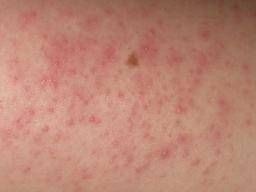
Keratosis pilaris is one of those skin conditions that sounds like it belongs in a medical textbook guarded by a dragon, but in real life, it is extremely common, harmless, and usually more annoying than alarming. If you have tiny rough bumps on your upper arms, thighs, cheeks, or buttocks that feel a bit like sandpaper, goosebumps, or “chicken skin,” you may be looking at keratosis pilarisoften shortened to KP.
The good news? KP is not contagious, not dangerous, and not a sign that your skin has betrayed you in a dramatic soap opera twist. The less thrilling news? It can be stubborn. Keratosis pilaris often improves with age, but it may come and go for years, especially when skin gets dry. Understanding what causes it, how it looks, and which treatments actually help can make a huge difference in managing the bumps without turning your bathroom shelf into a chemistry lab.
What Is Keratosis Pilaris?
Keratosis pilaris is a common skin condition caused by a buildup of keratin, a protective protein found in the skin, hair, and nails. When too much keratin collects around hair follicles, it forms tiny plugs. These plugs create rough, raised bumps on the skin’s surface.
KP most often appears on the backs of the upper arms, thighs, cheeks, and buttocks. Some people also notice it on the forearms or sides of the torso. The bumps may be skin-colored, white, pink, red, brown, or dark, depending on your natural skin tone and whether inflammation or post-inflammatory discoloration is present.
Although keratosis pilaris can look like acne, eczema, or a rash, it is its own condition. It usually does not hurt. It may itch occasionally, especially when skin is dry, but many people experience no discomfort at all. The main complaint is usually texture: skin feels bumpy, rough, or uneven.
What Causes Keratosis Pilaris?
The main cause of keratosis pilaris is keratin buildup inside hair follicles. Think of each follicle as a tiny doorway. In KP, keratin gathers at the entrance and creates a small plug. The result is a bump that feels rough to the touch.
Genetics May Play a Role
Keratosis pilaris often runs in families. If a parent, sibling, or close relative has those familiar rough bumps, your chances of developing them may be higher. This does not mean you did anything wrong. Your skin simply inherited a tendency to produce or handle keratin in a way that leads to plugged follicles.
Dry Skin Makes KP More Noticeable
Dry skin does not necessarily cause keratosis pilaris by itself, but it can make the bumps feel rougher and look more obvious. That is why many people notice KP getting worse in winter, in dry climates, or after long hot showers. When the skin barrier is dehydrated, texture becomes more pronouncedbasically, KP turns up the volume.
KP Is Linked With Eczema and Sensitive Skin
People with eczema, atopic dermatitis, seasonal allergies, or generally dry, sensitive skin are more likely to have keratosis pilaris. This does not mean KP is eczema, but the two conditions can hang out together like awkward cousins at a family reunion.
Hormonal and Life-Stage Changes
Keratosis pilaris is especially common in children and teenagers. It often begins in childhood or adolescence and may improve during adulthood. Some people also notice changes during pregnancy or other hormonal shifts. While hormones are not the only factor, they can influence skin behavior, dryness, and inflammation.
Common Symptoms of Keratosis Pilaris
Keratosis pilaris symptoms are usually easy to recognize once you know what to look for. The classic signs include small bumps, rough texture, and dry patches in areas with hair follicles.
Tiny Rough Bumps
The most recognizable symptom is a cluster of small, raised bumps. They may look like goosebumps that never got the memo to leave. These bumps are usually painless and may be evenly scattered across the affected area.
Sandpaper-Like Texture
Many people describe KP as feeling like sandpaper, chicken skin, or tiny grains under the fingers. The roughness can be more noticeable than the color of the bumps.
Dryness and Flaking
Dry skin often appears around KP bumps. You may see mild scaling, especially on the arms and thighs. Dryness can make the bumps feel scratchier and more visible.
Redness or Dark Spots
On lighter skin, keratosis pilaris may look pink or red. On deeper skin tones, the bumps may appear brown, grayish, or darker than the surrounding skin. Some people develop lingering discoloration after irritation, scratching, or inflammation.
Mild Itching
KP is usually not very itchy, but dryness can cause mild irritation. If the skin becomes intensely itchy, painful, swollen, oozing, or infected-looking, another skin condition may be involved and a healthcare professional should evaluate it.
Where Does Keratosis Pilaris Usually Appear?
Keratosis pilaris tends to show up in predictable places. The most common areas include:
- Backs of the upper arms
- Fronts or outer areas of the thighs
- Cheeks, especially in children and teens
- Buttocks
- Sides of the torso
- Forearms, less commonly
KP can be more noticeable on areas where clothing rubs or where the skin is naturally drier. Tight clothing, rough fabrics, and over-scrubbing may irritate the bumps and make them look redder or darker.
Is Keratosis Pilaris Contagious?
No. Keratosis pilaris is not contagious. You cannot catch it from someone else, and you cannot spread it by touching, sharing towels, swimming in the same pool, or sitting on the same couch. KP is related to your own skin’s keratin buildup and follicle behavior, not germs.
This is important because the word “bumps” can make people worry about infections. KP is not a bacterial, fungal, or viral infection. It is benign, which is medical-speak for “not dangerous,” though admittedly less catchy.
How Is Keratosis Pilaris Diagnosed?
Most cases of keratosis pilaris are diagnosed by looking at the skin. A dermatologist, pediatrician, or primary care provider can usually identify KP based on the appearance, location, texture, and medical history.
Testing is rarely needed. In unusual cases, a clinician may consider other conditions such as acne, folliculitis, eczema, heat rash, allergic reactions, or certain genetic skin disorders. If bumps are painful, filled with pus, spreading quickly, bleeding, or associated with fever, that is not typical KP and should be checked promptly.
Keratosis Pilaris Treatment: What Actually Helps?
There is no permanent cure for keratosis pilaris, but treatment can improve the texture and appearance of the skin. The key word is consistency. KP usually responds slowly, so expecting overnight smoothness is like expecting a cactus to become a pillow by Tuesday.
1. Moisturize Daily
Moisturizing is the foundation of KP care. Thick, fragrance-free creams or ointments help soften rough patches and support the skin barrier. Apply moisturizer after bathing while the skin is still slightly damp. This helps trap water in the skin and reduce dryness.
Look for ingredients such as glycerin, ceramides, petrolatum, or dimethicone. These ingredients help seal moisture and protect the skin. For many people, simple daily moisturizing makes KP feel less rough even if the bumps do not disappear completely.
2. Use Gentle Chemical Exfoliation
Chemical exfoliants can help loosen the keratin plugs that create KP bumps. Common ingredients include lactic acid, glycolic acid, salicylic acid, and urea. These are often found in body lotions, creams, or washes designed for rough and bumpy skin.
Start slowly. Using strong exfoliating products every day right away can irritate the skin and make KP look worse. Begin a few times per week, then increase only if your skin tolerates it. The goal is smoother skin, not a burning sensation that makes you question your life choices.
3. Avoid Harsh Scrubbing
Scrubbing KP with rough brushes, gritty scrubs, or aggressive exfoliating gloves may feel satisfying for about twelve seconds, but it often backfires. Harsh physical exfoliation can irritate follicles, increase redness, and worsen discoloration. Gentle is better.
If you use a washcloth or soft sponge, use light pressure. Your skin is not a dirty pan. It does not need to be scoured into submission.
4. Take Short, Lukewarm Showers
Hot water strips natural oils from the skin and can worsen dryness. Short, lukewarm showers are usually better for KP-prone skin. Use a mild, fragrance-free cleanser and avoid heavily scented soaps that leave skin feeling tight.
5. Consider Prescription Treatments
If over-the-counter products do not help, a dermatologist may recommend prescription creams. These may include stronger keratolytics, topical retinoids, or short-term anti-inflammatory treatments if the skin is very red or irritated. Retinoids can improve cell turnover, but they may also cause dryness and irritation, so they should be used carefully and under guidance.
Pregnant people, children, and those with sensitive skin should ask a healthcare professional before using retinoids or stronger acids. Not every “powerful” product belongs on every person’s skin.
6. Laser or Light-Based Treatments
For persistent redness or discoloration, dermatologists may discuss laser or light-based therapies. These treatments do not cure KP, but they may reduce redness or improve texture in selected cases. They are usually considered when regular skincare is not enough and the appearance of KP is causing significant concern.
Best Skincare Routine for Keratosis Pilaris
A simple routine is often more effective than a complicated one. Here is a practical approach:
Morning Routine
- Wash with a gentle, fragrance-free cleanser if needed.
- Apply a moisturizer while skin is slightly damp.
- Use sunscreen on exposed areas, especially if using exfoliating acids or retinoids.
Evening Routine
- Take a short lukewarm shower or gently cleanse the area.
- Apply a keratolytic lotion with lactic acid, salicylic acid, glycolic acid, or urea a few nights per week.
- Follow with a thick moisturizer if your skin feels dry.
Give the routine at least six to twelve weeks before judging results. KP improves gradually. The first sign of progress is often smoother texture, not a dramatic visual change.
What Not to Do If You Have Keratosis Pilaris
Some habits can make keratosis pilaris more irritated. Avoid picking, squeezing, or scratching the bumps. KP is not acne, and trying to “pop” the bumps can lead to redness, scabs, dark marks, or even infection.
Avoid layering too many active ingredients at once. For example, using a salicylic acid wash, glycolic acid lotion, retinoid cream, and scrub brush in the same routine may sound ambitious, but your skin may file a formal complaint. Choose one active product at a time and build slowly.
Also avoid expecting a permanent cure. KP often returns when treatment stops. Maintenance is usually necessary if you want to keep the skin feeling smoother.
When Should You See a Doctor?
Keratosis pilaris is usually harmless and does not require medical treatment. However, you should consider seeing a healthcare provider or dermatologist if:
- The bumps become painful, swollen, or filled with pus
- The rash spreads quickly or looks infected
- You are unsure whether it is KP
- Itching is severe or sleep-disrupting
- Over-the-counter treatments cause burning, peeling, or irritation
- Dark spots or redness are causing emotional distress
- A child has widespread or worsening bumps
A professional can confirm the diagnosis and help you choose a safe treatment plan based on age, skin type, sensitivity, and goals.
Can Keratosis Pilaris Be Prevented?
There is no guaranteed way to prevent keratosis pilaris, especially when genetics are involved. However, you can reduce flare-ups by keeping skin moisturized, avoiding harsh soaps, limiting hot showers, and using gentle exfoliation when tolerated.
Think of KP management as maintenance, not a one-time rescue mission. The smoother results often come from boring consistency: moisturize, protect the skin barrier, avoid irritation, and repeat. Glamorous? Not exactly. Effective? Often, yes.
Living With Keratosis Pilaris: Real-World Experiences and Practical Lessons
One of the most common experiences with keratosis pilaris is discovering it by accident. A person may run their hand over the back of their arms one day and think, “Why does my skin feel like a tiny cactus farm?” For many, KP starts quietly in childhood or the teen years. Parents may notice rough patches on a child’s cheeks or arms and wonder if it is an allergy, acne, or dry skin. Often, the answer is simply KP being KP: harmless, persistent, and slightly dramatic in texture.
A typical experience goes something like this: someone buys a body scrub, attacks the bumps with enthusiasm, and then wonders why the skin looks redder the next morning. That is a classic KP lesson. More force does not mean better results. In fact, many people improve only after they stop scrubbing aggressively and switch to gentler care. A soft cleanser, a fragrance-free cream, and a mild exfoliating lotion can do more than a gritty scrub used like sandpaper on a weekend project.
Another common lesson is patience. Keratosis pilaris treatment rarely produces instant results. A person may use lactic acid lotion for three days, see no miracle, and toss it into the cabinet of forgotten skincare dreams. But KP usually needs weeks of steady care. The skin has to soften, dead cells have to loosen, and irritation has to calm down. Many people notice the texture improves first. The bumps may feel flatter before they look dramatically different.
Seasonal changes are also a big part of the KP experience. In humid summer weather, the skin may seem smoother with less effort. Then winter arrives, heaters turn indoor air into toast, and the bumps return like they paid rent. People with KP often learn to adjust their routine with the seasons. In colder months, thicker moisturizers, shorter showers, and more consistent hydration become especially useful.
Clothing can matter too. Tight sleeves, rough fabrics, and constant friction may make KP look more irritated. Some people notice their upper arms become redder after workouts, backpacks, tight leggings, or scratchy sweaters. Choosing breathable fabrics and showering gently after sweating can help reduce irritation, even if it does not remove the bumps entirely.
For people with darker skin tones, KP may bring another challenge: discoloration. The bumps may look brown or gray rather than red, and picking at them can leave marks that linger. In these cases, the goal is not only smoothing the bumps but also preventing irritation that can trigger dark spots. Sunscreen on exposed areas, gentle exfoliation, and avoiding picking can make a real difference over time.
Emotionally, KP can feel frustrating because it is visible but not dangerous. That combination can make people feel dismissed. Someone may hear, “It’s harmless,” when what they really want is, “Yes, I understand why this bothers you.” Both things can be true. Keratosis pilaris is medically harmless, but it can still affect confidence, especially when it appears on the face, arms, or legs. Wanting smoother skin is reasonable. The healthiest approach is to treat the skin kindly rather than wage war against it.
The best long-term experience usually comes from realistic expectations. KP can improve, sometimes a lot, but it may not vanish forever. A simple routine that you can actually keep doing is better than a complicated routine that makes your skin irritated and your wallet nervous. Moisturize often, exfoliate gently, protect your skin barrier, and talk to a dermatologist if the condition bothers you or does not respond to basic care.
Conclusion
Keratosis pilaris is a common, harmless skin condition caused by keratin plugging the hair follicles. It often appears as tiny rough bumps on the upper arms, thighs, cheeks, or buttocks. While KP is not contagious and usually does not require treatment, many people choose to manage it because of its texture or appearance.
The most effective approach is gentle, consistent skincare. Daily moisturizing, mild chemical exfoliation, lukewarm showers, and avoiding harsh scrubbing can help smooth the skin over time. For stubborn cases, prescription creams or dermatologist-guided treatments may be useful. The secret is patience. KP did not show up with a calendar invite, and it usually does not leave on a deadline either.
If your bumps are painful, infected-looking, rapidly changing, or difficult to identify, seek medical advice. Otherwise, remember this: keratosis pilaris is common, manageable, and nothing to be embarrassed about. Your skin may be bumpy, but it is still doing its joband honestly, it deserves a little moisturizer and a break from the scrub brush.