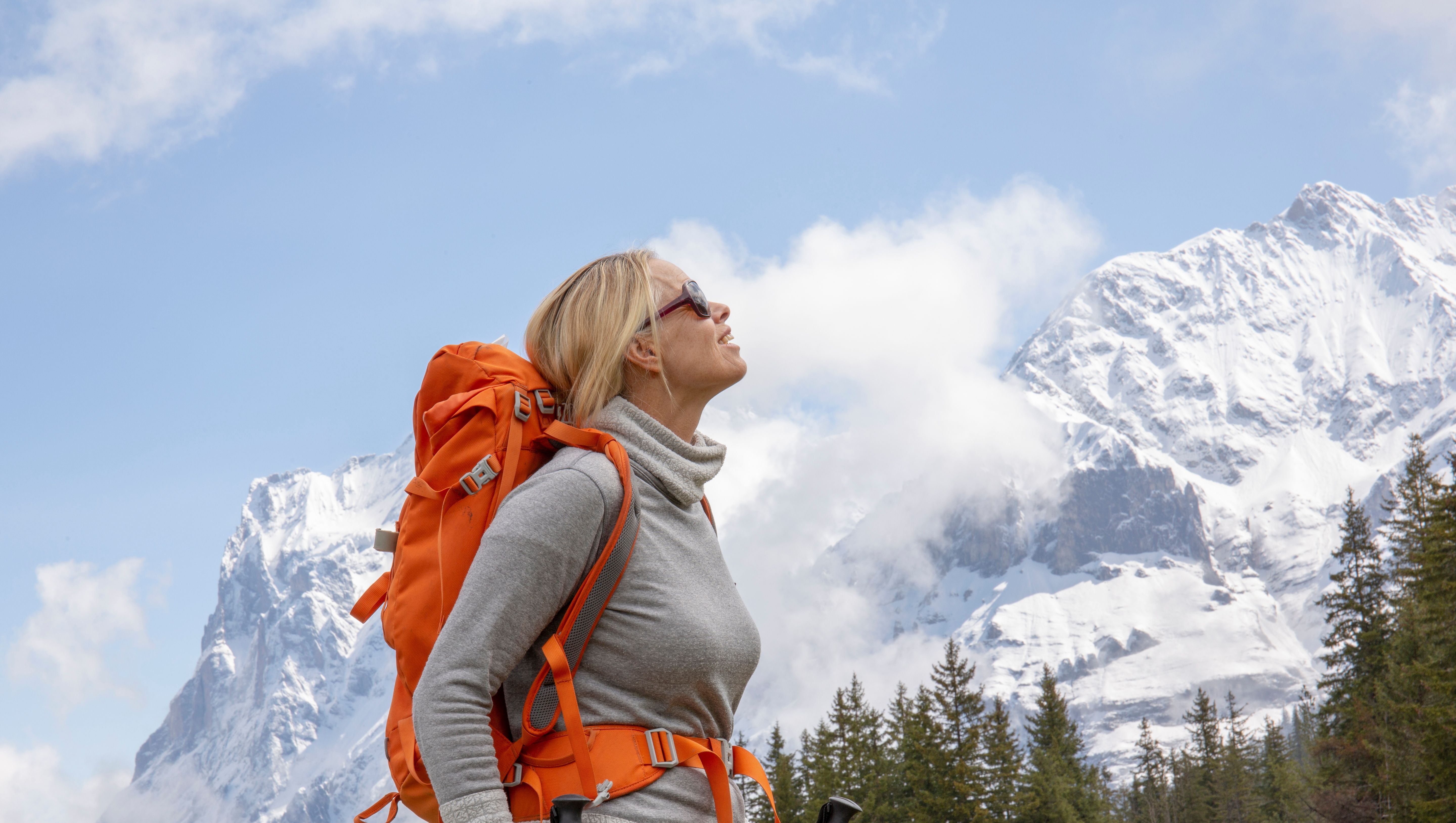
Mountains have a sneaky way of making us feel heroic. One minute you are lacing up your boots, admiring the sunrise, and telling yourself that granola is basically a personality. The next minute, your lungs are negotiating, your legs are filing a complaint, and your blood pressure may be quietly climbing like it bought a premium trail pass.
High-altitude hiking is thrilling, beautiful, and, for many people, completely safe when approached wisely. But altitude changes the rules inside the body. As elevation rises, air pressure drops, oxygen becomes less available, and the heart and blood vessels have to work harder to deliver oxygen to muscles, organs, and the brain. That extra work can raise blood pressure, especially during exertion, cold exposure, dehydration, poor sleep, or rapid ascent.
This does not mean hikers with normal blood pressure should panic, or that people with hypertension must cancel every mountain trip and take up couch-based birdwatching. It does mean altitude deserves respect. Whether you are planning a weekend in Colorado, a trek in the Sierra Nevada, a ski trip, or a “quick little hike” that somehow gains 2,000 feet before lunch, understanding high altitude blood pressure can help you enjoy the view without ignoring your health.
Why High Altitude Affects Blood Pressure
At sea level, your body gets oxygen with relatively little drama. At higher elevations, the atmosphere is thinner, meaning each breath contains less available oxygen. The body responds quickly. Breathing gets faster. Heart rate rises. Stress hormones increase. Blood vessels may tighten in some areas and relax in others. The result can be a noticeable change in blood pressure.
In simple terms, your cardiovascular system becomes the delivery driver in a mountain town during a snowstorm. It can still do the job, but every route takes more effort. When oxygen levels fall, the nervous system activates a “work harder” response. This sympathetic nervous system activation can increase heart rate and cause blood vessels to constrict, pushing blood pressure upward.
For many healthy hikers, the rise may be mild and temporary. For others, especially those with hypertension, heart disease, sleep apnea, kidney disease, or poor fitness, the increase can be more meaningful. Blood pressure may also rise more during hiking than at rest because exercise adds another demand: working muscles need oxygen, and the heart must pump more blood to supply it.
What Counts as High Altitude?
Altitude risk is not controlled by a giant switch that flips at one exact number. People vary. Some feel symptoms at 6,500 feet, while others feel fine above 10,000 feet. Still, common medical guidance often treats elevations above about 8,000 feet as the range where altitude illness becomes more likely. The risk rises with faster ascent, higher sleeping elevation, heavy exertion, and individual susceptibility.
Popular hiking and travel destinations can reach these levels quickly. Denver sits around 5,280 feet, but nearby mountain towns, ski areas, trailheads, and passes often climb much higher. Many U.S. hikes in Colorado, Wyoming, California, Utah, Montana, Alaska, and Washington can put visitors into elevations where the body has to adapt. The mountain does not care that you flew in yesterday and still have a brunch reservation.
Blood Pressure at Altitude: What Actually Happens?
Research suggests that blood pressure can rise after exposure to high altitude, particularly after several hours or days. The pattern is not identical for everyone. In some people, blood pressure may dip briefly because low oxygen can widen certain blood vessels. But as the body responds with increased nervous system activity, heart rate and blood pressure often rise.
During hiking, this effect can be amplified. Uphill effort, a heavy backpack, cold wind, caffeine, dehydration, and poor sleep can all add pressure to the system. A hiker with well-controlled blood pressure at home may see higher readings on the mountain, especially if they ascend quickly or push hard before acclimatizing.
People with mild to moderate hypertension can often travel to high altitude safely, but they should plan ahead. The key is control before the trip, gradual ascent during the trip, and smart pacing on the trail. High altitude is not the place to test whether your body enjoys surprises. Spoiler: your body prefers preparation.
Why Hikers With Hypertension Should Pay Attention
Hypertension, or high blood pressure, already means the heart and arteries are under extra strain. Add altitude, lower oxygen, physical exertion, and possibly cold temperatures, and the cardiovascular workload increases. For hikers with high blood pressure, this does not automatically mean danger, but it does mean the margin for error can shrink.
The biggest concern is uncontrolled hypertension. If your blood pressure is already high at home, it may rise further at altitude. That can increase the risk of symptoms such as headache, chest discomfort, unusual shortness of breath, dizziness, or fatigue. In people with existing heart disease, high altitude may also make angina, arrhythmias, or heart failure symptoms more likely.
Anyone with hypertension should talk with a healthcare professional before a high-altitude trip, especially if the route includes strenuous hiking, sleeping above 8,000 feet, or traveling far from medical care. This conversation is not about getting permission from a mountain hall monitor. It is about making sure medications, fitness level, and trip plans match the demands of the environment.
Symptoms Hikers Should Not Ignore
Altitude can be tricky because many symptoms overlap. A headache might be altitude sickness, dehydration, sun exposure, caffeine withdrawal, poor sleep, or the emotional weight of realizing your “easy loop” is not a loop. Still, symptoms deserve attention.
Common early altitude symptoms
Mild altitude sickness often begins with headache, nausea, dizziness, fatigue, poor appetite, and trouble sleeping. Some hikers feel unusually winded during activity. Others feel as if they have a hangover, even if the wildest thing they drank was electrolyte powder.
If symptoms are mild, the safest approach is to stop ascending, rest, hydrate, eat, and monitor how you feel. Going higher while symptoms worsen is a classic mistake. Mountains reward patience and punish ego with impressive efficiency.
Warning signs that require urgent action
Some symptoms are more concerning and should prompt immediate descent and medical help. These include shortness of breath at rest, chest pain or pressure, confusion, loss of coordination, fainting, blue or gray lips, severe weakness, or a worsening cough with breathlessness. These may suggest serious altitude illness or a heart-related problem.
For people with hypertension or heart disease, chest discomfort, unusual palpitations, severe headache, or neurological symptoms should never be brushed off as “just altitude.” When in doubt, descend. A summit selfie is not worth becoming a cautionary tale with good lighting.
Altitude Sickness vs. High Blood Pressure: How Are They Connected?
High blood pressure and altitude sickness are not the same condition, but they can travel together like two uninvited guests at the same campsite. Altitude sickness is mainly caused by reduced oxygen availability and the body’s difficulty adjusting. Blood pressure rise is one of several cardiovascular responses to that reduced oxygen.
A hiker can have altitude sickness without dangerously high blood pressure. A hiker can also have elevated blood pressure without classic altitude sickness. The overlap matters because symptoms such as headache, dizziness, fatigue, and shortness of breath can occur in both situations. That is why hikers with known hypertension may benefit from carrying a validated blood pressure monitor when traveling to high elevations, especially if advised by their clinician.
However, numbers are only part of the picture. A normal reading does not erase severe symptoms, and a high reading should be interpreted in context. Cold fingers, stress, movement, caffeine, and an ill-fitting cuff can affect readings. The smartest approach is to combine measurement with common sense, symptom awareness, and a low threshold for descending when things feel wrong.
How to Prepare Before Hiking at High Altitude
Check your baseline health
Before a high-altitude hiking trip, know your usual blood pressure. If you have hypertension, make sure it is controlled before you go. Do not wait until the night before the trip to wonder whether your medication plan is working. That is like checking your parachute after the inspirational speech.
Ask your healthcare provider whether your destination altitude, planned activity level, and sleeping elevation are appropriate. This is especially important if you have heart disease, prior stroke, lung disease, kidney disease, diabetes, pregnancy, sleep apnea, or a history of high-altitude illness.
Review medications carefully
Do not stop blood pressure medication because you are traveling. Skipping doses can cause blood pressure to rise and may increase risk. Pack enough medication for the full trip plus extra days in case of delays. Keep medication in carry-on luggage when flying and protect it from extreme temperatures.
Some hikers ask about preventive altitude medications such as acetazolamide. These can be helpful for certain travelers, but they require medical guidance and may not be right for everyone. People with allergies, kidney problems, medication interactions, or specific medical conditions need personalized advice.
Train before the trip
Fitness does not make you immune to altitude sickness, but it can make hiking less stressful on the cardiovascular system. Prepare with regular walking, hill climbs, stair workouts, or loaded backpack hikes. Include easy and moderate efforts rather than turning every workout into a dramatic movie montage.
Good conditioning helps you hike at a steady pace, recover faster, and avoid the “sprint for ten minutes, regret for two hours” strategy. The goal is not to become a mountain goat. The goal is to arrive with a heart and lungs that are not shocked by the concept of uphill.
Smart Hiking Strategies to Reduce Blood Pressure Stress
Ascend gradually
Gradual ascent is one of the best ways to reduce altitude problems. When possible, spend a night or two at moderate elevation before sleeping higher. Avoid going from low altitude to a very high sleeping elevation in one day. Above roughly 9,000 feet, many guidelines recommend limiting daily increases in sleeping elevation and adding rest days during continued ascent.
The phrase “sleeping elevation” matters. You can often hike higher during the day and return lower to sleep. This “climb high, sleep low” pattern gives the body exposure without forcing it to spend the night under maximum stress.
Start slower than you think you need to
At altitude, the first mile is not the place to prove your worth to strangers, marmots, or your own fitness watch. Start slow. Use a pace that allows conversation. Take breaks before you are exhausted. Hiking at high altitude should feel controlled, not like you are being chased by a tax audit.
For people with hypertension, intensity matters. Hard exertion can spike blood pressure even at sea level. At altitude, that spike may be larger. A steady, moderate pace is usually smarter than repeated bursts of all-out effort.
Hydrate, but do not overdo it
High altitude often brings dry air, faster breathing, sun exposure, and increased fluid loss. Dehydration can make headaches, fatigue, and dizziness worse. Drink regularly and pay attention to urine color, thirst, and energy level.
At the same time, more water is not always better. Overhydration can cause its own problems by diluting blood sodium. Pair fluids with food or electrolytes during longer hikes. The goal is sensible hydration, not turning your stomach into a sloshing alpine reservoir.
Limit alcohol and be cautious with caffeine
Alcohol can worsen sleep, dehydration, and judgment at altitude. Save the celebratory drink for after your body has had time to adapt, and even then, keep it moderate. Caffeine affects people differently. For regular coffee drinkers, a normal amount may prevent withdrawal headaches. But excessive caffeine can increase heart rate, anxiety, and dehydration risk in some hikers.
Protect yourself from cold
Cold temperatures can tighten blood vessels, which may raise blood pressure. Layer clothing, keep hands warm, and avoid getting chilled during breaks. A lightweight wind shell, hat, gloves, and dry base layer can make a big difference. Mountains are very good at turning “sunny and pleasant” into “why are my ears questioning my life choices?”
What to Pack for Blood Pressure Awareness
A smart high-altitude hiking kit includes more than snacks and optimism. Bring your regular medications, a written medication list, emergency contacts, sun protection, layers, water, food, a map or navigation tool, and a plan for descent. If you have hypertension, ask your clinician whether carrying a portable blood pressure monitor makes sense.
Choose a validated upper-arm monitor if practical. Wrist monitors are compact but can be more sensitive to position. Practice using the device at home before the trip. On the mountain, take readings while seated and rested, not immediately after climbing a steep section while arguing with your backpack.
It is also wise to know where the nearest lower-elevation town, ranger station, clinic, or road access point is located. Good planning is not pessimism. It is how experienced hikers make adventure look relaxed.
Who Should Be Extra Careful?
Some hikers should take extra precautions before traveling to high altitude. This includes people with uncontrolled hypertension, recent heart attack or stroke, unstable angina, severe heart failure, serious arrhythmias, pulmonary hypertension, severe lung disease, advanced kidney disease, or a history of high-altitude pulmonary or cerebral edema.
Older adults should not assume age alone rules out hiking. Many older hikers are strong, experienced, and impressively difficult to keep up with. But age can come with medications and medical conditions that deserve planning. The same goes for teens, competitive athletes, and very fit adults. Fitness helps performance, but it does not guarantee altitude tolerance.
Common Myths About Blood Pressure and Altitude
Myth 1: “If I am fit, altitude will not affect me.”
Fitness improves endurance, but altitude illness can affect trained athletes. In fact, fit hikers sometimes get into trouble because they can push harder despite early symptoms. The mountain does not check your gym membership before lowering oxygen availability.
Myth 2: “A headache is normal, so I should keep going.”
A mild headache may happen, but it should not be ignored. If it worsens, comes with nausea or dizziness, or does not improve with rest, food, fluids, and stopping ascent, take it seriously. Continuing upward can turn a small problem into a big one.
Myth 3: “Blood pressure medication means I cannot hike.”
Many people who take blood pressure medication hike safely. The issue is not the medication itself; it is whether blood pressure is controlled, whether the route is appropriate, and whether the hiker has a safe plan. Medical guidance can help match the adventure to the person.
Real-World Example: The Weekend Mountain Trip
Imagine a hiker named Mark who lives near sea level and takes medication for hypertension. His readings at home are usually controlled. He flies to Colorado, sleeps the first night at 8,500 feet, and plans a strenuous hike above 11,000 feet the next morning. He drinks little water, sleeps poorly, and starts fast because the group is excited.
By midmorning, Mark has a pounding headache and feels more breathless than expected. He assumes he is just out of shape and keeps climbing. At lunch, he feels dizzy and unusually tired. A smarter plan would have included a slower ascent, an easier first-day hike, better hydration, and a willingness to stop climbing when symptoms appeared.
Now imagine Mark adjusts. He spends the first day walking gently at moderate elevation, checks how he feels, drinks steadily, eats well, avoids alcohol, and hikes a shorter route before attempting a higher trail. Same destination, much better strategy. The mountain is still beautiful, but now it is not acting like a pop quiz for his cardiovascular system.
Experience Section: What Hikers Learn the Hard Way at Altitude
One of the most common experiences hikers report at high altitude is surprise. The trail may not look intimidating. The grade may seem reasonable. The weather may be postcard-perfect. Then, five minutes into a climb, breathing feels oddly loud, the heart beats faster than expected, and the body sends a clear message: “We are not at home anymore.”
Experienced hikers learn to treat the first day at elevation as an introduction, not an audition. The goal is to observe. How does your breathing feel on stairs? Are you sleeping well? Do you wake with a headache? Are your hands swelling? Are you unusually tired after an easy walk? These small clues matter. They help you decide whether tomorrow is a summit day, a scenic lake day, or a sit-on-a-bench-and-respect-oxygen day.
Another lesson is that pride is heavy. It weighs more than a full water bladder and takes up more room than a bear canister. People often get into trouble because they do not want to slow the group down. But good hiking partners prefer honesty over heroics. Saying “I need a break” is not weakness. It is trail intelligence. The strongest hikers are often the ones who know when to adjust the plan.
Blood pressure awareness adds another layer to that wisdom. A person with hypertension may feel perfectly normal at breakfast and still see higher readings after a cold, steep climb. That does not mean the trip is ruined. It means the body is reacting to stress. Rest, warmth, hydration, food, and descent can all reduce strain. The key is to respond early instead of waiting until symptoms become dramatic.
Many hikers also learn that sleep at altitude is weird. You may wake often, breathe irregularly, or feel less rested than usual. Poor sleep can raise stress hormones and make blood pressure harder to control the next day. Planning an easier morning after a rough night is not lazy; it is smart. Mountains are patient. Your itinerary should be, too.
Food matters more than people expect. At altitude, appetite can drop, but hiking still burns energy. Skipping meals can worsen fatigue and lightheadedness. Simple carbohydrates, salty snacks, warm soup, fruit, and easy-to-digest trail foods can help keep energy steady. No, a crushed granola bar found at the bottom of your pack is not a complete nutrition plan, though it has probably saved many hikers from becoming unpleasant company.
The best high-altitude experiences usually come from flexibility. Maybe the summit happens. Maybe the better story is the quiet meadow below it, where breathing feels easy and everyone stops pretending they enjoy suffering. The mountain will still be there. Blood pressure, oxygen, and judgment are more important than forcing a plan made at sea level by someone drinking coffee in front of a laptop.
For hikers, the takeaway is simple: respect altitude before it demands respect. Check your health, pace your climb, listen to symptoms, and descend when needed. High places can be joyful, humbling, and unforgettable. They are even better when your heart is not doing unpaid overtime.
Conclusion: The View Is Better When You Feel Good
High-altitude hiking does not have to be scary, but it should be taken seriously. Blood pressure can rise at high altitudes because lower oxygen levels push the heart, blood vessels, and nervous system to work harder. For healthy hikers, this may be temporary and manageable. For people with hypertension or heart conditions, it can be more important and deserves planning.
The safest strategy is beautifully unglamorous: ascend gradually, start slow, stay hydrated, eat enough, avoid overexertion, protect yourself from cold, take medications as prescribed, and pay attention to symptoms. If you feel worse as you climb, stop going higher. If symptoms are severe, descend and seek help.
The mountain does not need to be conquered in a single day. Sometimes the smartest hiker is not the one who reaches the highest point, but the one who knows how to come home feeling proud, healthy, and ready for the next trail.