Note: This article is for home gardening education. Always test homemade sprays on a few leaves first, and use milk in moderation so your garden does not start smelling like a forgotten lunchbox.
So, Is Milk Good for Plants?
Yes, milk can be good for plants when it is diluted and used carefully. No, your tomato plants do not need a tiny cereal bowl at sunrise. Milk is not a miracle fertilizer, and it should never replace compost, balanced plant food, good watering habits, or healthy soil. But as a gentle garden helper, diluted milk can offer a few surprising benefits.
Gardeners most often use milk for plants in two ways: as a diluted foliar spray to help manage powdery mildew and as a mild soil or compost additive that contributes small amounts of calcium, protein, sugars, and other organic compounds. The key phrase is “small amounts.” Milk is rich compared with water, but weak compared with a real fertilizer. Think of it as a sidekick, not the superhero in a cape.
The biggest reason milk has become popular in gardens is its reputation for helping with powdery mildew, the white, dusty fungal disease that loves cucumbers, squash, pumpkins, melons, beans, roses, zinnias, and other plants. Research and gardener experience suggest that milk spray can be useful as a preventive or early treatment, especially when applied consistently and in sunlight. Once powdery mildew has fully taken over, though, milk will not magically rewind the season.
Why Milk Can Help Your Garden
Milk Contains Calcium, but Context Matters
Milk is famous for calcium, and calcium is important for plants. It helps support cell wall strength, new growth, and overall plant structure. When plants cannot move enough calcium into developing fruit, problems like blossom-end rot can appear on tomatoes, peppers, eggplants, squash, and watermelons.
Here is the catch: blossom-end rot is often not caused by a total lack of calcium in the soil. In many gardens, calcium is present, but the plant cannot move it properly because watering is inconsistent, roots are stressed, soil pH is off, or too much nitrogen is pushing soft leafy growth. Pouring milk around tomato plants may sound charming, but it will not fix poor watering habits. Your tomato wants steady moisture more than it wants a dairy subscription.
If you suspect a real calcium shortage, the smarter move is to test the soil. Use gypsum, lime, or another recommended amendment only when the soil test says it makes sense. Milk can add a tiny calcium contribution, but it is not a reliable cure for major deficiencies.
Milk May Help Control Powdery Mildew
Powdery mildew looks like someone dusted your leaves with flour and then ran away from the kitchen. It often starts on older leaves or lower leaves and spreads across the plant surface. Unlike many fungal diseases, powdery mildew does not require soaking-wet leaves to thrive. Warm weather, humidity, crowded growth, poor airflow, and plant stress can all make it worse.
Diluted milk spray is one of the better-known homemade options for powdery mildew because milk contains proteins and organic compounds that may interfere with fungal growth. Some explanations suggest that when milk residue is exposed to sunlight, it may create conditions that are unfriendly to mildew spores. Milk may also encourage harmless microbes on the leaf surface, giving powdery mildew fewer comfortable places to settle down and unpack its suitcase.
For best results, milk spray should be used before powdery mildew becomes severe. It is most helpful on vulnerable crops such as squash, zucchini, cucumbers, pumpkins, melons, roses, bee balm, and zinnias. If the plant is already covered in white patches, remove the worst leaves, improve airflow, and consider labeled horticultural products if needed.
Milk Adds Organic Matter in Tiny Doses
Milk contains lactose, fats, proteins, minerals, and water. In tiny diluted amounts, those organic materials can feed soil microbes. Healthy soil life helps break down organic matter and supports nutrient cycling. That sounds fancy, but the basic idea is simple: living soil is busy soil, and busy soil tends to support stronger plants.
However, too much milk can sour, smell, attract flies, encourage unwanted mold, and create a sticky mess. In containers, especially indoor houseplant pots, milk can become a problem quickly because there is less soil volume and less airflow. A little diluted milk outdoors may disappear into the soil ecosystem. A big splash of milk in a houseplant pot may become a science fair project with fungus gnats.
How to Use Milk for Plants Safely
Best Milk Spray Recipe for Powdery Mildew
A practical milk spray for plants starts with dilution. A gentle recipe is one part milk to four parts water. For sensitive plants or first-time testing, use one part milk to nine parts water. Some gardeners use stronger mixtures, but stronger is not always better. The goal is to coat the leaves lightly, not turn the garden into a dairy aisle.
To make a simple spray, mix:
- 1 cup cow’s milk
- 4 to 9 cups water
- Optional: 1 or 2 drops of mild liquid soap to help the spray spread
Pour the mixture into a clean spray bottle or garden sprayer. Spray the tops and undersides of leaves in the morning on a sunny or bright day. The leaves should have time to dry before evening. Reapply once a week during mildew-prone weather or after heavy rain.
Always test a few leaves first. Wait 24 to 48 hours. If you see spotting, burning, wilting, or sticky buildup, dilute the mixture more or stop using it on that plant.
Can You Pour Milk Directly on Soil?
You can apply heavily diluted milk to outdoor soil in small amounts, but it should not be a routine replacement for watering or fertilizing. If you have a small amount of expired plain milk, dilute it with plenty of water and apply it around outdoor ornamental beds, compost piles, or vegetable garden soil. Avoid pouring it directly against stems.
A safe occasional soil drench might be one part milk to ten parts water. Apply lightly, then water normally. Do not repeat often. If the soil smells sour, looks slimy, attracts insects, or grows strange fuzz, stop. Your garden is politely asking you to put the milk carton down.
What Type of Milk Works Best?
Plain cow’s milk is the usual choice for garden use. Whole milk, 2% milk, and skim milk have all been used by gardeners. Powdered milk can also be mixed with water, although it should be fully dissolved before spraying. Avoid chocolate milk, sweetened milk, flavored milk, condensed milk, cream, and sugary dairy drinks. Plants do not need vanilla latte energy.
Plant-based milks such as almond, oat, soy, or coconut milk are not direct substitutes. They have different fats, sugars, proteins, additives, and stabilizers. Some may leave residues or attract pests. For powdery mildew sprays, stick with plain dairy milk if you are using the traditional milk method.
Which Plants May Benefit from Milk?
Vegetable Garden Favorites
Milk spray is most often discussed for cucurbits: cucumbers, zucchini, pumpkins, squash, and melons. These plants are famous for powdery mildew, especially late in the season when leaves are large, weather is humid, and airflow is limited. A weekly diluted milk spray can be part of a prevention plan, along with proper spacing, pruning, and watering at the soil line.
Tomatoes may also tolerate diluted milk spray, but do not count on milk to solve every tomato problem. For blossom-end rot, consistent watering, mulch, proper pH, and balanced fertilizing matter more. For fungal leaf diseases, sanitation and airflow matter. Milk may help with mild powdery mildew, but it is not a cure-all for early blight, septoria leaf spot, bacterial diseases, or root problems.
Flowers and Ornamentals
Roses, zinnias, phlox, bee balm, dahlias, and some other ornamentals are prone to powdery mildew. Diluted milk spray may help when used early, especially as part of a broader routine. Remove badly infected leaves, avoid crowding, and choose resistant varieties when possible.
Do not spray milk on delicate blooms right before a party, garden tour, or backyard wedding unless you enjoy explaining why the roses smell faintly like breakfast. Apply to foliage, not flowers, and use a light hand.
Houseplants
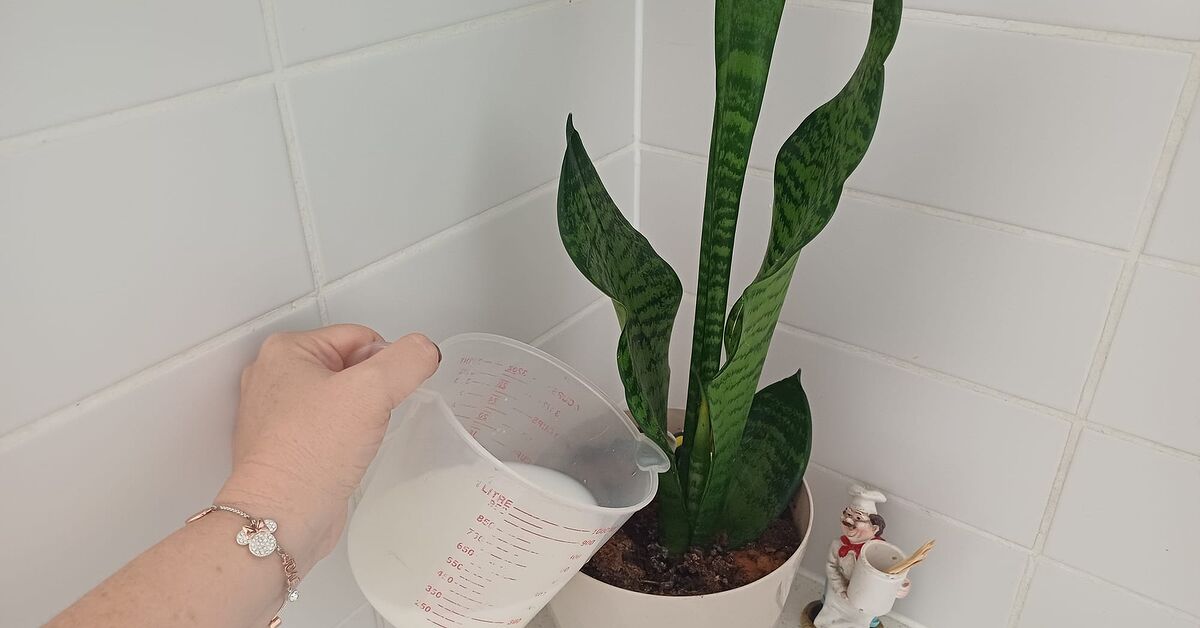
Houseplants are the trickiest group. Indoor air circulation is often poor, and pots do not have the same microbial buffering capacity as outdoor soil. If you use milk spray indoors, dilute it strongly, test first, and wipe leaves after a short period if residue remains. Never pour milk into a houseplant pot as a “treat.” That treat can become odor, mold, and pests.
When Milk Is Not Good for Plants
When You Use Too Much
Too much milk can cause problems. It can sour in warm weather, attract insects, encourage unpleasant microbial growth, and leave greasy or sticky films on leaves. Thick residues may block light, trap dust, or make leaves look dull. If your plant starts smelling like old yogurt, the application was too generous.
When the Plant Has the Wrong Problem
Milk is not a universal plant medicine. It will not fix root rot, nutrient lockout, severe insect infestations, viral diseases, bacterial wilt, drought damage, overwatering, compacted soil, or a plant placed in the wrong light. Before treating anything, identify the real problem. A white coating on leaves may be powdery mildew, but yellowing leaves may be caused by watering, nutrient imbalance, pests, age, or disease.
When You Skip Basic Garden Care
The best powdery mildew prevention still begins with strong gardening habits. Choose resistant varieties. Give plants enough space. Water at the base instead of showering the leaves. Remove infected debris at the end of the season. Mulch vegetables to stabilize soil moisture. Avoid overfeeding with nitrogen. Milk spray works best when it joins a good routine, not when it tries to rescue chaos.
Milk vs. Traditional Fertilizer: What Gardeners Should Know
Calling milk a fertilizer is technically understandable but practically misleading. Milk contains nutrients, but it does not provide the predictable nitrogen, phosphorus, and potassium ratios found in plant fertilizers. It also does not come with application rates designed for plant growth. A balanced fertilizer, compost, aged manure, or soil-test-based amendment plan is much more dependable.
Use milk for plants only as a supplemental garden hack. It may help in very specific situations, especially powdery mildew prevention, but healthy plant growth depends on soil structure, sunlight, water, nutrients, temperature, spacing, and pest management. Milk is one small tool in the shed. It is not the shed.
Step-by-Step: A Smart Milk Spray Routine
- Identify the plant problem. Confirm that you are dealing with powdery mildew or a plant that is prone to it.
- Mix a mild solution. Start with one part milk and nine parts water for sensitive plants, or one part milk and four parts water for tougher outdoor vegetables.
- Test first. Spray a few leaves and wait 24 to 48 hours.
- Spray in the morning. Coat leaves lightly so they dry before evening.
- Repeat weekly. Reapply after rain or during humid mildew-prone weather.
- Improve conditions. Prune for airflow, water at soil level, and remove badly infected leaves.
- Stop if problems appear. Odor, residue, leaf burn, or pest attraction means the mixture is too strong or unnecessary.
Common Mistakes to Avoid
Using Undiluted Milk
Undiluted milk is too rich for routine plant use. It can leave residue, smell bad, and invite pests. Always dilute it. Your garden needs a mist, not a milk bath.
Spraying at Night
Night spraying keeps leaves damp longer and may reduce the benefit of sunlight. Morning is better because leaves dry faster and the milk residue has daylight exposure.
Expecting Instant Results
Milk spray is not a dramatic overnight rescue. It is a preventive or early-stage helper. If powdery mildew is already heavy, remove damaged leaves and use a broader management plan.
Ignoring Soil Testing
If your plants show nutrient problems, do not guess. Soil testing helps you understand pH, calcium, phosphorus, potassium, organic matter, and other factors. Guessing with home remedies can waste time and sometimes make the issue worse.
Real-World Garden Experience: What Using Milk on Plants Actually Feels Like
The most useful way to understand milk for plants is to picture a normal summer garden, not a perfect magazine garden where every leaf looks airbrushed. The zucchini is growing like it has a gym membership. The cucumbers are climbing the trellis. The pumpkins are attempting a quiet takeover of the walkway. Then, one morning, you notice the dreaded white dust on the older leaves. Powdery mildew has arrived wearing its tiny villain cape.
In this situation, diluted milk spray can feel surprisingly practical. It is cheap, easy to mix, and already in many refrigerators. A gardener might mix one cup of milk with four cups of water, shake it in a spray bottle, test a few leaves, and then spray the affected plant lightly the next morning. The goal is not to soak the plant until it drips. A fine coating is enough. After a few days, the existing white patches may look less aggressive, and new leaves may stay cleaner if spraying continues weekly.
The experience is usually best when the gardener also fixes the conditions that invited mildew in the first place. That means trimming a few overcrowded leaves, spacing vines away from each other, watering at the base, and removing old infected debris. Milk spray alone is like brushing your teeth while eating cookies nonstop. Helpful, yes. Complete strategy, no.
Another common experience happens with tomatoes. Someone hears that milk contains calcium and thinks, “Aha! Blossom-end rot will never defeat me again.” Then they pour milk around the tomatoes and wait for perfection. Unfortunately, the next tomato may still develop that dark leathery spot at the bottom. That is because the issue often involves water movement inside the plant. If the soil swings from dry to drenched, calcium cannot travel consistently to the developing fruit. The better fix is mulch, deep watering, even moisture, careful fertilizing, and soil testing when needed.
For houseplants, the experience can be less charming. A tiny amount of highly diluted milk wiped on dusty leaves may look fine, but pouring milk into potting mix is asking for trouble. Indoor pots can sour fast. Fungus gnats are not picky guests, and they do not bring snacks. Most houseplants are better served by clean water, proper light, fresh potting mix, and a suitable fertilizer.
The best gardener attitude toward milk is curious but not gullible. Try it on a small scale. Use it for a clear purpose. Keep notes. If the squash stays cleaner and the spray causes no odor or leaf damage, wonderful. If the plant reacts badly or the garden smells like a dairy truck in July, stop. Gardening is part science, part observation, and part learning not to panic every time a leaf looks weird.
In the end, milk can earn a modest place in the home garden, especially for powdery mildew prevention. It is simple, affordable, and surprisingly useful when used with restraint. Just remember the golden rule: plants appreciate balance. They want sunlight, water, airflow, healthy soil, and sensible care. Milk is only a bonus sip.
Conclusion: Should You Use Milk in the Garden?
Milk can be good for plants when it is diluted, applied carefully, and used for the right purpose. Its best-known garden role is as a homemade milk spray for plants that are vulnerable to powdery mildew. It may also add tiny amounts of calcium and organic material to outdoor soil, but it should not replace real fertilizer, compost, soil testing, or consistent watering.
If you want to try milk in your garden, start small. Use plain dairy milk, dilute it well, spray in the morning, and test before treating an entire plant. Avoid using milk heavily in containers or indoors, and do not rely on it to cure serious diseases or nutrient disorders. When used wisely, milk can be a quirky, low-cost garden helper. When overused, it can turn your garden into a smelly reminder that nature has a sense of humor.
The short answer: yes, milk can help plants, especially against early powdery mildew. The smarter answer: your garden will love milk only when you serve it responsibly.