Spoiler alert: This guide contains progressive hints first, then the full NYT Strands answer for Sunday, December 14, 2025. If you still want to wrestle with the puzzle like it owes you rent, stop before the answer section.
The New York Times Strands puzzle for December 14, 2025 arrived with the theme clue “Pricy pairing”, which sounds like it could be about designer handbags, celebrity couples, or two avocados at a downtown brunch spot. But no, today’s puzzle is tastier than that. The answer set points toward a classic upscale dinner combination: seafood from the “surf” and steak from the “turf.”
Today’s Strands puzzle is game #651, and the central spangram is SURFANDTURF. The theme words are CRAB, LOBSTER, SCALLOP, SHRIMP, RIBEYE, and SIRLOIN. In other words, this grid walked into a steakhouse, ordered without looking at the prices, and left us to decode the bill.
Today’s NYT Strands Theme: “Pricy pairing”
The official theme clue for today is “Pricy pairing.” The phrase is short, playful, and just vague enough to make solvers suspicious. At first glance, “pairing” may send your brain toward wine, shoes, socks, celebrity couples, or words that commonly appear together. “Pricy” narrows it down, but not immediately. That is what makes this puzzle fun: the clue does not hand you the answer on a silver platter, although the final answer absolutely belongs on one.
The real idea behind the theme is a luxury food pairing. Once you spot one or two seafood words or steak-related words, the whole puzzle starts to smell like drawn butter and grill smoke. The phrase surf and turf traditionally refers to a meal that combines seafood with red meat, especially steak. Common examples include lobster with filet mignon, shrimp with sirloin, scallops with ribeye, or other combinations that make restaurant menus sound like they are wearing a tuxedo.
Gentle Hints for NYT Strands December 14, 2025
Need a push without fully spoiling the board? Start here. These clues are designed to help you think in the right direction while still letting you enjoy the little “aha!” moment that makes Strands addictive.
Hint 1: Think restaurant menu, not shopping mall
The word “pricy” is not pointing to expensive brands, luxury cars, jewelry, or fancy real estate. It is pointing toward something you might order for a special dinner. If the puzzle were a person, it would be wearing a napkin on its lap and asking whether the lobster tail comes with butter.
Hint 2: The answers fall into two food groups
The theme words are split between seafood and beef. Some answers come from the ocean, while others come from the steakhouse side of the menu. This dual structure is the biggest key to solving the puzzle.
Hint 3: The spangram is a familiar dining phrase
The spangram describes the entire theme. It is not a single ingredient. It is a phrase used for a meal that pairs seafood with steak. Once you find it, the remaining words become much easier to locate.
Stronger Hints Before the Full Answer
Still stuck? No shame. Strands can make your eyes cross like you have been staring into alphabet soup for too long. Here are stronger clues that reveal the structure of today’s puzzle without giving everything away instantly.
First-letter hints
The theme words begin with these letters:
- CR
- LO
- SC
- SH
- RI
- SI
- SU spangram
Category hints
Four of the theme entries are seafood items. Two are steak cuts. The spangram ties both sides together with a phrase associated with high-end dining. If you have found RIBEYE or SHRIMP, you are already standing at the entrance of the steakhouse.
Spangram position hint
The spangram is mostly diagonal and stretches across the board from one side to another. It begins with SU and forms a familiar three-word phrase when spaced naturally: surf and turf.
NYT Strands Spangram for December 14, 2025
The spangram for today’s NYT Strands puzzle is:
SURFANDTURF
Written normally, that becomes “surf and turf.” This is the perfect answer for the clue “Pricy pairing” because it combines “surf,” meaning seafood, with “turf,” meaning meat from land animals, usually beef. It is the kind of phrase you expect to see next to market-price seafood, steak upgrades, and a waiter who says “excellent choice” with dangerous confidence.
NYT Strands Answers for Today, December 14, 2025
Here is the full answer list for today’s Strands puzzle:
- CRAB
- LOBSTER
- SCALLOP
- SHRIMP
- RIBEYE
- SIRLOIN
- SPANGRAM: SURFANDTURF
This is a clean, satisfying answer set because every theme word fits naturally under the spangram. CRAB, LOBSTER, SCALLOP, and SHRIMP represent the surf side. RIBEYE and SIRLOIN represent the turf side. The combination makes the clue feel clever instead of unfair.
Why Today’s Puzzle Was Tricky
The challenge of this NYT Strands puzzle comes from the clue’s flexibility. “Pricy pairing” is not instantly food-specific. That means solvers may waste time thinking about expensive duos: designer shoes, wine pairings, luxury watches, celebrity couples, or even tech bundles. The clue becomes obvious only after one of the food words appears.
For many players, CRAB or SHRIMP may be the first breakthrough. But finding only seafood can still be confusing. The real unlock often happens when a steak word such as RIBEYE or SIRLOIN appears. At that point, the puzzle stops being a random seafood platter and becomes a full surf-and-turf dinner.
The spangram also adds a nice layer of satisfaction. SURFANDTURF is long enough to guide the rest of the board, but familiar enough that most players will recognize it once a few letters connect. This is one of those Strands puzzles where the central phrase acts like a light switch. Before it, everything feels scattered. After it, the grid practically starts pointing at the remaining answers with a tiny fork.
How to Solve a Puzzle Like This Faster
Start with the clue, but do not marry your first interpretation
Strands clues are often playful. The first meaning that pops into your head may be wrong, or only partly right. With “Pricy pairing,” the word “pairing” can easily suggest wine, fashion, or matching items. Keep those ideas loose. If the letters on the board start revealing food words, let the evidence lead.
Look for short, concrete words
Today’s puzzle includes several manageable words, especially CRAB and SHRIMP. Short words are useful because they give you quick confirmation of the theme. In Strands, one confirmed word can change the entire puzzle from chaos to “Oh, I see what you did there.”
Use the spangram as a map
The spangram is not just another answer. It is the spine of the puzzle. Once you find SURFANDTURF, it tells you exactly what kind of words belong on the board. It also uses a large chunk of letters, which makes nearby leftover paths easier to inspect.
Separate the theme into subgroups
Today’s answer set becomes much easier when divided into two groups: seafood and steak. If you already found LOBSTER and SCALLOP, ask yourself what belongs on the other side of the phrase. That question naturally leads to RIBEYE and SIRLOIN.
Answer Analysis: Why “SURFANDTURF” Fits Perfectly
The best Strands puzzles have a theme that feels obvious after you solve it but not too obvious before you begin. Today’s puzzle hits that sweet spot. The clue “Pricy pairing” hints at cost and combination, while the spangram SURFANDTURF explains both ideas. Seafood plus steak is a classic restaurant pairing, and it is often associated with premium dining.
The individual answers are also well chosen. LOBSTER may be the most obvious luxury seafood item. SCALLOP and SHRIMP are common surf-and-turf partners. CRAB fits the seafood side neatly. On the beef side, RIBEYE and SIRLOIN are recognizable steak cuts, not obscure butcher-shop vocabulary that would send casual solvers running to a meat chart.
There is also a nice balance in word length. The puzzle gives players a few shorter entries to grab onto, while longer words like LOBSTER, SCALLOP, and SIRLOIN provide enough challenge to make the board feel earned. Nobody wants a puzzle that solves itself before the coffee cools. Nobody wants one that feels like a tax form either. This one lands comfortably in the middle.
What Is NYT Strands?
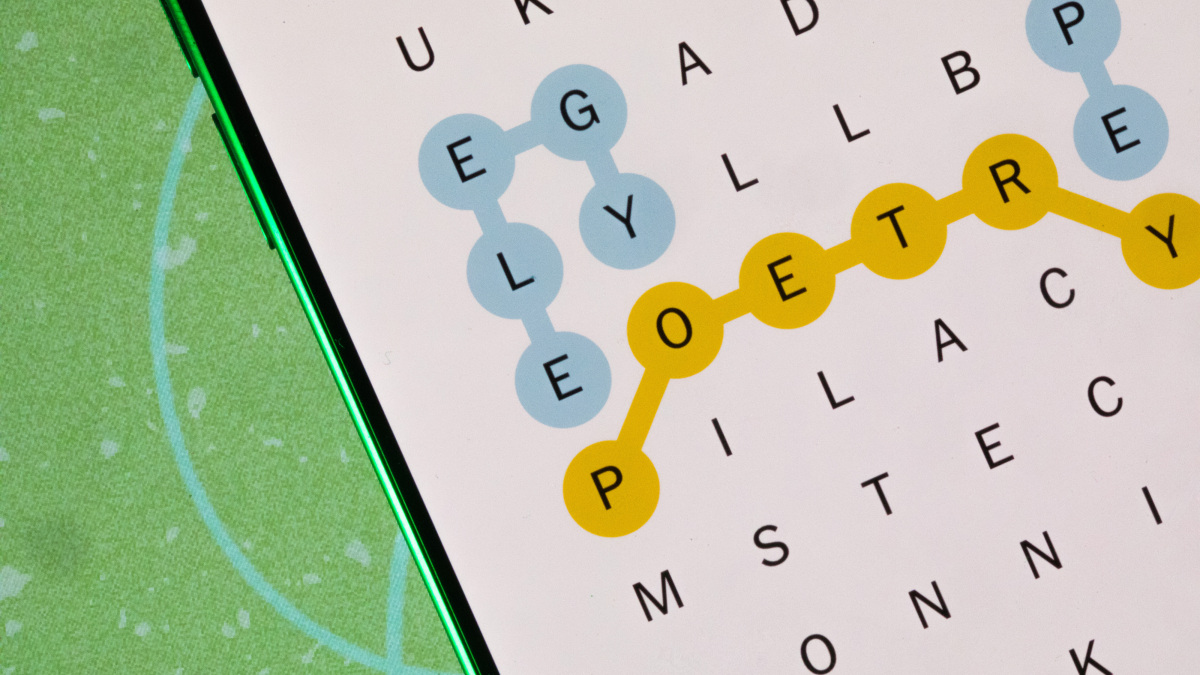
NYT Strands is a daily word-search-style puzzle from The New York Times Games family. Each puzzle gives players a grid of letters and a theme clue. The goal is to find all theme-related words and the spangram, a special answer that explains the theme and stretches across the grid.
Unlike a traditional word search, Strands words can bend and twist through adjacent letters. That means an answer may travel horizontally, vertically, diagonally, or in a winding path that looks like it was planned by a squirrel with a GPS problem. When a theme word is found, it stays highlighted. When the spangram is found, it gets special treatment because it reveals the puzzle’s main idea.
The game also includes a hint system. If you find enough valid non-theme words, you can earn help. This makes Strands friendlier than some daily puzzles because getting stuck is not the end of the road. You can keep searching, build hints, and eventually nudge the puzzle open without feeling like the alphabet has personally betrayed you.
Playing Experience: Solving December 14, 2025’s Strands Puzzle
The experience of solving the December 14, 2025 Strands puzzle is a good reminder that the hardest part is not always the vocabulary. Sometimes the tricky part is interpreting the clue without overthinking it. “Pricy pairing” is a tiny phrase with a surprisingly wide doorway. At first, it invites all sorts of guesses. Maybe the puzzle is about expensive couples. Maybe it is about jewelry sets. Maybe it is about wine and cheese. Maybe it is about two concert tickets after fees, which is truly the most expensive pairing known to modern civilization.
Then a word like CRAB appears, and the puzzle shifts. Crab could mean food, zodiac signs, beach life, or someone’s mood before breakfast. It is helpful, but not enough. Next, if SHRIMP or LOBSTER shows up, the seafood category becomes obvious. Still, the clue says “pairing,” so the question becomes: paired with what? That moment is where the puzzle earns its charm.
Finding RIBEYE is the turning point. Suddenly, the board is no longer about seafood alone. It is about dinner. Not just dinner, either, but the kind of dinner that comes with linen napkins, a lemon wedge, and the quiet fear that you should not have ordered sparkling water without asking the price. Once steak enters the scene, SURFANDTURF becomes the natural phrase to test.
That is the best kind of Strands moment: the clue, spangram, and word list all click together at once. It feels less like guessing and more like watching a blurry picture snap into focus. The remaining words then become easier because the brain has a category to search. If you know you need seafood, you scan for shellfish. If you know you need steak cuts, you look for beef terms. The puzzle becomes a treasure hunt instead of a random letter crawl.
Another enjoyable part of this puzzle is that the answers are familiar. SCALLOP may take a little more attention because of its double letters and curved path, but it is still common enough for most players. SIRLOIN can be sneaky because it has a smooth, less visually obvious letter pattern. RIBEYE, meanwhile, is distinctive and satisfying to uncover, especially if it appears before the spangram.
As a solving experience, this puzzle feels like a medium-to-hard challenge for casual players and a fun warm-up for regular Strands fans. It is not brutally obscure. It does not rely on rare words, specialist jargon, or a theme so niche that only three people and a museum curator would understand it. Instead, it rewards flexible thinking. You begin with an ambiguous clue, gather evidence, identify the category, and let the spangram tie everything together.
There is also something funny about a puzzle themed around an expensive meal being free to solve. You get the lobster, scallops, shrimp, ribeye, sirloin, and crab without paying a restaurant bill. That may be the best bargain in the entire NYT Games universe. Of course, you only get the words, not the food, which is rude but understandable.
The main lesson from today’s Strands is simple: do not cling too tightly to your first interpretation. Let the board talk. If the clue seems broad, search for concrete words first. Once a few answers appear, ask what category they suggest. The spangram usually sits at the intersection of the clue and the word list. In today’s case, that intersection happens to be a steakhouse table with seafood on one side and beef on the other.
Final Thoughts
The NYT Strands answer for December 14, 2025 is a satisfying food-themed puzzle built around the spangram SURFANDTURF. The clue “Pricy pairing” is clever because it is broad enough to mislead but fair once the seafood and steak answers begin to appear. With theme words like CRAB, LOBSTER, SCALLOP, SHRIMP, RIBEYE, and SIRLOIN, the puzzle delivers a complete and polished concept.
If you solved it without hints, congratulations: your word-search radar is nicely seasoned. If you needed a hint, no problem. Even the best Strands players occasionally stare at a grid and wonder whether letters are legally allowed to behave this way. Today’s puzzle was not impossible, but it did require the right mental jump from “expensive pairing” to “classic steak-and-seafood dinner.” Once that clicked, the rest of the board became much more delicious.
Note: This article contains spoilers for the archived NYT Strands puzzle published on December 14, 2025.