Breakfast steak is the glorious answer to a very serious morning question: “What if breakfast stopped whispering and started wearing boots?” It is fast, rich, satisfying, and surprisingly easy to cook at home. A good breakfast steak does not need a steakhouse budget, a dramatic chef hat, or a kitchen torch you bought during a phase. It needs the right cut, a hot pan, a little patience, and a plan.
This guide walks you through how to cook breakfast steak in 13 practical steps, from choosing the cut to serving it with eggs, potatoes, toast, or vegetables. The goal is simple: a juicy steak with a browned crust, tender center, and enough breakfast confidence to make cereal feel underdressed.
Breakfast steak is usually thinner and quicker-cooking than a dinner steak. That means timing matters. A thin steak can go from “perfectly medium-rare” to “why is my shoe on a plate?” in less time than it takes coffee to cool. With the right method, however, you can cook a flavorful steak in about 10 to 15 minutes and still have time to fry eggs, pour coffee, and pretend you are a morning person.
What Is Breakfast Steak?
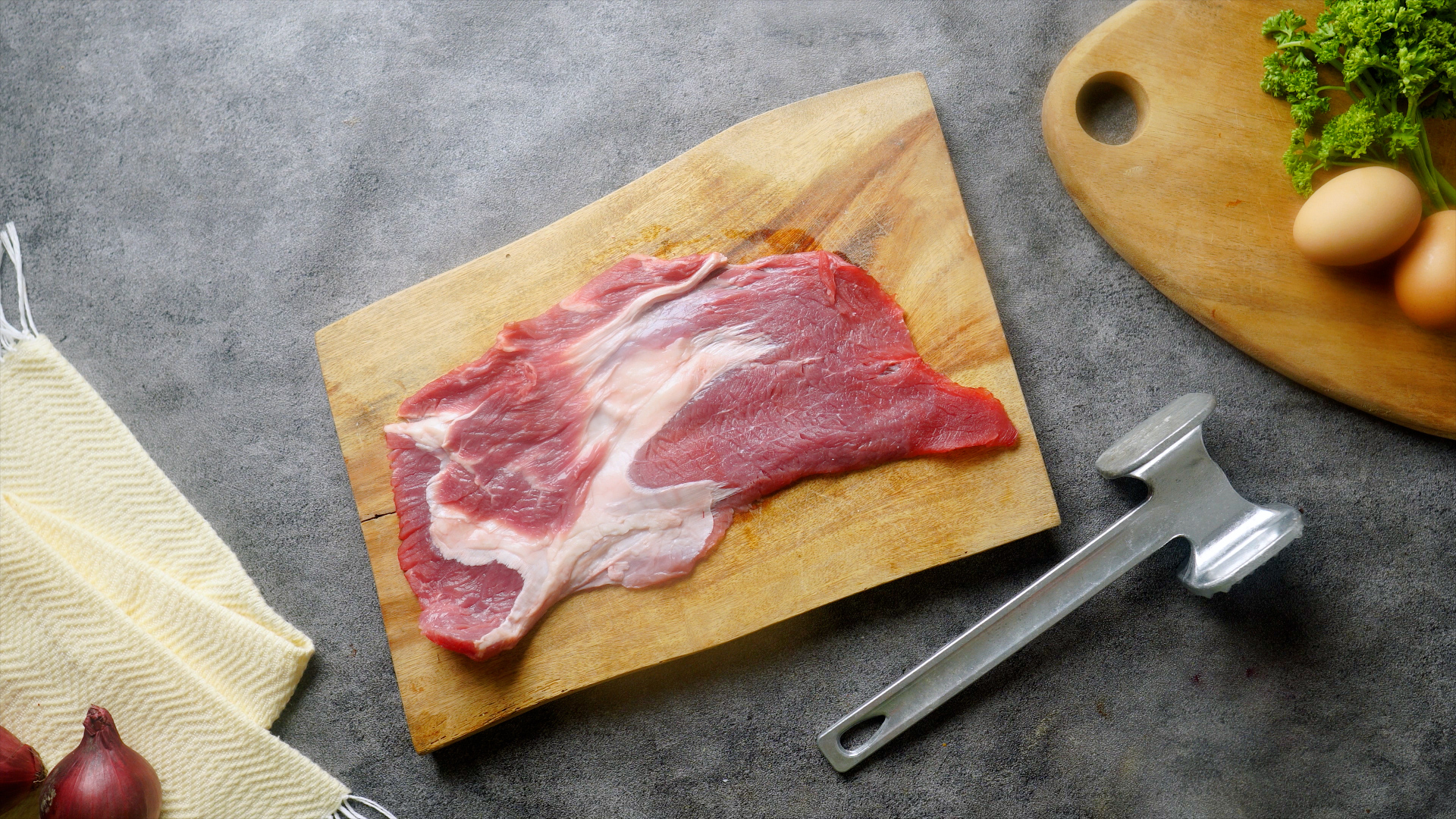
Breakfast steak is not one single cut of beef. It is more of a breakfast-friendly style: a smaller, thinner steak cooked quickly and served with classic morning sides. Popular cuts include sirloin, ribeye, New York strip, skirt steak, flank steak, flat iron, chuck eye, and even thin-cut round steak when marinated properly.
The best breakfast steak is tender enough to cook quickly but flavorful enough to stand beside eggs. It should be thin enough for fast stovetop cooking, usually around 1/2 inch to 1 inch thick. Thicker steaks can work too, but they may need a short oven finish after searing.
How to Cook Breakfast Steak: 13 Steps
Step 1: Choose the Right Cut
For an easy breakfast steak, choose a cut that balances tenderness, flavor, and quick cooking. Sirloin steak is lean, affordable, and dependable. Ribeye is richer and juicier because of its marbling. New York strip gives you a classic steakhouse bite. Skirt steak and flank steak are flavorful but should be sliced against the grain after cooking.
If you are new to cooking steak for breakfast, start with a 3/4-inch sirloin or strip steak. It is forgiving, cooks quickly, and does not require a culinary pep talk.
Step 2: Let the Steak Sit Briefly Before Cooking
Take the steak out of the refrigerator about 20 to 30 minutes before cooking. This helps remove the deep chill, which can make the outside overcook before the center warms properly. You do not need to leave it out for hours. This is breakfast, not a medieval banquet.
While the steak rests, prepare your eggs, toast, potatoes, or vegetables. Breakfast moves fast once the pan gets hot, so having everything ready is the difference between calm cooking and yelling at a spatula.
Step 3: Pat the Steak Very Dry
Moisture is the enemy of browning. Before seasoning, pat the steak dry on all sides with paper towels. This step may look boring, but it is where the crust begins. A wet steak steams. A dry steak sears. Your taste buds can tell the difference, even if your sleepy morning brain cannot.
Step 4: Season Simply but Generously
Season both sides of the steak with kosher salt and freshly ground black pepper. For a breakfast twist, you can add garlic powder, smoked paprika, onion powder, or a pinch of cayenne. Keep the seasoning balanced. You want steak with breakfast attitude, not beef wearing a spice cabinet as a jacket.
If your steak is thin, season right before cooking. If it is closer to 1 inch thick, you can salt it 30 minutes ahead to help the seasoning penetrate slightly and improve surface dryness.
Step 5: Choose the Right Pan
A cast-iron skillet is excellent for breakfast steak because it holds heat well and helps create a strong crust. A heavy stainless-steel skillet also works. Avoid lightweight pans that cool down quickly when the steak hits the surface. A cold pan gives you gray steak, and gray steak is nobody’s breakfast dream.
If you are cooking eggs after the steak, cast iron gives you a bonus: flavorful browned bits in the pan. Those little bits can turn potatoes, mushrooms, or eggs into something suspiciously close to brunch restaurant food.
Step 6: Preheat the Pan Properly
Heat the skillet over medium-high to high heat until it is very hot. For cast iron, this may take several minutes. The pan should be hot enough that the steak sizzles immediately on contact. If the pan is not hot, the steak will release moisture and struggle to brown.
Turn on the vent hood or crack a window. A good sear can create smoke, and you want breakfast steak, not a surprise fire drill starring your smoke detector.
Step 7: Add a High-Heat Oil
Add a small amount of neutral, high-heat oil such as avocado oil, canola oil, vegetable oil, or grapeseed oil. You only need enough to lightly coat the pan. Too much oil can splatter; too little may cause sticking before the crust forms.
Butter is delicious, but it burns quickly at high heat. Save butter for basting near the end, when the steak has already developed color.
Step 8: Sear the Steak Without Panic
Place the steak in the hot pan and let it sear. You should hear an immediate sizzle. For a steak around 3/4 inch thick, cook the first side for about 2 to 3 minutes. Do not press it down with a spatula. Pressing steak does not make it cook better; it just squeezes out juices and makes you look like you are interrogating breakfast.
Let the crust form before flipping. If the steak sticks badly, give it a little more time. Once browned, it usually releases more easily.
Step 9: Flip and Finish the Second Side
Flip the steak with tongs and cook the second side for another 2 to 3 minutes, depending on thickness and preferred doneness. Thin breakfast steaks cook quickly, so stay close. This is not the moment to reorganize your inbox or investigate why your toaster has a “bagel” button.
For even cooking, you can flip the steak every minute after the first sear. Frequent flipping can help manage heat and reduce the risk of overcooking one side.
Step 10: Add Butter and Aromatics
During the final minute of cooking, reduce the heat slightly and add a small pat of butter, a smashed garlic clove, and a sprig of rosemary or thyme if you have them. Tilt the pan and spoon the melted butter over the steak several times. This adds flavor and gives the crust a glossy finish.
This step is optional, but it makes the kitchen smell like you know secrets. Even a simple sirloin tastes more special with a quick butter baste.
Step 11: Check the Internal Temperature
The most reliable way to cook breakfast steak is with an instant-read thermometer. Insert it into the thickest part of the steak from the side. For food safety, U.S. guidance recommends cooking whole beef steaks to a minimum internal temperature of 145°F followed by a 3-minute rest. Many cooks prefer steak at different doneness levels, but thermometer use is the best way to avoid guessing.
As a practical cooking guide, steak is often removed from the pan a few degrees before the target temperature because carryover heat continues cooking it as it rests. Thin steaks have less carryover than thick steaks, so watch them carefully.
Step 12: Rest the Steak Before Slicing
Transfer the steak to a cutting board and let it rest for 3 to 5 minutes. Resting helps the juices redistribute so they stay in the meat instead of flooding the board. This is also the perfect time to cook eggs in the same pan.
If you slice immediately, the steak may lose more juice. Waiting a few minutes feels difficult, especially when the steak smells unfairly good, but your patience will be rewarded.
Step 13: Slice and Serve Like Breakfast Royalty
Slice the steak against the grain, especially if using skirt, flank, or flat iron steak. Cutting against the grain shortens the muscle fibers and makes each bite more tender. Serve with eggs, roasted potatoes, hash browns, toast, avocado, sautéed spinach, mushrooms, or a bright spoonful of salsa.
For a classic plate, pair breakfast steak with two eggs and crispy potatoes. For a lighter version, serve it with scrambled eggs and fruit. For a full “I have conquered the morning” plate, add toast, grilled tomatoes, and coffee strong enough to file paperwork.
Best Seasonings for Breakfast Steak
Salt and pepper are enough for a great steak, but breakfast steak also welcomes bolder flavors. Try a simple mix of kosher salt, black pepper, garlic powder, and smoked paprika. For a Southwestern version, add cumin and chili powder. For a steak-and-eggs diner vibe, use onion powder, cracked pepper, and a tiny pinch of cayenne.
Avoid sugary rubs over very high heat because sugar can burn before the steak cooks. If you want sweetness, use a finishing sauce, steak butter, or a small drizzle of maple-chili butter after cooking.
Breakfast Steak Doneness Guide
Doneness depends on personal preference, steak thickness, and food-safety comfort. An instant-read thermometer is more accurate than cutting into the steak. Cutting early releases juices and leaves you with a steak that looks like it has been through paperwork.
| Doneness | Approximate Internal Temperature | Texture |
|---|---|---|
| Rare | 120°F to 125°F | Very red center, soft texture |
| Medium-Rare | 130°F to 135°F | Warm red center, juicy bite |
| Medium | 140°F to 145°F | Pink center, firmer texture |
| Medium-Well | 150°F to 155°F | Slight pink, firm texture |
| Well-Done | 160°F and above | Little to no pink, very firm |
For vulnerable groups, including pregnant people, older adults, young children, and people with weakened immune systems, following the recommended safe minimum temperature is especially important.
What to Serve with Breakfast Steak
Breakfast steak loves eggs. Fried eggs add runny yolk that works like a rich sauce. Scrambled eggs make the plate softer and more classic. Poached eggs bring brunch energy without requiring a reservation. If eggs are not your thing, serve steak with crispy potatoes, toast, sautéed greens, mushrooms, tomatoes, avocado, or a breakfast salad.
For sauces, keep things bright and simple. Chimichurri cuts through richness. Hot sauce wakes everything up. A spoonful of salsa adds acidity. Garlic butter makes the steak richer. A quick pan sauce made with a splash of broth and a little butter can also work, though breakfast steak usually does not need much decoration.
Common Breakfast Steak Mistakes to Avoid
Cooking Straight from the Fridge
A cold steak can cook unevenly. Letting it sit briefly before cooking helps the center warm slightly and gives you better control.
Skipping the Drying Step
If the steak is wet, it will steam before it sears. Always pat it dry before seasoning.
Using a Lukewarm Pan
A hot pan creates a flavorful crust. A lukewarm pan creates disappointment with grill marks missing.
Overcooking Thin Steak
Breakfast steaks are often thin, so they cook fast. Use a thermometer and remove the steak before it overshoots your preferred doneness.
Slicing with the Grain
For cuts like flank and skirt steak, slicing with the grain makes the meat chewy. Cut across the grain for tenderness.
Easy Breakfast Steak Variations
Steak and Eggs
Cook the steak first, rest it, then fry two eggs in the same pan. Spoon the eggs over sliced steak and add black pepper. This is the breakfast version of a standing ovation.
Breakfast Steak Tacos
Slice the steak thinly and tuck it into warm tortillas with scrambled eggs, salsa, avocado, and cilantro. Add pickled onions if you want the tacos to taste like they went to finishing school.
Steak Breakfast Bowl
Layer crispy potatoes, eggs, sliced steak, spinach, tomatoes, and hot sauce in a bowl. It is hearty, colorful, and easier to eat while pretending you are meal-prepping.
Garlic Butter Breakfast Steak
Baste the steak with butter, garlic, and thyme during the final minute. Serve with toast so no drop of butter goes unemployed.
Experience Notes: What Cooking Breakfast Steak Teaches You
The first time many people cook breakfast steak, they treat it like a dinner steak that accidentally woke up early. That is understandable, but breakfast steak has its own rhythm. It is faster, more casual, and less forgiving because the cuts are often thinner. Once you understand that speed, the whole process becomes much easier.
One useful experience is learning that preparation matters more than fancy technique. If the steak is dry, seasoned, and ready before the pan heats, everything feels calm. If you start searching for salt while the skillet is smoking, breakfast becomes a competitive sport. The best breakfast steak mornings begin with small organization: steak on a plate, eggs cracked into a bowl, butter nearby, tongs ready, coffee safely away from the raw meat zone.
Another lesson is that the pan tells you what is happening. A strong sizzle means the steak is searing. Weak bubbling means the pan may be too cool or the surface too wet. Heavy smoke can mean the pan is too hot or the oil is past its comfort zone. Learning to adjust heat is part of becoming a better home cook. Recipes give times, but your stove, pan, and steak thickness have opinions too.
Breakfast steak also teaches restraint. It is tempting to keep flipping, poking, pressing, and inspecting. But steak needs contact with the pan to brown. Letting it sit for a couple of minutes can feel like doing nothing, yet that is when the crust forms. Cooking is full of these tiny acts of trust. Also, pressing down on steak with a spatula is usually just a way to send the juices into exile.
One of the best parts of cooking breakfast steak is how flexible it becomes once you are comfortable. Leftover steak can become a breakfast sandwich with eggs and cheese. Thin slices can go into tacos with salsa and potatoes. A few pieces can turn a simple omelet into something that looks intentionally expensive. Even a modest cut tastes special when sliced properly and served with the right sides.
There is also a practical budget lesson here. You do not need a giant ribeye to make a satisfying steak breakfast. Smaller sirloin steaks, flat iron, chuck eye, or skirt steak can be excellent when cooked quickly and sliced correctly. A little acidity from salsa, hot sauce, tomatoes, or chimichurri can make a less expensive cut taste brighter and more balanced.
Finally, breakfast steak is a confidence builder. It looks impressive, but the method is simple: dry, season, sear, check, rest, slice. Once you master those steps, you can cook steak for breakfast, lunch, dinner, or that strange 4 p.m. meal where nobody knows what to call it. The real reward is not just a juicy steak. It is knowing you can walk into the kitchen half-awake and still make something that feels bold, satisfying, and completely worth washing the pan.
Conclusion
Cooking breakfast steak is easier than it looks when you follow a clear process. Choose a tender, quick-cooking cut; dry it well; season generously; sear it in a hot skillet; check the temperature; let it rest; and slice it properly. Those simple steps create a steak that is flavorful, juicy, and ready to share the plate with eggs, potatoes, toast, or vegetables.
The beauty of breakfast steak is that it turns an ordinary morning into something memorable without requiring complicated ingredients. It is fast enough for a weekend breakfast, impressive enough for brunch, and satisfying enough to make you wonder why pancakes get so much publicity.