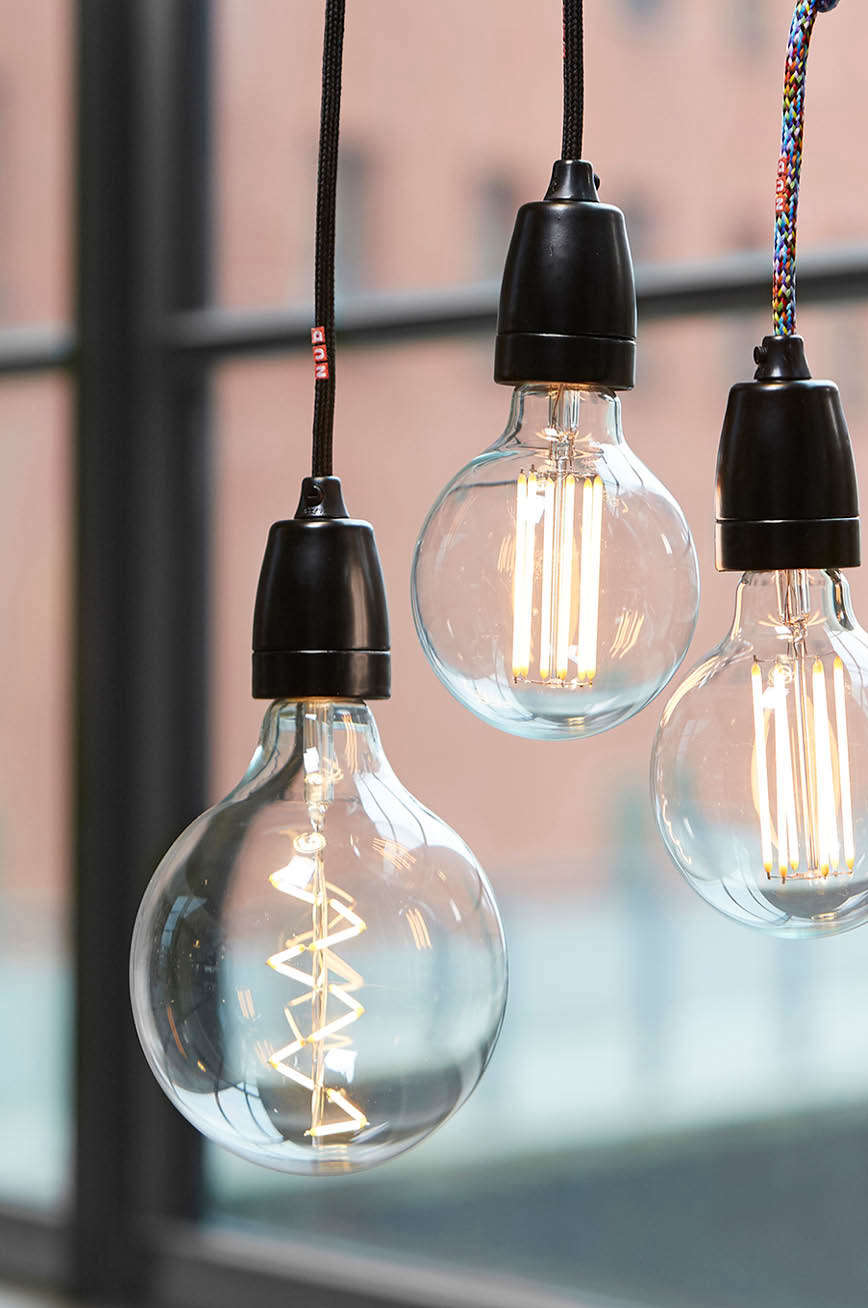
A classic black lamp holder is one of those small design details that quietly decides whether a light fixture looks intentional or like it was assembled during a power outage with one screwdriver and too much confidence. It may not be the star of the room, but it is the part that holds the bulb, completes the silhouette, and gives a pendant light, table lamp, wall sconce, or exposed-bulb fixture its final “yes, I belong here” moment.
In modern interiors, black hardware has become the little black dress of home design. It works with industrial lofts, farmhouse kitchens, minimalist apartments, vintage-inspired reading corners, and even those “I bought one plant and now I’m a design person” living rooms. A black lamp holder offers contrast, structure, and visual weight without shouting. It can make a simple bulb look stylish, a DIY fixture look polished, and a forgotten corner feel surprisingly curated.
But this tiny component is not just about looks. A lamp holder, also called a lamp socket or bulb holder, is an electrical part. That means compatibility, material quality, heat resistance, mounting style, and safety listings matter. Choosing the right one can improve both the appearance and reliability of your lighting project. Choosing the wrong one can lead to flickering lights, poor fit, overheating risk, or a fixture that looks like it belongs in a haunted basementand not in the cool vintage way.
What Is a Classic Black Lamp Holder?
A classic black lamp holder is the socket assembly that secures a bulb and connects it to the fixture’s wiring. The “classic” part usually refers to a timeless shape: simple, cylindrical, clean, and functional. The “black” part refers to the finish or material color, often matte black, satin black, glossy black, or black phenolic. It may be used in exposed-bulb pendant lights, desk lamps, wall lamps, ceiling fixtures, chandeliers, and DIY lighting projects.
The most common version for U.S. household lighting is designed for an E26 medium base bulb. That is the standard screw-in bulb size found in many American homes. You will see E26 lamp holders used with LED bulbs, vintage Edison bulbs, globe bulbs, standard A19 bulbs, and decorative filament bulbs. Some lamp holders are keyless, meaning there is no switch on the socket itself. Others include a pull chain, push-through switch, turn knob, or shade ring.
The black finish is especially popular because it hides visual clutter. White sockets can stand out against dark cords, metal shades, or industrial frames. Brass sockets are beautiful, but they make a warmer, more decorative statement. Black sits in the middle: bold enough to look designed, quiet enough to stay flexible.
Why Black Lamp Holders Never Really Go Out of Style
Black lighting hardware has staying power because it works with contrast. Against a white ceiling, a black lamp holder creates a crisp outline. Against wood, it adds a modern edge. Against brick, concrete, or metal, it feels naturally industrial. Against colorful walls, it behaves like punctuation: a small visual period at the end of the design sentence.
Classic black lamp holders also pair beautifully with exposed bulbs. A clear glass Edison-style bulb with a black socket creates a vintage workshop vibe. A frosted globe bulb softens the look for bedrooms and dining areas. A small LED bulb can make the same holder feel modern and efficient. The holder does not need to change; the bulb changes the mood.
Design Styles That Love a Black Lamp Holder
Industrial interiors use black lamp holders naturally because the color echoes metal piping, factory fixtures, and exposed hardware. In a loft-style kitchen, black sockets with cord pendants can make a row of lights feel clean and intentional.
Modern farmhouse spaces use black as an accent against white shiplap, warm wood, and neutral walls. A black lamp holder under a simple metal shade can give the room a fresh, grounded look without turning it into a hardware store showroom.
Minimalist rooms benefit from the holder’s simplicity. When there are fewer decorative elements, every detail matters. A neat black socket can look more refined than a mismatched or overly ornate one.
Vintage and mid-century designs often use black phenolic or metal sockets because they feel practical, durable, and quietly nostalgic. Think old desk lamps, workshop pendants, and reading lights that look like they have stories but thankfully not dust allergies.
Common Materials: Porcelain, Phenolic, Metal, and Plastic
The material of a lamp holder affects heat resistance, appearance, durability, and use case. The most common materials include porcelain, phenolic, metal, and engineered plastic.
Porcelain Lamp Holders
Porcelain is widely used in lamp holders because it handles heat well and has a long history in electrical components. Porcelain sockets are often found in ceiling utility lights, basements, garages, closets, and fixtures where durability matters. A black porcelain lamp holder can feel both classic and sturdy, especially when used in exposed or semi-exposed lighting.
Porcelain is usually heavier and more rigid than plastic. It is a strong choice when the design leans traditional, utility-inspired, or workshop-like. If your lighting project involves higher heat or a more permanent fixture, porcelain deserves serious consideration.
Phenolic Lamp Holders
Phenolic, sometimes associated with older Bakelite-style lamp parts, is a heat-resistant molded material often used for black lamp sockets. It is lightweight, affordable, and common in lamp repair and DIY lighting. Black phenolic sockets are popular for table lamps, pendant lights, and decorative fixtures where a clean black body is desired.
Phenolic sockets are especially useful when you want a simple, dark, understated look. They can be keyless, switched, threaded, or paired with shade rings depending on the fixture design.
Metal Lamp Holders
Metal shell lamp holders bring a premium visual finish. A black metal socket can look sleek, architectural, and more decorative than plain plastic. Metal is often used in pendant fixtures, sconces, and lamps where the socket remains visible. However, metal components must be properly designed and installed because the electrical construction matters. Beauty is wonderful; safe beauty is better.
Plastic Lamp Holders
Basic plastic lamp holders are common in inexpensive fixtures and temporary setups. Some are perfectly suitable for their intended use, but they may not deliver the same classic look or heat tolerance as porcelain or phenolic options. For a “classic black lamp holder” aesthetic, black phenolic or black-finished metal usually looks more intentional.
Understanding E26, Wattage, and Voltage
When shopping for a black lamp holder in the United States, you will often see the term E26 medium base. This refers to the screw base size used by many common household bulbs. It is compatible with many standard LED, CFL, and incandescent-style bulbs designed for U.S. fixtures.
You may also see ratings such as 660W and 250V on some lampholders. These are maximum electrical ratings for the component, not a suggestion that you should install a tiny sun in your reading lamp. Always follow the fixture manufacturer’s rating and the bulb wattage limit. With modern LED bulbs, actual energy use is usually much lower than older incandescent bulbs, but heat, enclosure type, dimmer compatibility, and fixture design still matter.
In practical terms, choose a lamp holder that matches the bulb base, the fixture design, the mounting method, and the electrical requirements. If you are unsure about wiring or code compliance, hire a qualified electrician. A stylish lamp is nice; a safe home is nicer.
Types of Classic Black Lamp Holders
Keyless Black Lamp Holder
A keyless lamp holder has no built-in switch. It is controlled by a wall switch, inline switch, smart plug, or another fixture control. This type is common in pendant lights, ceiling lights, and minimalist fixtures. It is clean, simple, and ideal when you do not want extra hardware interrupting the look.
Pull-Chain Lamp Holder
A pull-chain black lamp holder includes a small chain that turns the light on and off. It is practical in closets, basements, workshops, and utility areas. The pull chain adds a classic old-school feel, like your grandfather’s garage, except hopefully with better organization and fewer mystery screws in coffee cans.
Switched Lamp Holder
Some lamp holders include a push-through switch, turn knob, or rocker switch. These are common in table lamps and bedside lamps. A black switched socket can be a good choice when restoring an older lamp or building a custom fixture.
Shade-Ring Lamp Holder
A shade-ring socket includes a threaded ring that helps secure a lampshade. This is useful for pendant lights and table lamps where the shade attaches directly to the socket. If your design includes a metal, glass, or fabric shade, make sure the holder and shade ring match the shade’s fitter size.
Cord-Grip Pendant Lamp Holder
A cord-grip lamp holder is designed for hanging pendant fixtures. It secures the cord at the socket and helps create a neat vertical drop. Black cord-grip holders are especially popular over kitchen islands, coffee bars, breakfast nooks, and reading corners.
Where to Use a Classic Black Lamp Holder
A black lamp holder works almost anywhere the fixture design allows the socket to be seen. In a kitchen, three black pendant sockets with warm LED bulbs can create a restaurant-style glow over an island. In a bedroom, a black wall sconce with a frosted bulb can feel modern without being cold. In a home office, a black desk lamp socket can complement monitor arms, black frames, and dark shelving.
In rental-friendly decorating, plug-in pendant kits with black lamp holders can create light without hardwiring. In small apartments, this can be a game changer. A dark corner becomes a cozy reading spot. A bare wall becomes a mini café moment. Suddenly your apartment looks “designed,” not “I’m still deciding where things go,” even if you are absolutely still deciding where things go.
How to Choose the Right Classic Black Lamp Holder
Check the Bulb Base
For most U.S. household applications, an E26 medium base is the standard choice. Before buying, confirm the bulb you want to use. Decorative bulbs, globe bulbs, and Edison bulbs are often E26, but not always. Smaller candelabra bulbs typically use E12, which will not fit an E26 holder.
Match the Mounting Style
A ceiling-mounted utility lampholder, a pendant socket, and a table-lamp replacement socket are not the same product. Look at how the holder attaches: screw terminals, wire leads, threaded pipe, hickey adapter, cord grip, bracket, or shade ring. The right mounting style makes installation cleaner and safer.
Choose the Material for the Use Case
Porcelain is excellent for heat resistance and utility-style installations. Phenolic is practical for lamp repair and decorative sockets. Metal offers a more premium exposed look. Plastic can work for simple applications but may not deliver the same classic feel.
Look for Safety Listings
For electrical components used in U.S. homes, look for products that are listed or certified by a recognized testing laboratory. This is especially important for permanent fixtures, hardwired lighting, and any project involving mains voltage. If a listing is missing, unclear, or suspiciously described in language that sounds like it was translated by a confused toaster, keep shopping.
Think About the Finish
Matte black is modern and understated. Satin black is slightly smoother and more versatile. Glossy black can look vintage or decorative but may show fingerprints and dust more easily. If the holder will be visible, match the finish to nearby hardware such as cabinet pulls, curtain rods, door handles, and faucet finishes.
Classic Black Lamp Holder and Bulb Pairings
The bulb you choose can completely change the personality of a black lamp holder. A clear Edison LED bulb creates a warm, vintage mood. A frosted globe bulb feels soft and modern. A white opal bulb reduces glare and works well in bedrooms or dining spaces. A silver-tipped bulb can direct light upward or downward while adding a retro detail.
For cozy rooms, choose warm white bulbs around 2700K. For work areas, 3000K to 4000K may feel brighter and more focused. Avoid extremely cool bulbs in exposed fixtures unless you enjoy the “hospital hallway at midnight” aesthetic. Good lighting should flatter the room, not interrogate it.
Installation and Safety Considerations
Many lamp holders are sold as replacement parts or DIY components, but electrical work should be treated seriously. Always turn off power before working on a fixture. Confirm power is off with a proper tester. Follow the manufacturer’s instructions. Use the correct wire type, connectors, strain relief, grounding method, and enclosure. If the fixture is hardwired or you are not comfortable with wiring, call a licensed electrician.
Also remember that open bulbs can create glare and heat. Use bulbs within the fixture rating and keep fabric, paper, curtains, and other flammable materials away from the lamp. In closets and storage spaces, lighting placement and fixture type may be subject to electrical code rules. When in doubt, choose a covered fixture or consult a professional.
Maintenance Tips for a Black Lamp Holder
Maintenance is simple but important. Dust the holder regularly with a dry cloth after the light is off and cool. Avoid spraying cleaners directly onto electrical parts. If the socket becomes loose, discolored, cracked, noisy, or unreliable, stop using it and replace it. Flickering can come from a loose bulb, worn socket, bad switch, incompatible dimmer, or wiring issue. Do not ignore repeated flickering, especially if you smell heat or see discoloration.
For exposed black fixtures, dust is the main enemy. Matte black hides many sins, but not all of them. A quick wipe keeps the fixture looking intentional instead of abandoned. If you use decorative bulbs, clean the glass gently because exposed bulbs show fingerprints like tiny glowing evidence.
Classic Black Lamp Holder in Real Design Examples
Kitchen Island Pendant Lights
Imagine three matte black cord pendants hanging above a white quartz island. Add warm globe LEDs, and the whole kitchen gets instant café energy. The black lamp holders connect visually with black cabinet pulls and bar stool legs, making the room feel coordinated without becoming too matchy.
Bedroom Reading Corner
A black wall-mounted lamp holder with a frosted bulb can turn an empty corner into a reading zone. Pair it with a small wood shelf, a comfortable chair, and one dramatic throw blanket. Congratulations: you now own a “nook,” which is interior-design language for “a corner that got promoted.”
Home Office Desk Lamp
A black phenolic or metal socket on a simple adjustable arm can give a desk lamp a classic workroom feel. It looks professional, pairs well with black electronics, and does not compete with the rest of the workspace.
Entryway Accent Light
A single exposed bulb in a black holder can work beautifully in a small entryway when paired with the right bulb and ceiling canopy. It offers a clean look while making the entrance feel more finished.
Buying Mistakes to Avoid
The first mistake is buying only for looks. A lamp holder must match the electrical and mechanical needs of the fixture. The second mistake is ignoring the bulb base. E26 and E12 are not interchangeable, no matter how persuasive your optimism may be. The third mistake is using a holder without proper strain relief in a hanging pendant. The cord should not be casually yanked by gravity like it owes gravity money.
Another common mistake is mixing too many finishes. If the lamp holder is black, consider whether the canopy, cord, shade, and nearby hardware should also be black or intentionally contrasting. A little contrast is stylish. Five random finishes can look like the fixture was assembled from a drawer labeled “maybe useful someday.”
Experience Notes: Living With a Classic Black Lamp Holder
The appeal of a classic black lamp holder becomes clearer after you actually live with one. On paper, it is just a socket. In a room, it becomes a small anchor point. It gives the eye a place to land. It outlines the bulb. It adds definition to the ceiling or wall. It makes a simple fixture feel selected, not accidental.
One of the best experiences with black lamp holders is how easy they are to style. In a small apartment, a black pendant socket can hang over a dining table and immediately create atmosphere. You do not need a giant chandelier or a designer budget. A good bulb, a clean cord, a matching canopy, and a simple black holder can do more than expected. It is the lighting version of wearing a plain black T-shirt that somehow makes the whole outfit work.
Another pleasant surprise is how well black lamp holders age visually. Trendy finishes can become dated quickly, but black has a reliable neutrality. Brass may feel glamorous, chrome may feel sleek, white may disappear, but black keeps its confidence. Even when the room changesfrom farmhouse to modern, from industrial to cozy, from “college apartment” to “adult with matching plates”a black lamp holder usually still belongs.
In DIY projects, black lamp holders are forgiving. If you are restoring an old lamp, replacing a worn socket with a black one can make the piece feel updated without erasing its character. If you are building a pendant light, black parts help hide small inconsistencies in alignment or finish. This does not mean you should be sloppy. It means black is kind to beginners, and beginners deserve kindness, especially when tiny screws are involved.
There is also a practical side. Black sockets do not show minor discoloration as obviously as white ones. They coordinate easily with black cords, black canopies, black metal shades, and black switch plates. In rooms with darker accents, they feel deliberate. In bright rooms, they create contrast. In moody rooms, they blend in. That flexibility makes them useful for homeowners, renters, decorators, and DIY hobbyists.
The biggest lesson from using classic black lamp holders is that lighting details matter more than people think. A room can have expensive furniture and still feel unfinished if the lighting looks careless. On the other hand, a modest room can feel thoughtful when the fixtures are clean, proportionate, and well matched. A black lamp holder is not magic, but it is one of those affordable details that can make the magic look more believable.
For the best result, think of the lamp holder as part of a complete composition. Consider the bulb shape, cord color, ceiling canopy, shade, wall color, and nearby hardware. A black holder with a warm globe bulb may feel soft and inviting. The same holder with a clear tubular bulb may feel industrial. With a cone shade, it may feel focused and architectural. With a bare vintage-style bulb, it may feel casual and nostalgic.
Over time, you may find that the classic black lamp holder is less about making a bold statement and more about avoiding visual noise. It keeps things simple. It lets the light do the talking. And unlike many design choices, it does not demand attention every morning before coffee. That alone deserves respect.
Conclusion
A classic black lamp holder is a small component with an outsized role in lighting design. It supports the bulb, completes the fixture, and adds a timeless black accent that works across industrial, farmhouse, minimalist, vintage, and modern interiors. The best choice depends on bulb base, material, mounting type, finish, safety listing, and the specific fixture you are building or repairing.
For most U.S. household projects, an E26 medium-base black lamp holder is the most familiar option. Porcelain offers durability and heat resistance, phenolic offers practical affordability, and metal provides a polished exposed-fixture look. Whether you are updating an old table lamp, designing pendant lights over a kitchen island, or adding a reading light to a quiet corner, the right black lamp holder can make the entire fixture feel sharper, safer, and more intentional.
In other words, do not underestimate the socket. It may be small, but in lighting design, small details often decide whether a room feels finishedor like it is still waiting for someone to come back from the hardware store.
Note: This HTML body is ready for publishing and contains no source links or citation placeholders inside the article content.