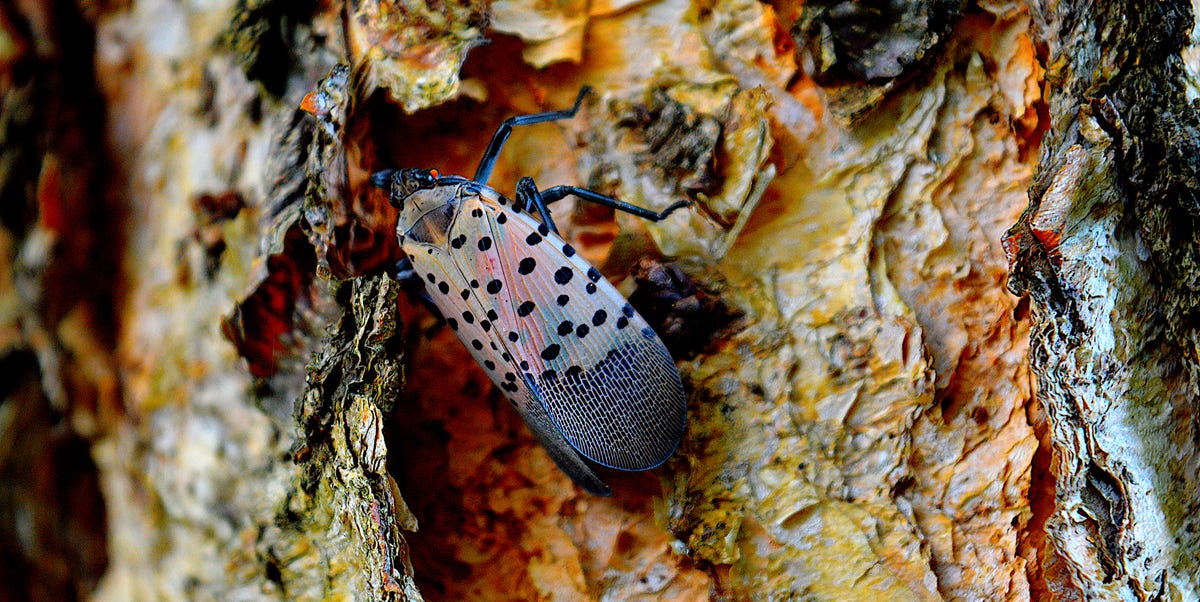
Spotted lanternflies look oddly stylish for a pest that arrived with the manners of a raccoon in a vineyard. With polka-dotted wings, red flashes, and a talent for appearing on patios, trees, cars, grapevines, lawn chairs, and anything else that holds still for three seconds, this invasive insect has become a serious nuisance across many parts of the United States.
The good news: you can help control spotted lanternfly insects without turning your yard into a chemical war zone. The right approach is not “spray everything and hope the bugs read the eviction notice.” It is a targeted, seasonal, practical plan: identify them correctly, kill the life stage you are seeing, protect beneficial insects, manage host plants, report new sightings where required, and use pesticides only when they make sense.
This guide explains how to kill spotted lanternfly insects the right way, from egg masses to adults, with homeowner-friendly methods based on U.S. agency and university extension guidance.
What Are Spotted Lanternflies?
The spotted lanternfly, often shortened to SLF, is an invasive planthopper native to parts of Asia. It was first confirmed in the United States in Pennsylvania in 2014 and has since spread to multiple states, largely by hitchhiking on vehicles, nursery stock, firewood, outdoor equipment, pallets, trailers, and other movable objects.
Despite the name, it is not a fly. It is a sap-feeding insect that uses piercing mouthparts to suck fluid from plants. A few lanternflies on a healthy ornamental tree may not cause instant doom, but heavy populations can stress plants, coat surfaces with sticky honeydew, encourage black sooty mold, and create major problems for grapes, fruit trees, nursery plants, and certain hardwoods.
Why People Are Told to Kill Them
Spotted lanternflies are not dangerous to people or pets. They do not bite, sting, or chase you around the yard like tiny winged villains. The problem is agricultural and ecological. They feed on a wide range of plants, but they are especially concerning for vineyards and orchards. Heavy feeding can weaken grapevines, reduce crop quality, and make outdoor spaces sticky and unpleasant.
The goal is not random insect revenge. The goal is slowing spread and reducing local populations before they become a bigger problem.
How to Identify Spotted Lanternfly Life Stages
To kill spotted lanternfly insects effectively, you need to know what stage you are dealing with. These insects change appearance throughout the year, which is rude but manageable.
Egg Masses
Egg masses are usually found from fall through spring. Fresh egg masses look like smears of grayish, tan, or brown mud. Older masses may crack and reveal seed-like eggs arranged in rows. They can appear on tree bark, rocks, patio furniture, fences, vehicles, trailers, firewood, grills, playground equipment, and outdoor decorations.
Early Nymphs
Young nymphs are small, black, and covered with white spots. They hatch in spring and are quick jumpers. At this stage, they crawl up tree trunks and stems to feed, making traps especially useful.
Late Nymphs
Later nymphs become larger and show red patches along with black-and-white markings. They are more noticeable and more mobile, which means you may need a mix of physical removal, trapping, and targeted treatment.
Adults
Adults are about an inch long, with grayish spotted forewings. When their wings open, bright red, black, and white markings appear underneath. Adults are commonly seen from midsummer into late fall and are often found feeding on tree-of-heaven, grapevines, maples, black walnut, willow, and other host plants.
Step 1: Squash Adults and Nymphs When You See Them
The simplest way to kill spotted lanternflies is also the most satisfying: stomp them, swat them, or crush them. Yes, they jump. Yes, they may dodge your first attempt like they trained for a tiny insect Olympics. Try again.
Squashing works best when numbers are low or when you find individual insects on patios, sidewalks, decks, or tree trunks. It will not eliminate a major infestation by itself, but every adult female killed before egg laying can prevent future egg masses.
For nymphs clustered on plants or smooth surfaces, a shop vacuum or handheld vacuum can help. Empty the vacuum contents into soapy water or seal the bag before disposal. Do not lovingly release them somewhere else. That is not pest control; that is insect relocation assistance.
Step 2: Destroy Egg Masses in Fall, Winter, and Early Spring
Egg mass removal is one of the most useful off-season control methods for homeowners. Each egg mass can contain dozens of eggs, so scraping reachable masses can reduce the number of nymphs that hatch in spring.
How to Scrape Egg Masses Correctly
Use a plastic card, putty knife, paint scraper, or similar firm tool. Scrape the entire egg mass into a container filled with rubbing alcohol, hand sanitizer, or soapy water. You can also crush the mass thoroughly, but scraping into liquid is cleaner and more reliable.
Look beyond trees. Egg masses are sneaky little blobs of future trouble. Check:
- Tree trunks and branches
- Rocks, retaining walls, and stone borders
- Outdoor furniture and cushions
- Grills, firewood racks, and sheds
- Cars, trailers, RVs, boats, and equipment
- Playsets, planters, fencing, and patio decor
Egg scraping will not catch every egg mass, especially those high in tree canopies, but it is still worth doing. Think of it as pest prevention with a scraper instead of a superhero cape.
Step 3: Use Circle Traps Instead of Risky Sticky Bands
Spotted lanternfly nymphs often crawl upward on tree trunks after hatching. That behavior makes traps useful in spring and early summer. The preferred homeowner trap is usually a circle trap, which guides insects into a collection bag or container as they climb.
Circle traps are popular because they can capture many nymphs while reducing the risk to birds, squirrels, beneficial insects, and other wildlife. Sticky bands can catch lanternflies, but they can also trap non-target animals. If sticky bands are used, they should be covered with protective mesh or screening and checked frequently.
Where to Place Traps
Place traps on trees where you repeatedly see nymphs or adults feeding. Tree-of-heaven is the top target, but traps may also be useful on maples, walnuts, willows, and other active feeding trees. Do not place traps randomly on every tree in the yard and call it strategy. Scout first, trap second, brag later.
Step 4: Manage Tree-of-Heaven, the Lanternfly’s Favorite Host
Tree-of-heaven is one of the most important plants in spotted lanternfly management. This invasive tree grows quickly, spreads aggressively, and is strongly favored by late-stage nymphs and adults. If you have tree-of-heaven on your property, managing it can reduce lanternfly pressure.
However, removing tree-of-heaven is not as simple as chopping it down. Cutting it without proper treatment can cause vigorous root suckering, which means one problem tree may become a family reunion of problem trees. The best method often involves correctly identifying the tree, treating it with an appropriate herbicide at the right time, and removing it after the root system is weakened. For large trees or complicated sites, hire a certified arborist or licensed applicator.
Use Trap Trees Carefully
In some management plans, a few male tree-of-heaven trees are left standing as “trap trees” and treated with systemic insecticide by professionals. Spotted lanternflies feed on the treated trees and die. This approach is not usually a casual weekend project for homeowners, but it can be effective in larger landscapes, commercial properties, farms, and wooded edges when handled responsibly.
Step 5: Use Insecticides Only When Necessary
Insecticides can kill spotted lanternfly nymphs and adults, but they should be used carefully. Spraying every plant in sight can harm pollinators, beneficial insects, aquatic organisms, pets, and the overall health of your landscape. It may also be unnecessary in many residential situations, especially if the insects are mostly a nuisance and not threatening valuable plants.
The right way to use insecticide is targeted and label-based. Use products registered for the site and situation, follow all label directions, and avoid spraying blooming plants or areas where bees and other pollinators are active. The pesticide label is not decorative reading material; it is the law and the safety manual.
Contact Sprays
Contact insecticides kill insects when sprayed directly or when insects contact treated surfaces. They may be useful for clusters of nymphs or adults on tree trunks, branches, or foliage. Common active ingredients used in some SLF management programs include pyrethroids, carbaryl, malathion, and insecticidal soaps or oils, depending on the site and label.
Contact sprays usually work best when you can see the insects and treat specific areas. They are less useful when lanternflies keep moving in from nearby untreated trees.
Systemic Insecticides
Systemic insecticides are absorbed by the plant and can kill sap-feeding insects. These products may be used on selected high-value trees or trap trees, but they require careful timing, correct application, and attention to pollinator risk. Some systemic products should be applied only by licensed professionals, especially on large trees or near sensitive areas.
Horticultural Oils for Egg Masses
Dormant or horticultural oils may provide some control of egg masses when applied correctly in late winter or early spring before bud break. Oils require good coverage and proper weather conditions. They can be a useful option for egg masses that are difficult to scrape, but reachable egg masses should still be scraped or crushed whenever practical.
What Not to Do When Killing Spotted Lanternflies
Bad pest control can be worse than no pest control. Avoid these common mistakes:
- Do not use gasoline, kerosene, bleach sprays, or homemade chemical cocktails on trees.
- Do not spray pesticides near ponds, streams, storm drains, or flowering plants unless the label clearly allows it.
- Do not use sticky bands without wildlife protection.
- Do not move firewood, outdoor equipment, or vehicles without checking for egg masses.
- Do not assume every spotted insect is a spotted lanternfly; identify before treating.
Home remedies shared online may sound clever, but many can damage plants, contaminate soil, harm pets, or kill beneficial insects. Your yard is not a science fair volcano. Keep control methods safe and legal.
How to Stop Spotted Lanternflies From Spreading
Killing visible insects is only part of the job. Spotted lanternflies spread easily because egg masses can be laid on almost any hard surface. Before traveling from an infested area, inspect your vehicle and belongings.
Check Before You Move
Inspect cars, trucks, trailers, campers, boats, firewood, stone, patio furniture, nursery plants, construction materials, and outdoor equipment. If you find egg masses, scrape and destroy them before moving the item.
Many states have quarantine rules or reporting requirements. If you find spotted lanternfly in a new area, report it to your state department of agriculture or local extension office. In areas where the pest is already established, reporting rules may differ, but killing and documenting sightings can still be helpful.
Seasonal Spotted Lanternfly Control Calendar
Fall Through Early Spring
Search for egg masses on trees and outdoor objects. Scrape them into alcohol or soapy water. Consider dormant oil for egg masses that cannot be scraped safely. Inspect anything you plan to move.
Spring to Early Summer
Watch for black-and-white nymphs. Install circle traps on active host trees. Vacuum or crush nymphs where practical. Avoid broad pesticide use unless there is a clear need.
Mid-Summer to Fall
Look for red late-stage nymphs and adults. Focus on tree-of-heaven, grapevines, and other heavily used plants. Crush adults, use targeted contact sprays if needed, and plan host-tree management.
Late Fall
Adults die after egg laying, but the next generation remains in egg masses. This is the time to restart inspections. The lanternfly year is a loop, and your scraper is invited back to the party.
Do Spotted Lanternflies Kill Trees?
Spotted lanternflies can weaken plants by removing sap, but the impact depends on the plant species, plant health, and population size. Grapevines are among the most vulnerable. Tree-of-heaven is a preferred host and often supports large populations. Black walnut, maple, willow, birch, and various fruit trees may also be used for feeding.
Healthy ornamental trees may tolerate some feeding, especially when populations are moderate. The bigger concerns are repeated heavy feeding, plant stress, honeydew buildup, sooty mold, and spread into vineyards, orchards, nurseries, and forests.
Natural Predators: Helpful, But Not a Complete Solution
Birds, spiders, praying mantises, wheel bugs, and some other predators may eat spotted lanternflies. Over time, local wildlife may become better at recognizing them as food. That is encouraging, but predators alone usually cannot control a large infestation quickly.
Encouraging a healthy landscape with native plants, fewer unnecessary pesticides, and habitat for beneficial insects is still smart. Just do not expect the neighborhood birds to submit a weekly pest-control report.
When to Call a Professional
Call a certified arborist, pest management professional, or licensed pesticide applicator if you have large infested trees, valuable landscape plants, vineyard or orchard concerns, heavy tree-of-heaven growth, or repeated infestations that are difficult to manage safely.
Professional help is especially important when systemic insecticides, large-tree treatments, or tree-of-heaven removal are involved. A trained expert can identify host plants, choose the correct control method, reduce environmental risk, and avoid turning a manageable pest issue into an expensive landscaping soap opera.
Practical Experience: What Killing Spotted Lanternflies Is Really Like
If you have never dealt with spotted lanternflies before, the first surprise is how visible they are. Some pests hide politely. Spotted lanternflies gather on trunks, hop across patios, cling to siding, and decorate outdoor furniture like they are auditioning for a low-budget nature documentary. The second surprise is that killing them requires persistence, not panic.
In real yards, the most effective approach usually starts with scouting. Walk the property slowly and look for patterns. Are they gathering on one tree? Are they clustered near a fence line? Are they appearing on grapevines, maples, or a suspicious tree-of-heaven near the driveway? Once you find the hot spots, control becomes much easier.
For small numbers, stomping and swatting are genuinely useful. Adults jump forward more than they fly, so approaching from the front can sometimes work better than sneaking from behind. It feels ridiculous at first, but after a few attempts, most people develop a technique. Nobody brags about their lanternfly footwork at dinner, but maybe they should.
Egg scraping is slower but satisfying. The trick is to inspect more surfaces than you think necessary. Many beginners look only at tree trunks and miss egg masses on patio chairs, stacked firewood, stone walls, and the underside of outdoor items. A plastic card and a small container of alcohol or soapy water are enough for a basic inspection walk. Wear gloves, bring a flashlight for shaded areas, and do not scrape above your head unless you enjoy surprise debris in your hair.
Circle traps are often more practical than chasing nymphs one by one. Once nymphs start climbing in spring, a well-placed trap on an active tree can catch many insects with less effort. The key is maintenance. Check traps regularly, empty collection bags, and make sure the trap is still fitted properly around the trunk. A neglected trap is just yard clutter with ambition.
Chemical control is where many homeowners overreact. Seeing hundreds of insects can make anyone reach for the nearest spray bottle, but targeted treatment is better. Spraying broad areas may kill beneficial insects and still fail to stop lanternflies moving in from nearby properties. A smarter plan is to treat specific clusters only when needed, avoid flowers, follow the label exactly, and combine treatment with egg removal and host-plant management.
The biggest lesson from real-world spotted lanternfly control is that one method is never enough. Scraping eggs helps before hatch. Traps help during the nymph stage. Stomping and spot treatments help during adult activity. Host-tree management reduces future pressure. Inspection prevents accidental spread. Together, these steps form a practical integrated pest management plan.
It is also important to set realistic expectations. You may not eliminate every spotted lanternfly from the neighborhood. Your neighbor’s tree, a nearby roadside, or a wooded lot can keep sending new insects your way. But you can reduce the number on your property, protect important plants, prevent egg masses from traveling, and avoid unnecessary pesticide damage. That is what “the right way” really means: effective, responsible, and repeatable.
Conclusion
Killing spotted lanternfly insects the right way is not about panic spraying or chasing every bug until you need a nap and a sports drink. It is about matching the method to the life stage. Scrape egg masses in fall, winter, and early spring. Use circle traps for climbing nymphs. Crush or vacuum visible insects. Manage tree-of-heaven carefully. Use insecticides only when necessary, only according to the label, and only in targeted ways that reduce harm to pollinators and beneficial insects.
Spotted lanternflies are tough, mobile, and irritatingly good at hitchhiking, but homeowners can make a real difference. A scraper, a trap, a sharp eye, and a little seasonal consistency can help slow their spread and protect gardens, trees, vineyards, and outdoor spaces. In other words, yes, you can fight the polka-dotted menaceand you can do it without turning your backyard into a chemical theme park.