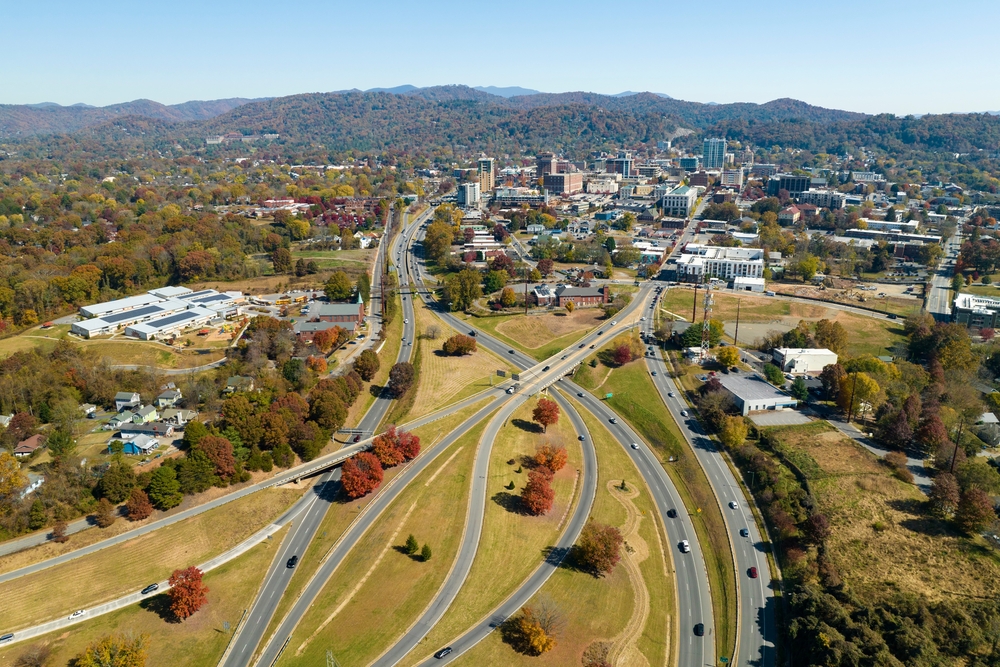
When Hurricane Helene swept through Western North Carolina, Asheville learned a lesson no mountain city ever wants to learn: disaster does not need an ocean view. The storm turned familiar roads into obstacles, quiet rivers into threats, and ordinary routines into small acts of logistics. For families, especially those with children, recovery was not just about repairing bridges, flushing pipes, or reopening schools. It was about answering the same question every morning: “How do we make today feel safe enough for a child?”
From a pediatrician’s perspective, that question matters as much as any prescription. Children do not experience disasters only through headlines or damage reports. They experience them through the absence of school bells, the strange taste of bottled water for brushing teeth, the grown-up whispers in the kitchen, and the sudden disappearance of predictable bedtime routines. A hurricane can flood a home, but it can also flood a child’s sense of normal.
This reflection is not a technical disaster report. It is a human-centered look at resilience and rebuilding in Asheville after the hurricane, especially through the lens of child health, family stability, and community recovery. Asheville’s story after Helene is not neat. Recovery rarely is. It is muddy, exhausting, heroic, imperfect, and sometimes held together by granola bars, generator cords, and neighbors who know how to show up before anyone asks.
Asheville After Hurricane Helene: When “Normal” Became a Moving Target
Hurricane Helene made landfall in Florida as a powerful storm before its impacts stretched deep into the southern Appalachians. Western North Carolina experienced catastrophic flooding, landslides, road closures, water-system damage, power outages, communication failures, and disruption to health care access. For Asheville and surrounding Buncombe County communities, the event was not simply “bad weather.” It was a region-wide interruption of daily life.
Families who were used to planning soccer practice, school drop-offs, pediatric appointments, and weekend hikes suddenly had to plan around safe water, washed-out routes, pharmacy access, cell service, and whether a child’s asthma inhaler was still in a dry drawer. The practical questions came fast: Is the tap water safe? Can we get to the clinic? Is the refrigerator food still good? Where can the baby sleep tonight? When will school reopen? Why is my child suddenly clingy, angry, quiet, or afraid of rain?
For pediatricians, disasters turn the clinic into something bigger than an exam room. A child may come in for a cough, but the real visit includes questions about housing, stress, sleep, medication refills, mold exposure, nutrition, and whether a caregiver is running on coffee and sheer stubbornness. In Asheville after Helene, pediatric care became a kind of listening post for what families were carrying.
Why Children Feel Disasters Differently Than Adults
Adults often measure recovery in infrastructure: roads reopened, water restored, debris removed, claims filed. Children measure recovery in signals of safety: a parent’s tone of voice, a familiar blanket, a predictable meal, a teacher’s smile, the return of bedtime stories, or the simple relief of knowing where they will sleep.
That difference matters. Children have less control over events, less ability to interpret what is happening, and fewer words for fear. A preschooler may not say, “I am anxious because our community experienced a major climate-related disaster and my routine has collapsed.” A preschooler may throw a shoe, refuse breakfast, regress in toilet training, or ask the same question 47 times before lunch. Pediatric translation: the nervous system is waving a tiny flag.
Older children and teens may react differently. Some become helpers, carrying water, cleaning yards, watching siblings, or trying to be “easy” so they do not add to family stress. That helpfulness can be beautiful, but it can also hide distress. A teenager who jokes constantly may still be scared. A middle-schooler who says, “I’m fine,” may mean, “I do not want to make this harder for anyone.”
Good pediatric disaster care recognizes that behavior is communication. Sleep problems, stomachaches, headaches, irritability, trouble concentrating, appetite changes, and new fears can all appear after a disaster. Most reactions are understandable and improve with time, routine, and support. But some children need more help, especially if symptoms persist, intensify, or interfere with school, relationships, or daily life.
The Pediatrician’s Role: More Than Stethoscopes and Stickers
Pediatricians are trained to check ears, lungs, growth charts, vaccines, and developmental milestones. After a hurricane, we also check the emotional weather inside the family. Is the caregiver sleeping? Is the child eating? Are medications accessible? Is there safe drinking water? Is the home damp or moldy? Is there a plan if school remains disrupted? Does the family have transportation? Who is supporting the supporters?
One of the most important jobs after a disaster is helping caregivers understand that children heal through connection. A calm adult does not have to be a perfect adult. Thank goodness, because perfection usually evacuates first. What children need is a steady presence: someone who tells the truth in age-appropriate language, keeps small routines alive, and says, “We are working on it. You are not alone.”
In practical terms, pediatricians can help families by encouraging simple routines: regular meals, consistent sleep times, limited exposure to frightening media, safe play, time outside when conditions allow, and school or child care return as soon as it is safely available. Routines are not trivial. After a disaster, routines are scaffolding. They give children a place to hang their worries while adults rebuild the walls.
Water, Power, Roads, and the Hidden Health Map
The Asheville water crisis after Helene was more than an inconvenience. When a community’s water system is damaged, every part of child health becomes more complicated. Formula preparation, handwashing, bathing, wound care, laundry, dishwashing, school operations, clinic sanitation, and restaurant safety all depend on clean water. For a parent of a newborn, “boil water advisory” is not a phrase; it is a full-time job.
Power outages bring their own risks. Families with children who rely on medical equipment, refrigerated medications, nebulizers, feeding pumps, or communication devices face urgent challenges. Even families without complex medical needs can struggle with food spoilage, cold homes, heat exposure, carbon monoxide risks from unsafe generator use, and the stress of information gaps when phones or internet service fail.
Road closures and damaged bridges can create medical isolation. A child with a fever is one problem when the clinic is ten minutes away. It is another problem when roads are blocked, gas is scarce, and the caregiver has no working phone. In rural and mountain regions, pediatric resilience must include transportation planning, emergency medication access, mobile outreach, and reliable communication systems.
Rebuilding Asheville Means Rebuilding Childhood Routines
Asheville’s recovery is often described through housing, infrastructure, economic revitalization, environmental repair, and disaster preparedness. All of those matter. But families with children also need the recovery of rhythm. School matters. Child care matters. Parks matter. Libraries matter. Pediatric offices matter. Sports fields, music lessons, after-school programs, and safe walking routes matter too.
To an adult, a reopened classroom may look like an education milestone. To a child, it may feel like proof that the world still has rules. The backpack goes here. The teacher stands there. Lunch happens at this time. Friends laugh at the same terrible jokes. The pencil sharpener still sounds like a tiny machine losing an argument. These ordinary details are medicine.
Child care is especially important in disaster recovery. When centers close or operate in temporary spaces, parents may miss work, lose income, or struggle to keep appointments. Young children lose stable caregivers and peer play. The community loses an essential part of its recovery engine. Rebuilding child care capacity is not a “nice extra.” It is economic recovery, mental health support, and child development protection rolled into one.
Resilience Is Not a Personality TraitIt Is a Community System
People love to praise children as resilient. The phrase is well meant, but it can become a little too convenient. Children are resilient when adults build conditions that allow resilience to grow. They are resilient when they have safe housing, food, clean water, medical care, emotional support, schools, trusted adults, and time to play. They are resilient when the grown-ups stop saying “kids bounce back” and start asking, “What are we giving them to bounce back onto?”
In Asheville, resilience appeared in many forms: neighbors checking on neighbors, volunteers distributing supplies, clinicians adapting care, schools communicating with families, local organizations creating safe spaces, and public agencies planning long-term recovery. None of it erased the loss. But resilience does not mean pretending the flood did not happen. It means refusing to let the flood have the last word.
A pediatrician sees resilience in small scenes. A child draws a picture of the storm and then adds a rainbow with suspiciously muscular clouds. A teenager helps translate recovery information for a grandparent. A parent laughs for the first time in days because their toddler has decided a flashlight is now “the sun stick.” These moments do not fix infrastructure, but they do reveal something essential: healing often begins before rebuilding is complete.
What Families Can Do to Help Children Recover
Tell the Truth, But Keep It Age-Appropriate
Children need honest explanations, not terrifying details. A young child may need to hear, “The storm damaged roads and water pipes, and helpers are fixing them.” A teen may need a fuller conversation about climate, community planning, and long-term rebuilding. The goal is not to hide reality. The goal is to make reality understandable enough that a child can breathe inside it.
Restore Small Routines First
After a disaster, families may not be able to restore everything quickly. Start with repeatable anchors: morning hygiene, regular meals, homework time, reading before bed, a predictable goodbye, a daily check-in. Even a five-minute routine can become a handrail.
Limit the News Loop
Adults often monitor updates to stay informed, but children may experience repeated images and anxious conversations as if the disaster is happening again. Keep children informed, but protect them from constant replay. In the house of recovery, doomscrolling should not be the wallpaper.
Watch for Delayed Reactions
Some children seem fine at first and struggle later, especially when the emergency phase ends and exhaustion settles in. Watch for persistent sleep problems, panic, sadness, withdrawal, aggressive behavior, school refusal, physical complaints, or loss of interest in normal activities. Pediatricians, school counselors, therapists, and community mental health supports can help.
Give Children Safe Ways to Help
Children should not participate in dangerous cleanup, especially around floodwater, debris, mold, unstable structures, or electrical hazards. But they can help in safe, meaningful ways: writing thank-you cards, sorting donated items with supervision, making a “storm kit” checklist, helping prepare a meal, or choosing a book for a younger sibling. Contribution turns helplessness into agency.
What Asheville’s Rebuilding Can Teach Other Communities
Asheville’s experience after Helene challenges a comforting myth: that some places are naturally safe from extreme weather. Mountain towns, inland cities, and “climate havens” still need disaster planning that includes children from the beginning. Pediatric needs should not be an afterthought taped onto an adult emergency plan.
A child-centered recovery plan asks specific questions. Which families depend on electrically powered medical devices? How will children receive medications if pharmacies close? Where will families with infants find safe water for formula? How will schools communicate if cell service fails? Where can children play safely while adults navigate paperwork and repairs? How will families without cars reach services? Who checks on children with disabilities, chronic illness, developmental differences, or previous trauma?
Communities that answer those questions before the next disaster will recover faster and more fairly. The lesson is not that fear should run the show. The lesson is that preparation is a form of love with a clipboard.
The Emotional Work of Rebuilding
Physical rebuilding is visible. Emotional rebuilding is quieter. You can photograph a repaired bridge, but not always a child’s restored sense of safety. You can count water samples, construction projects, and reopened businesses, but it is harder to count the bedtime conversations, the teacher check-ins, the pediatric visits, the neighborly casseroles, and the moments when a caregiver says, “We made it through another day.”
For families in Asheville, grief and gratitude may sit at the same table. A parent may feel thankful for help and furious about loss. A child may be excited to see friends and afraid of the next heavy rain. A pediatrician may feel inspired by community strength and worried about families who are still stretched thin. Recovery is not a straight line. It is more like a mountain road: beautiful, difficult, occasionally blocked, and best traveled with snacks.
Long-term healing requires patience. Children may ask storm-related questions months later. They may react strongly to thunder, power flickers, sirens, or water rushing in a creek. Anniversaries can stir emotions. So can rebuilding milestones. A repaired home can bring relief and sadness at the same time, because it reminds everyone of what was lost.
Additional Reflections: Experiences That Stay After the Storm
In the months after a hurricane, the most memorable experiences are often not dramatic rescue scenes. They are ordinary moments made strange by disaster. A parent packing a diaper bag like a survival kit. A child proudly carrying one small bottle of water as if delivering treasure. A clinic staff member charging phones behind the front desk while answering questions about rashes, coughs, and whether stress can cause stomachaches. The answer to that last one is yes. Stress is very creative. It can show up almost anywhere.
One experience that stands out in disaster recovery is how quickly children begin to play again, even when adults are still staring at the damage. Children turn cardboard boxes into houses, flashlights into planets, and fallen branches into imaginary dragons. This does not mean they are untouched by the disaster. It means play is one of the main languages children use to process what happened. When a child repeats a storm story with toys, drawings, or pretend rescue missions, adults can listen without taking over. Sometimes the best response is simple: “That was scary. You are safe right now. Tell me what happens next in your story.”
Another experience is the quiet heroism of caregivers. Parents and grandparents often minimize their own exhaustion because children need them. They wait in lines, fill out forms, boil water, chase down prescriptions, answer the same questions, and still try to make dinner feel like dinner. Pediatricians and teachers see this kind of courage every day. It is not cinematic. No soundtrack swells. Nobody slow-claps in the kitchen. But it is courage all the same.
There is also the experience of community improvisation. After Helene, many Asheville-area families had to solve problems with whatever was available: coolers, extension cords, shared rides, borrowed Wi-Fi, paper maps, church parking lots, school updates, and neighbors who somehow knew which store had batteries. This kind of improvisation reveals both strength and vulnerability. It shows how resourceful people can be, but it also shows why systems matter. A family should not have to depend on luck to find clean water, medication, or child care.
For children with chronic medical needs, the experience can be even more complicated. A child with diabetes needs supplies and refrigeration. A child with asthma may be affected by mold, dampness, dust, or stress. A child with autism may struggle when routines disappear and sensory conditions change. A child with anxiety may need extra reassurance when weather forecasts return to the household conversation. Rebuilding must include these children clearly, not as footnotes. Pediatric preparedness should make room for medication lists, backup power plans, sensory supports, communication tools, and trusted care networks.
And then there is the experience of hope, which can be surprisingly practical. Hope is not always a grand speech. Sometimes hope is a school reopening. Sometimes it is a safe bath. Sometimes it is a repaired road, a familiar pediatric nurse, a hot meal, a working traffic light, or a child laughing because the family dog stole a sandwich during a power outage and briefly became the villain of the week. Hope is not denial. Hope is the decision to keep making plans.
The deepest lesson from Asheville after the hurricane may be this: resilience is built in relationships. Children recover best when adults are supported, when schools are stable, when health systems are accessible, when neighbors remain connected, and when public recovery plans remember the youngest residents. A rebuilt Asheville should not simply look like Asheville before the storm. It should be stronger, safer, more prepared, and more attentive to the children who will inherit both the beauty of the mountains and the responsibility of caring for them.
Conclusion: Rebuilding With Children at the Center
A pediatrician’s reflections on resilience and rebuilding in Asheville after the hurricane must end with both humility and resolve. Humility, because disasters reveal how fragile daily life can be. Resolve, because they also reveal how powerful communities become when they choose one another.
Asheville’s recovery after Hurricane Helene is not only about pipes, roads, homes, and businesses, though all are essential. It is also about restoring trust in the everyday: safe water from the tap, school buses on familiar routes, clinics that can be reached, playgrounds that welcome children back, and caregivers who have enough support to become steady anchors again.
Children will remember parts of this storm. Some will remember fear. Some will remember helpers. Some will remember sleeping somewhere new, carrying water, missing school, or watching adults rebuild piece by piece. The task now is to make sure they also remember this: when the water rose, the community rose too.
Medical note: This article is for general educational and editorial purposes. Families should contact a qualified health professional for medical concerns, urgent symptoms, medication questions, or ongoing emotional distress after a disaster.