If a regular charcoal grill is a pickup truck, the Solo Stove Grill is the shiny stainless-steel spaceship that lands in your backyard and asks, “Who ordered ribeyes?” It looks futuristic, burns hot, and promises to make charcoal cooking less fussy than the old-school vent-twisting ritual many grill owners know too well. But in 2024, the question is not just whether the Solo Stove Grill cooks well. The real question is whether it is still the best portable cooktop for campers, tailgaters, small patios, and backyard cooks who want live-fire flavor without babysitting a smoky metal cauldron.
This Solo Stove Grill review looks at performance, portability, heat control, build quality, cleanup, cooking versatility, and value. It also clears up an important shopping detail: the original Solo Stove Grill 22 has become harder to find, while Solo Stove’s newer outdoor cooking ecosystem now leans heavily on fire pits, cast iron cooktops, griddles, hubs, and cookout bundles. So, if you are shopping in 2024, you may be comparing a discontinued or limited-availability Solo Stove Grill against current Solo Stove cooktops and portable grill alternatives.
The short answer: the Solo Stove Grill is a fantastic charcoal cooker for people who love high heat, sleek design, and easy airflow. It is not the best choice for backpacking, tiny balconies, low-and-slow smoking, or bargain hunting. Think of it as a portable grill for car camping and stylish backyard cooking, not something you toss into a hiking pack next to trail mix and questionable life choices.
What Is the Solo Stove Grill?
The Solo Stove Grill is a charcoal-focused outdoor cooker built around the brand’s signature 360-degree airflow concept. Instead of relying on traditional bottom vents that require constant adjusting, the grill uses a double-wall design and built-in airflow channels to feed oxygen to the coals and create a hot convection-style cooking environment. The result is strong, consistent heat with less fiddling than many classic charcoal grills.
The most commonly discussed model is the Solo Stove Grill 22, a round stainless-steel grill with a broad cooking surface, removable ash pan, lid vent, and optional bundle accessories such as a stand, shelter, carry case, grill tools, natural charcoal, and fire starters. It was marketed as a premium portable charcoal grill that delivers the flavor of charcoal with some of the convenience people usually associate with gas.
In practical terms, it is portable in the “load it into the SUV” sense, not the “carry it three miles to a lakeside campsite while pretending your shoulders are fine” sense. At roughly 22 inches across and around 38 pounds depending on the bundle, it is substantial. That size gives you generous cooking space, but it also means the Solo Stove Grill is better for car camping, tailgating, RV trips, and patios than minimalist travel.
Design and Build Quality: Stainless Steel With Space-Age Energy
The first thing most people notice is the design. The Solo Stove Grill does not look like a dusty black kettle that has lived behind a shed since the Clinton administration. It has a polished stainless-steel body, clean curves, and a modern profile that fits the rest of Solo Stove’s fire pit lineup. It looks premium because it is built to look premium.
The double-wall construction is more than decoration. It supports the airflow system, helps the charcoal burn efficiently, and gives the grill its distinctive performance. The cooking grate is large enough for family meals: burgers, steaks, chicken thighs, vegetables, corn, sausages, and the occasional “I bought too many hot dogs again” situation.
The grill feels sturdy, but that sturdiness comes with weight. The Solo Stove Grill is not flimsy, wobbly, or toy-like. That is great when you are cooking dinner over serious heat. It is less great when you are moving it alone. If portability is your top priority, remember that “portable” can mean many things. A lunchbox gas grill and a 38-pound stainless-steel charcoal cooker are both technically portable, in the same way a kayak and a couch are both technically movable.
How the Solo Stove Grill Cooks
The Solo Stove Grill’s biggest strength is heat. This grill gets hot quickly and stays hot, especially when using quality charcoal. The 360-degree airflow system pulls air through the base and around the chamber, encouraging efficient combustion. For high-heat grilling, that is excellent. Steaks sear aggressively, burgers brown beautifully, and vegetables pick up real charcoal flavor instead of tasting like they were politely warmed near a candle.
Compared with many traditional charcoal grills, the Solo Stove Grill feels less needy. You do not have to constantly open and close bottom vents to keep the fire alive. The airflow design does much of that work automatically. That makes the grill especially appealing to people who love charcoal flavor but dislike the learning curve of managing vents, coal placement, and oxygen flow.
However, the same heat that makes it exciting also requires attention. The Solo Stove Grill is not a gentle little picnic warmer. It can run very hot, and thin cuts of meat can go from “perfectly seared” to “archaeological discovery” faster than expected. Thick steaks, chicken pieces, sausages, kebabs, and sturdy vegetables are excellent candidates. Delicate fish, sugary marinades, and foods that need low heat require more caution.
Heat Control: Easy, But Not Infinite
One of the biggest differences between the Solo Stove Grill and a standard kettle grill is airflow control. Traditional charcoal grills often use adjustable intake vents at the bottom and exhaust vents at the top. The Solo Stove Grill simplifies that system. Its bottom airflow is built into the design, while the lid vent gives you some control over exhaust and smoke.
That simplicity is great for beginners. You light the charcoal, let the airflow do its job, and cook. The grill creates a strong convection environment, which helps food cook evenly across the grate. It is the kind of design that lets you spend more time talking to guests and less time crouching beside the grill like you are solving a smoky math problem.
The tradeoff is precision. If you want delicate temperature control for low-and-slow barbecue, the Solo Stove Grill is not as flexible as a kamado, pellet grill, or well-managed kettle with adjustable vents. It is best at direct grilling and medium-to-high-heat cooking. You can experiment with coal quantity, lid position, and cooking zones, but this grill’s personality is clear: it wants to sear, sizzle, and make dinner smell like a neighborhood event.
Portability: Portable, But Not Backpack Portable
Is the Solo Stove Grill portable? Yes. Is it ultralight? Absolutely not. The grill’s size and weight make it suitable for car camping, RV trips, tailgates, backyard decks, patios, and beach-house weekends where you can unload close to the cooking area. It is not ideal for backpackers, apartment dwellers with tiny storage spaces, or anyone who considers a 20-pound cooler “too much commitment.”
The carry case helps, and the stand options make setup more comfortable. A shorter stand works well for low cooking setups, while taller stands create a more familiar grilling height. Still, moving the grill requires intention. You will probably not want to carry it far, especially after a full day outdoors when your energy level is somewhere between “one more burger” and “please let me sit down forever.”
For pure portability, small gas grills, Weber Smokey Joe-style charcoal grills, tabletop models, and folding camp grills are easier to move. But those alternatives usually do not offer the same stainless build, airflow system, or cooking area. The Solo Stove Grill wins on premium design and heat performance, not featherweight convenience.
Fuel Options and Charcoal Performance
The Solo Stove Grill is designed primarily for charcoal, and charcoal is where it shines. Natural briquettes provide steady, predictable heat, while lump charcoal can burn hotter and add a slightly more rustic flavor. Some reviewers have also noted that wood chunks can work, although shoppers should always follow the manufacturer’s current safety and fuel guidance for the specific model or accessory they own.
A small charcoal load can produce a solid cooking session, and the grill is efficient enough that you do not feel like you are feeding a dragon with a trust fund. Once the coals are ready, the heat is strong and satisfying. For weeknight grilling, the main drawback is still the normal charcoal timeline: lighting, waiting, cooking, cooling, and cleaning. It is easier than many charcoal setups, but it is not as instant as propane.
If you want push-button convenience, buy a gas grill. If you want flavor, ritual, and the smug joy of saying “these burgers were cooked over real charcoal,” the Solo Stove Grill makes a compelling case.
Cooking Results: Burgers, Steaks, Chicken, and Vegetables
The Solo Stove Grill performs especially well with foods that love high heat. Burgers develop a proper crust. Steaks sear beautifully if you watch them closely. Chicken thighs handle the heat better than lean chicken breasts, especially when cooked with the lid on and moved away from the hottest zones as needed. Sausages are forgiving and pick up great flavor. Corn, peppers, onions, zucchini, mushrooms, and asparagus all work well with a little oil and seasoning.
Where the grill is less forgiving is with delicate food. Thin fish fillets, sugary barbecue sauces, and small items that can fall through the grate require extra attention. A grill basket or cast iron accessory can help. You should also get comfortable rotating food, using indirect areas when possible, and learning how your charcoal load affects temperature.
The flavor is the star. Food cooked on the Solo Stove Grill tastes unmistakably grilled: smoky, lightly charred, and rich. It has more personality than most gas-grilled food. The best compliment is simple: it makes casual food taste intentional. Even hot dogs seem to stand up straighter.
Cleaning and Maintenance
Cleanup is easier than many charcoal grills because of the removable ash pan. Once the grill is fully cool, you remove the ash, brush the grate, and wipe down surfaces as needed. The stainless body may discolor over time from heat, which is normal for stainless outdoor cookers. It may not stay mirror-shiny forever, but that does not mean it is failing. It means you actually used it, which is the whole point.
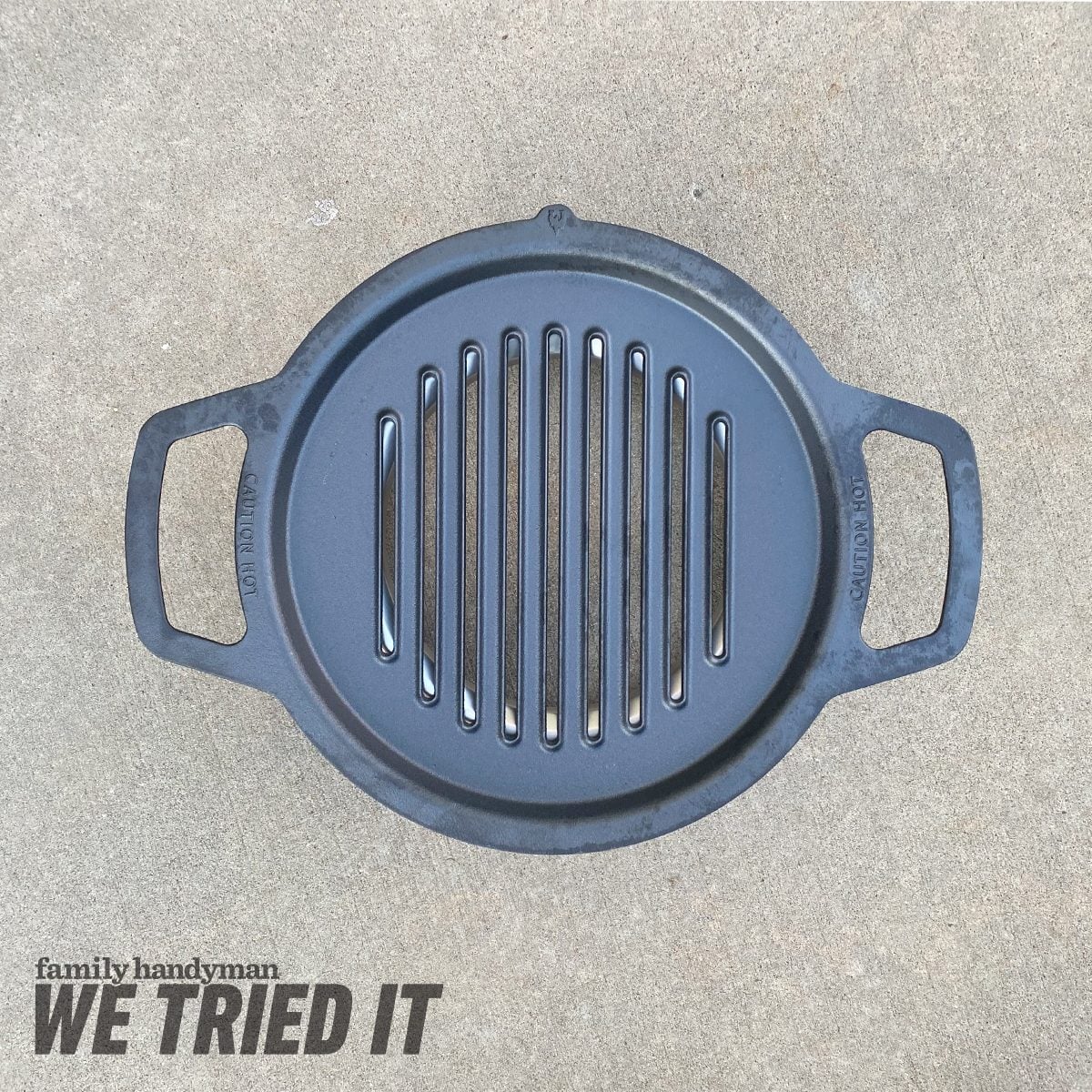
Cast iron accessories require more care. If you use a Solo Stove cast iron grill top or griddle, seasoning matters. You will need to oil it, heat it, clean it properly, and keep moisture away. Cast iron rewards effort with excellent searing and a naturally improving surface, but it is not the cookware for people who want to throw everything into a dishwasher and emotionally move on.
The biggest cleaning rule is patience. Let the grill cool completely before handling ash or accessories. Outdoor cooking is fun; grabbing hot metal is not a personality-building exercise anyone needs.
Solo Stove Grill vs. Solo Stove Fire Pit Cooktops
By 2024, many shoppers looking for a “Solo Stove grill” may actually end up considering Solo Stove’s fire pit cooking accessories. These include cast iron grill tops, griddles, woks, hubs, and cookout bundles built around models like the Ranger and Bonfire. This newer ecosystem turns a smokeless fire pit into a live-fire cooking station.
The dedicated Solo Stove Grill is better if your main goal is charcoal grilling. It is purpose-built for cooking food on a grate over coals. The fire pit cooktop system is better if you want a dual-purpose setup: fire pit at night, cooktop when hungry, backyard centerpiece when guests arrive and ask, “Wait, is that also a grill?”
Solo Stove’s cast iron tops are excellent for open-fire cooking, but they change the experience. A cast iron grill top over a Bonfire or Ranger feels more like campfire cooking with premium hardware. It is fun, flavorful, and dramatic. The dedicated grill feels more controlled and familiar. The best option depends on whether you want a grill that sometimes feels like a fire pit, or a fire pit that sometimes becomes a grill.
Solo Stove Grill vs. Other Portable Grills
Against a Weber Jumbo Joe or Smokey Joe, the Solo Stove Grill feels more premium and more design-forward. It also offers a larger, more efficient airflow system. Weber’s portable charcoal grills are less expensive, easier to find, lighter, and supported by decades of kettle-grill familiarity. If value is the priority, Weber is hard to beat. If modern design and simplified airflow matter more, Solo Stove stands out.
Against portable gas grills like the Weber Q series, Coleman RoadTrip, or Cuisinart tabletop models, the Solo Stove Grill wins on charcoal flavor and loses on convenience. Gas is faster to light, easier to shut down, and simpler for campsites where open charcoal cooking may be restricted. Charcoal tastes better to many people, but it also requires more cleanup and more planning.
Against flat-top griddles, the Solo Stove Grill offers open-flame flavor, while griddles offer surface-area versatility. Pancakes, smash burgers, eggs, fried rice, and bacon are griddle territory. Steaks, chicken, kebabs, corn, and smoky vegetables are Solo Stove Grill territory. The correct answer may be “both,” which is also how patios become outdoor kitchens and wallets become nervous.
Pros and Cons
What We Like
- Strong charcoal flavor with excellent searing power.
- 360-degree airflow design reduces the need for constant vent adjustments.
- Premium stainless-steel look and sturdy construction.
- Large cooking surface for a portable charcoal grill.
- Good fit for car camping, tailgating, patios, and backyard entertaining.
- Removable ash pan makes cleanup more manageable.
- Pairs well with Solo Stove’s broader outdoor cooking ecosystem.
What Could Be Better
- Too heavy for true lightweight camping.
- Premium pricing compared with classic portable charcoal grills.
- Limited low-temperature control compared with smokers or kamados.
- Can run extremely hot, so beginners need a few practice cooks.
- Original Solo Stove Grill availability may be limited in 2024.
- Charcoal cooking still takes more time than propane.
Who Should Buy the Solo Stove Grill?
The Solo Stove Grill is best for people who want a premium portable charcoal grill for car-based adventures and backyard cooking. It is ideal if you love grilled flavor, appreciate smart design, and want a simpler charcoal experience without constantly adjusting bottom vents. It is also a good fit for Solo Stove fans who already like the brand’s stainless-steel fire pits and want a cooker with the same design language.
You should consider it if you often cook for two to six people, host casual backyard dinners, travel by car to campsites, or want a grill that looks good enough to leave on the patio. It is especially enjoyable for burgers, steaks, sausages, chicken thighs, grilled vegetables, and straightforward live-fire meals.
You should skip it if you need an ultralight camping grill, a budget pick, a compact apartment grill, or a low-and-slow smoker. You should also skip it if you are not interested in charcoal at all. The Solo Stove Grill makes charcoal easier, but it does not magically turn charcoal into propane. There will still be ash. There will still be waiting. There will still be one person at the gathering who asks, “Is it ready yet?” every four minutes.
Buying Advice for 2024
Before buying, check availability carefully. The original Solo Stove Grill 22 may be discontinued or available mainly through third-party retailers, older inventory, or marketplace listings. That does not make it a bad product, but it does change the buying equation. Warranty support, accessory availability, bundle contents, and return policies matter more when a product is no longer front-and-center in the manufacturer’s lineup.
If you cannot find the original grill at a fair price, compare Solo Stove’s current Bonfire cookout bundles, Ranger cast iron grill tops, Bonfire grill and griddle accessories, and newer griddle products. These may be better long-term purchases if you want current support and a modular outdoor cooking setup.
Also consider your cooking style. If you mostly grill burgers and steaks on weekends, the Solo Stove Grill is a joy. If you cook breakfast outdoors, a griddle may be more practical. If you want one unit for ambiance and occasional cooking, a Solo Stove fire pit with a cooktop accessory may be smarter. If you want the cheapest reliable portable charcoal option, a Weber will probably save money.
Real-World Experience: What It Feels Like to Cook on a Solo Stove Grill
Cooking on a Solo Stove Grill feels like hosting a small backyard event, even when dinner is just burgers and corn. The setup has a bit of ceremony to it. You pour in charcoal, light the starters, wait for the coals to catch, and watch the airflow system bring the fire to life. It is not as instant as turning a gas knob, but it is more satisfying. There is something about live charcoal heat that makes the cook feel involved, like you are not just preparing food but negotiating with a tiny, well-engineered volcano.
The first lesson is heat management. The grill can get hotter than expected, especially with a generous charcoal load. On a first cook, it is smart to choose forgiving foods: burgers, sausages, chicken thighs, thick-cut vegetables, or corn. These can handle a little enthusiasm. Thin chicken breasts or delicate fish are less forgiving. Once you understand the hot zones, the grill becomes easier to trust. You learn when to keep the lid on, when to rotate food, and when to move something away from the fiercest heat.
The second lesson is that charcoal flavor does a lot of heavy lifting. A simple burger with salt, pepper, and a good sear tastes better than it has any right to. Vegetables become sweeter and smokier. Sausages brown evenly and pick up that campfire edge people love. Even basic weeknight food feels upgraded. The Solo Stove Grill is not trying to be a complicated barbecue machine; it is trying to make direct grilling more flavorful and less annoying.
The third lesson is planning. Because it is charcoal, you need to think ahead. You cannot shut it off instantly, and you should not pack it away until it is completely cool. That makes it less convenient for rushed meals. But for relaxed cooking, it is excellent. It fits the rhythm of weekends, campsites, tailgates, and evenings when nobody is in a hurry except the dog, who has been monitoring the burger situation with professional focus.
The fourth lesson is storage. The grill looks good, but it still needs protection. A shelter or cover helps keep it clean, and a carry case helps if you travel with it. If you use cast iron accessories, keep them seasoned and dry. Outdoor cooking gear lives a harder life than indoor cookware, so a little maintenance goes a long way.
The best experience comes when you treat the Solo Stove Grill as a premium charcoal cooktop rather than a do-everything outdoor appliance. It is not a smoker, not a backpacking stove, and not a breakfast griddle. It is a hot, stylish, efficient charcoal grill that makes simple food taste exciting. Used that way, it delivers exactly the kind of outdoor cooking experience people hope for when they buy shiny gear and imagine themselves becoming the calm, capable grill master of the neighborhood.
Final Verdict: Is the Solo Stove Grill the Best Portable Cooktop?
The Solo Stove Grill is one of the most interesting portable charcoal cookers available, especially for people who value flavor, design, and simplified airflow. It cooks hot, looks beautiful, and makes charcoal grilling feel less intimidating. For car camping, tailgating, patios, and backyard meals, it can be excellent.
But “best portable cooktop” depends on what portable means to you. If you want the easiest grill to carry, this is not it. If you want the cheapest grill, this is definitely not it. If you want low-and-slow barbecue control, look elsewhere. But if you want a premium charcoal grill that delivers bold flavor, strong heat, and a polished outdoor cooking experience, the Solo Stove Grill deserves serious attention.
In 2024, the smartest recommendation is this: buy the Solo Stove Grill if you find it at a fair price from a reliable seller and you specifically want a dedicated charcoal grill. Otherwise, look closely at Solo Stove’s current fire pit cooking systems and griddle options, because they may offer better availability and more flexibility. Either way, Solo Stove has proven that outdoor cooking does not have to look like rusty equipment rescued from a garage sale. Sometimes, dinner really can arrive by stainless-steel spaceship.
SEO Tags
Note: This article is written as an original SEO-friendly review based on real product information, hands-on review patterns, and current outdoor-cooking comparisons. Product availability, pricing, and bundle contents may vary by retailer.