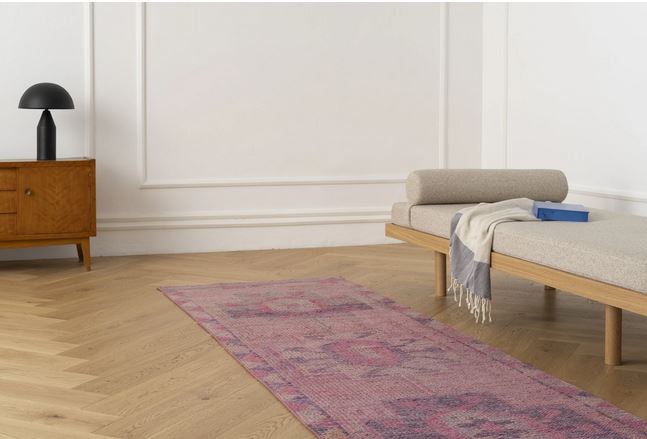
The Jalil Vintage Turkish Runner Rug is the kind of home décor piece that quietly walks into a room and says, “Relax, I have taste.” It does not shout. It does not beg for attention. It simply stretches along a hallway, kitchen, entryway, or narrow landing and makes the whole space feel warmer, older, softer, and somehow more interestinglike your floor just returned from a very tasteful trip through Anatolia.
Vintage Turkish runner rugs have become favorites among designers, collectors, and homeowners because they solve several decorating problems at once. They add color without requiring a full-room makeover. They introduce pattern without looking chaotic. They soften hard flooring. And because many are handmade, wool-based, and one-of-a-kind, they bring a layer of history that a brand-new machine-made rug rarely delivers. The Jalil rug fits neatly into that world: a vintage Turkish runner with a soft pink palette, hand-knotted construction, low pile, and the lived-in character that makes vintage textiles feel soulful rather than showroom-stiff.
What Is the Jalil Vintage Turkish Runner Rug?
The Jalil Vintage Turkish Runner Rug is a one-of-a-kind vintage runner associated with Revival, a retailer known for sourcing vintage and handmade rugs. Product details describe Jalil as a hand-knotted vintage rug from Herki, Turkey, made from 100% wool. Its approximate size is 2 feet 11 inches by 9 feet 5 inches, or about 89 by 289 centimeters, making it a classic long, narrow runner suitable for hallways, kitchens, entryways, and other slim spaces.
Its low pile, around 0.2 inches, is part of its appeal. A low-pile runner is easier to place under doors, easier to vacuum, and less likely to become a dramatic trip hazard during the morning coffee shuffle. The color palette includes dusty rose pink, bubblegum pink, and lavender tones, which gives the rug a softer and more playful personality than the darker reds, navy blues, and browns often associated with antique oriental rugs.
In plain English: Jalil is not just a rug. It is a long, woolen mood board for people who like vintage charm, faded color, practical texture, and a little “where did you get that?” energy.
Why Vintage Turkish Runner Rugs Are So Popular
Vintage Turkish runner rugs have earned their place in American interiors because they blend old-world craftsmanship with everyday practicality. Turkish rugs, especially those from Anatolian weaving traditions, are known for geometric motifs, symbolic patterns, wool construction, and regional character. While every rug is different, many vintage Turkish pieces share a few prized qualities: durability, natural warmth, hand-crafted irregularity, and a patina that cannot be faked convincingly, no matter how hard fast décor tries.
Modern homes often need texture. Open-concept layouts, white walls, wood floors, quartz counters, and sleek cabinets can look beautiful, but they can also feel a little too cleanlike nobody is allowed to eat toast there. A vintage Turkish runner helps loosen everything up. It adds softness underfoot, breaks up long stretches of flooring, and gives the eye something interesting to follow.
Runner rugs are especially useful because they fit places where full-size area rugs cannot. A hallway runner can turn a plain corridor into a designed transition. A kitchen runner can make standing at the sink feel less like a punishment. An entryway runner can welcome guests while quietly collecting dust and shoe grit like a stylish bouncer.
Design Details That Make Jalil Stand Out
Soft Pink and Lavender Color Palette
The Jalil Vintage Turkish Runner Rug’s dusty rose, bubblegum pink, and lavender tones make it especially versatile for interiors that need warmth but not visual heaviness. Pink rugs can sound intimidating at first, especially if you are imagining a nursery, a candy shop, or a flamingo with a decorating budget. But vintage pink is different. When softened by age, wear, and wool texture, pink becomes earthy, romantic, and surprisingly grown-up.
Dusty rose pairs beautifully with warm wood floors, creamy walls, brass hardware, natural linen, white oak cabinetry, terracotta accents, and even black metal details. Lavender gives the rug a cooler undertone, helping it work with gray, taupe, soft blue, and muted green. The result is a runner that feels colorful without taking over the entire house.
Hand-Knotted Wool Construction
Hand-knotted rugs are admired because they require time, skill, and individual craftsmanship. Unlike printed rugs, where the design sits on the surface, a hand-knotted rug is built knot by knot. That process helps create depth, resilience, and character. Wool is also naturally durable, springy, and forgiving, which is why it has remained one of the most trusted rug materials for generations.
For a high-traffic zone, wool is a smart choice. It handles footsteps well, tends to age gracefully, and offers a soft but sturdy feel. Jalil’s low pile makes it even more practical for narrow walkways, because it is not overly plush or bulky.
One-of-a-Kind Vintage Character
One of the best parts of a vintage rug is that it refuses to be perfect. Slight fading, uneven coloration, small inconsistencies, and age-related wear are not flaws in the usual sense. They are part of the story. In fact, they are often what buyers are paying for. A vintage Turkish runner should not look like it was printed yesterday by a machine that has never experienced joy.
With Jalil, the natural inconsistencies make the rug feel personal. It has texture, memory, and movement. The pattern may not be mathematically sterile, and that is exactly the point. A room with too many perfect items can feel cold. A vintage rug adds the visual equivalent of a wink.
Best Places to Use the Jalil Vintage Turkish Runner Rug
Hallway
The most obvious place for Jalil is a hallway. Its long, narrow dimensions help guide the eye and make a corridor feel intentional. For the best look, leave some floor visible on both sides of the runner. This creates a framed effect and prevents the rug from looking squeezed into place like it lost a bet with the baseboards.
A hallway with wood flooring, white walls, and simple artwork can instantly feel more layered with a pink vintage Turkish runner. Add a small console table, a ceramic lamp, or framed black-and-white photos, and suddenly the hallway becomes a design moment instead of a place where laundry baskets go to be ignored.
Kitchen
A vintage Turkish runner in the kitchen can be surprisingly practical. Low-pile wool runners add comfort underfoot, especially near the sink, island, or main prep zone. Jalil’s pink and lavender tones can soften white cabinets, warm up stone countertops, and add charm to kitchens that lean modern or minimal.
Of course, kitchen rugs need realistic expectations. If you regularly make tomato sauce with the enthusiasm of a volcano, use a rug pad, rotate the runner, and clean spills quickly. Vintage does not mean invincible. It means beautiful, not magically immune to marinara.
Entryway
In an entryway, Jalil can set the tone for the entire home. The soft color palette feels welcoming and unexpected. Because entryways often include hard surfaces, shoes, bags, keys, and daily traffic, a wool runner helps absorb some of the visual and physical chaos. Pair it with a bench, woven baskets, and a mirror for a polished but lived-in look.
Bedroom
Jalil can also work beautifully beside a bed. A runner placed along one side of the bed gives bare feet a soft landing in the morning. In a bedroom with neutral bedding, a vintage pink Turkish runner adds warmth without requiring bold paint or dramatic furniture changes. It is an easy way to introduce personality while keeping the room calm.
Bathroom or Dressing Area
For a spacious bathroom, closet hallway, or dressing area, a vintage runner can look luxurious. The key is moisture control. Wool rugs should not stay damp, so Jalil is better suited to a dry vanity zone or dressing walkway than a wet shower exit. If your bathroom floor regularly resembles a small indoor lake, choose a washable bath mat instead and let Jalil live somewhere less splashy.
How to Style a Pink Vintage Turkish Runner
The easiest way to style Jalil is to treat it as a warm accent rather than a theme. You do not need pink curtains, pink pillows, pink lamps, and a pink toaster named Brenda. Let the rug carry the color, then echo its tones subtly through small details.
For a refined look, pair Jalil with warm neutrals such as ivory, oatmeal, beige, camel, and light oak. For a more collected style, mix it with brass lighting, antique wood furniture, framed botanical prints, or handmade ceramics. If your style leans modern, the rug can act as a soft contrast against clean lines, black fixtures, and minimalist cabinetry.
Jalil also works well with natural materials. Think linen curtains, cane chairs, wood benches, woven baskets, marble trays, and clay vases. The rug’s vintage character gives those materials more depth, while the pink tones keep the room from feeling too serious.
How to Choose the Right Runner Rug Size
Before buying any vintage Turkish runner, measure carefully. Jalil’s approximate 2-foot-11-inch width and 9-foot-5-inch length make it generous enough for many hallways and kitchens, but every home is different. A runner should usually leave visible floor around the edges. In a hallway, that exposed border helps the rug feel centered and deliberate. In a kitchen, make sure cabinet doors, appliance doors, and nearby stools can move freely.
Use painter’s tape to mark the rug’s dimensions on the floor before committing. This simple trick can prevent the classic rug-buying tragedy: falling in love online, ordering confidently, and then discovering the runner blocks three doors and makes the dog suspicious.
Care Tips for a Vintage Turkish Wool Runner
A vintage wool runner can last for years with proper care. Vacuum regularly using suction rather than a harsh rotating brush, especially on an older hand-knotted rug. Rotate the runner every few months so foot traffic and sunlight wear evenly. Use a quality rug pad to prevent slipping, protect the fibers, and add a little cushion.
Clean spills quickly by blotting, not rubbing. Rubbing can push the stain deeper and rough up the wool fibers. For serious stains or full cleaning, professional rug cleaning is the safest choice, especially for vintage wool rugs with natural dyes or delicate areas. Jalil has been professionally cleaned according to product descriptions, but ongoing care matters if you want it to keep looking charming rather than “mysterious basement discovery.”
Why Jalil Works in Modern American Homes
The Jalil Vintage Turkish Runner Rug works because it balances beauty and function. It is decorative, but not fragile-looking. It is colorful, but not loud. It is vintage, but not dusty or old-fashioned. That combination makes it a strong choice for people who want their home to feel collected instead of catalog-perfect.
In American interiors, where open layouts and hard flooring are common, runners are practical design tools. They create visual pathways, soften sound, protect flooring, and add comfort underfoot. Jalil does all of that while also bringing the artistry of Turkish weaving into daily life. It is the kind of piece that can make a rental apartment feel less temporary, a new build feel less blank, or an older home feel even more layered.
Is the Jalil Vintage Turkish Runner Rug Worth It?
If you value handmade character, natural wool, vintage patina, and one-of-a-kind design, Jalil is worth serious consideration. It is especially appealing if you want a runner that feels feminine but not overly sweet, traditional but not stiff, and decorative but still useful. The soft pink and lavender tones make it memorable, while the low pile and runner shape make it easy to live with.
However, it may not be the right rug for every home. If you need a machine-washable rug for heavy pet accidents, muddy boots, or toddlers conducting yogurt experiments, a modern washable runner may be more practical. If you prefer bold red, navy, or high-contrast traditional rugs, Jalil’s muted pink palette may feel too gentle. But for the right space, it can be the finishing touch that makes the room feel thoughtful and complete.
Real-Life Experience: Living With a Rug Like Jalil
Bringing a vintage Turkish runner like Jalil into the home changes the way a space feels almost immediately. The first thing most people notice is not just the color, but the atmosphere. A plain hallway can feel like a pass-through, a place you hurry across while carrying groceries, mail, or the emotional weight of forgetting why you walked there. Add a vintage runner, and suddenly that same hallway feels designed. It slows the eye down. It gives the floor a voice. Thankfully, the floor usually has better taste than the junk drawer.
One of the most enjoyable experiences with a vintage runner is watching how it interacts with light throughout the day. In morning sunlight, dusty rose tones may look brighter and more cheerful. In the evening, lavender and faded pink can become moodier and softer. This is one reason vintage wool rugs feel more alive than many flat printed rugs. The fibers, wear, and dye variation respond to the room. They do not just sit there; they participate.
A runner like Jalil also teaches you that decorating does not always require a massive renovation. You do not need to repaint the walls, replace cabinets, or buy a sofa so expensive it should come with its own retirement plan. Sometimes one textile can shift the whole mood. In a kitchen, it can make a basic white-and-wood layout feel more personal. In an entryway, it can make guests feel welcomed before anyone says a word. In a bedroom, it can make mornings gentler, especially when your alarm clock has chosen violence.
There is also a practical learning curve. A rug pad is not optional if the runner sits on hardwood, tile, or polished concrete. Without one, a runner may slide, bunch, or develop a dramatic personality. A good pad keeps the rug in place, protects the floor, and makes the rug feel more substantial. It also helps prevent corners from curling, which is important unless you enjoy performing accidental hallway gymnastics.
Cleaning becomes part of the routine, but not in an overwhelming way. Regular vacuuming keeps dust and grit from settling into the fibers. Quick blotting handles minor spills. Rotating the rug helps balance wear. Over time, you begin to appreciate the difference between damage and patina. A small irregularity in a vintage rug does not necessarily ruin it. Often, it makes the rug feel more authentic. The trick is to care for it without trying to erase its age.
The best experience, though, is the sense of individuality. Mass-produced décor can be attractive, but it often feels anonymous. A vintage Turkish runner has a presence. It may have been woven decades ago, used in another home, professionally cleaned, and passed along to begin a new chapter. That history gives the piece emotional weight. You are not just decorating a floor; you are borrowing a little piece of textile heritage and letting it live with your shoes, your pets, your coffee habits, and your everyday routines.
Jalil’s pink palette makes that experience especially charming. It is friendly. It is warm. It is not afraid of being pretty. But because the tones are faded and grounded by wool texture, it avoids feeling childish or overly trendy. It can live with antique furniture, modern lighting, cottage-style cabinets, minimalist walls, or eclectic art. Like the best vintage pieces, it does not demand that everything match. It simply asks that everything get along.
Conclusion
The Jalil Vintage Turkish Runner Rug is a beautiful example of why vintage Turkish rugs remain so loved in modern interiors. With its hand-knotted wool construction, low pile, soft pink and lavender palette, and one-of-a-kind character, Jalil offers both style and substance. It can warm up a hallway, soften a kitchen, elevate an entryway, or add charm beside a bed. More importantly, it brings a sense of history and humanity into the homesomething no perfectly printed, factory-fresh rug can fully imitate.
For homeowners who appreciate vintage décor, Turkish craftsmanship, and practical beauty, Jalil is more than a runner rug. It is a design anchor, a conversation starter, and a daily reminder that floors deserve nice things too.
Note: This article is an original, publication-ready synthesis based on verified product information, Turkish rug history, wool rug care practices, and current U.S. interior design guidance.