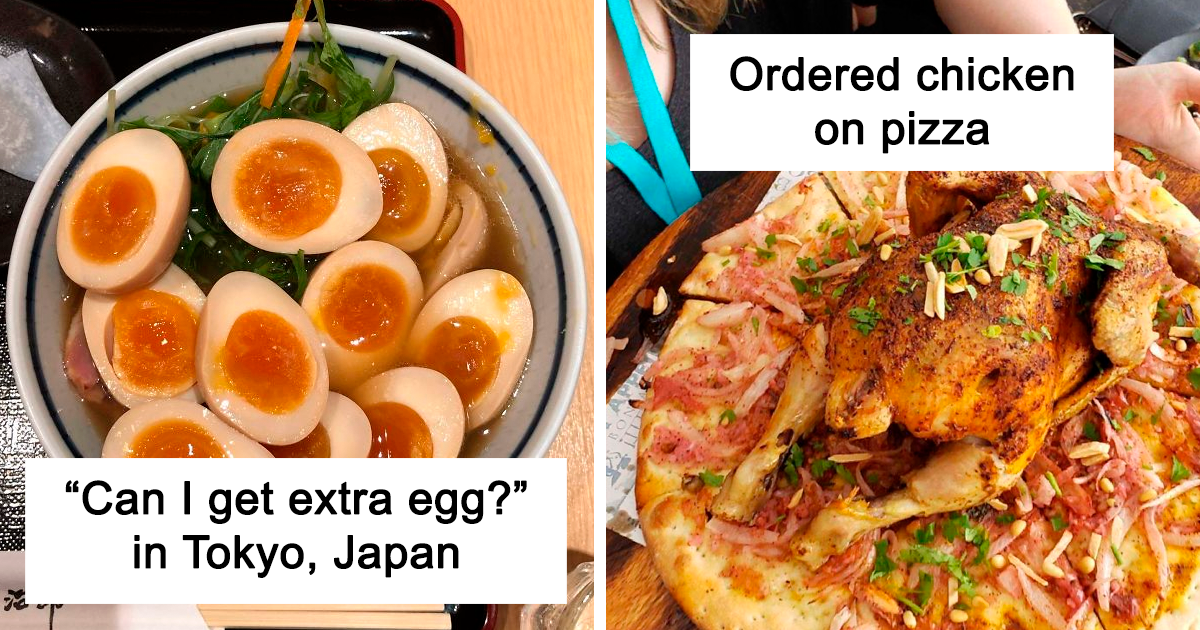
Note: This article is written as original, publish-ready entertainment content inspired by real-life communication mix-ups, restaurant order stories, customer-service humor, “delicious compliance,” and everyday moments where literal answers became comedy gold.
There is an old warning that says, “Be careful what you wish for.” It sounds dramatic, like something whispered by a mysterious shopkeeper before handing over a cursed snow globe. But in everyday life, the phrase often shows up in much funnier ways. Someone asks for extra pickles and receives enough pickles to start a small farm. A customer requests “just a little ice” and gets one lonely cube floating in a cup like it lost its friends. A kid asks for a “dinosaur cake,” and the family ends up with a terrifying frosting creature that looks like it escaped from a budget monster movie.
That is the magic behind the idea of “people getting exactly what they asked for.” The humor usually comes from a gap between what someone meant and what someone heard. In conversation, we rely on tone, context, common sense, and social shortcuts. But when another person takes a request completely literally, the result can be awkward, brilliant, or so funny that the internet immediately wants a front-row seat.
Below are 40 memorable types of moments where people didn’t expect to get exactly what they asked for. Some are about food. Some are about work. Some are about gifts, signs, tattoos, online orders, and design choices that prove one thing: clear communication is important, but accidental comedy is forever.
Why “Exactly What You Asked For” Is So Funny
The best examples work because they combine surprise with harmless consequences. If a mistake causes real harm, it stops being funny quickly. But when the result is simply oversized, too literal, strangely perfect, or hilariously inconvenient, people laugh because the outcome breaks expectations without breaking anything important.
It is also relatable. Everyone has made a vague request and assumed the other person could read their mind. Everyone has said “make it spicy” and later discovered that the chef heard “summon the lava dragon.” These stories remind us that language is flexible, messy, and occasionally wearing clown shoes.
40 Times People Got Exactly What They Asked For
- The “extra cheese” pizza: Someone asked for extra cheese and received a pizza buried under a dairy avalanche. It looked less like dinner and more like mozzarella with a crust-shaped rumor underneath.
- The “light ice” drink: A customer requested light ice, and the barista added one tiny cube. Technically correct? Yes. Emotionally satisfying? Depends how thirsty you are.
- The “write happy birthday very small” cake: The decorator wrote the actual words “happy birthday very small” instead of making the message small. Grammar lost, comedy won.
- The “plain burger” order: A person asked for a plain burger and got only meat and bun. No sauce, no cheese, no vegetables, no joy. It was minimalism with ketchup anxiety.
- The “make it spicy” noodles: A brave eater requested maximum spice and received a bowl that could probably power a small rocket. Pride went in; tears came out.
- The “surprise me” haircut: Asking a stylist to “surprise me” sounds adventurous until the mirror reveals a haircut with its own personality and possibly its own tax obligations.
- The “anything but socks” gift: Someone said they wanted anything but socks, so the giver wrapped a single sock. Not a pair. Just one. A masterpiece of petty holiday engineering.
- The “don’t make a big deal” birthday: The family followed instructions and did absolutely nothing. No cake, no song, no candles. Suddenly, “don’t make a big deal” felt suspiciously like a trap.
- The “draw me like one of your French girls” pet portrait: A pet owner made a dramatic request and got an overly serious portrait of their dog looking ready to inherit a vineyard.
- The “more garlic” pasta: The chef added enough garlic to protect the entire restaurant from vampires, bad dates, and possibly small aircraft.
- The “room with a view” hotel request: The guest got a window facing a brick wall with one tiny visible corner of sky. Technically, it was a view. Spiritually, it was a wall.
- The “big salad” lunch: The server brought out a salad bowl so large it looked like it belonged at a family reunion. The fork needed a seatbelt.
- The “put it somewhere safe” problem: Someone hid an important document so safely that nobody, including the person who hid it, could ever find it again.
- The “don’t spend much” anniversary: One partner took that literally and bought a $3 card. Suddenly, budgeting became less romantic than expected.
- The “simple logo” design brief: A client asked for something simple, so the designer sent a plain black dot. It was clean, bold, and completely unusable.
- The “make the font pop” request: The designer used a font so loud it practically came with a marching band. It popped, screamed, and possibly filed noise complaints against itself.
- The “coffee without coffee” order: Someone wanted a coffee drink with no coffee taste, and the barista made sweet cream in a cup. Delicious? Maybe. Coffee? Not even remotely.
- The “as many napkins as possible” request: The takeout bag arrived packed with napkins like the restaurant expected a small flood.
- The “extra sauce” order: A customer asked for extra sauce and received a container so large it became the main course. The fries were merely sauce delivery vehicles.
- The “make it look expensive” home project: The final design included gold accents everywhere. It looked expensive, yes, but also like a casino had sneezed.
- The “just trim the ends” haircut: The stylist trimmed exactly the endsabout two millimeters. The client paid full price for a haircut only a microscope could appreciate.
- The “no onions” sandwich: The sandwich came with no onions, but also no flavor, because the kitchen removed half the toppings to be safe.
- The “add a little personality” email: The employee added jokes, emojis, and a dramatic opening line. The boss wanted warmer language, not a sitcom pilot.
- The “make the dog look royal” costume: The dog ended up wearing a tiny crown and cape, looking deeply disappointed in its kingdom.
- The “give me the cheapest option” repair: The cheapest fix technically worked, but it looked like duct tape had started a construction company.
- The “decorate however you want” office party: One enthusiastic coworker chose a pirate theme. The quarterly meeting suddenly had balloons, eyepatches, and suspicious amounts of “arr.”
- The “one scoop” ice cream order: The shop served one massive scoop the size of a softball. It was both generous and structurally risky.
- The “small tattoo” request: The tattoo was small, but placed in such a dramatic spot that everyone noticed it immediately. Tiny ink, enormous conversation starter.
- The “make it rustic” wedding sign: The sign looked less like charming farmhouse decor and more like it had survived a haunted barn incident.
- The “don’t hold back” roast: Friends took the instruction seriously and delivered jokes so sharp the birthday cake probably felt unsafe.
- The “more whipped cream” dessert: The dessert disappeared under a mountain of whipped cream. Somewhere under there was pie, allegedly.
- The “wake me up no matter what” instruction: The roommate used pots, pans, and the confidence of a medieval town crier. Effective? Yes. Friendship damage? Moderate.
- The “short meeting” request: The manager scheduled a five-minute meeting. Everyone loved it until they realized the next 55 minutes became email chaos.
- The “make it kid-friendly” movie night: The adults ended up watching cartoons for three hours while the kids fell asleep in minute twelve.
- The “write exactly what I say” invitation: The designer included every awkward pause and side comment. The invitation had personality, but not the intended kind.
- The “bring snacks” request: One guest arrived with enough chips to feed a sports stadium. Nobody complained. History may remember them as a hero.
- The “use bright colors” room makeover: The room became so bright that sunglasses felt reasonable indoors.
- The “make me look taller” photo edit: The editor stretched the image until the person looked like a friendly piece of spaghetti in formalwear.
- The “no small talk” date: The conversation jumped straight into childhood fears, debt, and opinions about aliens. Efficient? Absolutely. Relaxing? Not exactly.
- The “give me the works” hot dog: The vendor added every topping available. The hot dog became a salad wearing a bread jacket.
What These Funny Moments Teach Us About Communication
Behind the laughs, these stories reveal something useful: people often communicate in shortcuts. We say “extra,” “plain,” “simple,” “nice,” “spicy,” or “cheap” as if those words have universal measurements. They do not. “Extra pickles” might mean three slices to one person and a crunchy green landslide to another. “Simple design” might mean clean and elegant to a client, but nearly empty to a designer who has heard “less is more” one too many times.
That is why context matters. The funniest “exactly what they asked for” stories happen when someone ignores the invisible context and follows only the words. The person is not always wrong. In many cases, they are technically correct, which is the most dangerous kind of correct. The problem is that literal accuracy and emotional accuracy are not the same thing.
In food service, this can be especially hilarious because requests are fast, specific, and often made by hungry people operating at 14% patience. A customer says “a lot of ranch,” and the kitchen may hear a challenge. A diner says “burn the toast,” and the cook may create something that looks like evidence from a fire investigation. Restaurants are perfect comedy stages because the results are visual, immediate, and edibleusually.
In relationships, the stakes are softer but still funny. “Don’t get me anything” is famously one of the riskiest sentences in human history. Sometimes it means “I genuinely do not want a gift.” Sometimes it means “Please understand my emotional needs through advanced telepathy.” When the other person obeys literally, disappointment enters the room wearing comfortable shoes.
At work, getting exactly what you asked for can be both funny and expensive. A vague instruction like “make the report more exciting” can lead to charts, animations, bold colors, and a presentation that looks like a weather emergency. The lesson is simple: when the outcome matters, give examples. If you want “professional but friendly,” say that. If you want “shorter by 30%,” say that. If you want “spicy but not legally questionable,” definitely say that.
Why the Internet Loves These Stories
The internet adores these moments because they are easy to understand in one glance. A mountain of pickles needs no long explanation. A cake with the wrong message printed perfectly is comedy in frosting form. These posts travel well because they are visual, relatable, and safe to laugh at. Nobody needs a degree in philosophy to understand why “write Happy Birthday in blue” becomes funny when the cake literally says “Happy Birthday in blue.”
They also let people enjoy a tiny rebellion against vague instructions. Many workers, artists, servers, designers, and family members have felt the frustration of unclear requests. When someone finally follows the instruction exactly, the result can feel like justice wearing a party hat. It is not cruel; it is comedic precision.
How to Ask for What You Actually Want
Be specific with quantity
Instead of saying “extra sauce,” try “two extra sauce cups.” Instead of “a little ice,” say “about half the normal amount.” Specific words prevent your drink from becoming a science experiment.
Give an example
If you want a design, haircut, cake, or renovation, bring a reference. People are talented, but they are not mind readers. Even the best professional cannot guess whether “modern” means warm minimalism or a living room that looks like a spaceship lobby.
Say what you do not want
Boundaries help. “Make it funny, but not sarcastic” is clearer than “make it fun.” “Spicy, but not painful” is clearer than “make it hot.” Your future self will thank you, especially during dinner.
Confirm the important details
Before approving an order, design, gift, or plan, repeat the key details. It may feel boring, but boring is better than receiving a birthday cake that says, “Put the name here.”
Personal Experiences Related to Getting Exactly What You Asked For
Most people have at least one personal story where their words came back to them wearing a ridiculous hat. One common experience happens when ordering food. You ask for “a little extra” of something, thinking the person behind the counter understands the normal human meaning of little. Then the bag arrives, and you discover that “extra” has become a lifestyle. Extra sauce. Extra onions. Extra jalapeños. Extra napkins. Suddenly, lunch feels like a negotiation you lost by winning.
Another familiar experience is gift-giving. People often try to sound easygoing by saying, “I don’t need anything.” But when the day arrives and they receive exactly nothing, the silence can become louder than a parade. The funny part is that both sides may feel right. One person followed the instruction. The other person expected warmth, effort, or a symbolic gesture. This is why the phrase “you should have known” has caused more emotional traffic jams than almost any sentence in domestic history.
Workplaces are full of these moments too. A boss might ask for a report that is “short and punchy.” The employee cuts it down to three bullet points, and suddenly the boss wants more context. A client might ask a designer to “make it pop,” then recoil when the final version looks like a neon sign at a birthday carnival. These situations are funny afterward because they show how vague language can create wildly different pictures in different minds.
Families may be the greatest source of exact-request comedy. A parent tells a child to “put the toys somewhere,” and the child puts them in the bathtub. A spouse says, “Just grab any dessert,” and the other brings home black licorice because technically it is dessert and technically the relationship is now under review. Kids, especially, are masters of literal interpretation. Tell a child to “dress nice,” and they may appear wearing a superhero cape, rain boots, and the confidence of a fashion revolutionary.
The experience can be embarrassing in the moment, but it often becomes a story people retell for years. That is the real charm. Getting exactly what you asked for can reveal the hidden assumptions behind everyday speech. It teaches patience, humility, and the underrated skill of laughing before blaming. Sometimes the mistake is not that another person misunderstood us. Sometimes the mistake is that we expected them to understand the sentence we meant instead of the sentence we actually said.
In a strange way, these moments make life better. They give us stories, jokes, photos, and memories. They remind us to be clearer, kinder, and less convinced that our meaning is obvious. They also prove that comedy does not always need a script. Sometimes it only needs a vague request, a literal listener, and a heroic amount of ranch dressing.
Conclusion
The funniest “people got exactly what they asked for” moments are not just about mistakes. They are about the tiny gap between intention and interpretation. That gap is where extra pickles, strange cakes, wild haircuts, awkward gifts, and unforgettable restaurant orders live happily together. Whether the result is delicious compliance, accidental sarcasm, or pure literal-minded genius, these stories keep going viral because they are deeply human.
We all think our requests are clear until someone follows them too well. The next time you ask for something “extra,” “simple,” “cheap,” “surprising,” or “not a big deal,” remember: someone out there may take you at your word. And if they do, you might not get what you expectedbut you may get a story worth telling.


