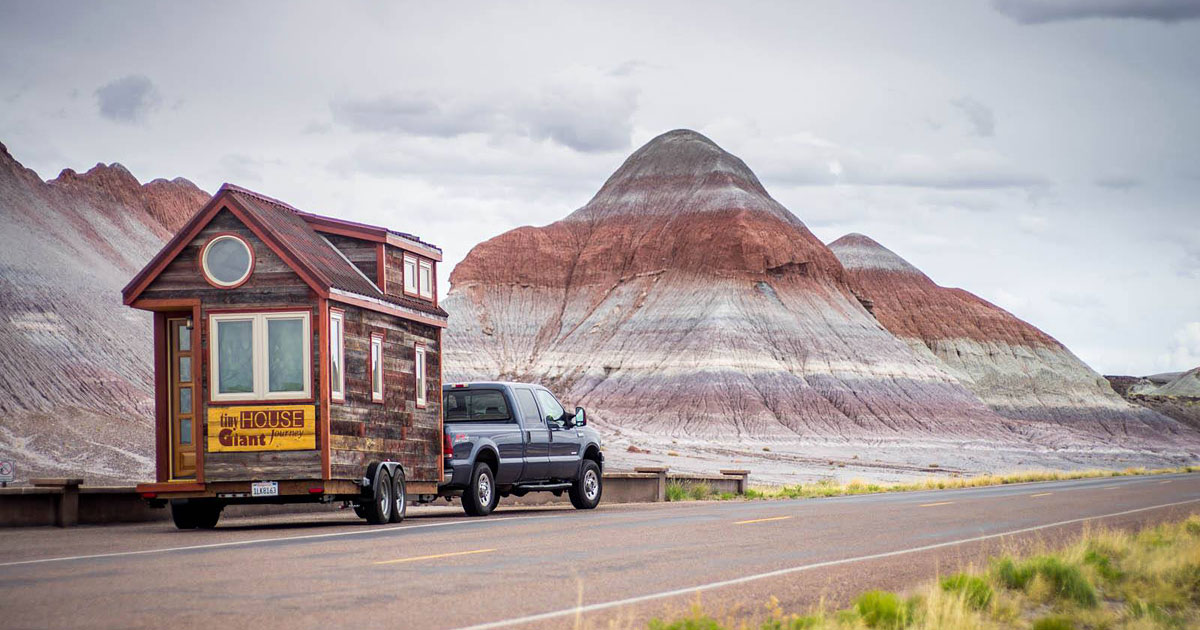
Quitting your job to build a tiny house on wheels sounds like the kind of idea that begins with a inspirational quote, a sunset photo, and at least one person saying, “Are you sure this is not a midlife crisis with plumbing?” But for many Americans, tiny house living is no longer just a daydream pinned to a vision board. It has become a practical, if occasionally hilarious, way to trade oversized mortgages, crowded closets, and soul-draining commutes for a smaller home, a lighter lifestyle, and a front yard that changes whenever the wheels start rolling.
Our story begins where many tiny home stories begin: at a kitchen table covered with bills, coffee mugs, and the quiet realization that “successful” had started to feel suspiciously like “exhausted.” We had decent jobs, a decent apartment, decent furniture, and a calendar that looked like it had been attacked by office meetings. On paper, everything was fine. In real life, we were tired of spending the best hours of our week paying for a life we barely had time to enjoy.
So we made a wildly simple decision: we would quit our jobs, build a tiny house on wheels, and hit the road. Not because tiny living magically fixes every problem. It does not. A tiny house will not fold your laundry, stop your dog from shedding, or prevent you from arguing about where the spatula belongs. But it can force clarity. When your whole home is under 400 square feet, every object, habit, expense, and dream has to earn its spot.
Why A Tiny House On Wheels Felt Like Freedom
The appeal of a tiny house on wheels is easy to understand. It combines the coziness of a small home with the mobility of RV living. You can sleep in your own bed, cook in your own kitchen, and still wake up near a mountain, desert, lake, forest, or suspiciously charming small-town diner that serves pancakes the size of hubcaps.
For us, the biggest attraction was not just travel. It was control. A traditional home often comes with long-term debt, high utility bills, endless maintenance, and enough storage space to hide seventeen forgotten phone chargers. A tiny home demands a different relationship with money and stuff. Instead of asking, “Can we afford a bigger place?” we started asking, “How much space do we actually need to live well?”
That question changed everything. We realized we did not want a bigger closet. We wanted more mornings outside. We did not want more square footage. We wanted more time. We did not want a house that impressed people we barely saw. We wanted a home that helped us live on purpose.
The Planning Stage: Romantic Dream Meets Spreadsheet Goblin
Before the first board was cut, we had to get honest. Tiny house living looks dreamy online, but the dream needs a budget, a build plan, a legal parking strategy, insurance research, and enough patience to survive a hardware-store employee saying, “Hmm, never seen anyone do it that way before.”
We started with three basic questions: How much could we spend? Where could we legally park? What kind of road life did we actually want? Those questions matter because a tiny house on wheels is not the same as a foundation-built tiny home, a park model RV, a camper van, or a traditional travel trailer. Local rules vary widely. In many places, a tiny home on wheels may be treated as a recreational vehicle rather than a permanent dwelling. That can affect where you park it, whether you can live in it full time, and what kind of permits or hookups you need.
We also learned that tiny homes are not automatically cheap. A DIY build can save money, but materials, tools, trailer quality, appliances, insulation, plumbing, solar equipment, permits, and surprise expenses add up quickly. Professionally built tiny houses can cost far more, especially when they include custom cabinetry, high-end finishes, off-grid systems, and road-safe construction. The lesson was simple: “tiny” describes the square footage, not always the invoice.
Designing A Home Where Every Inch Has A Job
Designing a tiny house is like playing Tetris, except the pieces include a shower, refrigerator, bed, water tank, composting toilet, and your emotional attachment to a waffle maker. Every inch matters. Empty corners become shelves. Stairs become drawers. Benches become storage boxes. Walls become vertical pantries. If an object does only one job, it had better do that job extremely well.
We chose a layout with a sleeping loft, a compact kitchen, a small bathroom, a convertible work area, and storage hidden in places that would make a squirrel proud. The kitchen was the emotional center of the design. We knew that if we could make coffee, cook real meals, and avoid living entirely on gas-station snacks, life on the road would feel more sustainable.
Our design priorities were practical: strong insulation, proper ventilation, safe electrical systems, balanced weight distribution, and enough storage to prevent daily life from turning into a scavenger hunt. Pretty design mattered, too, but we quickly learned that “Instagram cute” is not the same as “comfortable during a thunderstorm after three days of muddy shoes.”
Building The Tiny House: Sawdust, Mistakes, And Character Development
Building a tiny house on wheels is deeply rewarding, but anyone who says it is always peaceful has probably inhaled too much sawdust. There were days when everything clicked: walls went up, windows fit, and we stood back feeling like tiny-home geniuses. Then there were days when a measurement was wrong, a tool disappeared, or a cabinet door refused to align because apparently wood has opinions.
The trailer was the foundation of everything. We treated it seriously because a tiny house on wheels must be safe on the road, not just charming in a photo. Lights, tires, brakes, axles, weight rating, hitch setup, and load balance are not glamorous, but they are essential. A beautiful tiny house on a weak trailer is not a home; it is a bad idea wearing cedar siding.
Inside, the build became a daily lesson in compromise. We wanted a full-size fridge, but we also wanted walking space. We wanted bookshelves, but we also wanted the house not to weigh as much as a small moon. We wanted a big shower, but we also wanted a kitchen counter where more than one tomato could be chopped at a time. Tiny living is not about having everything. It is about choosing the right things with suspiciously intense commitment.
Downsizing: The Emotional Olympics Of Getting Rid Of Stuff
Nothing reveals your relationship with possessions quite like trying to fit your life into a tiny house. Suddenly every item becomes a debate. Do we need six coffee mugs for two people? Why do we own three can openers? Who saved this box of tangled cables, and are they willing to testify in court?
We used a simple rule: keep what we use, what we love, and what supports the life we are building. Everything else had to be sold, donated, recycled, gifted, or released back into the mysterious universe of household clutter. Downsizing felt brutal at first. Then it became freeing. The less we owned, the easier it became to see what mattered.
Sentimental items were the hardest. We kept a small memory box, digitized old papers and photos, and gave meaningful objects to family members who would actually use them. The process taught us that memories do not disappear just because the object takes up less space. Sometimes they become clearer when they are no longer buried under ten years of “maybe someday.”
Quitting Our Jobs Without Burning The Bridge
Leaving stable jobs was not a dramatic movie scene. No one threw a stapler. No one shouted, “You will never make it out there!” We made a financial runway, reduced expenses, saved an emergency fund, and left professionally. That part matters. Freedom feels better when it is not built entirely on panic.
Many people who live tiny on the road work remotely, freelance, run online businesses, take seasonal jobs, create content, consult, or combine several income streams. We knew we needed work that could travel with us. Before leaving, we tested side income, lowered monthly obligations, and learned which expenses would continue on the road: insurance, fuel, maintenance, campsite fees, phone plans, internet, groceries, laundry, repairs, and the occasional emergency pizza.
Quitting was not about escaping work forever. It was about redesigning work so life could fit around it, not the other way around. That shift felt bigger than the house itself.
Hitting The Road: Freedom Has A Learning Curve
The first week on the road was magical and awkward in equal measure. We woke up excited, made coffee with heroic optimism, and immediately realized we had packed the mugs behind a storage bin under a bench behind another storage bin. Tiny house travel is full of these little lessons. The road gives you beauty, but it also gives you loose screws, wrong turns, low bridges, and the deep humility of backing up a trailer while strangers pretend not to watch.
Slow travel became our best strategy. Instead of racing through states, we stayed longer in fewer places. That saved fuel, lowered stress, and gave us time to actually experience where we were. We learned the rhythm of small towns, public lands, RV parks, state parks, friends’ driveways, and quiet mornings where the only agenda was finding a good trail and not forgetting where we put the keys.
Road life also changed our definition of luxury. A strong internet signal became luxury. A level parking spot became luxury. A hot shower with good water pressure became five-star luxury. The first time we did laundry without having to feed quarters into a machine that sounded like a helicopter, we nearly wrote a thank-you letter.
The Real Costs Of Tiny House Road Life
Living in a tiny home on wheels can reduce expenses, but it is not free living. The biggest savings usually come from avoiding traditional rent or mortgage payments, reducing utilities, buying less, and living more intentionally. But road life creates its own costs. Fuel can be expensive, especially when towing. Campsites and RV parks vary widely in price. Maintenance is constant. Tires, brakes, bearings, propane, batteries, water filters, and roof sealant all become part of the household budget.
We built a monthly budget around essentials: food, fuel, parking, insurance, internet, phone service, maintenance, health expenses, savings, and fun money. The “fun money” line was important because the point of traveling was not to sit inside a tiny house eating oatmeal in twelve states. We wanted museums, local restaurants, guided tours, national parks, farmers markets, and yes, the occasional cinnamon roll that could legally qualify as furniture.
The financial win came from intentional spending. We bought fewer things because there was nowhere to put them. We repaired instead of replaced. We chose experiences over objects. The house made waste obvious. When your closet is the size of a polite handshake, impulse shopping loses some of its charm.
Legal Parking: The Least Glamorous Part Of The Dream
The biggest surprise was not building, towing, or downsizing. It was parking. A tiny house on wheels can be beautifully built and still face complicated zoning rules. Some municipalities welcome tiny homes, some allow them as accessory dwelling units, some restrict them to RV parks, and others have rules that were clearly written before anyone imagined a cedar-sided cottage rolling down the highway.
Before staying anywhere long term, we checked local ordinances, campground rules, utility requirements, and insurance limitations. We learned to ask clear questions: Is full-time occupancy allowed? Are tiny houses on wheels accepted? Are there size, certification, or hookup requirements? Can mail be received? Are pets allowed? What happens in winter? The practical side of tiny living is not always glamorous, but it keeps the dream from turning into a parking ticket with curtains.
What Tiny Living Taught Us About Home
After months on the road, we stopped thinking of home as a fixed address. Home became the morning routine, the familiar blanket, the kettle on the stove, the shoes by the door, and the small table where we planned the next route. It became less about where we were and more about how we lived.
Tiny house living also made our relationship stronger in funny, inconvenient ways. In a small space, you cannot dramatically storm off unless you are willing to stand six feet away near the composting toilet. Communication becomes practical. You learn to say, “I need quiet,” “Please put that back,” and “I love you, but your backpack cannot live in the kitchen.”
We also became more connected to the outdoors. A tiny home encourages you to treat nature as an extension of the living room. Breakfast on a picnic table, evening walks, reading under trees, and cooking with the door open became normal. The house was small, but life felt wider.
Who Should Consider A Tiny House On Wheels?
A tiny house on wheels can be a great fit for people who value mobility, simplicity, design, and flexibility. It can work well for remote workers, creative professionals, retirees, minimalists, outdoor lovers, and anyone willing to trade excess space for more freedom. But it is not for everyone.
If you hate maintenance, need lots of privacy, own many large hobbies, or feel emotionally supported by a walk-in pantry, tiny living may feel frustrating. It also requires serious planning. You need to understand towing limits, legal parking, weather, utilities, insurance, internet, and how much togetherness your household can survive before someone starts whispering to the houseplants.
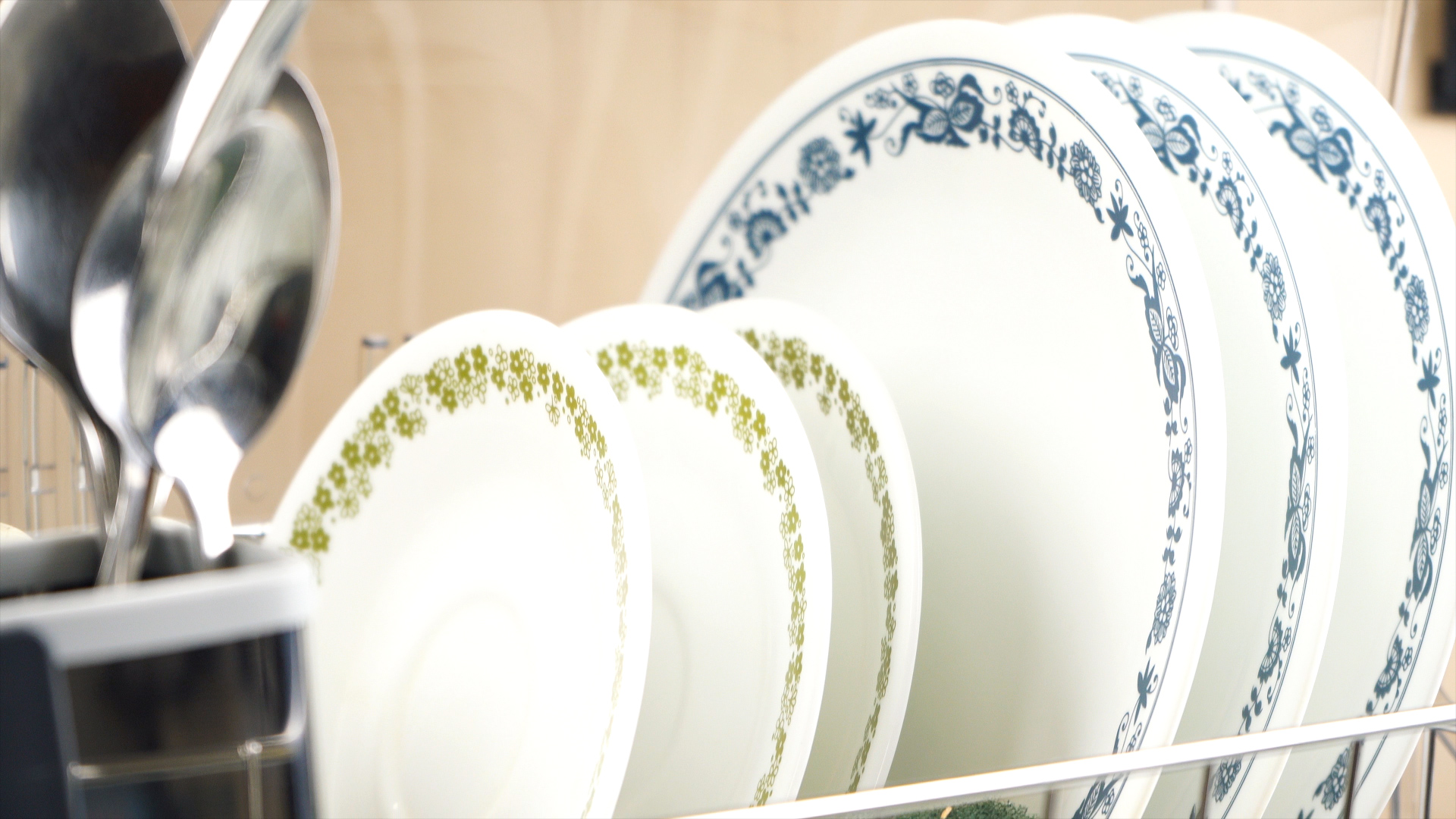
The best advice is to test the lifestyle before committing. Rent a tiny house, stay in an RV, take a long road trip, or spend a week living with only the things you would bring. Tiny living looks different when you are washing dishes in a sink the size of a salad bowl. Better to discover your limits before selling the couch.
Experiences From The Road: The Extra We Wish We Had Read First
The first real lesson from our tiny house adventure was that the road does not care about your aesthetic. You can have handmade curtains, warm wood paneling, and a carefully curated color palette, but if you forget to latch a drawer before driving, your kitchen utensils will hold a conference on the floor. We learned to do a “departure dance” before every move: windows locked, drawers latched, water secured, propane checked, stairs folded, hitch inspected, lights tested, and coffee placed somewhere it could not become airborne.
Weather became personal. In a regular house, rain is background noise. In a tiny house on wheels, rain is percussion. Wind is a negotiation. Cold mornings taught us the value of insulation, rugs, thick socks, and not stepping onto a chilly floor with the confidence of someone who has learned nothing. Hot days taught us to park strategically, use shade, ventilate early, and avoid cooking elaborate meals when the house already feels like a toaster with throw pillows.
We also discovered that road friendships happen quickly. Campground neighbors lend tools, share route tips, recommend mechanics, and tell stories that begin with, “You will not believe what happened in New Mexico.” People living small often have big generosity. A borrowed wrench, a shared campfire, or a tip about a free dump station can feel like community in miniature form.
There were hard days, too. Internet failures interrupted work. A plumbing leak turned an ordinary Tuesday into a wet detective novel. We got tired of planning where to sleep. We missed long showers, full-size ovens, and the ability to close a door and be in a completely different room. Freedom has chores. Adventure still requires laundry.
But the good days outweighed the hard ones. We watched sunrise over desert rock, fell asleep near pine forests, cooked soup during a mountain rainstorm, and found tiny diners where the waitress called everyone “hon.” We learned that happiness was not waiting at the final destination. It was in the ordinary rituals: sweeping the floor, making coffee, checking the map, waving at another traveler, and realizing we had built a life that felt like ours.
The most important experience was internal. Living tiny made us notice our habits. We became more careful with water, more aware of energy, more selective with purchases, and more grateful for simple comfort. We stopped measuring success by how much we could accumulate and started measuring it by how awake we felt in our own lives.
Conclusion: Small House, Bigger Life
Quitting our jobs, building a tiny house on wheels, and hitting the road was not the easiest path. It required planning, money, patience, research, hard conversations, and a willingness to learn from mistakes in public parking lots. But it gave us something we had been missing: space to breathe, time to explore, and a daily reminder that home does not have to be large to hold a meaningful life.
A tiny house on wheels is not a magic cure for modern stress. It is a tool. Used thoughtfully, it can help people reduce expenses, simplify routines, travel more, and live closer to their values. The road will test your patience, your budget, your relationship, and your ability to find the spatula in a 200-square-foot home. But it may also give you the rare joy of waking up and thinking, “This is small, but it is enough.”
Note: This article is written as an original, publication-ready narrative inspired by real tiny-house, RV-living, downsizing, zoning, road-safety, and small-space design guidance in the United States.