Every year arrives wearing a fresh suit and carrying a briefcase full of promises. This will be the year we finally get organized, drink more water, answer emails like responsible adults, and stop pretending that “scrolling for just five minutes” is a medically recognized recovery ritual. Then real life barges in. Work gets weird, prices stay annoying, weather gets dramatic, and our group chats somehow become both louder and lonelier.
Still, the year does teach us things. Not in a grand, movie-trailer voice. More often, it teaches us through repetition: the same mistakes, the same patterns, the same tiny truths tapping us on the shoulder until we finally say, “Fine, I get it.” What we’ve learned this year is not just how to survive a busy calendar or a noisy news cycle. We’ve learned what actually helps people feel healthier, steadier, saner, and a little more human in the middle of modern life.
So here’s a clear-eyed look at some of the biggest lessons this year has handed us, sometimes gently, sometimes like a raccoon crashing through the kitchen window.
Lesson 1: Health Is Built in Small, Unflashy Blocks
Movement beats the fantasy of a total life overhaul
One of the clearest lessons this year is that health usually does not improve because of one heroic decision. It improves because of repeated ordinary ones. A walk after dinner. Stretching before bed. Taking the stairs without acting like you deserve a medal from the city. Packing lunch three days a week instead of ordering something the size of a throw pillow.
That may sound almost insultingly simple, but that is exactly the point. The body responds better to consistency than to drama. People often imagine wellness as a giant reset button: a new membership, a new gadget, a new protein powder with a name that sounds like a comic-book villain. But the more useful truth is that modest activity, repeated often, changes how you sleep, how you think, how you handle stress, and how much energy you bring to the rest of the day.
This year reminded us that the “all or nothing” mindset is a trap. If you think exercise only counts when it is intense, sweaty, and posted online with a motivational caption, you are making the whole thing harder than it needs to be. Real health habits tend to be practical, sustainable, and a little boring. That is not a flaw. That is the reason they work.
Sleep is not a luxury item
If movement is the underappreciated hero of health, sleep is the neglected executive producer. It influences mood, memory, attention, patience, judgment, and basic ability to behave like a decent member of society. A bad night of sleep can make small problems feel personal, simple tasks feel insulting, and perfectly harmless coworkers feel like villains in a workplace thriller.
We have spent years acting as if sleep is optional for ambitious people, but this year has made that idea look increasingly ridiculous. Sleep is not the reward you earn after productivity. It is part of the machinery that makes productivity possible in the first place. When sleep slips, everything else gets shakier: cravings, focus, irritability, decision-making, and even motivation.
The useful takeaway is not “sleep perfectly.” That advice belongs next to “never worry again” in the hall of impossible instructions. The real takeaway is that protecting sleep matters. Regular bedtimes, less doomscrolling late at night, fewer “one more episode” negotiations with yourself, and more respect for recovery all add up. The body keeps receipts, and this year has shown us that rest is one of the smartest investments we can make.
Lesson 2: Connection Is Not Optional Equipment
Another major lesson this year is that loneliness is not just a sad feeling with a soft soundtrack in the background. It has real consequences. People need connection not because it is cute or sentimental, but because it is part of how human beings stay mentally and physically well.
That truth has become harder to ignore. We have more ways to contact one another than at any point in history, and yet plenty of people still feel detached, unsupported, or weirdly invisible. A full notifications panel is not the same as belonging. Sending a laughing emoji to a friend’s story is not the same as being known. A workplace packed with meetings is not the same as feeling part of a team.
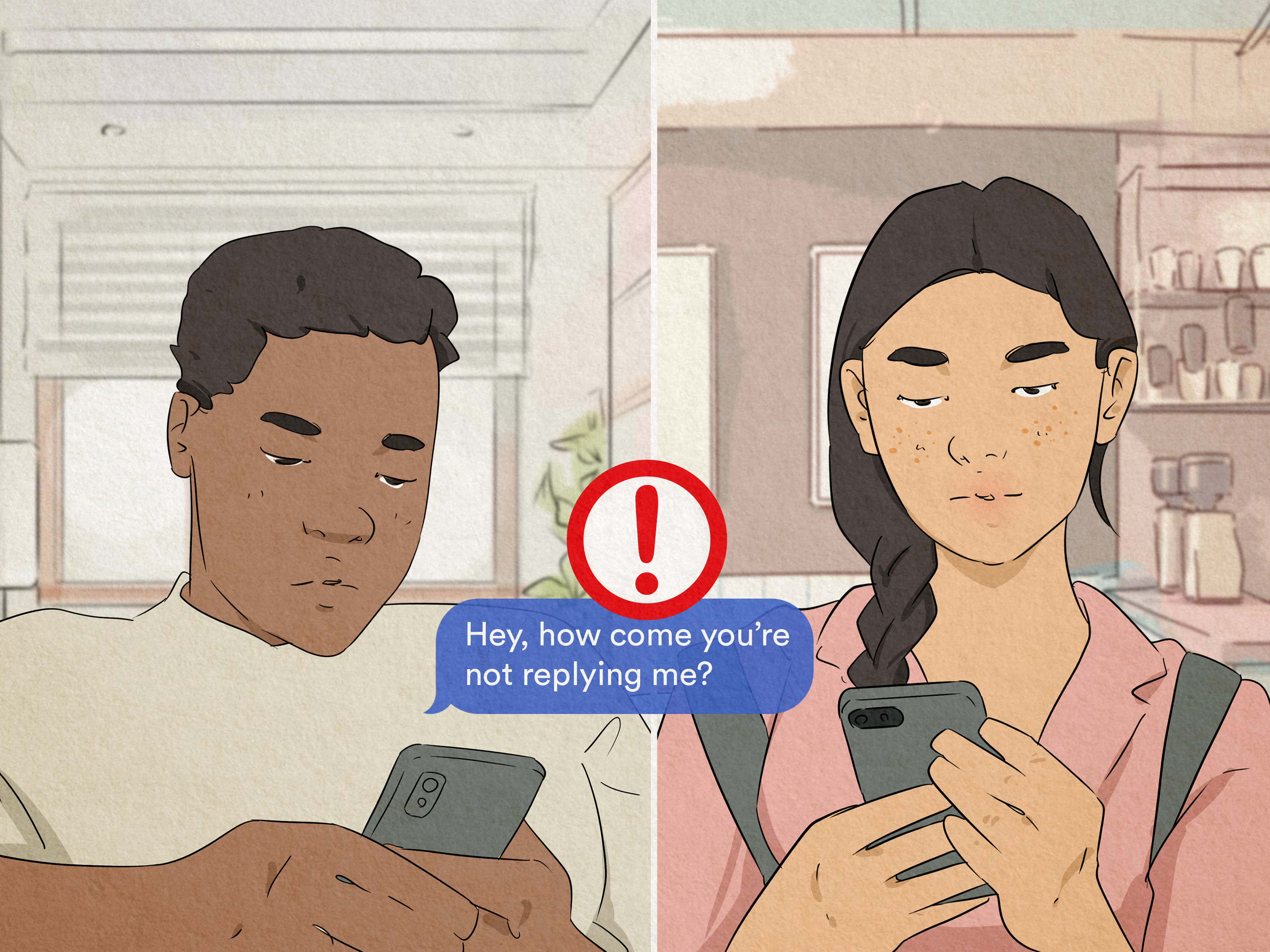
This year taught us that the smallest gestures often matter more than the polished ones. A quick check-in. A real phone call. Sharing a meal without half the table staring into separate glowing rectangles. Asking someone how they are and then not immediately interrupting with your own story about oat milk prices. These things sound tiny because they are tiny. They are also powerful because they are human-scale and repeatable.
We also learned that community does not have to be dramatic to be meaningful. Not everyone is joining a choir, starting a neighborhood garden, or becoming the mayor of potluck night. Sometimes connection looks like becoming a regular somewhere, remembering names, texting first, or showing up when it would be easier not to. The lesson is simple: people do better when they do not have to do life entirely alone.
Lesson 3: Convenience Is Great, but Judgment Still Matters
Technology can speed up work, but it cannot replace taste or responsibility
This year has also sharpened our thinking about technology, especially AI. There is no question that digital tools can save time. They can summarize, organize, draft, sort, and automate. Used well, they can remove some of the repetitive clutter that makes work feel like an obstacle course built by raccoons. But this year also showed us the limits.
Speed is not the same as wisdom. Output is not the same as insight. A machine can help produce a first draft, but it cannot automatically understand nuance, ethics, tone, social context, or whether an idea is genuinely good. The fastest answer in the room is not always the best one. In fact, sometimes the fast answer is just the wrong answer wearing a very confident tie.
That means the valuable human skills have not disappeared. They have become more obvious. Judgment matters. Editing matters. Originality matters. Knowing when something is technically correct but emotionally tone-deaf still matters. The people who thrive are not always the ones using the most tools. They are often the ones who know when to trust a shortcut and when to slow down and think.
More information does not automatically create clarity
We learned a similar lesson from the broader information environment. There is always more to read, more to react to, more to share, and more to panic about before lunch. But volume does not equal truth. The constant rush of opinions, headlines, clips, summaries, and hot takes can leave people informed in fragments and confused in total.
That is why one of this year’s most useful habits has been selective attention. Not ignorance. Not denial. Selective attention. Choosing better sources. Reading before reposting. Taking a breath before assuming the most dramatic interpretation is the most accurate one. The grown-up skill is no longer just finding information. It is filtering it without losing your mind.
Lesson 4: Money Stress Changes the Texture of Daily Life
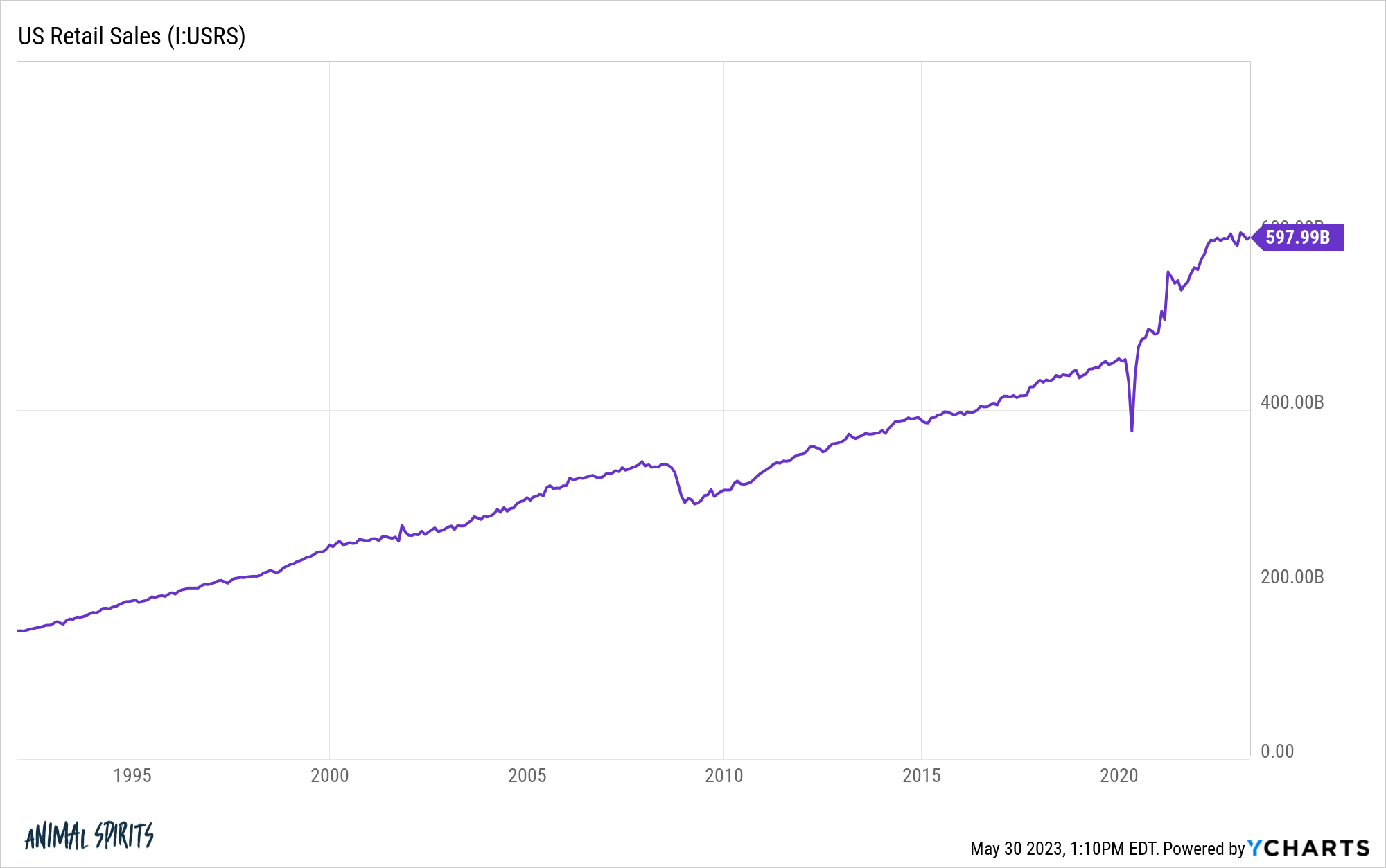
If there is one subject that can turn a perfectly pleasant afternoon sour in under six seconds, it is money. This year reinforced something people already knew in their bones: even when the economy looks better on paper than it feels in the checkout line, household budgets still shape daily emotion.
Money stress is not only about emergencies. It is about friction. The way grocery shopping starts to feel strategic instead of routine. The way one unexpected bill can knock the week sideways. The way people quietly downgrade purchases, delay appointments, skip trips, or rethink basic pleasures because “let’s just be careful” has become a household anthem.
That pressure affects more than bank accounts. It affects patience, sleep, relationships, and the mental space available for everything else. A person worrying about rent, food, childcare, transportation, or debt is not simply making financial calculations. They are carrying a cognitive load that can follow them into work, family life, and health decisions.
This year taught us that financial resilience is not just about earning more, though that certainly helps. It is also about building margin where possible. An emergency fund, a more realistic budget, fewer vanity expenses, less lifestyle theater, and more honest conversations about what is actually sustainable. There is nothing glamorous about margin. That is exactly why it is so useful.
Lesson 5: Flexibility Helps, but Structure Saves the Day
The great modern promise was that flexibility would fix everything. Work from anywhere. Answer whenever. Build your own schedule. Blend your life. Optimize your day. In reality, this year reminded us that flexibility is wonderful right up until it turns into shapelessness.
People want autonomy for good reason. It can reduce commuting stress, create breathing room, and help life feel less like an endless sprint between obligations. But without boundaries, flexibility can morph into permanent partial attention. You are always sort of working, always sort of available, always sort of resting, and never fully doing any of them well.
The lesson is not that rigid schedules are superior. It is that freedom works best when paired with structure. A beginning. An ending. Protected focus time. Real breaks. Defined off-hours. Meals not eaten over a keyboard like a frantic woodland creature. The healthiest routines are rarely the most extreme ones; they are the ones that make it easier to be present where you actually are.
In personal life, this same lesson shows up everywhere. Families run better with simple rituals. Friendships survive better with planned contact. Exercise sticks better when it has a place on the calendar. Even joy often needs a little scheduling. Left entirely to chance, the important stuff gets shoved behind the urgent stuff. Again.
Lesson 6: Weather Is No Longer Just Background Scenery
This year also made something painfully clear: weather is not just a backdrop anymore. It shapes routines, costs, safety, travel, work, and even mood. Heat waves, storms, smoke, flooding, and other disruptions no longer feel like rare interruptions from normal life. For many people, they are becoming part of normal life.
That changes how we think about preparedness. It is no longer the niche hobby of the neighbor who owns six flashlights and a weather radio with the intensity of a small submarine. Preparedness now looks practical. Knowing local alerts. Having backup chargers. Understanding air quality. Keeping medications ready. Thinking ahead about power outages, transportation changes, or cooling needs.
It also changes the emotional atmosphere of the year. When costly weather events keep happening, people feel it even when they are not in the direct path. Insurance gets harder. Travel gets less predictable. Basic planning becomes more complicated. The old assumption that seasons will behave themselves has taken a serious hit.
So one of the lessons we have learned is this: resilience is no longer abstract. It lives in habits, supplies, community networks, and the ability to adjust quickly when conditions shift. A calm plan beats panicked improvisation every time.
Lesson 7: Tiny Routines Beat Dramatic Reinventions
Perhaps the most important lesson of all is that life changes less through reinvention than through repetition. This is both disappointing and excellent news. Disappointing, because no one likes hearing that the answer is “keep doing the small thing.” Excellent, because small things are actually possible.
A ten-minute walk is possible. A consistent wake-up time is possible. Calling your parents back is possible. Packing snacks before a long afternoon is possible. Logging off earlier three nights a week is possible. Not every day, not perfectly, not with cinematic music swelling in the background. But often enough to matter.
This year has taught us to respect the compound effect of modest choices. Habits rarely feel magical while you are inside them. They feel repetitive, ordinary, and slightly annoying. Then one day you realize you are thinking more clearly, spending less recklessly, sleeping more consistently, and feeling less like your life is driving you and more like you have a hand on the wheel.
That is what real progress often looks like. Not a thunderclap. Not a makeover montage. Just a person quietly becoming more stable, more thoughtful, and harder to knock over.
Why These Lessons Matter Going Forward
The biggest thing we have learned this year is that modern life does not need more hype nearly as much as it needs better foundations. Better sleep. More movement. Stronger connection. Smarter use of technology. Healthier work boundaries. More honest financial habits. More realistic preparation for disruptions. None of this is flashy. Almost all of it works.
That may be the most hopeful part of the whole story. The lessons are not locked behind wealth, perfection, or some elite level of discipline. Many of them begin with attention. Notice what drains you. Notice what steadies you. Notice which routines protect your peace and which ones quietly steal it. Then repeat the useful stuff until it starts to feel like part of who you are.
Years do not only pass. They teach. The smart move is to pay attention while they are talking.
What This Year Felt Like in Real Life
In real life, these lessons did not arrive as polished advice. They arrived as moments. A person standing in a grocery aisle doing mental math with a cart that somehow contains five items and the emotional weight of a mortgage. A tired parent deciding that frozen vegetables are not a personal failure, but a survival strategy. A worker closing one more browser tab and realizing that the real productivity hack might be fewer tabs, not better tabs.
They arrived in the weird quiet after too much noise. After a day of messages, meetings, headlines, clips, opinions, alerts, and notifications, a lot of people learned that overstimulation does not feel like knowledge. It feels like static. That is why the small reset buttons started to matter so much: a walk without headphones, a cup of coffee on a porch, dinner with one friend who actually listens, ten minutes of doing absolutely nothing heroic.
Many people also had the experience of discovering that they were not lazy; they were depleted. That is an important distinction. When sleep is off, money feels tight, work is blurry, and the world seems permanently set to “breaking news,” motivation can look like it vanished when really it is just buried. This year taught us to be a little more precise with ourselves. Not every bad week is a character flaw. Sometimes it is a signal. Sometimes the answer is not more guilt. Sometimes the answer is lunch, rest, sunlight, and calling somebody back.
Relationships changed shape, too. Plenty of people learned that affection cannot live on autopilot. You cannot indefinitely substitute memes for presence, or assume that love maintains itself while everyone stays busy and mildly distracted. This year made it obvious that connection often requires intention. People who made the effort to show up, to ask real questions, to schedule the dinner, to send the text first, usually ended up with stronger relationships than the people waiting for life to become less hectic. Life is not about to become less hectic. That little fantasy needs to be retired with honors.
There was also a growing recognition that being “good at life” does not mean squeezing every hour until it cries. More people seem to understand now that resilience is not constant output. It is recovery. It is pacing. It is knowing that a sustainable day should leave a little room for being a person instead of a machine with a coffee habit. That lesson may be the least glamorous and the most necessary.
And maybe that is the emotional summary of the year: people are done being impressed by chaos. They want what works. They want systems that are livable, habits that are repeatable, friendships that are real, technology that is useful, and goals that do not require becoming a completely different species. That is a healthy shift. It is practical, grounded, and surprisingly optimistic.
Because once you stop chasing dramatic reinvention, you can finally start building a life that actually fits. You can cook simpler meals and still eat well. You can move your body without pretending every walk is a transformation story. You can protect your attention like it matters, because it does. You can spend more carefully without living joylessly. You can build a week that includes work, rest, people, and a little breathing room.
So yes, this year taught us a lot. Not all of it was comfortable. Some of it was expensive, inconvenient, or emotionally rude. But it was useful. And useful lessons, even the irritating ones, are still a kind of progress.