Quick truth before we begin: crying is not weakness. It is a normal human reaction, not a software error. Still, when a teacher shouts at you in class, you may want to stay calm, protect your dignity, and avoid turning into a classroom fountain. This guide gives you practical, respectful, and emotionally healthy ways to handle the moment without stuffing your feelings into a mental backpack forever.
Why It Is So Hard Not to Cry When a Teacher Shouts
Being shouted at by a teacher can feel intense because school is not just a building with desks and suspicious cafeteria smells. It is a place where students are evaluated, watched by peers, and expected to behave correctly even when they feel embarrassed or misunderstood. When a teacher raises their voice, your brain may read the moment as danger, rejection, or public humiliation.
That reaction can trigger a stress response: faster breathing, a tight throat, watery eyes, shaky hands, and the sudden urge to disappear into your hoodie. For many students, tears arrive before words do. This is especially common if you are sensitive, tired, anxious, dealing with problems outside school, or simply caught off guard.
The goal is not to become emotionless. You are a student, not a refrigerator. The goal is to learn how to regulate your body in the moment, respond respectfully, and process the situation later so it does not keep replaying in your head like the world’s least enjoyable school announcement.
How to Not Cry when a Teacher Shouts at You: 14 Steps
1. Take One Slow Breath Before Doing Anything
When a teacher shouts, your first instinct may be to defend yourself, cry, freeze, or say something spicy enough to get you a one-way ticket to the principal’s office. Pause. Take one slow breath in through your nose and out through your mouth. You do not need to make it dramatic. No one needs to know you are performing emergency emotional maintenance.
A slow breath helps your body shift out of panic mode. It gives your brain a few seconds to remember that you can survive this moment without exploding, running away, or becoming a puddle near the whiteboard.
2. Keep Your Face Relaxed
Trying hard not to cry can sometimes make crying worse. If you clench your jaw, squeeze your eyes, or hold your breath, your face may send your brain the message: “Yes, this is officially terrible.” Instead, loosen your jaw, drop your shoulders, and let your forehead relax.
Look neutral, not angry. A calm face can help you feel calmer inside, and it also prevents the situation from escalating. Think of your expression as “I am listening,” not “I am planning a courtroom drama about this later.”
3. Focus Your Eyes on Something Still
If looking directly at the teacher makes the tears rush in, choose a steady object near them: the corner of the board, a clock, a poster, or the edge of their desk. This helps you stay present without feeling like you are trapped in an emotional spotlight.
A fixed visual point can give your mind something simple to hold onto. It is a tiny anchor. The goal is not to ignore the teacher, but to prevent your thoughts from sprinting into “everyone is judging me” territory.
4. Press Your Feet Gently Into the Floor
Grounding your body can calm your emotions. Press both feet flat against the floor and notice the pressure under your shoes. Silently name three physical things: “feet on floor, hands on desk, back on chair.” This technique pulls attention away from panic and back to the present moment.
It sounds too simple, but simple is exactly what your brain needs when it is busy waving tiny red flags.
5. Repeat a Short Phrase in Your Head
Pick one quiet sentence that helps you stay steady. Try: “I can handle this,” “This moment will pass,” or “Listen first, respond later.” A short phrase works better than a long motivational speech. Your brain under stress is not ready for a TED Talk.
Repeating a calm phrase gives your mind a job. Instead of replaying the teacher’s tone or worrying about classmates, you are guiding yourself through the moment.
6. Do Not Argue While the Teacher Is Heated
Even if the teacher is wrong, arguing while they are shouting usually makes things worse. You may be right and still lose the moment because the volume level has already left the station. Keep your response short and respectful.
Useful phrases include: “Okay, I understand,” “I’ll fix it,” “I’m sorry,” or “May I explain after class?” These sentences do not mean you agree with everything. They mean you are choosing strategy over drama. Very mature. Slightly annoying, but effective.
7. Swallow, Sip Water, or Breathe Through the Tight Throat Feeling
Before crying, many people feel tightness in their throat. It can feel like a lump is forming there and applying for permanent residence. If you have water, take a small sip. If not, swallow gently and breathe out slowly.
Do not force yourself to “shut down” the feeling. Just reduce the physical pressure. Your body often calms faster when you respond to the physical symptoms first.
8. Keep Your Hands Busy in a Quiet Way
If your school rules allow it, hold a pencil, touch the corner of your notebook, or lightly press your thumb against your finger. Small, quiet movement can help release nervous energy without drawing attention.
Avoid obvious fidgeting that looks disrespectful, like tapping loudly, rolling your eyes, or aggressively rearranging your entire pencil case like you are opening a stationery store. Keep it subtle.
9. Listen for the Actual Problem, Not Just the Tone
A teacher’s shouting may feel personal, but sometimes the actual issue is specific: missing homework, talking during instructions, being late, breaking a rule, or misunderstanding directions. Try to separate the message from the volume.
Ask yourself: “What do they want me to do next?” If you can identify the action, you regain control. For example, “Stop talking,” “redo the worksheet,” or “move seats” is easier to handle than the giant emotional headline: “My teacher hates me forever.”
10. Give Yourself Permission to Cry Later
One reason tears push harder is because we tell ourselves, “Do not cry. Do not cry. Seriously, do not cry.” Your brain hears “cry” three times and gets inspired. Instead, try: “Not here. Later.”
This is not emotional denial. It is emotional scheduling. You are telling your body that the feeling is allowed, just not in the middle of third period while Jason from the back row is pretending not to watch.
11. Ask to Step Outside If You Are About to Break Down
If tears are coming and you cannot stop them, use a respectful exit request. Say, “May I have a minute in the hallway?” or “Can I go get some water?” Keep your voice low and polite.
Not every teacher will say yes, but many will understand. A short break can prevent a bigger scene and help you return with more control. Once outside, breathe slowly, unclench your hands, and remind yourself that one bad moment is not your whole identity.
12. Talk to the Teacher Later, Not in Front of Everyone
If you feel the teacher misunderstood you or embarrassed you unfairly, wait until the class is over. A private conversation is usually more productive than a public debate. You might say, “I wanted to ask about what happened earlier. I understand I made a mistake, but I felt overwhelmed when I was shouted at. How can I handle it better next time?”
This approach is calm, specific, and hard to argue with. You are not accusing. You are asking for a better path forward. That is communication with a backpack on.
13. Write Down What Happened
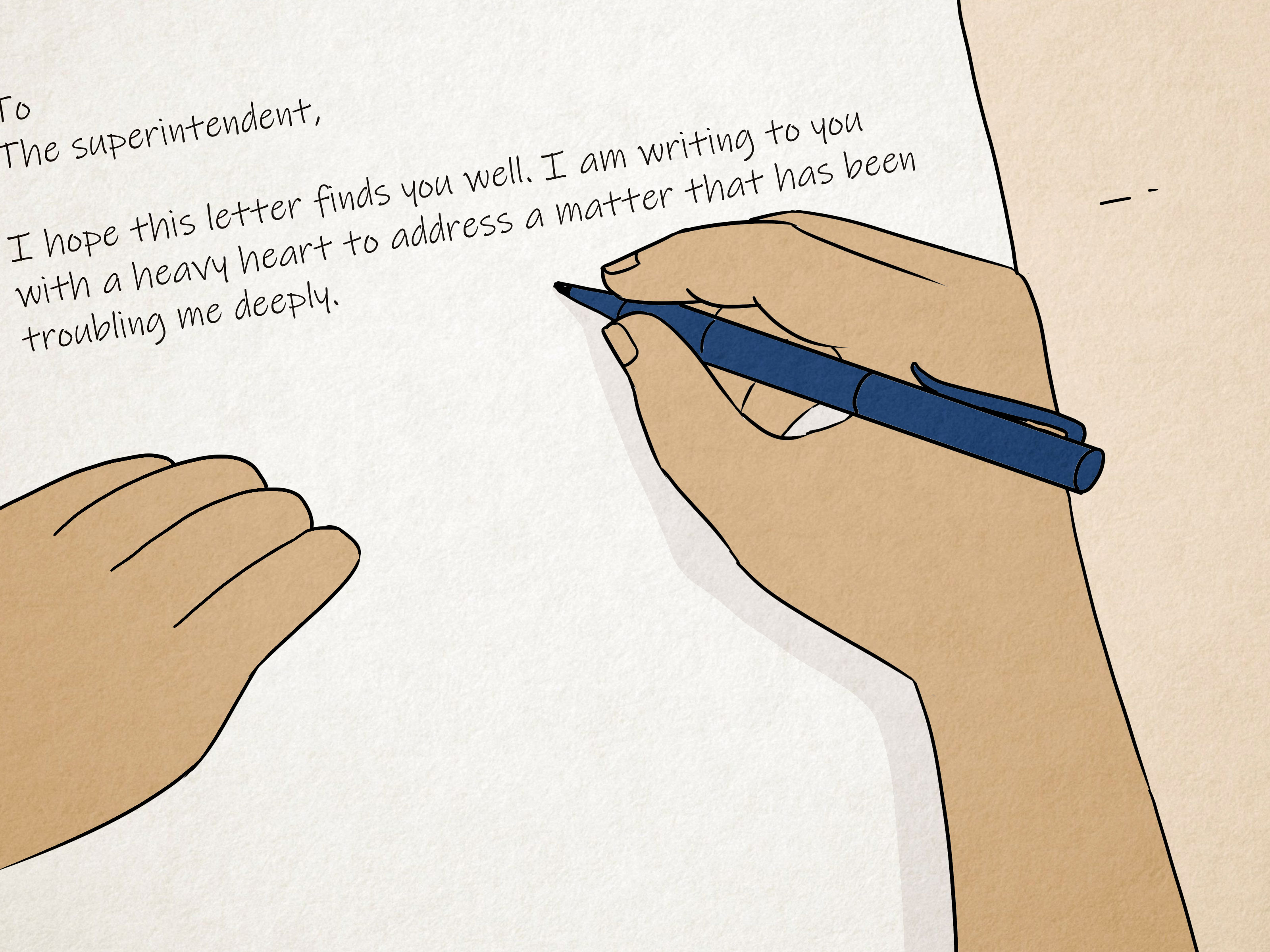
After class, write a quick record of the situation. Include the date, what happened before the shouting, what the teacher said, what you did, and whether anyone else saw it. This is not for revenge. This is for clarity.
Writing helps you separate facts from feelings. “The teacher shouted because I forgot my assignment” is different from “I am the worst student alive.” One is a problem you can solve. The other is your stress response wearing a dramatic cape.
14. Tell a Trusted Adult If It Keeps Happening
Teachers are human. A single sharp moment may happen in a stressful classroom. But repeated yelling, insults, threats, discrimination, public humiliation, or behavior that makes you feel unsafe should not be ignored. Talk to a parent, guardian, school counselor, advisor, or administrator.
You can say, “I need help handling something with a teacher. I want to explain what happened and figure out what to do.” Bring your written notes if you have them. You deserve to learn in an environment where correction does not feel like emotional dodgeball.
What to Say When a Teacher Shouts at You
In the moment, short sentences are your best friend. Long explanations can sound like excuses, especially when the teacher is already upset. Try one of these:
- “I understand. I’ll correct it.”
- “I’m sorry. I’ll pay attention.”
- “May I explain after class?”
- “I didn’t mean to interrupt. I’ll stop.”
- “Can I have a minute to calm down?”
The secret is tone. Say it calmly, not sarcastically. “Fine” can mean “I understand” or “I am mentally throwing a chair.” Choose the version that keeps you out of trouble.
What Not to Do When You Are Trying Not to Cry
Some reactions feel satisfying for three seconds and then create a week of consequences. Avoid rolling your eyes, laughing nervously, talking back, slamming books, texting friends during the moment, or whispering comments to classmates. Even if you are hurt, these actions can make the teacher focus on your behavior instead of the original issue.
Also avoid attacking yourself. Do not tell yourself, “I am pathetic because I almost cried.” A better thought is: “My body reacted to stress. I can learn how to handle it.” That small change matters. Self-respect is much better emotional fuel than shame.
How to Recover After Class
Take Care of the Physical Stress First
After being shouted at, your body may still feel activated. Walk slowly, drink water, stretch your hands, or take a few quiet breaths. If you can, step into a calm space like the restroom, counselor’s office, library, or hallway. Your body needs a signal that the stressful moment is over.
Check the Story You Are Telling Yourself
Stress loves exaggeration. It may tell you, “Everyone saw. Everyone thinks I’m weak. The teacher hates me.” Challenge that story. Most students are busy thinking about themselves, their grades, lunch, sports, messages, or whether they left their earbuds in their other hoodie. The moment probably feels bigger to you than it looked to everyone else.
Fix What You Can Fix
If you made a mistake, correct it. Turn in the assignment, apologize for interrupting, study for the quiz, or ask what rule you broke. Action reduces helplessness. Even a small fix can help your brain stop replaying the scene.
Let the Emotion Out Safely
If you still need to cry later, that is okay. Cry in a private place, journal, talk to someone you trust, or listen to music that helps you settle down. Holding everything in forever is not strength. It is emotional storage with a broken lid.
How to Build Confidence Before It Happens Again
The best time to practice staying calm is not when a teacher is already shouting. Practice when you are relaxed. Try slow breathing for one minute at home. Practice saying, “May I explain after class?” in a calm voice. Notice what your body does when you feel embarrassed. The more familiar these skills become, the easier they are to use when stress shows up wearing a teacher lanyard.
You can also prepare for specific classes. If one teacher is strict, learn their expectations. Sit where you are less distracted. Write homework reminders. Ask questions early instead of waiting until confusion turns into trouble. Prevention is not always glamorous, but neither is crying into your algebra worksheet.
When Crying Might Be a Sign You Need More Support
Crying once after being shouted at is normal. Crying often, feeling afraid to go to school, having stomachaches before a certain class, losing sleep, or feeling constantly anxious may mean you need extra support. Talk to a trusted adult, school counselor, or health professional. You do not need to wait until things are “serious enough.” If school stress is affecting your daily life, it deserves attention.
Also remember that some students are more emotionally reactive because of anxiety, ADHD, trauma, learning differences, family stress, or simply personality. That does not make you broken. It means your emotional system may need different tools and more support. Everyone has a different nervous system; some are sports cars, some are sturdy trucks, and some are shopping carts with one dramatic wheel. All can move forward with the right handling.
Experience-Based Advice: What It Feels Like and What Actually Helps
Many students describe the same pattern when a teacher shouts: first shock, then embarrassment, then the burning feeling behind the eyes. The hardest part is often not the teacher’s words, but the audience. A correction in private may feel manageable. A correction in front of twenty-five classmates can feel like being placed under a microscope while your confidence tries to crawl away quietly.
One common experience is the “silent freeze.” You know you should answer, but your throat locks up. The teacher asks, “Do you understand?” and your brain produces absolutely nothing useful, like a computer loading at 2 percent. In that moment, the best response is not a perfect explanation. It is a small, steady sentence: “Yes, I understand,” or “Can I speak with you after class?” Students who practice these sentences ahead of time often feel less trapped because they have a script ready.
Another real experience is delayed crying. You may hold it together in class, then cry in the restroom, on the bus, or at home. That does not mean you failed. It means your body waited until it felt safer. Many people do this. Athletes, adults, performers, and yes, students who swear they are “totally fine” while blinking like windshield wipers all experience delayed emotions.
Some students also feel angry after the sadness passes. They think, “Why did I just stand there?” or “I should have defended myself.” Anger can be useful if it helps you set boundaries respectfully. It becomes less useful if it pushes you into revenge fantasies, rude messages, or classroom behavior that creates more trouble. A better move is to write down what happened, talk it through with someone calm, and decide whether a private conversation or adult support is needed.
There is also the experience of overthinking. After one bad moment, you may replay it all day. You remember the teacher’s tone, the exact sentence, the classmate who looked over, and the fact that the clock made a suspiciously loud ticking sound. To interrupt that loop, do something physical and ordinary: wash your face, organize your bag, walk outside, complete one small assignment, or eat a snack. The brain often calms down when life becomes practical again.
A helpful personal rule is: do not make major conclusions about yourself while embarrassed. Embarrassment is a terrible life coach. It will tell you that everyone noticed, nobody respects you, and your academic career is now a tragic documentary. Wait until you are calm. Then ask better questions: “What actually happened?” “What can I do next?” “Do I need to apologize, ask for clarification, or get help?”
Over time, students who handle shouting better usually do not become less emotional; they become more prepared. They know how to breathe, where to look, what to say, and who to talk to afterward. That is the real skill. Not becoming a stone wall. Not pretending words never hurt. Just learning how to stay steady long enough to protect yourself, respond wisely, and deal with the feelings in a healthier place.
The biggest lesson is this: one teacher shouting at you does not define your intelligence, your character, or your future. It is a difficult moment, not a permanent label. You can learn from it, recover from it, and still walk into the next class with your head up. Maybe not movie-star dramatic head up. Maybe just “I survived and still have homework” head up. That counts.
Conclusion
Learning how to not cry when a teacher shouts at you is really about learning emotional control under pressure. You are not trying to erase your feelings. You are learning how to pause, breathe, ground yourself, respond respectfully, and get support when needed. A raised voice can feel overwhelming, especially in front of classmates, but the moment will pass. Your job is to stay safe, stay respectful, and remember that being corrected does not make you worthless.
Use the 14 steps as a toolkit. Some days, one slow breath will be enough. Other days, you may need water, a private conversation, journaling, or help from a trusted adult. That is normal. Emotional strength is not about never crying. It is about knowing what to do when tears show up uninvited and try to take the front-row seat.
Note: This article is for educational and emotional wellness purposes. If a teacher repeatedly humiliates, threatens, discriminates against, or frightens you, speak with a trusted adult, school counselor, parent, guardian, or administrator.