Note: This article is an original, web-ready synthesis based on real public information about IKEA FRAKTA bags, viral DIY fashion, the Balenciaga comparison, upcycling culture, and textile waste trends.
Some fashion trends arrive quietly, like a tasteful beige cardigan. Others kick open the door wearing a blue IKEA bag as a crop top and somehow make everyone ask, “Wait… why does that actually work?” That is exactly the strange, hilarious, and surprisingly stylish energy behind the trend of people making clothes out of 99-cent IKEA bags.
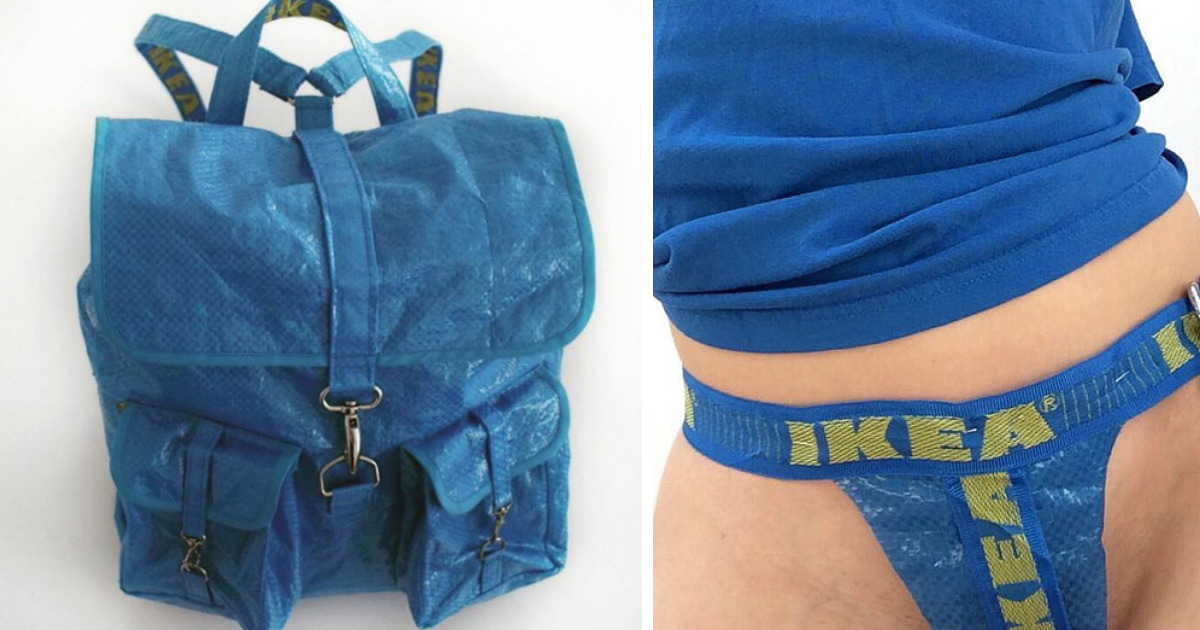
The star of this odd little runway show is the IKEA FRAKTA bag, the big blue reusable tote that has carried laundry, dorm-room chaos, beach towels, groceries, mystery garage items, and at least one emotional support houseplant. It was designed to be practical, not glamorous. And yet, in the internet’s hands, practical objects rarely stay in their lane. Suddenly, that crinkly blue bag became jackets, hats, sneakers, corset-style tops, aprons, wallets, and accessories that look like they wandered out of a streetwear pop-up with a suspiciously confident price tag.
The joke, of course, is that these homemade creations are not luxury fashion. They are made from a bag that costs less than a vending-machine snack. But the punchline has layers. Many of these DIY IKEA bag outfits look more polished than expected, maybe not “Paris Fashion Week front row” polished, but definitely “I paid $23 for this at a boutique that sells one candle for $48” polished.
How a 99-Cent Bag Became a Fashion Meme
The IKEA bag fashion craze did not appear out of nowhere. The internet had help, and that help arrived wearing a very expensive designer label. In 2017, Balenciaga released a luxury shopper tote that looked strikingly similar to IKEA’s famous blue FRAKTA bag, except the designer version was priced at thousands of dollars. The visual comparison was too perfect for the internet to ignore.
IKEA responded with the kind of brand humor that marketing teams dream about and interns probably print out for their portfolio. Instead of acting offended, IKEA leaned into the joke by reminding people how to recognize the “original” FRAKTA: it rustles, it is multifunctional, it can carry almost anything, and it costs about a dollar. That response turned a simple shopping bag into a cultural prop.
Then came the DIY crowd. Once people saw that a luxury fashion house could make a blue oversized bag look expensive, the internet collectively asked, “Why stop at a bag?” Scissors came out. Sewing machines woke from storage. The blue polypropylene material became a playground for makers, stylists, students, and anyone with a sense of humor and a weekend free.
Why the IKEA FRAKTA Bag Works So Well for DIY Fashion
At first glance, the IKEA FRAKTA seems like an unlikely textile. It is not soft like cotton or flowy like silk. It has more in common with a tarp than a sundress. But that is exactly what makes it interesting.
It Is Instantly Recognizable
The blue color is practically a logo by itself. Add the yellow handles and everyone knows what they are looking at. In fashion, recognition matters. A designer monogram works because people can identify it from across the room. The FRAKTA has that same pop-culture readability, except it belongs to the people. It says, “Yes, this used to carry flat-pack furniture, and now it is a bucket hat. Please keep up.”
It Is Durable Enough to Experiment With
The FRAKTA bag is made to be strong, reusable, and easy to clean. That makes it useful for DIY projects where a delicate fabric might tear, stain, or give up halfway through the first fitting. The material holds shape, which helps when people turn it into structured pieces like caps, bags, vests, and sculptural tops.
It Is Cheap Enough to Make Mistakes
Fashion experiments can get expensive quickly. Fabric, thread, hardware, patterns, and tools add up. A low-cost IKEA bag removes some of that fear. If the first attempt turns into something that resembles a confused lunchbox, nobody has to mourn a $45 yard of fabric. The affordability makes creativity feel less precious and more playful.
The Best IKEA Bag Fashion Creations People Are Making
The most entertaining part of the trend is the variety. People are not simply cutting two armholes into a bag and calling it a day, although honestly, the internet has probably done that too. The better examples show real pattern-making, styling, and humor.
1. IKEA Bag Jackets
Jackets are one of the strongest uses of the FRAKTA material because the bag already has structure. A cropped jacket made from blue IKEA plastic can look like experimental streetwear, especially when the yellow straps are used as trim or functional ties. The result sits somewhere between raincoat, workwear, and “I know a guy who DJed in Berlin once.”
2. Bucket Hats and Caps
Hats may be the easiest way to make the IKEA bag trend wearable without looking like you lost a bet. The bright blue material works well for bucket hats, baseball caps, and playful festival accessories. They are bold but compact, which means the joke lands without taking over the entire outfit.
3. Sneakers and Sandals
Footwear made from IKEA bags became one of the funniest branches of the trend. Some creators used the blue material as an upper layer over existing shoes, while others built sandal-like designs that used the yellow handles as straps. Are they practical for hiking? Absolutely not. Are they perfect for a viral photo? Tragically, yes.
4. Corset-Style Tops and Vests
Structured tops are where the trend starts to look surprisingly polished. Because the FRAKTA material is stiff, it can create sharp lines and strong silhouettes. When paired with jeans, black pants, or simple basics, an IKEA bag top can look less like a joke and more like a low-budget fashion editorial with excellent comic timing.
5. Aprons, Utility Belts, and Bags
Some of the smartest projects keep the FRAKTA close to its original purpose: carrying things. Aprons, belt bags, tote redesigns, and utility pouches feel practical and stylish. They also make sense because the material is wipeable and sturdy. An IKEA bag apron in a studio or workshop is not just funny; it is actually useful.
What This Trend Says About Modern Fashion
The IKEA bag clothing trend works because it pokes fun at fashion while also participating in it. That sounds contradictory, but fashion has always loved a contradiction. It can be serious and silly, luxurious and cheap, rebellious and commercial, all before lunch.
When people turn a 99-cent shopping bag into clothing, they are making a joke about branding, price, and status. They are asking why one blue oversized bag costs less than a dollar while another similar-looking object can cost more than a used car payment. They are also proving that style does not always come from expensive materials. Sometimes it comes from context, confidence, and the ability to sew a straight line after watching three tutorials.
The Upcycling Angle: Funny, But Also Relevant
It would be easy to treat IKEA bag fashion as nothing more than a meme, but the trend also connects to a bigger conversation: upcycling. Upcycling means taking an existing item and turning it into something with new use or higher creative value. It is not a perfect solution to fashion waste, but it is a practical way to rethink objects before throwing them away.
Textile waste is a real problem in the United States. Millions of tons of textiles enter municipal waste streams, and recycling rates remain low compared with how much clothing and fabric people discard. Fast fashion has made it normal to buy more, wear less, and replace quickly. Against that backdrop, a DIY project made from a reusable bag feels like a tiny rebellion wrapped in bright blue plastic.
Of course, turning a bag into a jacket will not save the planet by itself. Nobody should look at a FRAKTA crop top and declare climate change solved. But trends like this can shift the way people think. They make reuse visible, fun, and social. They remind people that old materials do not always have to become trash. Sometimes they can become a hat that makes strangers say, “Is that… IKEA?”
Is IKEA Bag Clothing Actually Wearable?
The honest answer is: sometimes. A bucket hat, tote redesign, apron, pouch, or costume-style jacket can be very wearable. A full outfit made entirely from crinkly polypropylene is more of a statement piece than an everyday wardrobe staple. You probably do not want to sit through a three-hour movie in a plastic jacket unless your hobbies include making popcorn noises every time you move.
Comfort is the biggest challenge. The material is not breathable, soft, or flexible in the way traditional clothing fabric is. Some creators solve this by lining their pieces with cotton or using the IKEA material only as an outer shell. Others treat the finished garment as art, costume, or social-media styling rather than practical apparel.
That distinction matters. Not every fashion item needs to be practical. Some pieces exist to start conversations. IKEA bag fashion is excellent at that. It is loud, recognizable, funny, and weirdly photogenic. It may not replace denim, but it can absolutely win a costume party, a design-school challenge, or an Instagram post with suspiciously good lighting.
Why It Looks More Expensive Than It Is
The title says these IKEA bag clothes look more in the $23 range, and that joke lands because many of them really do look like something a trendy shop might sell. Not luxury, exactly, but “limited drop” enough to make people squint at the price tag.
There are a few reasons for this. First, the material has a clean graphic identity: bold blue, yellow details, and large readable branding. Second, the stiffness creates structure, which often photographs well. Third, fashion has trained us to accept unusual materials when they are styled with confidence. If a model wears it under dramatic lighting, suddenly it is not a shopping bag anymore. It is “industrial-inspired modular streetwear.” Add a lowercase brand name and the price triples.
The trend also benefits from contrast. A cheap material used in a polished silhouette creates visual tension. That tension feels modern. It says, “This is trash and treasure at the same time.” Fashion people love that sentence almost as much as they love black coffee and shoes that hurt.
How Brands Can Learn From the IKEA Bag Craze
There is a marketing lesson hiding inside this blue plastic circus. People connect with products that have personality. The FRAKTA bag is not just useful; it is familiar. It has lived in apartments, cars, closets, garages, laundry rooms, college dorms, and moving-day nightmares. People have memories attached to it.
That familiarity made the Balenciaga comparison funny and the DIY trend irresistible. The bag was already part of everyday life. The fashion twist simply gave people permission to see it differently.
Brands often chase virality by trying too hard. IKEA did not need to invent a complicated campaign. The product was recognizable, the moment was culturally sharp, and the response was playful. The lesson is simple: when people are already remixing your product, do not panic. Join the joke without smothering it.
What DIY Creators Should Keep in Mind
Anyone inspired by this trend should approach it like a creative experiment rather than a shortcut to building a full wardrobe. The best IKEA bag fashion projects usually start with a clear idea: a hat, pouch, vest, apron, or photo-ready jacket. Smaller pieces tend to be more comfortable and easier to finish neatly.
Because the material is plastic-based and not breathable, it works better as an accessory or outer layer than as something worn tightly against the skin for long periods. Lining, soft edges, and simple construction can make a piece more pleasant to wear. The goal is to create something clever, not something that makes you regret having arms.
It is also worth remembering that upcycling should not become an excuse to buy more disposable products just to cut them apart. The spirit of the trend is reuse, humor, and experimentation. If you already have a worn FRAKTA bag, that is a better candidate than buying a stack of new ones just to create more waste with extra steps.
Experience: What It Feels Like to See IKEA Bag Fashion in Real Life
The first time you see someone wearing clothing made from an IKEA bag, your brain takes a second to load. It is like spotting a traffic cone at a dinner party. You know what the object is, but it has clearly changed careers.
Imagine walking into a casual art event or a college design showcase and seeing a person in a blue FRAKTA vest with yellow handle straps used like trim. At first, you laugh. Then you notice the seams are clean. The fit is intentional. The straps are placed exactly where they should be. Suddenly, the joke becomes design. That is the magic of this trend: it starts as comedy and ends with genuine appreciation.
There is also something oddly democratic about it. High fashion can feel distant, guarded, and expensive. IKEA bag fashion feels like someone kicked the door open and said, “You have scissors, don’t you?” It lowers the barrier to participation. You do not need rare fabric or a designer connection. You need imagination, patience, and maybe a friend who can help you figure out why the sleeve looks like a sad envelope.
People also react to these pieces differently from normal clothes. A regular jacket might get a compliment. An IKEA bag jacket gets a conversation. Someone will ask where it came from. Someone else will confess they have six FRAKTA bags at home. A third person will make a joke about assembling it with an Allen wrench. The garment becomes social. It gives strangers an easy reason to talk, and in a world full of silent elevator rides, that is not nothing.
The experience is even better when the piece is styled with restraint. A blue IKEA bucket hat with a plain white T-shirt and jeans looks playful but wearable. A structured vest over a black outfit looks surprisingly editorial. A full head-to-toe IKEA suit is more theatrical, but that can be the point. The trick is knowing whether you want a wink or a marching band.
What stands out most is the confidence required to wear it. The material announces itself. There is no subtle version of bright blue IKEA polypropylene. Wearing it means accepting the joke before anyone else can make it. That confidence is what makes the outfit work. Fashion has always rewarded people who look like they meant to do it.
From a practical perspective, the experience is mixed. The material can be noisy, stiff, and warm. It is not something most people would choose for a long commute or a humid afternoon. But for short events, photos, performances, costume parties, design projects, or creative styling, it is fantastic. It gives maximum visual impact for minimum money, which is basically the holy grail of DIY fashion.
The best part is that IKEA bag fashion does not pretend to be timeless. It knows it is a moment. It knows it is ridiculous. But it also proves that creativity can transform the most ordinary objects. A shopping bag becomes a hat. A laundry tote becomes a jacket. A moving-day essential becomes a style statement that looks like it belongs somewhere between a meme account and a boutique rack.
That is why the trend still feels memorable years after it first went viral. It is not just about IKEA, Balenciaga, or a 99-cent bag. It is about the joy of looking at something familiar and asking, “What else could this be?” Sometimes the answer is a reusable tote. Sometimes the answer is a surprisingly good outfit. And sometimes, if the lighting is right, it really does look like it cost at least $23.
Conclusion: The 99-Cent Fashion Joke That Still Works
People making clothes out of 99-cent IKEA bags is funny because it should not work. The material is crinkly, the branding is obvious, and the original purpose is about as glamorous as hauling laundry. Yet somehow, the trend works because it combines humor, design, cultural commentary, and upcycling into one bright blue package.
It also reminds us that style is not only about price. A luxury item can borrow from a household object, and a household object can become fashion when creative people get involved. The IKEA FRAKTA bag started as a practical tote, became a viral comparison, and then transformed into a DIY fashion material with a cult following.
Will IKEA bag clothing replace regular clothes? Probably not, unless the future gets much weirder and much more waterproof. But as a symbol of playful creativity, it is hard to beat. It is affordable, recognizable, and just absurd enough to make people smile. In fashion, that may be worth more than the price tag.