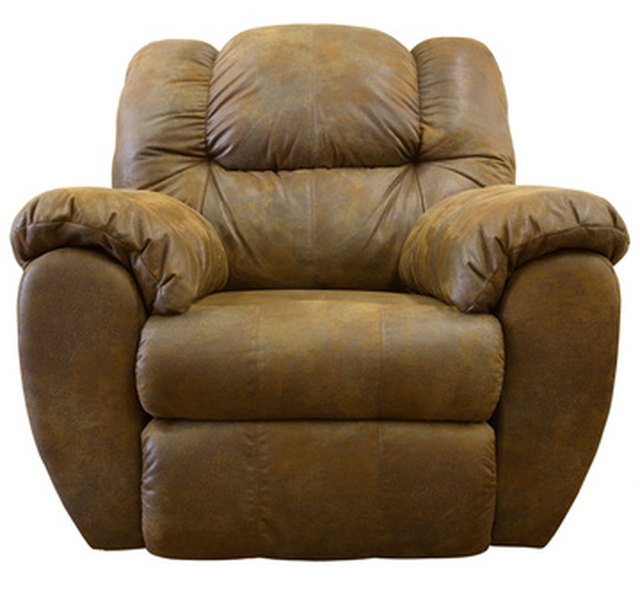
Suede couch covers are the home décor version of a white shirt at a spaghetti dinner: gorgeous, soft, inviting, and somehow always standing in the danger zone. Whether your sofa is covered in genuine suede, faux suede, or microsuede, knowing how to wash suede couch covers correctly can save you from water rings, stiff patches, mystery stains, and the classic “I cleaned it and somehow made it worse” situation.
The first rule is simple: not all suede is created equal. Genuine suede is made from animal hide and behaves more like leather than fabric. Faux suede and microsuede, on the other hand, are usually synthetic fabrics designed to look velvety while being more forgiving during cleaning. That difference matters because “washing” a suede couch cover may mean spot cleaning, dry cleaning, gentle hand cleaning, or, only if the label allows it, machine washing.
This guide breaks down how to clean suede couch covers safely, how to read the care label, how to handle stains, and how to refresh the nap so your couch does not end up looking like it survived a tiny household tornado.
Before You Wash: Find Out What Type of Suede You Have
Before water, soap, vinegar, rubbing alcohol, or heroic confidence touches your couch cover, identify the material. Most “suede couch covers” sold today are actually faux suede or microsuede. These materials are often made from polyester or nylon microfibers and are much easier to clean than genuine suede. They can often tolerate carefully controlled moisture, mild soap, or solvent-based cleaning, depending on the care code.
Genuine suede is more delicate. It can stain from water, lose texture, bleed color, or stiffen if soaked. If your couch cover is real suede, the safest approach is usually dry brushing, vacuuming, minimal spot treatment, and professional cleaning for major stains. In other words, genuine suede is not the fabric to toss into the washer while whispering, “Good luck, buddy.”
Check the Upholstery Cleaning Code
The care tag is your couch’s instruction manual, and yes, it is probably hiding under a cushion like it owes you money. Look for one of these common upholstery cleaning codes:
- W: Use water-based cleaners, such as mild soap foam or upholstery shampoo.
- S: Use solvent-based cleaners only. Avoid water.
- WS or SW: Use either water-based or solvent-based cleaners, but still test first.
- X: Vacuum or brush only. Do not use liquid cleaners.
If the label says the cover is removable, that does not automatically mean it is machine washable. Many furniture brands warn that cushion covers should not be removed and washed unless the label clearly says so. Removing a cover can sometimes change its shape, shrink it, fade it, or make it almost impossible to get back on the cushion without a wrestling match.
Can You Put Suede Couch Covers in the Washing Machine?
Sometimes, but only if the care label clearly says machine washable. This usually applies to faux suede, microsuede, or suede-like slipcovers rather than genuine suede upholstery. If the tag says “machine wash cold,” “gentle cycle,” or similar instructions, follow them exactly. If the tag says dry clean, spot clean, solvent clean, or professional clean only, do not gamble with the washer.
For washable faux suede couch covers, use cold water, a gentle cycle, and a mild detergent. Avoid bleach, fabric softener, heavy fragrance boosters, and hot water. Heat and harsh additives can damage the soft finish, flatten the nap, or leave residue. Wash covers separately or with similar soft items so zippers, buttons, and rough fabrics do not scratch the surface.
After washing, air dry the covers. Do not use high dryer heat unless the label specifically allows it. Heat can shrink the fabric, distort the fit, and turn a snug couch cover into a tiny fabric hat for your cushion. Lay the cover flat or hang it over a drying rack away from direct sunlight. When it is fully dry, brush the surface gently with a suede brush, soft upholstery brush, or clean dry towel to restore the texture.
Supplies You May Need
You do not need a cleaning closet that looks like a science lab. For most suede couch cover care, keep these supplies nearby:
- Vacuum with upholstery and crevice attachments
- Soft-bristled brush or suede brush
- White microfiber cloths
- Mild liquid dish soap
- Distilled white vinegar
- Rubbing alcohol for solvent-safe faux suede or microfiber
- Baking soda or cornstarch for oil stains
- Spray bottle
- Large towel for air drying
Always use white or light-colored cloths when cleaning suede or faux suede. A bright red sponge may seem harmless until it donates its color to your beige couch like a very rude houseguest.
How to Wash Faux Suede or Microsuede Couch Covers by Hand
If your faux suede couch cover is water-safe but you do not want to machine wash it, hand cleaning is a smart option. It gives you more control and reduces the risk of soaking the fabric.
Step 1: Vacuum Thoroughly
Remove loose crumbs, dust, pet hair, and grit before applying any cleaner. Use the upholstery attachment over the main surface and the crevice tool along seams, zippers, corners, and cushion edges. This matters because dirt can turn muddy when wet, and nobody wants to create a cleaning problem while trying to solve one.
Step 2: Make a Gentle Foam
Mix a small amount of mild liquid dish soap with warm water and whisk it until suds form. The goal is to use the foam, not drown the fabric. Foam lifts dirt while adding less moisture than a soaked cloth.
Step 3: Spot Test First
Apply a tiny amount of foam to a hidden area, such as the back edge or underside of the cover. Let it dry completely. Check for color change, stiffness, texture damage, or water rings. If anything looks suspicious, stop and use a different method or call a professional cleaner.
Step 4: Clean in Small Sections
Dip a soft brush or white microfiber cloth into the suds only. Gently work over the fabric in small circles or light strokes. Do not scrub aggressively. Faux suede is durable, but it still has a soft nap that can flatten or roughen if you attack it like a dirty grill pan.
Step 5: Remove Residue
Use a barely damp clean cloth to lift away soap residue. Keep the pressure even and avoid soaking one spot more than another. Uneven moisture can create rings, especially on lighter covers.
Step 6: Air Dry Completely
Let the cover dry in a well-ventilated room. Do not sit on it while damp. Once dry, brush the nap gently to restore the soft suede-like finish. This final brushing step is the difference between “fresh and velvety” and “why does my couch look tired?”
How to Clean Genuine Suede Couch Covers
Genuine suede needs a lighter touch. If the cover is real suede, avoid machine washing unless the manufacturer specifically says otherwise, which is rare. Water can leave marks, and too much moisture can damage the hide.
Start by vacuuming with a soft brush attachment. Then use a suede brush to lift flattened areas and remove surface dust. For small spots, use a suede eraser or a clean dry cloth. If the stain remains and the care label allows careful moisture, use a light solution of distilled white vinegar diluted with water. Apply it with a white cloth, blot gently, and use as little liquid as possible.
Let the area air dry naturally. After drying, brush the nap in one direction, then lightly in circles if needed. If the stain is large, oily, old, or highly visible, professional cleaning is the safest choice. Genuine suede is beautiful, but it does not forgive chaos easily.
How to Remove Common Stains From Suede Couch Covers
Stains are easier to remove when they are fresh. The longer they sit, the more they bond with the fibers. So when something spills, pause the movie, save the snack, and blot first.
Water-Based Spills
For coffee, tea, soda, juice, or water-based spills, blot immediately with a clean white cloth. Do not rub. Rubbing pushes liquid deeper and can spread the stain. If the cover is water-safe, use mild soap foam or a suede-safe cleaner. Work from the outside of the stain toward the center so the spot does not expand.
Oil and Grease Stains
For oil stains from pizza, chips, buttered popcorn, makeup, or body oils, sprinkle baking soda or cornstarch over the spot. Let it sit for at least 15 to 30 minutes; for stubborn oil, several hours may help. The powder absorbs oil from the surface. Vacuum it away gently, then repeat if needed. For faux suede that allows cleaning solutions, follow with a small amount of dish soap foam or rubbing alcohol if the care code permits.
Pet Stains and Odors
Blot liquid immediately and avoid soaking the cushion. For washable faux suede covers, treat the area with an upholstery-safe cleaner designed for pet messes, then wash according to the label. For non-washable covers, use a light hand and avoid heavy moisture. Baking soda can help absorb mild odors: sprinkle it on the dry cover, let it sit, and vacuum thoroughly.
Ink Marks
Ink can be tricky. On solvent-safe faux suede or microfiber, rubbing alcohol may help lift ink, but always spot test first. Apply a small amount to a white cloth and blot gently. Do not pour alcohol directly onto the cover. For genuine suede or expensive furniture, call a professional before experimenting. Ink is one of those stains that can go from “tiny dot” to “abstract art installation” very quickly.
How to Dry Suede Couch Covers Correctly
Drying is not the boring final step. It is where many couch covers are saved or ruined. Suede and faux suede should dry slowly and evenly. Avoid direct heat from hair dryers, radiators, space heaters, and hot dryer settings. Heat can shrink removable covers, stiffen suede, or flatten the texture.
If the cover was hand cleaned, blot excess moisture with a dry towel. Then lay it flat or place it back loosely over the cushion if the shape needs support, but only if the filling will not trap moisture. Use fans or open windows to increase airflow. Do not use the couch until the cover is fully dry.
Once dry, brush the surface. Brushing restores the nap, softens stiff patches, and helps the cover look evenly finished. For faux suede, a soft upholstery brush works well. For genuine suede, use a proper suede brush and gentle pressure.
How Often Should You Clean Suede Couch Covers?
For regular maintenance, vacuum suede couch covers weekly or every two weeks, especially if you have pets, kids, snacks, or a talent for losing cracker crumbs. Deep cleaning depends on use. A couch in a formal sitting room may only need seasonal attention. A family-room couch that hosts movie nights, homework, naps, dogs, and suspiciously orange chips may need spot cleaning much more often.
As a general routine, vacuum regularly, treat spills immediately, deodorize with baking soda when needed, and deep clean washable faux suede covers a few times per year according to the label. Genuine suede should be maintained with brushing and careful spot cleaning, with professional cleaning when it starts looking dull or heavily soiled.
Mistakes to Avoid When Washing Suede Couch Covers
The fastest way to damage suede couch covers is to treat them like ordinary cotton laundry. Avoid these common mistakes:
- Skipping the care label: The label tells you whether water, solvent, or vacuum-only care is safe.
- Using too much water: Oversaturation can cause rings, mildew, shrinkage, or cushion damage.
- Scrubbing hard: Aggressive scrubbing can flatten the nap and spread stains.
- Using dark cloths: Dye transfer can stain light suede or faux suede.
- Drying with heat: Heat can shrink covers and stiffen texture.
- Reinstalling damp covers: Moisture trapped inside cushions can lead to odor or mildew.
- Assuming removable means washable: Removable covers may still require spot cleaning or professional care.
When to Call a Professional Cleaner
Call a professional if your couch covers are genuine suede, labeled “S” or “X,” heavily stained, expensive, vintage, or already damaged by previous cleaning attempts. Professional upholstery cleaners can evaluate fiber type, colorfastness, staining, and the safest cleaning method. This is especially important for large water rings, dye transfer, ink, pet accidents, and oil stains that have settled in.
Professional cleaning may cost more than a bottle of soap, but it is usually cheaper than replacing a couch. Sometimes the bravest DIY move is knowing when to put down the sponge.
of Practical Experience: What Actually Works in Real Homes
In real life, learning how to wash suede couch covers is less about one magical cleaning solution and more about patience. The best results usually come from cleaning slowly, testing first, and resisting the urge to soak the fabric. Many people panic when they see a stain and immediately reach for a wet towel. That is understandable, but suede and faux suede reward calm behavior. Blot first. Vacuum next. Test the cleaner. Then clean lightly. It is not dramatic, but neither is a couch with a permanent water ring.
One practical lesson is that dry soil should always be removed before liquid cleaning. If a couch has dust, crumbs, pet hair, and everyday grit sitting in the nap, adding moisture can smear everything around. A quick vacuum with the upholstery attachment makes a noticeable difference. It also gives you a better view of what is actually stained and what is just surface dirt. This step feels small, but it is the cleaning equivalent of clearing your desk before doing homework: suddenly the job looks possible.
Another useful experience is to clean the whole panel when dealing with visible areas. If you only clean one tiny circle on a cushion, that spot may dry cleaner or brighter than the surrounding fabric. On water-safe faux suede, lightly cleaning from seam to seam can create a more even appearance. The key word is lightly. You are not shampooing a carpet in a hotel lobby. You are refreshing a soft upholstery surface that needs controlled moisture and gentle pressure.
Oil stains are also more common than people expect. They come from snacks, hair products, lotion, makeup, and regular skin contact on armrests. Baking soda or cornstarch is often the first thing to try because it absorbs rather than spreads the oil. Letting the powder sit long enough matters. If you sprinkle it on and vacuum it off after 30 seconds, you have mostly performed a decorative ritual. Give it time to work, then vacuum gently and repeat if needed.
For pet owners, prevention is a lifesaver. A washable throw blanket on the favorite pet corner can protect suede couch covers from fur, drool, and paw prints. It may not look as polished as a bare suede sofa, but neither does a muddy paw signature across the middle cushion. Regular brushing, lint rolling, and vacuuming reduce the need for deeper cleaning.
Finally, drying time deserves respect. A cover that feels “almost dry” may still hold moisture near seams or backing. Give it extra time before reinstalling or sitting on it. Once dry, brush the nap back into shape. This final step makes the couch look intentionally cared for rather than merely rescued. The overall experience is simple: suede couch covers stay beautiful when you clean them gently, dry them completely, and never let panic choose the cleaning product.
Conclusion
Washing suede couch covers safely starts with one decision: identify the material and follow the care label. Faux suede and microsuede are often easier to clean and may be hand washed or machine washed if the manufacturer allows it. Genuine suede requires much more caution, minimal moisture, and often professional care. Vacuum first, blot spills quickly, avoid oversaturation, air dry completely, and brush the nap after cleaning.
With the right method, suede couch covers can stay soft, clean, and stylish without turning your living room into a cleaning-crisis documentary. Treat the fabric gently, and your couch will keep doing what it does best: making the room look cozy while silently collecting everyone’s crumbs.
SEO Tags
Note: Always follow the manufacturer’s care label first. When in doubt, spot test in a hidden area or contact a professional upholstery cleaner before using water, solvent, or machine washing.