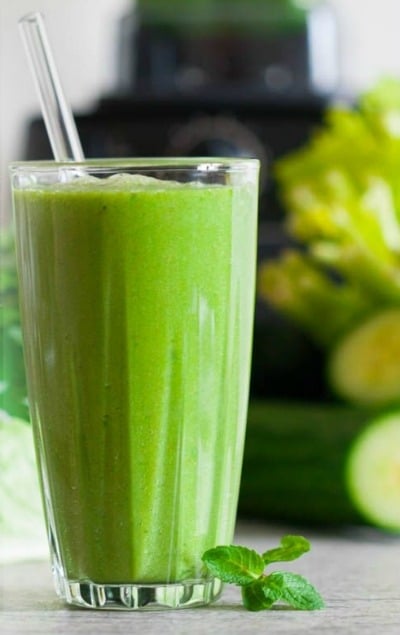
Green detox juice has a way of making people feel instantly more responsible. One minute you are standing in the kitchen wondering whether coffee counts as breakfast, and the next you are holding a bright green glass that looks like it came from a wellness retreat where everyone owns linen pants. But let’s be honest: the phrase “detox juice” comes with a lot of big promises, some helpful habits, and a few claims that deserve a raised eyebrow.
The good news? A well-made green juice can be a refreshing, nutrient-rich way to add more vegetables and fruits to your day. It can deliver hydration, vitamins, minerals, and plant compounds from ingredients like cucumber, celery, spinach, kale, parsley, lemon, green apple, and ginger. The less glamorous but very important news? Juice does not magically scrub your body like a tiny internal car wash. Your liver, kidneys, lungs, digestive system, and skin already handle the body’s natural detoxification work every day.
So, what should green detox juice actually be? Think of it as a smart, fresh beverage that supports a balanced lifestylenot a punishment, not a meal replacement, and definitely not a three-day liquid drama starring you and your blender. When made thoughtfully, green juice can help you enjoy more produce, stay hydrated, and create a healthy ritual that feels energizing without tipping into extremes.
What Is Green Detox Juice?
Green detox juice is typically a fresh juice made from green vegetables, herbs, and a small amount of fruit for natural sweetness. Popular ingredients include cucumber, celery, spinach, kale, parsley, mint, lemon, lime, ginger, and green apple. Some versions include romaine lettuce, wheatgrass, fennel, or a splash of coconut water.
The word “detox” is often used in marketing, but it should be understood carefully. In medical and nutrition terms, your body does not need a special juice to remove everyday toxins. True detoxification for dangerous substances is a medical process, not something handled by a mason jar with a reusable straw. However, green juice can support healthy habits by helping you consume more vegetables and fluids, especially if your current vegetable intake is closer to “pickle on a burger” than “rainbow on a plate.”
Why Green Juice Became So Popular
Green juice became a wellness favorite because it feels clean, convenient, and customizable. It is easier for many people to drink cucumber, celery, lemon, and greens than to sit down with a giant salad first thing in the morning. The color also helps. Bright green drinks look healthy, and in a world where beige snacks dominate many office drawers, green feels like a small personal victory.
Another reason is the rising awareness that many Americans do not eat enough fruits and vegetables. Health organizations commonly encourage adults to eat a variety of produce each day, yet many people fall short. Green juice can be one toolnot the whole toolboxfor improving intake. It is especially useful for people who dislike chewing through large bowls of raw greens or who want a quick way to add produce alongside breakfast, lunch, or an afternoon snack.
Green Detox Juice Benefits: What It Can Actually Do
1. It Can Increase Your Vegetable Intake
A green juice made mostly from vegetables can help you add more produce to your routine. Ingredients like cucumber, celery, spinach, kale, and parsley provide vitamins, minerals, and beneficial plant compounds. This matters because diets rich in fruits and vegetables are associated with better heart health, healthier blood pressure, improved digestive wellness, and overall disease prevention.
The trick is to make the juice vegetable-forward. If your “green” juice contains three apples, a cup of pineapple, and one shy spinach leaf floating in the background, it may taste like vacation, but it is closer to fruit juice than vegetable juice. A good rule of thumb is to use mostly vegetables, then add one small fruit or citrus for flavor.
2. It Supports Hydration
Cucumber, celery, romaine, and citrus fruits are naturally water-rich, which makes green juice refreshing and hydrating. Hydration supports energy, concentration, digestion, and temperature regulation. While water should still be your main beverage, green juice can be a flavorful option when plain water feels about as exciting as reading a printer manual.
3. It Provides Vitamins and Plant Compounds
Green juice can contain vitamin C from lemon, lime, and green apple; vitamin K from leafy greens; potassium from celery and cucumber; and antioxidants from herbs and vegetables. These nutrients are not magic, but they do support normal body functions. Vitamin C helps support immune function and collagen production, while leafy greens contribute nutrients involved in bone health and overall wellness.
4. It May Help Replace Less Nutritious Drinks
For some people, green juice is helpful because of what it replaces. Swapping a sugary soda or syrupy coffee drink for a small glass of vegetable-heavy green juice can reduce added sugar while adding nutrients. That is a practical win. No trumpet fanfare required, although your blender may sound like one.
5. It Can Create a Healthy Ritual
Healthy routines are powerful because they reduce decision fatigue. A morning green juice can become a simple ritual that signals, “I am taking care of myself today.” That mindset can lead to better choices later, such as eating a balanced breakfast, packing lunch, or choosing an actual vegetable at dinner instead of letting fries carry the entire plant kingdom.
What Green Detox Juice Cannot Do
Green juice cannot “flush fat,” erase a weekend of heavy eating, cure disease, or replace a balanced diet. It also cannot make up for consistently poor sleep, high stress, or a diet low in protein, fiber, and healthy fats. In other words, juice is a supporting actor, not the superhero.
The biggest myth is that juice cleanses are necessary for detoxification. Most cleanse claims are not backed by strong scientific evidence. Very low-calorie juice fasts may lead to short-term weight loss because they dramatically reduce calories, but that weight often returns when normal eating resumes. More importantly, juice-only plans may be too low in protein, fat, fiber, and total calories, which can leave people tired, hungry, irritable, and dreaming about sandwiches with unusual intensity.
Juicing vs. Blending: Which Is Better?
Juicing extracts liquid from fruits and vegetables and leaves much of the pulp behind. Blending keeps the whole edible portion of the produce, including fiber. That difference matters. Fiber supports digestion, helps you feel full, and slows the absorption of natural sugars. When fiber is removed, juice becomes easier to drink quickly, but it may also be less filling.
If your goal is maximum fullness and digestive support, a green smoothie may be the better choice because it keeps the fiber. If your goal is a light, refreshing drink with concentrated flavor, green juice can fit nicely into your day. You can also meet in the middle: juice your vegetables, then stir some pulp back in, or blend part of the recipe with ice for a thicker drink.
The Best Ingredients for Green Detox Juice
Cucumber
Cucumber is hydrating, mild, and perfect as a base. It adds volume without overpowering the flavor. English cucumbers are especially convenient because their thin skins blend or juice easily.
Celery
Celery brings a crisp, slightly salty taste. It is popular in green juice because it balances bitter greens and adds freshness. Use it with lemon or apple to soften the flavor.
Spinach
Spinach is mild and easy to hide in juice. It contributes nutrients such as vitamin K, folate, and plant compounds. People with a history of calcium oxalate kidney stones may need to be cautious with high-oxalate greens like spinach and should follow personalized medical guidance.
Kale
Kale gives green juice a bold color and a stronger flavor. It works well with lemon, ginger, cucumber, and green apple. If kale tastes too intense, start with a small handful and gradually increase it.
Parsley or Mint
Fresh herbs make green juice taste brighter. Parsley gives a clean, grassy flavor, while mint makes the drink feel cooler and more refreshing. A little goes a long way, unless you want your juice to taste like it joined an herb garden club and became president.
Lemon or Lime
Citrus adds acidity, vitamin C, and balance. It can make a vegetable-heavy juice taste lively instead of swampy. Always peel thick citrus skin before juicing, but some white pith is fine if you do not mind a slightly bitter edge.
Green Apple
Green apple adds natural sweetness and tartness. Use half an apple or one small apple per serving to keep the juice balanced. Too much fruit can turn a healthy green juice into a sugar-heavy drink.
Ginger
Ginger adds warmth, spice, and a refreshing kick. Use a small piece, about half an inch to one inch, depending on your taste. Large amounts may bother sensitive stomachs or interact with certain medications, so moderation is wise.
A Balanced Green Detox Juice Recipe
Ingredients
- 1 large cucumber
- 2 celery stalks
- 1 cup spinach or kale
- 1/2 green apple
- 1/2 lemon, peeled
- 1 small piece fresh ginger
- 1/4 cup parsley or mint
- Optional: 1/2 cup cold water if blending
Juicer Method
- Wash all produce thoroughly under running water.
- Cut ingredients into pieces that fit your juicer.
- Juice cucumber, celery, greens, apple, lemon, ginger, and herbs.
- Stir well and drink immediately for the freshest flavor.
Blender Method
- Add cucumber, celery, greens, apple, lemon, ginger, herbs, and cold water to a blender.
- Blend until smooth.
- For a juice-like texture, strain through a fine mesh sieve or nut milk bag. For more fiber, drink it as a smoothie.
- Serve over ice if desired.
How to Make Green Juice Taste Better
If your first green juice tastes like lawn clippings with ambition, do not panic. Flavor balance is everything. Add lemon or lime for brightness, green apple for sweetness, cucumber for freshness, and ginger for a little sparkle. Avoid adding too many bitter greens at once. Kale, parsley, and dandelion greens can be intense, so start small.
Temperature also matters. Green juice tastes better cold. Chill the produce beforehand or serve the juice over ice. A tiny pinch of sea salt can also round out flavors, especially if the juice is mostly cucumber and celery. Just do not overdo it, especially if you are watching sodium intake.
When Is the Best Time to Drink Green Detox Juice?
The best time is whenever it helps you maintain a balanced routine. Many people enjoy green juice in the morning because it feels fresh and energizing. Others prefer it as an afternoon pick-me-up. Drinking it with or alongside food can make it more satisfying and help prevent the “I drank juice, now I want a bagel the size of a steering wheel” situation.
For most healthy adults, a small serving of 8 to 12 ounces is reasonable. You do not need a giant bottle. More is not always better, especially if the juice contains a lot of fruit or high-oxalate greens.
Safety Tips for Fresh Green Juice
Fresh juice can grow harmful bacteria if it is not handled properly. Wash fruits and vegetables well, clean your juicer or blender thoroughly, and drink fresh juice soon after making it. If you store it, keep it refrigerated in a sealed container and use it within 24 hours for best quality and safety.
People who are pregnant, older adults, young children, or anyone with a weakened immune system should be especially cautious with unpasteurized juice. Store-bought fresh juices should be pasteurized if food safety is a concern. At home, clean hands, clean produce, and clean equipment are not optional. They are the unglamorous heroes of the juice world.
Who Should Be Careful With Green Juice?
Green juice is not automatically right for everyone. People with diabetes or blood sugar concerns should be mindful of fruit-heavy juices because removing fiber can make natural sugars absorb more quickly. Choosing vegetable-heavy recipes and drinking juice with meals may be a better approach.
People with kidney disease or a history of kidney stones should ask a healthcare professional about ingredients like spinach, beet greens, Swiss chard, and large amounts of potassium-rich produce. People taking blood thinners or certain medications should also ask about large amounts of leafy greens or ginger, since these ingredients may matter depending on the medication and dose.
Anyone with a history of disordered eating should avoid juice cleanses or restrictive juice-only plans. A healthy relationship with food matters far more than any trendy drink. Green juice should add nourishment, not anxiety.
How Green Juice Fits Into a Healthy Diet
The healthiest way to enjoy green detox juice is as part of a complete eating pattern. Pair it with meals that include protein, fiber-rich carbohydrates, and healthy fats. For example, enjoy green juice with eggs and whole-grain toast, Greek yogurt with berries and nuts, oatmeal with chia seeds, or a turkey and avocado wrap. This turns juice from a lonely beverage into part of a balanced meal.
Whole fruits and vegetables should still be the foundation. Crunchy salads, roasted broccoli, sautéed greens, berries, beans, lentils, and whole grains bring fiber and fullness that juice cannot fully provide. Green juice is a bonus, not the boss.
Common Mistakes to Avoid
Using Too Much Fruit
Fruit is nutritious, but juice concentrates natural sugars and removes much of the fiber. Keep fruit modest. Half a green apple, a small pear, or a few chunks of pineapple can be enough.
Replacing Meals With Juice
Green juice alone does not provide enough protein, fat, or fiber to replace a meal. If you drink it for breakfast, pair it with real food. Your body is not a houseplant; it needs more than green liquid and encouragement.
Ignoring Protein
Protein supports muscle maintenance, fullness, and overall health. If your day starts with juice, make sure protein appears somewhere nearby, such as eggs, yogurt, tofu, cottage cheese, beans, chicken, or a protein-rich smoothie.
Making Huge Batches
Fresh juice tastes best right away. Nutrient quality and flavor can decline over time, and food-safety risks increase if juice is stored too long. Make only what you can drink soon.
Simple Green Juice Variations
Beginner Green Juice
Use cucumber, celery, spinach, lemon, and half a green apple. This version is mild, crisp, and friendly for people who are still negotiating peace terms with kale.
Spicy Ginger Green Juice
Use cucumber, celery, kale, lemon, parsley, and fresh ginger. This version has a sharper flavor and works well as an afternoon refresher.
Mint Cucumber Cooler
Use cucumber, romaine, mint, lime, and a small green apple. It is light, cooling, and perfect for warm days.
Low-Sugar Green Juice
Use cucumber, celery, spinach, lemon, parsley, and ginger, skipping the apple. Add extra cucumber if you want more volume without adding sweetness.
Green Detox Juice for Real Life
The best green juice is the one you will actually drink. If you hate kale, do not force kale into your morning and then act surprised when your wellness habit lasts exactly two days. Use spinach, romaine, or cucumber instead. If parsley tastes too strong, try mint. If ginger is too spicy, use less. Healthy habits work better when they are enjoyable.
It also helps to prep ingredients ahead. Wash greens, chop cucumber and celery, and store them in containers so your morning routine does not become a produce obstacle course. Keep lemons, apples, and ginger ready. A five-minute juice habit is much easier to maintain than a twenty-minute kitchen production involving six cutting boards and emotional exhaustion.
Experience-Based Tips for Enjoying Green Detox Juice
After experimenting with green detox juice in everyday routines, one lesson becomes obvious: the experience matters as much as the ingredients. A juice can be technically healthy and still taste like a dare. The best version feels refreshing, practical, and easy enough to repeat. That means balancing flavor, texture, timing, and expectations.
Start with a gentle recipe. Cucumber, celery, spinach, lemon, and green apple make a smooth introduction because none of the flavors dominate too aggressively. Spinach is especially beginner-friendly because it blends into the background. Kale, parsley, and ginger are wonderful, but they have personalities. Add them gradually, the way you would invite a loud friend to dinner: one at a time.
Another helpful experience tip is to drink green juice slowly. Many people gulp it down because it feels like a health task to complete. But sipping allows you to notice the flavor and gives your body time to register it. Pour it into a real glass, add ice, and make it feel like a small ritual rather than a rushed obligation. Presentation sounds silly until you realize the same juice tastes better when it is cold, bright, and served in something nicer than a measuring cup.
Green juice also works best when connected to a bigger habit. For example, drink it while preparing breakfast, after a morning walk, or before sitting down to plan the day. This habit-stacking approach makes it easier to continue. The goal is not perfection. The goal is to create a repeatable cue that says, “I am doing something good for myself,” without turning health into a full-time job.
One common experience is that homemade green juice tastes stronger than bottled versions. That is normal. Many commercial juices are balanced with fruit, sweet vegetables, or other flavor tricks. At home, you control the sweetness. If your first batch tastes too sharp, add more cucumber or a small amount of apple. If it tastes flat, add lemon or lime. If it tastes too grassy, reduce parsley or kale. If it tastes boring, ginger is usually the tiny superhero wearing a cape.
Texture is another personal preference. Some people love clear, strained juice. Others prefer a thicker drink with pulp because it feels more satisfying. If hunger shows up quickly after drinking juice, try blending instead of juicing, or pair the juice with protein and fiber. A green juice beside a balanced breakfast is much more useful than green juice alone followed by snack panic an hour later.
It is also worth noticing how different ingredients make you feel. Some people tolerate raw greens beautifully. Others may feel bloated if they drink too much at once. Ginger can feel warming and pleasant for one person but too intense for another. Lemon adds brightness, but too much acidity may bother sensitive stomachs. Personal experience should guide the recipe. Healthy eating is not a copy-and-paste document; it is more like adjusting the volume until the music sounds right.
For busy weeks, the most realistic strategy is to prep produce, not juice. Fresh juice is best made close to the time you drink it. Wash and chop ingredients ahead, then juice or blend them when needed. Store greens with a paper towel to reduce moisture, keep celery crisp in water, and freeze small ginger pieces so they are ready to use. These tiny steps remove friction, and friction is where many healthy habits go to quietly disappear.
Finally, avoid turning green detox juice into a moral scorecard. Drinking it does not make you “good,” and skipping it does not make you “bad.” It is simply one nutritious option. Some days you may want juice. Other days a salad, soup, smoothie, or roasted vegetables may fit better. The real success is building a flexible lifestyle where fruits and vegetables appear often, taste good, and do not require a dramatic wellness announcement every time you consume them.
Conclusion
Green detox juice can be a refreshing and nutrient-rich addition to a healthy lifestyle when it is made with mostly vegetables, a little fruit, and realistic expectations. It can support hydration, increase produce intake, and help replace less nutritious drinks. But it is not a magic detox cure, and it should not replace meals, whole foods, or medical advice.
The smartest approach is simple: keep green juice vegetable-forward, enjoy moderate portions, prioritize food safety, and pair it with balanced meals. Let your liver and kidneys handle detoxification; let your green juice handle refreshment. That is a much better division of labor.