Note: This article is written as an original, SEO-friendly analysis based on a real viral family conflict and broader real-world information about home buying, family expectations, privacy, and boundaries.
Buying a house is supposed to be one of those joyful adult milestones where everyone smiles, someone brings cupcakes, and at least one relative says, “So proud of you!” before asking where the guest room is. But in one viral family drama, a couple’s dream home turned into a full-blown emotional thunderstorm after relatives discovered a secret: the couple had bought a house two years earlier and never told them.
The reason? Peace. Quiet. Boundaries. And, apparently, the desire not to become an unpaid lakeside resort manager for half the family tree.
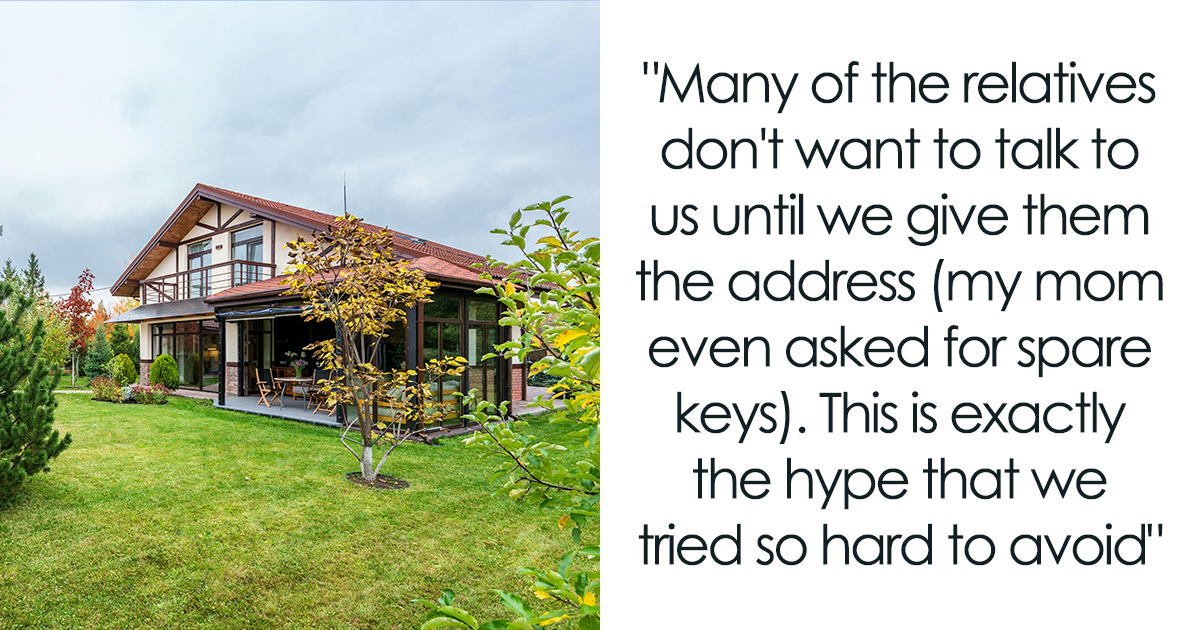
The story caught attention because it sits right at the messy intersection of homeownership, family entitlement, privacy, and honesty. The couple reportedly purchased a beautiful house near a lake. Before the deal was even final, relatives began making plans for visits, parties, childcare, vacations, and spare keys. Instead of celebrating the couple’s independence, the family seemed to treat the home like a future group project. So the couple told everyone the purchase had fallen through. Two years later, the truth came out. The family was furious, accused them of lying, and gave them the silent treatment.
So, who was wrong? The couple who hid the house? The relatives who assumed access? Or everyone, in different proportions, like a very awkward family potluck where every dish contains resentment?
Why This House Secret Hit Such A Nerve
The reason this story spread so widely is simple: many people recognize the pattern. A major life decision becomes “family business” even when no family money, labor, or legal responsibility is involved. A couple buys a house, has a baby, changes jobs, moves cities, or plans a wedding, and suddenly relatives feel they deserve a vote, a key, a guest room, and maybe a commemorative mug.
Homeownership, especially in today’s market, is deeply emotional. A house is not just walls and a roof. It is savings, paperwork, risk, repairs, insurance, taxes, and the terrifying realization that water heaters do not care about your weekend plans. For many younger adults, buying a home can require years of budgeting and sacrifice. That makes the home feel personal, hard-earned, and worth protecting.
At the same time, families often see homes symbolically. A bigger house may mean “more space for us.” A lake house may mean “free vacation spot.” A backyard may mean “perfect for family barbecues.” A guest room may mean “I will now arrive with three suitcases and no departure date.”
That gap between what the homeowners see and what relatives imagine is where conflict begins.
The Main Problem Was Not The House It Was Assumed Access
In the reported story, the relatives did not simply say, “Congratulations, we would love to visit someday.” They allegedly began making plans for how they would use the house. Some wanted to come over regularly. Others imagined parties. The couple’s mother reportedly demanded spare keys after the truth came out. That detail is important because it changes the issue from “hurt feelings” to “control.”
There is a big difference between wanting to be included and believing you are entitled to access someone else’s property. Wanting to see your child’s new home is normal. Assuming you can treat it like a shared vacation home is not. Family closeness does not erase ownership, privacy, or the right to say no.
The couple’s relatives may have felt embarrassed because they were left out of a major life event. That hurt may be real. But hurt feelings do not automatically mean the couple owed them keys, overnight stays, or unlimited explanations. A person can feel excluded without being morally correct in demanding control.
Privacy Versus Secrecy: Where The Couple Got Into Trouble
This story becomes complicated because the couple did not simply keep the purchase private. They reportedly lied and said the deal had fallen through. That is why many people online supported their boundary but questioned their method.
Privacy is when you choose not to share personal information. Secrecy becomes more troubling when it involves deliberate deception. In a healthy family dynamic, an adult couple should be able to say, “We bought a house, but we are not ready for visitors,” or “We are keeping our address private for now,” without launching World War Thanksgiving.
But the couple may have believed honesty would not work. When relatives are pushy, dramatic, or allergic to the word “no,” secrecy can feel like the only way to preserve peace. That does not make lying ideal, but it makes it understandable. People often hide information when they believe direct boundaries will be ignored, punished, mocked, or negotiated to death.
The uncomfortable truth is that families sometimes create the conditions that make secrecy attractive. If every “no” becomes a debate, every boundary becomes an insult, and every adult decision becomes a committee meeting, people stop sharing. Not because they hate their family, but because they are tired.
Why Families Feel Entitled To Adult Children’s Homes
Many modern families are deeply involved in the lives of adult children. Parents may offer financial help, advice, childcare, emotional support, or even help with rent and mortgage expenses. In many cases, that support is loving and genuinely helpful. But involvement can blur lines, especially when older relatives still see adult children as children.
A parent who helped with college, bills, wedding costs, or childcare may unconsciously feel they have earned decision-making rights. Siblings may think a nicer house should automatically become the gathering place. In-laws may assume family means open-door hospitality. The problem begins when emotional connection gets confused with ownership.
Unless relatives are on the deed, paying the mortgage, or invited by the homeowners, they do not own the space. A family relationship is not a lease agreement. “But we’re family” is a lovely sentiment when someone brings soup during the flu. It is less lovely when used to demand a spare key.
Was The Family Right To Be Furious?
The family had a reason to feel hurt. Discovering that close relatives hid a major life event for two years can sting. It can make people wonder, “Why didn’t they trust us?” or “What else are they hiding?” Those are human reactions.
However, fury is not the same as sadness. A calm conversation would have made sense. A demand for keys, guilt-tripping, and the silent treatment did not. Those reactions may have confirmed the couple’s original fear: the family was not simply disappointed about the lie; they were angry about losing access.
If the central complaint is “You lied to us,” the solution is rebuilding honesty. If the central complaint is “We should have been allowed to use your house,” the issue is entitlement. The difference matters.
Was The Couple Wrong To Hide It?
The couple’s desire for privacy was reasonable. Their method was risky. A lie can solve a short-term problem while creating a long-term one. For two years, the secret protected the house but weakened trust. Once the truth came out, the relatives could focus on the deception instead of the original boundary violation.
A stronger approach would have been direct and boring, which is often the most powerful kind of boundary. For example: “Yes, we bought the house. No, we are not hosting guests right now. No, we are not giving out spare keys. We will invite people when we are ready.”
Would the family have reacted badly? Possibly. But the couple would have been standing on clean ground. They could have said, “We were honest. You did not like the boundary.” Instead, the lie gave the family a more legitimate grievance.
How A Couple Can Set Home Boundaries Without Starting A Family War
Setting boundaries is not about being cold or selfish. It is about making expectations clear before resentment grows mold in the basement. Homeowners can protect their peace while still being kind.
1. Announce The Boundary Before The Details
If relatives tend to overstep, do not lead with exciting features. Saying “We bought a lake house with four bedrooms and a huge deck” may sound like an invitation. Try: “We bought a home for our household, and we are keeping it private while we settle in.”
2. Avoid Over-Explaining
Long explanations invite negotiations. “We are not hosting overnight guests” is clearer than “We are not hosting because work is busy, the kids are tired, the dog is anxious, and Mercury may be in retrograde.” The more reasons you give, the more loopholes people search for.
3. Use The Same Script Every Time
Pushy relatives often test boundaries repeatedly. A repeated script helps: “That does not work for us.” “We are not giving out keys.” “We will let you know when we are ready to host.” Calm repetition is not rude. It is emotional seat-belt technology.
4. Do Not Reward Tantrums
If someone yells, threatens, or gives the silent treatment, do not hand over access just to end the discomfort. That teaches the person that pressure works. Instead, pause the conversation and return when everyone can speak respectfully.
Why “Family House” Thinking Can Damage Relationships
When relatives treat one couple’s private home as a shared resource, they may think they are being loving. But the homeowners may experience it as invasion. Over time, this can damage trust more than a simple “no” ever would.
Imagine working for years to afford a peaceful home, only to have relatives plan holidays there without asking. Imagine wanting a quiet weekend and receiving messages like, “We’re coming Friday, save us the big room.” That is not closeness. That is scheduling with emotional blackmail.
Healthy families ask. Entitled families announce. Healthy families accept no. Entitled families punish no. Healthy families celebrate independence. Entitled families treat independence as betrayal.
The Bigger Homeownership Lesson
This story also says something about how hard homeownership has become. Many younger buyers rely on savings, family gifts, down payment assistance, or years of planning. When someone finally buys a home, it may represent independence they fought hard to achieve. That makes unwanted claims on the home feel even more frustrating.
A home is one of the clearest symbols of adulthood. It says, “This is my space. I decide who enters. I decide how it is used. I decide whether the guest towels are decorative or actually allowed to touch human skin.” For relatives who struggle with adult children becoming independent, that can be uncomfortable.
But discomfort is not a license to invade. Families have to adjust when adult children build separate lives. Love can remain strong without constant access.
How The Couple Could Repair The Relationship Now
If the couple wants to repair things, they can acknowledge the lie without surrendering the boundary. That distinction is essential. A useful message might sound like this:
“We understand that finding out this way hurt you. We should not have lied about the purchase falling through. We did it because we felt overwhelmed by the assumptions being made about our home. We are sorry for the dishonesty, but our boundary remains: this is our private home, and visits happen only by invitation.”
That kind of statement takes responsibility for the deception while refusing to reward entitlement. It opens the door to reconciliation without handing over the spare key like a peace offering.
Real-Life Experiences And Practical Lessons From Similar Family Conflicts
Many people who have bought homes, cabins, beach houses, or even larger apartments understand this situation instantly. The moment relatives hear “extra bedroom,” some begin mentally unpacking. One couple may buy a house with a guest room for occasional visits, only to discover that family members think “guest room” means “free hotel with emotional priority booking.” Another person may move near a scenic area and suddenly become popular with relatives who previously forgot their birthday but now remember every long weekend.
A common experience is the “first holiday trap.” A couple hosts Thanksgiving once, everyone loves it, and suddenly the home becomes the permanent holiday headquarters. The hosts are expected to clean, cook, rearrange furniture, manage sleeping arrangements, and smile through comments about the gravy. If they decline the next year, someone says, “But we always do it at your place.” In reality, “always” may mean “one time when you were too polite to say no.”
Another familiar issue is spare keys. Some parents see keys as a symbol of trust. Adult children often see them as a symbol of access. If a relative has a history of dropping by unannounced, rearranging things, commenting on housekeeping, or treating the home like a storage unit, refusing a key is not cruel. It is reasonable. A key should be for emergencies, not surprise inspections.
There is also the emotional pressure of being called selfish. Many homeowners feel guilty for protecting their space because family language can be powerful. “After everything we’ve done for you” is hard to hear, especially from parents. But gratitude does not require unlimited access. You can appreciate your family and still say, “No overnight guests this month.” You can love your mother and still not want her reorganizing your pantry by emotional authority.
The best real-world solution is to set expectations early. Before the first family gathering, homeowners should decide what they can honestly handle. How many guests? How many nights? Are pets allowed? Are people allowed to invite others? Will there be quiet hours? Who cleans up? These questions may sound formal, but they prevent chaos. A home boundary is easier to state before someone arrives with a cooler, three cousins, and a dog named Biscuit.
Couples should also agree privately before dealing with relatives. If one partner says yes to avoid conflict while the other partner feels invaded, resentment builds inside the marriage. The strongest boundary is a united one: “We talked about it, and that does not work for us.” This keeps relatives from dividing the couple or searching for the softer target.
Finally, homeowners should remember that anger does not always mean they did something wrong. Sometimes anger means a boundary worked. When people are used to unlimited access, limits feel like rejection. But over time, consistent boundaries can actually improve relationships because everyone knows the rules. A peaceful home is not selfish. It is the foundation that allows people to show up as better partners, parents, siblings, and relatives.
Conclusion: A House Is Not A Family Timeshare
The couple in this story made one big mistake: they lied. But their deeper desire was reasonable. They wanted a home, not a family-operated vacation center. They wanted privacy, not endless negotiations. They wanted peace, not relatives treating their mortgage like a group subscription plan.
The family, meanwhile, had a right to feel hurt by the deception but not a right to demand access. The healthiest path forward would involve two truths at once: the couple should acknowledge that lying damaged trust, and the family should acknowledge that pressuring people for keys, visits, and control is exactly why the secret happened.
In the end, this viral conflict is not just about a hidden house. It is about adulthood, boundaries, and the uncomfortable moment when families must learn that love does not require total access. Sometimes the most mature sentence in the world is also the shortest: “No, that does not work for us.”