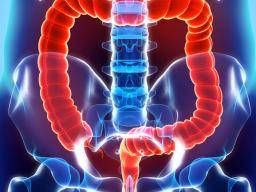
Pancolitis sounds like a dramatic villain from a medical thriller, but it is actually a serious form of inflammatory bowel disease that affects the entire colon. In plain English, pancolitis means inflammation across the full length of the large intestine. It is most often linked to ulcerative colitis, a chronic condition in which the immune system mistakenly keeps the colon in a state of inflammation, irritation, and ulcer formation.
Unlike milder forms of ulcerative colitis that affect only the rectum or the left side of the colon, pancolitis involves the whole colon. That wider involvement can mean more intense symptoms, a higher risk of complications, and a greater need for long-term medical care. The good news is that treatment has improved dramatically. Today, people with pancolitis may have access to anti-inflammatory medications, immune-targeted therapies, biologics, small-molecule drugs, nutrition support, and surgery when needed.
This guide explains pancolitis causes, symptoms, diagnosis, treatment options, warning signs, lifestyle strategies, and real-world experiences in a clear, human waybecause your colon may be complicated, but your health information should not require a decoder ring.
What Is Pancolitis?
Pancolitis is inflammation that affects the entire colon, also called the large intestine. It is considered a type of extensive ulcerative colitis. The colon’s job is to absorb water, form stool, and help move waste out of the body. When the whole colon becomes inflamed, that system can turn chaotic. Stool may become loose, urgent, bloody, painful, or frequent. Some people feel as if their digestive tract has become a fire alarm that refuses to stop ringing.
Ulcerative colitis usually begins in the rectum and may spread upward through the colon. When inflammation reaches all sectionsthe rectum, sigmoid colon, descending colon, transverse colon, ascending colon, and cecumit is called pancolitis. Because the inflammation is widespread, symptoms may be more severe than with limited ulcerative proctitis or left-sided colitis.
Main Causes of Pancolitis
The exact cause of pancolitis is not fully known. It is not caused by eating one “wrong” food, having a stressful week, or forgetting to buy organic kale. Researchers believe pancolitis develops from a mix of immune system dysfunction, genetics, gut bacteria, environmental triggers, and inflammation that gets stuck in the “on” position.
1. Immune System Overreaction
In pancolitis, the immune system appears to attack the inner lining of the colon. Normally, the immune system protects the body from harmful invaders. In ulcerative colitis, however, immune activity may continue even when there is no infection to fight. The result is chronic inflammation, ulcers, bleeding, and tissue damage inside the colon.
2. Genetics and Family History
People with a family history of inflammatory bowel disease have a higher risk of developing ulcerative colitis, including pancolitis. Genes do not guarantee that someone will develop the disease, but they can influence immune behavior and gut inflammation. Think of genetics as loading the stage props; environment and immune response may decide whether the show begins.
3. Gut Microbiome Changes
The gut microbiome is the community of bacteria, fungi, and other microorganisms living in the digestive tract. A balanced microbiome helps digestion and immune regulation. In people with inflammatory bowel disease, that balance may shift. Researchers continue to study how gut bacteria interact with immune cells and whether microbiome changes can trigger or worsen pancolitis.
4. Environmental Triggers
Environmental factors may influence the risk or activity of pancolitis. These may include infections, antibiotic exposure, diet patterns, air pollution, smoking status, and other lifestyle or environmental changes. Stress does not directly “cause” pancolitis, but it can make symptoms harder to manage and may worsen flare perception. In other words, stress is not the arsonist, but it can fan the flames.
Common Symptoms of Pancolitis
Pancolitis symptoms can range from mild to severe. Many people experience periods of remission, when symptoms calm down, and flares, when inflammation becomes active again. Symptoms may build gradually or appear suddenly.
Digestive Symptoms
- Frequent diarrhea, sometimes many times per day
- Blood or mucus in the stool
- Abdominal pain or cramping
- Urgency to have a bowel movement
- Tenesmus, or feeling like you still need to go after using the bathroom
- Rectal pain or pressure
- Loss of appetite
- Unintentional weight loss
- Bloating, gas, or general abdominal discomfort
Whole-Body Symptoms
Because pancolitis involves immune-driven inflammation, symptoms may extend beyond the bathroom. Some people experience fatigue, fever during severe flares, anemia from blood loss, joint pain, skin rashes, eye inflammation, mouth sores, or liver and bile duct problems. These symptoms can be frustrating because they make pancolitis feel less like a “stomach issue” and more like a full-body negotiation with inflammation.
When Pancolitis Becomes Serious
Pancolitis needs medical care because untreated inflammation can lead to serious complications. Severe flares may cause dehydration, significant bleeding, severe anemia, malnutrition, or hospitalization. Rare but dangerous complications include toxic megacolon, a condition in which the colon becomes dangerously enlarged, and perforation, which means a hole develops in the colon wall.
Long-standing ulcerative colitis involving much of the colon can also increase the risk of colorectal cancer. The risk depends on several factors, including how long someone has had the disease, how extensive the inflammation is, how severe it has been, and whether the person has other conditions such as primary sclerosing cholangitis. This is why regular colonoscopy surveillance is an important part of long-term pancolitis care.
How Pancolitis Is Diagnosed
Diagnosis usually begins with a medical history, symptom review, physical exam, and lab testing. A doctor may ask about stool frequency, bleeding, weight changes, pain, family history, medication use, travel, infections, and how symptoms affect daily life. No single question confirms pancolitis, but together they help build the clinical picture.
Blood and Stool Tests
Blood tests may check for anemia, inflammation, infection, low albumin, electrolyte problems, or nutritional deficiencies. Stool tests can help rule out infections that may mimic ulcerative colitis, including bacterial or parasitic causes. Fecal calprotectin, a marker of intestinal inflammation, may help monitor disease activity.
Colonoscopy and Biopsy
Colonoscopy is one of the most important tests for diagnosing pancolitis. During the procedure, a doctor views the inside of the colon and may take tiny tissue samples called biopsies. These samples help confirm inflammation, assess severity, and rule out other conditions. Colonoscopy also shows how much of the colon is affected, which is essential for identifying pancolitis.
Imaging Tests
Imaging may be used in certain cases, especially when symptoms are severe or complications are suspected. CT scans, MRI, or abdominal X-rays can help evaluate colon swelling, severe inflammation, obstruction, or toxic megacolon.
Treatment Options for Pancolitis
The goals of pancolitis treatment are to reduce inflammation, stop bleeding and diarrhea, heal the colon lining, prevent flares, avoid complications, and improve quality of life. Treatment depends on disease severity, previous medication response, age, other health conditions, pregnancy plans, infection risk, and personal preferences.
5-ASA Medications
For mild to moderate ulcerative colitis, 5-aminosalicylic acid medications, often called 5-ASA drugs, may be used to reduce inflammation in the colon. These may come as pills, enemas, or suppositories. Because pancolitis affects the entire colon, oral therapy is commonly considered, sometimes with rectal therapy for added control near the rectum.
Corticosteroids
Corticosteroids can calm inflammation quickly during moderate to severe flares. They are useful rescue tools, but they are not ideal for long-term maintenance because of side effects such as weight gain, mood changes, high blood sugar, bone thinning, infection risk, and sleep problems. Steroids are like a fire extinguisher: helpful in a flare, not something you want spraying in the kitchen every day.
Immunomodulators
Immunomodulators, such as azathioprine or 6-mercaptopurine, may be used in some people to reduce immune system activity. These medications require monitoring with blood tests because they can affect the liver, pancreas, and blood cell counts. They may take weeks or months to work, so they are not usually fast flare-fighters.
Biologic Therapies
Biologics are advanced therapies that target specific parts of the immune system. Options for ulcerative colitis may include anti-TNF medications, anti-integrin therapy, anti-interleukin therapies, and other targeted biologic approaches. These treatments can be especially important for moderate to severe pancolitis or for people who have not responded well to older medications.
Small-Molecule Medications
Some newer ulcerative colitis treatments are oral small-molecule medications. These may include JAK inhibitors or S1P receptor modulators. They work differently from biologic injections or infusions and may be useful for selected adults with moderate to severe disease. Because these medications can have important safety considerations, doctors evaluate infection risk, heart risk, liver tests, vaccine status, and other factors before prescribing them.
Hospital Treatment for Severe Flares
Severe pancolitis may require hospitalization. In the hospital, treatment may include IV fluids, electrolyte replacement, blood tests, stool testing, IV corticosteroids, rescue medications, nutrition support, and surgical consultation if complications develop. Hospital care is not a failure; it is the medical equivalent of calling in the heavy equipment before the house collapses.
Surgery
Surgery may be needed if medications fail, symptoms severely affect quality of life, precancerous changes develop, or emergency complications occur. The most definitive surgery for ulcerative colitis removes the colon and rectum. Some people may have an ileal pouch-anal anastomosis, often called a J-pouch, which uses the small intestine to create an internal pouch. Others may need an ileostomy. Surgery is a major decision, but for some people it can be life-changing and liberating after years of uncontrolled disease.
Diet and Lifestyle Support
There is no single pancolitis diet that works for everyone. During a flare, some people feel better with softer, lower-fiber foods, smaller meals, and careful hydration. During remission, many people benefit from a balanced diet with lean proteins, fruits, vegetables, whole grains if tolerated, healthy fats, and adequate calories. A registered dietitian familiar with inflammatory bowel disease can help prevent nutritional gaps.
Common practical strategies include drinking enough fluids, replacing electrolytes during diarrhea, limiting alcohol, avoiding personal trigger foods, and tracking symptoms. Some people notice that high-fat meals, spicy foods, caffeine, lactose, or large raw salads worsen symptoms during flares. That does not mean those foods caused pancolitis; it means the inflamed colon may temporarily have the tolerance level of a toddler who skipped a nap.
Living With Pancolitis Day to Day
Daily life with pancolitis can involve planning. People may think about bathroom access, meal timing, medication schedules, energy levels, work flexibility, travel routes, and social events. This planning can feel annoying, but it can also give back a sense of control.
Helpful habits may include keeping medications organized, scheduling follow-up visits, getting recommended vaccines before certain immune-suppressing therapies, asking about colonoscopy surveillance, and discussing fertility or pregnancy plans with a specialist. Mental health support also matters. Chronic digestive illness can bring anxiety, embarrassment, frustration, and isolation. Therapy, support groups, and honest conversations can make the experience less lonely.
Practical Experiences and Lessons From Pancolitis
Many people describe pancolitis as a condition that teaches them to listen to their body in a way they never expected. Before diagnosis, symptoms may be easy to dismiss. A person might blame diarrhea on a suspicious taco, abdominal cramps on stress, or fatigue on a busy schedule. But when symptoms keep returning, especially with blood in the stool or urgent bathroom trips, the body is no longer whisperingit is using a marching band.
One common experience is the emotional relief of finally getting a diagnosis. Even though hearing the word “pancolitis” can be scary, many people feel validated after months or years of uncertainty. They finally understand that their symptoms are not laziness, weakness, or imagination. They are signs of real inflammation that deserves real care.
Another practical lesson is that treatment is often a process, not a one-and-done event. A medication that works beautifully for one person may not be enough for another. Some people respond well to 5-ASA therapy, while others need biologics or newer targeted treatments. Some people achieve remission quickly; others need medication adjustments, lab monitoring, or a different treatment class. This trial-and-adjust process can be frustrating, but it is also normal in inflammatory bowel disease care.
People living with pancolitis often become excellent planners. They learn which restaurants have reliable bathrooms, which work meetings should not be scheduled right after lunch, and why carrying wipes, medication, water, and a backup plan can feel like carrying a tiny survival kit. Travel may require extra preparation, such as packing prescriptions in carry-on luggage, locating restrooms ahead of time, and bringing safe snacks. It may sound excessive until the day it saves the trip.
Food experiences vary widely. Some people discover that during flares, simple meals such as eggs, rice, soup, bananas, toast, oatmeal, or lean proteins are easier to tolerate. Others find that dairy, alcohol, greasy foods, or very spicy meals make symptoms worse. During remission, the diet may become more flexible. The key lesson is personalization. Pancolitis does not hand everyone the same menu. It hands you a notebook and says, “Start tracking.” Rude, but useful.
Fatigue is another major experience that deserves more attention. Pancolitis fatigue is not ordinary tiredness. It can come from inflammation, poor sleep, anemia, dehydration, nutrient deficiencies, or the emotional load of managing a chronic condition. Friends and family may not always understand why someone looks fine but feels completely drained. Clear communication helps: “I’m not canceling because I don’t care; I’m canceling because my body is currently running twenty browser tabs and all of them are frozen.”
Many patients also learn the value of speaking up early. Reporting increased bleeding, fever, severe pain, worsening diarrhea, dizziness, or dehydration can prevent complications. Waiting too long may turn a manageable flare into an emergency. A good relationship with a gastroenterology team can make a big difference, especially when the care plan includes clear instructions for what to do during a flare.
Perhaps the most important experience is realizing that pancolitis can be serious without defining the entire person. People with pancolitis work, date, parent, travel, exercise, study, laugh, and build meaningful lives. The condition may require flexibility, but it does not erase ambition or joy. With the right treatment, monitoring, lifestyle support, and self-advocacy, many people move from survival mode toward stability. The colon may be dramatic, but it does not get to write the whole story.
Conclusion
Pancolitis is a form of extensive ulcerative colitis that affects the entire colon. It can cause bloody diarrhea, abdominal pain, urgency, fatigue, weight loss, and symptoms outside the digestive tract. Although the exact cause is not fully understood, immune dysfunction, genetics, gut microbiome changes, and environmental triggers all appear to play a role.
Modern treatment focuses on reducing inflammation, achieving remission, preventing complications, and helping people live well. Options may include 5-ASA drugs, corticosteroids, immunomodulators, biologics, small-molecule medications, nutrition support, hospitalization for severe flares, and surgery when necessary. Because pancolitis can increase the risk of complications and colorectal cancer over time, regular medical follow-up and colonoscopy surveillance are essential.
Note: This article is for educational purposes only and should not replace medical advice. Anyone with symptoms such as persistent bloody diarrhea, severe abdominal pain, fever, dehydration, dizziness, or unexplained weight loss should contact a qualified healthcare professional promptly.