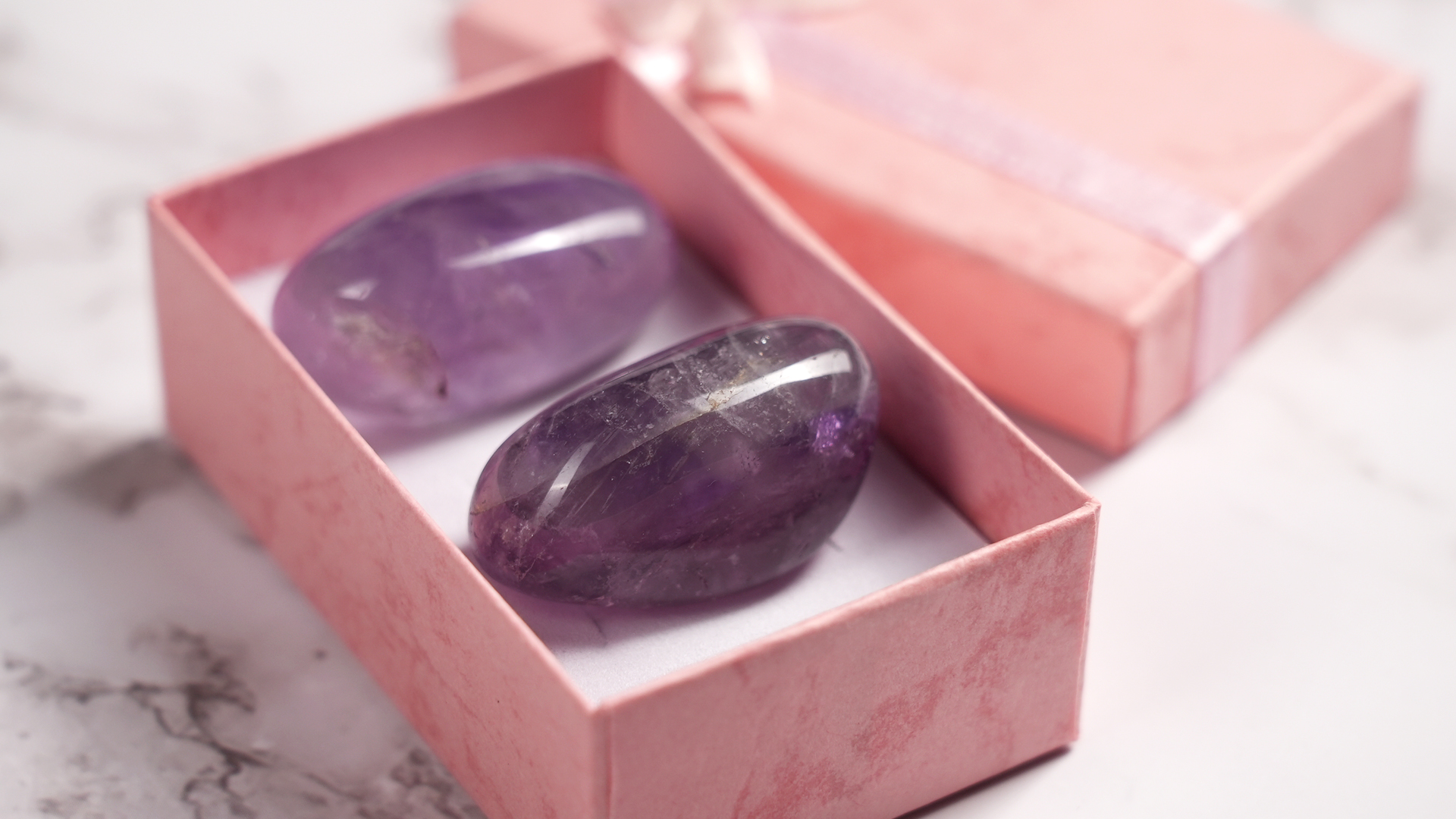
Amethyst is the gemstone equivalent of a calm friend who always looks elegant without trying too hard. Its purple color can feel royal, mysterious, peaceful, or “I definitely bought this because it looked magical under store lighting.” Whether your amethyst is set in a ring, hanging from a pendant, sitting in a geode on your desk, or tucked into a crystal collection, it needs gentle cleaning to keep its natural sparkle.
The good news? Cleaning amethyst is refreshingly simple. You do not need a laboratory, a mysterious polishing potion, or a tiny wizard with a toothbrush. In most cases, warm water, mild soap, a soft brush, and patience are enough. The trick is knowing what not to do. Amethyst is durable enough for many jewelry pieces, but it can still be scratched, loosened from settings, dulled by residue, or damaged by heat and harsh chemicals.
This guide explains how to clean amethyst safely in 11 practical steps, plus how to handle jewelry, raw stones, geodes, and everyday maintenance. By the end, your amethyst should look fresher, brighter, and much less like it survived a lotion-and-dust festival.
Why Amethyst Needs Gentle Cleaning
Amethyst is a purple variety of quartz. It ranks 7 on the Mohs hardness scale, which means it has decent scratch resistance for daily wear, especially compared with softer stones. However, “hard” does not mean “indestructible.” A quartz-based stone can still chip if dropped, scratch if stored carelessly with harder gems, or lose its shine when coated with oils, soap film, dust, makeup, sunscreen, or household grime.
Amethyst also deserves protection from heat, sudden temperature changes, steam cleaning, and prolonged intense sunlight. Too much heat or light may affect its color over time, especially in paler stones. Think of amethyst as strong but a little dramatic about spa treatments. It likes a gentle bath, not a sauna.
What You Need to Clean Amethyst
Before starting, gather the right tools. A safe amethyst cleaning kit is simple and inexpensive:
- A small bowl
- Lukewarm water
- A few drops of mild dish soap
- A soft toothbrush or jewelry brush
- A microfiber cloth or lint-free towel
- A second bowl of clean water for rinsing
- A soft towel for air-drying
Avoid bleach, ammonia, vinegar, alcohol-heavy cleaners, abrasive powders, toothpaste, baking soda scrubs, steam cleaners, and boiling water. Those “miracle cleaning hacks” may work wonders on a sink, but your amethyst is not a sink.
How to Clean Amethyst: 11 Steps
Step 1: Inspect the Amethyst Before Cleaning
Start by looking closely at the stone. If your amethyst is jewelry, check the prongs, bezel, chain, clasp, and any small accent stones. A loose setting can turn a normal cleaning session into a tiny treasure hunt inside your drain. If the stone wiggles or the metal looks damaged, do not soak it. Take it to a professional jeweler first.
For raw amethyst clusters or geodes, inspect cracks, crumbly matrix, glued areas, or fragile points. Natural clusters can have delicate crystal tips that break if scrubbed aggressively. If the piece looks unstable, use less water and more careful wiping.
Step 2: Remove Surface Dust First
Use a dry microfiber cloth or a very soft brush to remove loose dust. This step matters because dust can include tiny mineral particles. If you immediately scrub a dusty stone, you may drag grit across the surface. That is not cleaning; that is accidental sandpaper with confidence.
For amethyst geodes, gently tip the piece and let loose dirt fall away. You can also use a clean, soft makeup brush to reach between crystal points. Avoid compressed air at close range because strong pressure may loosen fragile debris or damage delicate formations.
Step 3: Prepare a Mild Soap Solution
Fill a bowl with lukewarm water and add only a few drops of mild dish soap. Stir gently. The water should feel comfortably warm, not hot. Sudden temperature changes can be risky for gemstones, especially pieces with internal fractures or inclusions.
Do not use detergents with strong degreasers, bleach, citrus acids, or abrasive additives. Mild soap is enough to loosen body oil, dust, lotion, and everyday buildup. If the bowl looks like a bubble bath for a movie star, you used too much soap.
Step 4: Soak the Amethyst Briefly
Place the amethyst jewelry or polished stone into the soapy water for about 5 to 10 minutes. This short soak helps soften grime around settings, under stones, and in tiny crevices. For heavily worn rings, the underside of the setting often holds the most residue because it collects soap, skin oils, and hand cream.
For raw clusters or geodes, do not automatically soak them for a long time. Some specimens are attached to softer host rock or have iron staining, clay, or fragile matrix. A brief dip or damp cloth may be safer than a full soak.
Step 5: Brush Gently Around the Stone
Use a soft toothbrush or jewelry brush to clean the amethyst. Move in small, gentle circles. Focus on the back of the stone, the underside of jewelry settings, and areas where grime collects. If your amethyst is in a ring, clean behind the gemstone carefully because that hidden spot can become a luxury apartment for lotion residue.
Never use a stiff brush, steel wool, scouring pad, or abrasive sponge. Amethyst may be fairly durable, but the metal setting may scratch, and crystal points can break. Gentle pressure is your best friend.
Step 6: Clean Metal Settings Carefully
If your amethyst is set in gold, silver, platinum, or another metal, clean the setting with the same mild soap solution. Use the brush around prongs and edges, but do not force bristles under the stone. If the jewelry includes pearls, opals, turquoise, glued stones, enamel, or vintage details, avoid soaking the entire piece. Those materials may require different care.
When in doubt, clean only the amethyst area with a damp cloth and ask a jeweler about the rest. Mixed-material jewelry is like a group project: everyone has different needs, and one careless decision can upset the whole team.
Step 7: Rinse in a Separate Bowl of Clean Water
Rinse the amethyst in a second bowl of clean lukewarm water. This is safer than rinsing directly over an open sink, especially with rings, earrings, small pendants, or loose stones. Drains have a suspicious talent for swallowing sentimental jewelry at the worst possible moment.
Move the piece gently in the clean water until all soap residue is gone. Soap left on the surface can dry into a dull film, making the stone look cloudy even though it is technically clean.
Step 8: Pat Dry With a Lint-Free Cloth
After rinsing, pat the amethyst dry with a microfiber or lint-free cloth. Do not rub aggressively. For jewelry, pay attention to the setting and chain because trapped moisture can remain in small spaces. For clusters, place the stone on a towel and let water drain naturally from crevices.
Avoid paper towels if possible. They can leave lint behind and may be slightly abrasive on polished metal. A soft cloth gives a cleaner finish and makes your amethyst look less “washed in a hurry five minutes before guests arrived.”
Step 9: Let It Air-Dry Completely
Place the amethyst on a clean towel and let it air-dry fully before storing or wearing it. Moisture trapped behind a gemstone or inside a chain can encourage tarnish on certain metals. If the piece is a geode or cluster, drying may take longer because water can hide between crystal points.
Do not use a hair dryer, heater, direct sunlight, or hot air to speed up drying. Heat is one of the main things amethyst does not appreciate. Let time do the job. Time is free, quiet, and unlikely to damage your gemstone.
Step 10: Polish Lightly for Shine
Once dry, buff polished amethyst gently with a clean microfiber cloth. This removes fingerprints and gives the surface a brighter finish. For faceted jewelry, a soft polish can help the stone catch light again. For raw amethyst, skip heavy polishing and simply brush away any lint.
If the amethyst still looks dull after cleaning, the problem may be scratches, worn metal, internal inclusions, or residue under the setting. A professional jeweler can inspect it and clean hard-to-reach areas more safely.
Step 11: Store Amethyst the Right Way
Cleaning does not end when the stone is dry. Proper storage keeps amethyst cleaner for longer. Store amethyst jewelry in a soft pouch, fabric-lined box, or separate compartment. Keep it away from harder gemstones like diamonds, sapphires, and rubies, which can scratch it.
Also keep amethyst away from long periods of direct sunlight. A sunny windowsill may look Instagram-worthy, but it is not the best long-term home for your purple quartz. Choose a cool, dry, shaded place instead.
How Often Should You Clean Amethyst?
For amethyst jewelry worn regularly, wipe it with a soft cloth after each wear and do a deeper soap-and-water cleaning every few weeks or once a month. Rings may need cleaning more often because they touch soap, lotion, food, keyboards, gym equipment, and whatever mysterious dust lives inside jacket pockets.
For display pieces, geodes, and crystal clusters, dusting every couple of weeks is usually enough. A deeper clean may only be needed when the stone looks visibly dirty. Avoid over-cleaning raw specimens because repeated soaking and scrubbing can loosen fragile areas.
Can You Use an Ultrasonic Cleaner on Amethyst?
Ultrasonic cleaners are sometimes considered safe for untreated amethyst, but they are not always the best choice. If the stone has fractures, dye, fillings, glued components, a fragile setting, or unknown treatment history, ultrasonic vibration can create problems. Many people do not know whether their amethyst has been treated, especially with inherited jewelry or bargain finds.
The safest at-home method remains warm water, mild soap, and a soft brush. If you own valuable amethyst jewelry and want ultrasonic cleaning, ask a professional jeweler first. The machine may be powerful, but “powerful” is not automatically the same as “wise.”
Can You Steam Clean Amethyst?
No, steam cleaning is not recommended for amethyst. Steam involves heat, and amethyst should not be subjected to high temperatures or sudden temperature changes. Heat can stress the stone and may affect color in some cases. Save the steam for vegetables, not violet quartz.
What Not to Use on Amethyst
To keep your amethyst safe, avoid harsh household chemicals and aggressive cleaning trends. Do not use bleach, ammonia, drain cleaner, oven cleaner, chlorine, vinegar baths, toothpaste, baking soda paste, alcohol-heavy sprays, or abrasive polishing compounds. Do not boil amethyst. Do not leave it in a hot car. Do not place it in direct sun for “charging” if you care about preserving its color.
If your amethyst is part of a spiritual or crystal-care routine, choose low-risk methods such as moonlight, sound, intention, or placing it near clear quartz. From a physical care perspective, water and mild soap are still the practical cleaning heroes.
How to Clean an Amethyst Geode or Cluster
Amethyst geodes and clusters need a lighter touch than polished jewelry. Dust them first with a soft brush. If the crystals are only mildly dirty, wipe them with a damp microfiber cloth. For more buildup, dip the brush into mild soapy water and gently clean the crystal points. Then wipe with a clean damp cloth to remove soap.
Avoid soaking large geodes unless you are sure the matrix is stable. Some geodes have natural cracks, crumbly areas, or mineral staining. If you see orange-brown iron stains, do not attack them with harsh acids. Strong chemical treatments can damage the specimen and should be left to experienced mineral collectors.
How to Keep Amethyst Cleaner Longer
Put amethyst jewelry on after applying lotion, perfume, hair products, sunscreen, and makeup. Remove it before swimming, showering, cleaning, gardening, exercising, or doing dishes. Chlorine, sweat, soap residue, and accidental knocks can shorten the life of both the stone and its setting.
For rings, consider removing them before heavy hand use. Amethyst is suitable for many types of jewelry, but rings take more abuse than pendants or earrings. Your necklace spends the day looking pretty. Your ring fights grocery carts, countertops, soap dispensers, and your ambitious attempt to open a package without scissors.
Common Mistakes When Cleaning Amethyst
Using Water That Is Too Hot
Hot water may seem more effective, but lukewarm water is safer. Sudden heat can stress gemstones and settings.
Scrubbing Too Hard
Hard scrubbing can scratch metal, loosen settings, or break delicate crystal points. Let the soap do most of the work.
Rinsing Over an Open Drain
Always rinse small jewelry in a bowl. This one habit can save you from a plumbing adventure nobody asked for.
Using Random DIY Cleaners
Toothpaste, vinegar, baking soda, and harsh cleaners are popular online, but they are risky for gemstone jewelry. Mild soap is boring in the best possible way.
When to See a Professional Jeweler
Take your amethyst jewelry to a professional if the stone is loose, the setting is bent, the piece is antique, the jewelry includes multiple delicate gemstones, or the amethyst remains cloudy after cleaning. A jeweler can check prongs, polish metal, remove stubborn grime, and tell you whether deeper cleaning is safe.
Professional inspection is especially helpful for rings worn often. Even a beautiful amethyst can be lost if its prongs wear down. Cleaning makes the stone shine; inspection keeps it from disappearing into the universe with dramatic timing.
Personal Experience: What Cleaning Amethyst Teaches You Over Time
After cleaning different types of amethyst pieces, one lesson becomes very clear: simple care wins. The first time many people clean an amethyst ring, they expect a complicated process. They imagine special gemstone liquids, professional tools, or secret jeweler techniques whispered behind velvet curtains. Then they discover that a bowl of lukewarm water, a drop of mild soap, and a soft toothbrush can make the stone look noticeably brighter in minutes.
The biggest surprise is usually how much grime hides behind the stone. From the front, an amethyst ring may look only slightly dull. Turn it over, though, and the underside can reveal a tiny museum of lotion, soap, dust, and everyday life. Cleaning that hidden area often restores sparkle because light can pass through the stone more easily. It is oddly satisfying, like cleaning a window you did not realize was foggy.
Amethyst clusters teach a different lesson: patience matters. A crystal point may look sturdy, but natural clusters often have delicate tips and uneven surfaces. Rushing with a brush can break small points or leave lint trapped between crystals. The best approach is slow dusting, light wiping, and careful drying. A clean cluster should still look natural, not polished into submission.
Another experience worth remembering is that storage affects cleaning frequency. Amethyst jewelry tossed into a drawer with other pieces gets dusty, scratched, and tangled faster. A pendant stored in a soft pouch may need only a quick wipe. A ring worn daily while applying hand cream may need regular cleaning. In other words, your habits decide how hard the cleaning session will be later.
It also helps to treat amethyst like a “last on, first off” accessory. Put it on after lotions, perfumes, and sprays. Take it off before chores, workouts, swimming, or sleep. This small routine prevents buildup and protects the setting. It may sound fussy at first, but it quickly becomes automatic, like grabbing keys before leaving the house or checking that your phone is not at 3 percent battery.
One final practical lesson: do not chase perfection. Natural amethyst may have color zoning, inclusions, tiny internal lines, or variations that cleaning cannot remove. Those features are part of the stone, not dirt. A good cleaning should remove residue and restore shine, but it will not turn every stone into a flawless showroom gem. And honestly, that is part of amethyst’s charm. It is beautiful, a little moody, naturally unique, and surprisingly low-maintenance when treated with respect.
Conclusion
Cleaning amethyst is easy when you keep the process gentle. Inspect the stone, dust it first, use lukewarm water with mild soap, brush softly, rinse in a bowl, dry with a lint-free cloth, and store it away from direct sunlight and harder gemstones. Avoid steam, heat, harsh chemicals, abrasive tools, and risky cleaning hacks.
Whether you are caring for an amethyst ring, necklace, loose polished stone, geode, or crystal cluster, the goal is the same: remove buildup without stressing the stone. Treat your amethyst kindly, and it will keep rewarding you with that deep purple glow that made you love it in the first place.