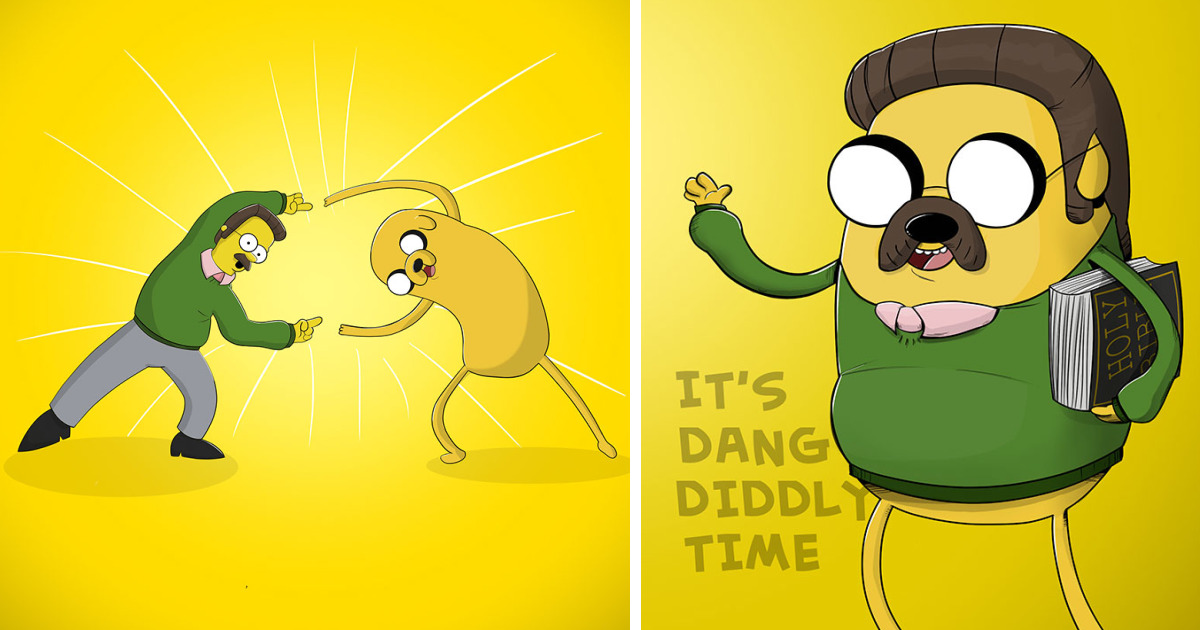
What happens when you take the charm, chaos, shape language, colors, and personality traits of different cartoon characters and blend them into a single original design? You get something that looks like it escaped from a sketchbook, raided a cereal aisle, and somehow still has excellent emotional range.
The Weird Joy of Cartoon Character Fusion
Fusing different cartoon characters into one is not just a fun art challenge. It is a tiny creative laboratory where nostalgia, visual design, humor, and storytelling all crash into each other wearing oversized gloves. At first, the idea sounds simple: take one character’s eyes, another character’s body shape, a third character’s color palette, maybe toss in a dramatic cape, and call it a day. Easy, right?
Not exactly. A good cartoon character fusion is more than a “copy-paste smoothie.” If the design only stacks recognizable parts on top of each other, it can feel cluttered, confusing, or legally awkward. The real magic happens when the artist studies what makes each inspiration work, then transforms those ingredients into a new character with its own personality. Think of it like cooking. You are not serving five leftovers on one plate. You are making one new dish that somehow tastes like Saturday morning.
Cartoons are built from exaggeration. A tiny change in shape, posture, color, or expression can tell the viewer whether a character is brave, goofy, mysterious, spoiled, chaotic, kind, or about to press a giant red button labeled “Do Not Press.” When fusing cartoon influences, the goal is to preserve that instant readability while creating something fresh enough to stand on its own.
Why Cartoon Mashup Art Is So Addictive
Cartoon mashup art is popular because it turns familiar visual language into a creative puzzle. Fans enjoy spotting the clues: a round silhouette that feels friendly, sharp angles that suggest mischief, rubbery limbs that hint at slapstick energy, or a color combination that nods to a classic animated mood without copying it directly.
There is also a “what if?” thrill. What if a brave space explorer had the nervous energy of a kitchen sponge? What if a fairytale princess had the swagger of a comic-book detective? What if a lazy house cat accidentally inherited the dramatic eyebrows of a supervillain? These combinations are funny because they create contrast. They invite the viewer to imagine a whole story from one image.
That is why the best fused cartoon characters do not merely look unusual. They feel like they are about to do something. A strong design makes the audience wonder: What is this character’s problem? What world do they belong in? Why are they holding a frying pan like it is a legendary sword? Congratulations, now we have narrative.
The Design Rules Behind a Successful Fusion
1. Start With Personality, Not Parts
The easiest mistake is beginning with body parts: “I will use this head, those shoes, that tail, and that angry eyebrow.” That can create a Frankenstein effect, and not the cool kind. A stronger approach is to begin with personality. Is the fused character a hero, prankster, mentor, villain, sidekick, dreamer, or chaotic snack enthusiast?
For example, I might decide that my fused cartoon character is “a cheerful inventor who causes disasters while trying to help.” That personality gives the design direction. Round shapes can make the character feel approachable. Oversized goggles can suggest invention. A slightly crooked smile can hint at trouble. A backpack full of suspicious gadgets can do the rest. Suddenly, the fusion is no longer random. It has a point.
2. Use Shape Language Like a Secret Alphabet
Shape language is one of the most useful tools in character design. Circles often feel soft, friendly, innocent, or bouncy. Squares can communicate strength, reliability, stubbornness, or stability. Triangles can suggest speed, danger, ambition, sharp intelligence, or villainous flair. These are not unbreakable rules, but they help guide the viewer’s first impression.
When fusing different cartoon influences, I like to choose one dominant shape family. A character cannot be equally round, square, triangular, fluffy, spiky, tiny, huge, and aerodynamic without becoming visual soup. For my fusion, I might choose a round head, a square torso, and triangular accessories. That gives the character friendliness, confidence, and a little chaos. Basically, the design says, “I am lovable, dependable, and possibly banned from three science fairs.”
3. Protect the Silhouette
A strong cartoon character should be readable in silhouette. If you filled the character with solid black, could someone still recognize the pose, personality, or main design idea? If the answer is yes, the fusion is probably working. If the answer is “it looks like a backpack fought a mop,” it may be time to simplify.
Silhouette matters because cartoon characters are often seen quickly: in thumbnails, stickers, profile pictures, animation frames, or fast-scrolling social feeds. The viewer should not need a detective board and red string to understand what they are looking at. Clear proportions, readable limbs, and a memorable outline make the design stronger.
My Process for Fusing Different Cartoon Characters Into One
Step One: Make an Inspiration Map
Before sketching, I create a loose inspiration map. I do not want to copy a protected character directly, so I focus on traits instead of exact features. I write down things like: “rubber-hose energy,” “big expressive eyes,” “heroic chest shape,” “mischievous grin,” “tiny legs,” “dramatic cape,” “noodle arms,” “bright candy colors,” and “overconfident pose.”
This keeps the process creative rather than imitative. The goal is not to trace or rebuild someone else’s famous character. The goal is to understand why certain visual choices work and then remix those ideas into something original.
Step Two: Sketch Three Bad Versions First
Yes, bad versions are part of the plan. In fact, they are the plan’s emotional support animal. The first sketch usually looks like a confused mascot from a theme park that closed in 1998. That is normal. The second sketch may be better but still too busy. The third often reveals the real direction.
I sketch fast and small. No details. No shading. No dramatic lighting. Just simple shapes and attitude. I test different body types: short and round, tall and noodle-like, boxy and powerful, tiny head with huge hands, huge head with tiny shoes. Cartoon fusion is all about exaggeration, and thumbnail sketches let me find the funniest exaggeration before I waste an hour lovingly shading a design that should never have left the swamp.
Step Three: Choose One Visual Joke
The best fused cartoon characters often have a visual joke. Maybe the character looks heroic but is clearly terrified. Maybe the body is built like a tank, but the face is sweet and clueless. Maybe the character wears a wizard hat but carries office supplies instead of a wand. One strong joke is better than twelve weak ones fighting for attention.
For my design, I imagined a character with the confidence of a superhero, the round softness of a classic comedy mascot, and the frantic expression of someone who just realized their invention is on fire. The joke: they are always posing like a legend while quietly causing a disaster. That contrast gives the fusion personality.
Color: The Fastest Way to Create Cartoon Energy
Color can make or break a cartoon fusion. Bright colors attract attention, but too many can make the character look like a spilled box of markers. I usually pick one main color, one supporting color, and one accent color. The main color controls the mood. The support color adds contrast. The accent color gives the viewer somewhere to look first.
A warm palette can feel cheerful, bold, or chaotic. A cool palette can feel mysterious, calm, futuristic, or slightly suspicious. High contrast makes a design pop; low contrast can feel softer and more storybook-like. For a fused cartoon character, color should help unify all the borrowed influences into one original identity.
For example, if the shape language is round and friendly but the character’s personality is sneaky, I might use soft blues and creams with one sharp red accent. That tiny red detail becomes a warning light: “This adorable creature knows where the cookies are hidden.”
Expression Is the Glue
When combining different cartoon influences, expression is what makes the design feel alive. The eyes, eyebrows, mouth, and head angle can unite a strange mixture of forms. A character can have mismatched ingredients, but one strong facial expression tells the viewer how to read them.
Cartoons rely heavily on exaggeration. A raised eyebrow can do the work of a paragraph. A tiny frown on a huge face can be funnier than a full monologue. A wide grin can make a character charming, creepy, heroic, or absolutely not allowed near machinery, depending on context.
For my fused design, I tested several expressions: heroic smirk, confused blink, guilty smile, villain grin, and “I definitely did not press the button.” The last one won. It had the most story. A good expression does not just decorate a character; it suggests what happened one second before and what disaster may happen one second later.
Fan Art, Fair Use, and Being a Responsible Creator
Cartoon fusion often lives near fan art, parody, and remix culture, so it is important to be thoughtful. Many cartoon characters are protected by copyright and trademark law. Creating art inspired by popular characters can be creatively exciting, but selling or presenting work that too closely copies protected characters can create legal problems.
A safer creative approach is to focus on transformation. Instead of copying a famous character’s exact face, outfit, logo, catchphrase, or signature pose, study broader design principles: roundness, timing, exaggeration, color contrast, expression, silhouette, and personality type. Make something new from the lesson, not a duplicate of the source.
Parody, commentary, education, and noncommercial transformative work may receive stronger fair use arguments, but fair use is not a magic shield. It depends on context. For web publishing, portfolios, products, stickers, prints, and commissions, creators should be especially careful. When in doubt, make the design more original, avoid official logos, and do not imply endorsement by a studio or brand.
What Makes a Fused Cartoon Character Feel Original?
Originality does not mean pretending influence does not exist. Every artist has influences. The difference is whether the final character depends on recognition of someone else’s property or stands as a new idea. A fused cartoon character feels original when it has its own silhouette, personality, color system, story role, and emotional hook.
One helpful test is the “name test.” Can you give the character a new name that fits? If the answer is yes, the design probably has its own identity. For my fusion, I landed on the imaginary name Captain Wobblebolt. The name suggests bravery, clumsiness, electricity, and at least one broken toaster. That name helped guide the final details: a lightning-shaped zipper, boots too big for the character’s body, and a heroic cape that is clearly too short.
Another useful test is the “story test.” Could this character star in a short comic or animated scene without needing the audience to recognize the inspirations? If yes, you have moved from mashup to character design.
Specific Example: Building One Fusion Character
Here is a practical breakdown of one original fused cartoon character concept.
Character Concept: Captain Wobblebolt
Core personality: A brave inventor who wants to save the day but has the hand-eye coordination of a sleepy raccoon.
Visual ingredients: A round head for friendliness, a square torso for heroic confidence, thin rubbery arms for comedy, tiny boots for awkward movement, oversized goggles for inventor energy, and a cape that looks dramatic until you notice it is clipped on with a laundry pin.
Color palette: Warm yellow as the main color, deep blue as the support color, and bright orange as the accent. The yellow makes the character cheerful. The blue adds structure. The orange highlights the goggles, zipper, and tiny sparks from malfunctioning gadgets.
Silhouette: Big head, square chest, wobbly arms, small feet, and a jagged lightning-shaped antenna. Even in black silhouette, the character reads as a goofy hero-inventor.
Story hook: Captain Wobblebolt’s gadgets always work, but never in the intended way. A toaster becomes a jetpack. A flashlight opens portals. A sandwich press accidentally translates squirrel language. The character is not funny because they fail; they are funny because they remain completely confident while reality files a complaint.
Why This Kind of Art Connects With People
Cartoon character fusion connects with people because it celebrates recognition and surprise at the same time. The viewer senses familiar creative DNA, but the final result feels new enough to spark curiosity. It is nostalgia with a twist, like finding your childhood lunchbox in a time machine and discovering it now contains concept art.
There is also something deeply human about remixing. People learn by combining ideas. Musicians blend genres. Writers mix tropes. Chefs fuse cuisines. Designers borrow principles from architecture, fashion, film, games, and comics. Cartoon fusion is part of that larger creative tradition: take what you love, understand it deeply, and build something that expresses your own point of view.
For artists, the challenge sharpens important skills. You practice silhouette, proportion, color, expression, gesture, storytelling, and restraint. You also learn that “more details” does not always mean “better design.” Sometimes the funniest choice is one simple eyebrow. Sometimes the cape should be shorter. Sometimes the boots should be illegal.
Common Mistakes to Avoid
Too Many References at Once
Trying to fuse ten cartoon characters into one design can make the result visually noisy. Limit the inspiration pool. Three influences are usually enough: one for shape, one for personality, and one for color or energy.
Copying Instead of Transforming
If the design is recognizable only because it uses another character’s exact outfit, logo, face, or signature accessory, it may not be transformative enough. Push the idea further. Change the context, personality, proportions, and story role.
Ignoring Movement
Cartoon characters are designed to move, even when they are just drawings. Ask how your fused character walks, runs, panics, celebrates, or sneaks. Movement ideas can improve the design. A nervous character might have raised shoulders and tiny steps. A confident character might lean forward with big open gestures.
Forgetting the Audience
A fusion should be readable. If viewers need a full explanation before they understand the joke, simplify. Good cartoon design communicates quickly and rewards longer looking with extra details.
My Experience Fusing Different Cartoon Characters Into One
The first time I tried to fuse different cartoon characters into one, I thought it would be a quick sketch. I was wrong in the way people are wrong before assembling furniture without reading the manual. I started confidently, drew a round head, added dramatic eyes, gave the character a heroic torso, attached long noodle arms, and then realized I had created something that looked less like a cartoon hero and more like a confused potato applying for a space program.
That first attempt taught me an important lesson: fusion is not about collecting the loudest features. It is about choosing the features that agree with each other. My early sketches had too many competing ideas. One part wanted to be cute. Another wanted to be spooky. Another wanted to sell breakfast cereal. The result had no clear personality. Once I stepped back and asked, “Who is this character?” the design became easier.
I began writing tiny personality notes beside each sketch. One character was “a nervous knight who apologizes to dragons.” Another was “a detective who solves mysteries by accident.” Another was “a tiny villain whose evil plan is mostly arts and crafts.” These short descriptions helped me make better design decisions. A nervous knight needed hunched shoulders, soft shapes, and armor that looked slightly too big. A craft-obsessed villain needed sharp little eyebrows, glitter stains, and a suspiciously organized tool belt.
The biggest breakthrough came when I stopped trying to make the fusion look impressive and started trying to make it readable. I reduced details, enlarged the strongest shapes, and focused on the silhouette. If the character’s outline looked boring, no amount of shading could save it. If the outline had energy, even a rough sketch felt alive.
Color was another adventure. My first palettes were too busy. I wanted every inspiration to have its own color, which made the character look like it had been attacked by a rainbow with a personal grudge. Eventually, I limited the palette to three main colors. That one decision made the design feel cleaner, more professional, and much easier to remember.
Expression became my favorite part. I tried giving the character a heroic grin, but it felt too predictable. Then I drew the same character with a guilty smile, eyes looking slightly to the side, as if hiding a smoking invention behind their back. Suddenly the whole design clicked. The expression created a story. The character was not just a fusion anymore; it was a person, or at least a cartoon person with extremely questionable lab safety habits.
What I love most about cartoon character fusion is that it feels playful but teaches serious art skills. You learn to analyze why certain designs work. You learn restraint. You learn how shape, color, and expression influence emotion. You also learn that bad sketches are not failures; they are stepping stones with weird shoes.
By the end of the process, I had a character that felt original even though it was born from many inspirations. That is the sweet spot. A good fusion should make viewers smile first, then look closer, then ask, “Wait, what is this character’s story?” If the artwork does that, the experiment worked.
Conclusion
Fusing different cartoon characters into one is more than a drawing trend. It is a creative exercise in transformation, storytelling, and design discipline. The strongest results come from understanding the ingredients behind beloved cartoons: clear silhouettes, expressive shapes, readable emotions, memorable color, and a personality that can carry a scene.
The real goal is not to make a collage of famous parts. It is to create a new character with its own attitude, problem, and world. When done thoughtfully, cartoon fusion becomes a celebration of influence without getting trapped by imitation. It is funny, challenging, occasionally chaotic, and honestly one of the best excuses to draw a heroic little weirdo with a malfunctioning backpack.