A sinus headache can make your face feel like it is hosting a tiny weather system: pressure behind the eyes, heaviness in the cheeks, a forehead that feels two sizes too big, and a nose that has apparently resigned from its drainage job. The good news is that most sinus-related head pressure improves with practical home care, smart over-the-counter options, and a little patience. The less glamorous news is that not every “sinus headache” is truly caused by sinusitis. Some are migraines wearing a fake mustache.
This guide explains how to get rid of a sinus headache in 11 clear steps, including sinus pressure relief, nasal rinse safety, hydration, steam, medicine choices, allergy control, and when to call a healthcare professional. It is educational, not a personal diagnosis, so use it as a helpful roadmapnot as a replacement for medical advice.
What Is a Sinus Headache?
A sinus headache usually happens when the lining of the sinuses becomes inflamed and swollen. The sinuses are air-filled spaces around the forehead, cheeks, nose, and eyes. When swelling blocks normal mucus drainage, pressure can build up and create pain in the face, forehead, upper teeth, or behind the eyes. This pressure often feels worse when bending forward, waking up in the morning, or moving the head quickly.
True sinus headaches are commonly linked with sinusitis, also called a sinus infection or rhinosinusitis. Symptoms may include nasal congestion, thick nasal discharge, postnasal drip, reduced sense of smell, cough, fatigue, facial tenderness, and sometimes fever. However, if your “sinus headache” comes with nausea, light sensitivity, sound sensitivity, throbbing pain, or repeated attacks without fever or thick nasal drainage, migraine may be the real culprit.
How to Get Rid of a Sinus Headache: 11 Steps
1. Confirm That It Is Probably Sinus-Related
Before reaching for every bottle in the medicine cabinet, pause and check your symptoms. Sinus headache relief works best when the problem is actually sinus pressure. A sinus-related headache usually appears with congestion, facial pressure, thick mucus, or symptoms after a cold or allergy flare. Pain may sit around the cheeks, forehead, bridge of the nose, or upper teeth.
Migraine can mimic sinus pain because the same nerve pathways affect the face, eyes, nose, and head. If your headache is one-sided, throbbing, worsened by movement, paired with nausea, or triggered by light and sound, consider tracking migraine symptoms and discussing them with a clinician. Treating migraine like a sinus infection is like watering a plastic plant: energetic, but not very useful.
2. Hydrate Like Your Mucus Has a Job to Do
Fluids help thin mucus so it can drain more easily. Water, warm tea, broth, and electrolyte drinks can all support hydration. You do not need to chug gallons like you are training for a desert expedition. Aim for steady fluid intake, especially if you have fever, sweating, dry indoor air, or reduced appetite.
Warm drinks may feel especially soothing because they combine hydration with gentle steam. Herbal tea, warm lemon water, or broth can loosen congestion and comfort a scratchy throat from postnasal drip. Alcohol is best avoided because it can worsen dehydration and nasal swelling in some people.
3. Use a Warm Compress on Your Face
A warm compress is one of the simplest home remedies for sinus headache pain. Soak a clean washcloth in warmnot scaldingwater, wring it out, and place it over your forehead, nose, and cheeks for 10 to 15 minutes. Repeat several times a day as needed.
Warmth can ease facial tenderness, encourage circulation, and help loosen stubborn mucus. It is also pleasantly low-tech. No subscription, no charging cable, no app asking for your locationjust warmth and relief.
4. Try Steam or a Warm Shower
Moist air can help soothe irritated nasal passages and loosen thick mucus. A warm shower is often the safest and easiest option. Let the bathroom fill with gentle steam, breathe normally, and allow the warmth to relax the facial pressure.
If using a bowl of warm water, avoid placing your face too close and never inhale hot steam aggressively. Burns are not a bonus symptom. Steam may not cure sinusitis, but it can make congestion feel more manageable while your body recovers.
5. Use Saline Nasal Spray or Saline Irrigation
Saline is a drug-free way to moisten nasal passages, thin mucus, and flush out irritants such as dust, pollen, and thick drainage. A simple saline spray can be used several times per day. For deeper rinsing, many people use a squeeze bottle, neti pot, or nasal irrigation system.
Safety matters. Always use distilled, sterile, or previously boiled and cooled water for nasal rinses. Do not use plain tap water directly in your nose. Clean and dry the rinse device after each use. Saline irrigation can be helpful, but only when the water and equipment are handled correctly.
6. Consider an Over-the-Counter Pain Reliever
Over-the-counter pain relievers such as acetaminophen, ibuprofen, or naproxen may reduce headache pain and facial pressure. Follow the label instructions, avoid doubling up on medications with the same ingredient, and check with a pharmacist or healthcare professional if you have liver disease, kidney disease, stomach ulcers, take blood thinners, are pregnant, or have other medical conditions.
Pain relievers do not drain your sinuses directly, but they can make the waiting period much more civilized. Think of them as turning down the volume while the rest of your sinus care gets to work.
7. Use Decongestants Carefully
Decongestants may reduce nasal swelling and help mucus drain. They come as oral tablets or nasal sprays. However, they are not right for everyone. Oral decongestants can raise blood pressure, cause jitteriness, affect sleep, or interact with certain medications. People with high blood pressure, heart disease, thyroid disease, glaucoma, prostate problems, or pregnancy should ask a healthcare professional before using them.
Nasal decongestant sprays can work quickly, but they should generally be used for only a short time. Using them too long may cause rebound congestion, where your nose gets stuffier when the medicine wears off. That is the nasal equivalent of borrowing money from a raccoon: it seems helpful at first, then things get chaotic.
8. Try an Intranasal Steroid Spray for Inflammation
Steroid nasal sprays, such as fluticasone or budesonide, may help reduce inflammation inside the nasal passages. They are especially useful when allergies contribute to sinus pressure. Unlike decongestant sprays, steroid sprays do not provide instant “open the gates” relief. They often work best when used consistently for several days.
Aim the spray slightly outward toward the ear on the same side, not straight up the center of the nose. This may reduce irritation and improve delivery. If nosebleeds, burning, or persistent dryness occurs, stop and ask a healthcare professional for guidance.
9. Control Allergy Triggers
Allergies can swell nasal tissues, block drainage, and set the stage for sinus pressure. If your sinus headaches appear during pollen season, after cleaning, around pets, or in dusty rooms, allergy control may be part of the solution.
Helpful steps include keeping windows closed on high-pollen days, showering after outdoor exposure, washing bedding regularly, using a high-quality HVAC filter, vacuuming with a HEPA filter, and avoiding cigarette smoke. Antihistamines may help allergy symptoms such as sneezing, itching, and runny nose, though they are not always useful for sinusitis itself. If allergies are frequent or severe, an allergist can help identify triggers and long-term treatment options.
10. Rest and Sleep With Your Head Elevated
Rest gives your immune system room to work. Sleep also helps regulate inflammation, pain sensitivity, and recovery. If sinus pressure worsens at night, try sleeping with your head slightly elevated. This may reduce mucus pooling and postnasal drip.
Keep the bedroom air comfortably moist if it is dry, but clean humidifiers regularly to prevent mold or bacteria growth. A dirty humidifier is not a wellness device; it is a tiny swamp with a plug.
11. Know When to Call a Healthcare Professional
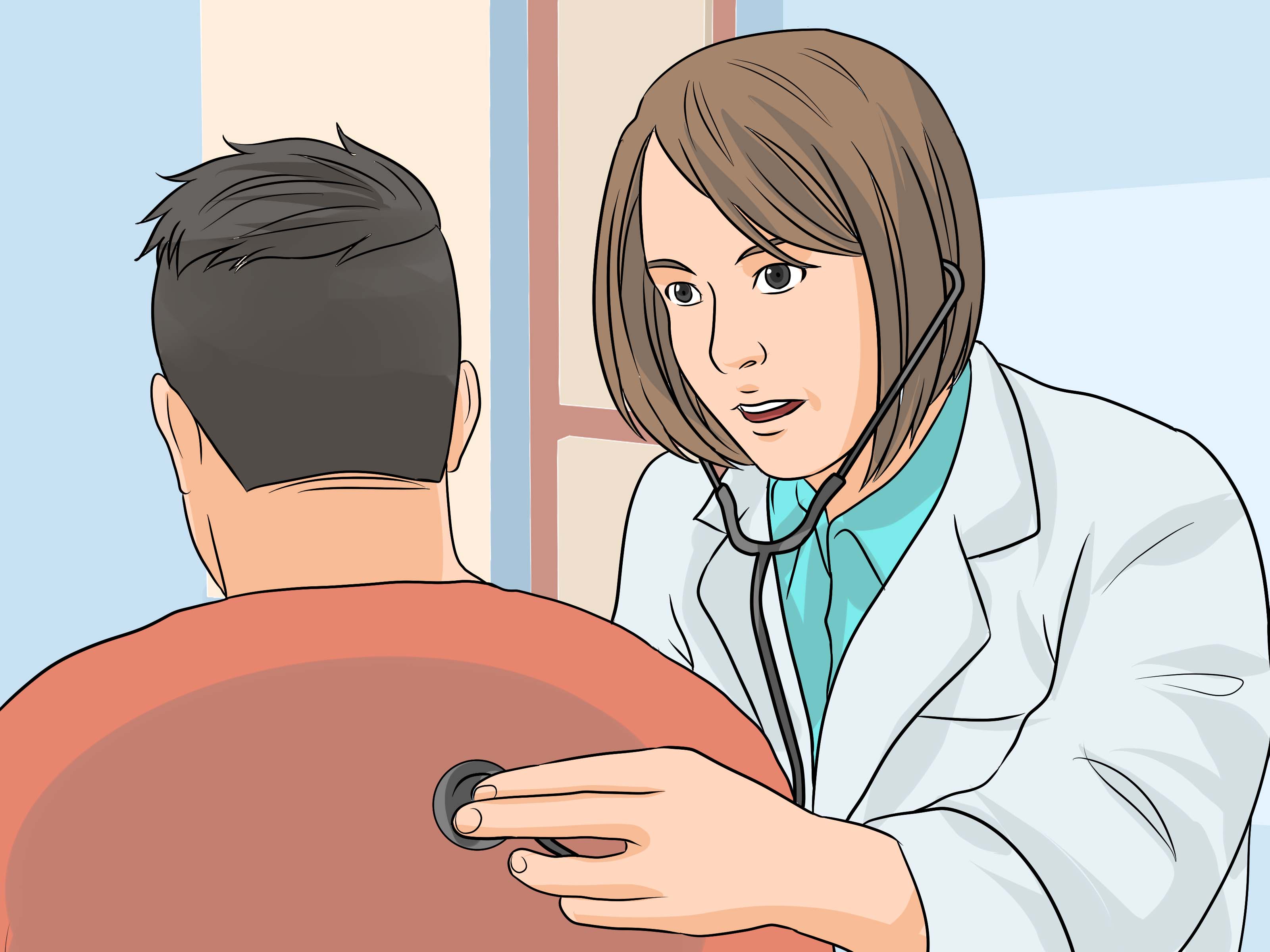
Many sinus headaches improve with home care within several days. However, medical evaluation is important if symptoms are severe, last more than 10 days without improvement, improve and then suddenly worsen, or include high fever, facial swelling, vision changes, stiff neck, confusion, severe one-sided headache, shortness of breath, or pain around the eyes.
Antibiotics are not usually needed for viral sinus infections. A healthcare professional may consider antibiotics when symptoms suggest bacterial sinusitis, especially if they persist, worsen, or become severe. Recurrent sinus headaches, chronic congestion, or frequent “sinus infections” may require evaluation for allergies, nasal polyps, deviated septum, chronic sinusitis, or migraine.
Best Home Remedies for Sinus Headache Relief
The best home remedies for sinus headache relief focus on three goals: reduce inflammation, keep mucus moving, and ease pain. A practical routine might look like this: drink warm fluids in the morning, use saline spray or a safe nasal rinse, apply a warm compress, take an appropriate pain reliever if needed, and rest with your head elevated at night.
The secret is consistency. Doing one saline spray and then staring angrily at your face in the mirror may not be enough. Give your sinuses repeated gentle support throughout the day. Avoid smoke, strong perfumes, dry air, and known allergens when possible. If symptoms are tied to seasonal allergies, start allergy control early instead of waiting until your nose has declared independence.
What Not to Do When You Have a Sinus Headache
- Do not use tap water for nasal rinsing. Use distilled, sterile, or boiled and cooled water.
- Do not overuse nasal decongestant sprays. They can cause rebound congestion.
- Do not assume antibiotics are always needed. Many sinus infections are viral and improve without them.
- Do not ignore migraine signs. Repeated “sinus headaches” may need a different treatment plan.
- Do not delay care for red flags. Vision changes, severe headache, swelling, confusion, or stiff neck need urgent attention.
Sinus Headache vs. Migraine: A Quick Comparison
| Feature | Sinus Headache | Migraine |
|---|---|---|
| Common pain area | Forehead, cheeks, bridge of nose, upper teeth | One side or whole head; may include face or eyes |
| Nasal symptoms | Thick discharge, congestion, postnasal drip | May include runny nose or watery eyes |
| Other symptoms | Facial pressure, cough, fatigue, possible fever | Nausea, light sensitivity, sound sensitivity, throbbing |
| Typical trigger | Cold, sinus infection, allergy flare | Stress, hormones, sleep changes, foods, weather, sensory triggers |
| Best next step | Drainage support, anti-inflammatory care, medical review if persistent | Migraine-specific treatment plan and trigger tracking |
Experience Notes: What Sinus Headache Relief Often Looks Like in Real Life
In real life, getting rid of a sinus headache rarely feels like flipping a switch. It is more like persuading a stubborn elevator to finally move. Many people wake up with heavy pressure across the forehead and cheeks, especially after a cold or a night of mouth breathing. The first instinct is often to blame “the sinuses,” take random medicine, and hope for the best. A better approach is to build a small relief routine and repeat it through the day.
For example, someone might start the morning with a warm shower, letting the steam soften congestion. After breakfast, they use a saline spray or a properly prepared nasal rinse with distilled water. Then they drink tea or water, take an approved pain reliever if needed, and apply a warm compress while checking email. This is not glamorous. Nobody is making a superhero movie about saline spray. But by lunchtime, the pressure may be less sharp, the nose may drain more freely, and the headache may become easier to manage.
Another common experience is discovering that “sinus headache” is a pattern, not a one-time event. A person may notice that symptoms appear every spring, after mowing the lawn, when sleeping in a dusty room, or after visiting a friend with cats. In that case, allergy control becomes just as important as headache relief. Washing hair before bed during pollen season, changing pillowcases, using a clean humidifier, and keeping windows closed may reduce repeat episodes.
Some people also learn that their worst “sinus headaches” are actually migraines. This can be frustrating because the pain feels so facial and sinus-like. But migraine can cause pressure around the eyes, nasal symptoms, and forehead pain. If headaches keep returning, especially with nausea, light sensitivity, or a need to lie down in a dark room, tracking symptoms can be eye-opening. A headache diary that notes sleep, weather, food, stress, nasal symptoms, and medicine use can help a healthcare professional separate sinus problems from migraine.
The most useful lesson is to respond early but calmly. At the first signs of sinus pressure, hydrate, moisten the nasal passages, avoid irritants, and rest. Do not panic, do not over-medicate, and do not use unsafe water in nasal rinses. Most mild sinus-related headaches improve with steady care. When symptoms are severe, unusual, long-lasting, or repeatedly disruptive, the smart move is not toughnessit is getting checked. Your sinuses may be small, but when they are angry, they deserve a sensible plan.
Conclusion
Learning how to get rid of a sinus headache starts with understanding what is causing the pressure. If congestion, thick mucus, postnasal drip, and facial tenderness are present, sinus-focused care may help. The most effective steps usually include hydration, warm compresses, steam, saline spray or safe irrigation, appropriate pain relief, careful use of decongestants, inflammation control with nasal steroid sprays, allergy management, and rest.
Just as important, know when the headache may not be sinus-related. Migraine is commonly mistaken for sinus headache, and repeated or severe headaches deserve proper evaluation. If symptoms last more than 10 days, worsen after improving, become severe, or involve red flags such as vision changes, facial swelling, confusion, stiff neck, or intense sudden pain, seek medical care promptly.
Sinus headache relief is not about attacking your nose with everything on the pharmacy shelf. It is about choosing the right steps, using them safely, and letting your body drain, heal, and breathe again.