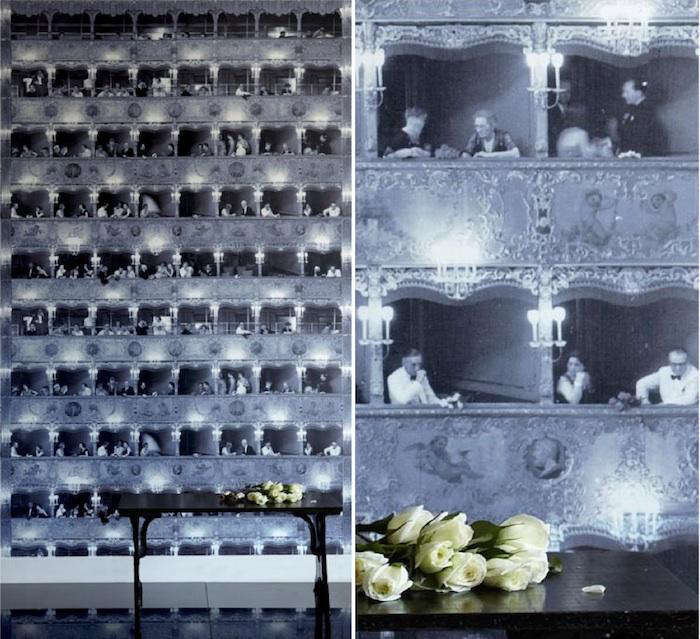
Opera house wallpaper is not just wallpaper with a fancy building printed on it. It is a whole mood: velvet curtains, glowing chandeliers, dramatic arches, carved balconies, polished marble, and that delicious feeling that something unforgettable is about to happen. In home décor, this style turns ordinary walls into a stage. Your living room gets a standing ovation. Your powder room becomes mysterious. Even a hallway can suddenly behave like it has a soprano warming up behind the door.
The beauty of opera house wallpaper is that it can be grand without being ridiculous. It can be classical, modern, Art Deco, romantic, architectural, or surprisingly quiet. Some designs show famous opera house silhouettes, such as sail-like roof forms, grand theater interiors, or ornate balconies. Others borrow the spirit of opera houses through damask patterns, mural scenes, velvet textures, gilded details, acoustic-inspired panels, or dramatic color palettes. The result is wallpaper that feels cultured, decorative, and deeply atmospheric.
What Is Opera House Wallpaper?
Opera house wallpaper refers to wallcoverings inspired by the architecture, interiors, colors, and emotional drama of opera houses. Think of it as theater design for the wall. Instead of simply covering a surface, it tells a story. It may feature architectural arches, ceiling frescoes, red curtains, gold ornament, musical motifs, balcony railings, chandeliers, or abstract shapes inspired by famous opera houses.
This style also includes wallpapers that do not literally show an opera house but feel like one. A deep burgundy grasscloth can suggest velvet seating. A metallic Art Deco pattern can echo the glamour of a historic performance hall. A panoramic mural of columns and arches can create the illusion of a grand lobby. A soft cream-and-gold textured wallcovering can remind you of plaster, stone, and stage light without shouting, “I bought theatrical wallpaper and I am not afraid to use it.”
Why Opera House Wallpaper Works So Well in Interior Design
Opera houses are designed to heighten emotion. Their interiors are not shy. They use scale, rhythm, repetition, lighting, texture, and contrast to guide the eye and prepare the audience for drama. Wallpaper can do the same thing in a home or commercial space.
It Adds Instant Atmosphere
Paint changes color. Wallpaper changes character. Opera house wallpaper can make a small room feel intentional, a dining room feel more elegant, or a reading nook feel like a private box seat. The design does not have to be loud. Even a tone-on-tone pattern with subtle metallic detail can add a sense of ceremony.
It Supports Both Classic and Modern Rooms
Many people hear “opera house” and imagine a room full of gold swirls, red velvet, and furniture that looks allergic to minimalism. That is one option, but it is not the only one. A modern opera house wallpaper can use geometric forms, architectural linework, neutral plaster textures, or abstract ceiling patterns. Pair it with clean furniture and the result feels sophisticated rather than old-fashioned.
It Creates a Memorable Focal Point
Opera house wallpaper is especially powerful on a feature wall. Behind a bed, sofa, console table, bar cabinet, or dining banquette, it gives the room a visual anchor. A mural-style wallpaper can act like a large artwork, while a repeating pattern can provide rhythm and depth.
Popular Opera House Wallpaper Styles
1. Grand Theater Mural Wallpaper
This is the showstopper. A grand theater mural may depict balconies, curtains, columns, stage arches, or an empty auditorium viewed from the center aisle. It is ideal for dining rooms, music rooms, boutique hotels, home theaters, and dramatic entryways. Use it where the wall has enough space to let the scene breathe.
2. Art Deco Opera House Wallpaper
Art Deco is a natural partner for opera house interiors because it loves geometry, symmetry, metallic accents, and confident glamour. Wallpaper with fan shapes, stepped lines, sunbursts, black-and-gold contrast, or champagne metallics can evoke historic theaters without becoming overly literal. This style works beautifully in powder rooms, lounges, bars, and formal living rooms.
3. Damask and Brocade-Inspired Wallpaper
Damask wallpaper has the elegance of old-world upholstery and curtain fabric. For an opera house effect, choose rich tones such as wine, navy, emerald, charcoal, ivory, antique gold, or warm taupe. A large-scale damask feels regal; a smaller pattern feels more traditional and cozy. The trick is balance. If the wallpaper is ornate, keep furniture shapes simpler so the room does not start auditioning for a period drama.
4. Architectural Line Wallpaper
Architectural line drawings are perfect for people who like the concept of opera house wallpaper but prefer a cleaner look. These designs may show arches, columns, staircases, domes, seating plans, or famous building outlines in fine lines. They bring intelligence and structure to the room without overwhelming it.
5. Acoustic and Textured Wallcoverings
Opera houses are famous for sound, so texture matters. While standard wallpaper does not magically turn a living room into a concert hall, textured wallcoverings can soften the visual feel of a room and may contribute to a warmer, more comfortable atmosphere. Grasscloth, linen-look vinyl, embossed wallpaper, felt panels, and fabric-backed wallcoverings are excellent choices for media rooms, music corners, and home offices.
6. Sydney Opera House-Inspired Wallpaper
Not every opera house wallpaper needs red velvet. Designs inspired by the Sydney Opera House often use sail-like curves, white ceramic texture, harbor blues, shell forms, and architectural abstraction. This approach feels modern, coastal, and sculptural. It is a great fit for contemporary interiors, creative studios, and rooms that need movement without heavy ornament.
Color Palettes That Capture the Opera House Feeling
Color is where opera house wallpaper earns its applause. The right palette can make the room feel romantic, cinematic, or quietly luxurious.
Red, Gold, and Black
This is the classic theater palette. Red suggests curtains and velvet seats. Gold suggests chandeliers, frames, and decorative plaster. Black adds depth and formality. Use this palette carefully in small rooms; it can be spectacular, but too much can feel like your hallway joined a magic club.
Cream, Champagne, and Warm White
For a lighter opera house mood, use cream, ivory, champagne, and pale gold. This palette works well with plaster-look wallpaper, soft damask, or subtle metallic patterns. It feels elegant, not heavy.
Navy, Brass, and Walnut
Navy brings evening drama without the intensity of red. Brass adds warmth. Walnut furniture gives the room a refined, old-theater character. This combination is excellent for studies, libraries, and dining rooms.
Emerald, Burgundy, and Antique Bronze
This palette feels intimate and luxurious. It works especially well with botanical damask, velvet-look wallpaper, or mural patterns. Add warm lighting and the room instantly feels like it knows where the best seats are.
Soft Blue, White, and Stone Gray
For a modern opera house wallpaper inspired by sculptural architecture, use pale blue, white, and stone gray. This palette feels clean, airy, and artistic. It is perfect for contemporary spaces that want culture without heavy decoration.
Where to Use Opera House Wallpaper
Living Room
In a living room, opera house wallpaper works best behind the sofa, around built-ins, or on the main wall facing the entrance. A large mural can create a gallery-like effect. A textured wallpaper can make the room feel layered and expensive without requiring a furniture budget that causes emotional damage.
Dining Room
The dining room is one of the best places for dramatic wallpaper. People expect dining rooms to feel special. A theater-inspired mural, Art Deco pattern, or metallic damask can create an elegant backdrop for dinners, holidays, and conversations that begin politely and end with someone defending their favorite pasta shape.
Powder Room
Small rooms love big personality. A powder room can handle bolder opera house wallpaper because people visit it briefly. Try deep colors, ornate patterns, or a ceiling wallpaper for a jewel-box effect.
Home Theater or Music Room
This is the most obvious match. Use dark wallpaper, acoustic-style panels, velvet textures, or architectural murals to create a cinematic mood. Add dimmable lighting, framed posters, and comfortable seating for a space that feels designed rather than assembled.
Bedroom
In a bedroom, choose a softer interpretation. A tone-on-tone damask, muted mural, grasscloth, or subtle arch pattern behind the headboard can feel romantic and restful. Avoid overly busy patterns near the bed if visual calm is important to you.
Entryway and Hallway
An entryway is your home’s opening scene. Opera house wallpaper can set the tone immediately. A hallway can also benefit from repeating architectural patterns because they create rhythm and movement as people walk through.
How to Choose the Right Opera House Wallpaper
Start With the Room’s Purpose
A dining room can handle drama. A bedroom usually needs calm. A powder room can be playful. A home office needs energy without distraction. Before choosing a design, ask what the room should feel like. Elegant? Cozy? Cinematic? Grand? Quietly artistic?
Consider Scale
Large rooms can support large patterns and murals. Small rooms can too, but the design must be intentional. A tiny, busy print in a small space may feel nervous. A large-scale design can actually make the room feel more expansive because the eye reads it as one confident gesture.
Order Samples First
Wallpaper changes dramatically in different lighting. Metallic details may glow at night and disappear in daylight. Reds can shift toward orange or purple. Textured wallpaper can look flat online and rich in person. Always order samples and tape them to the wall for a few days.
Think About Lighting
Opera house style depends on light. Warm bulbs make gold, burgundy, and walnut tones feel richer. Cool lighting can flatten the effect. If you choose a dramatic wallpaper, invest in layered lighting: sconces, table lamps, picture lights, or dimmable ceiling fixtures.
Match the Material to the Room
For bathrooms and kitchens, choose moisture-resistant wallpaper or vinyl wallcovering. For living rooms and bedrooms, paper, nonwoven, grasscloth, or fabric-backed options can work beautifully. For commercial spaces, durability and cleanability matter more than romance, although romance is still invited.
Design Ideas Inspired by Famous Opera Houses
The Metropolitan Opera House in New York suggests modern grandeur: clean architectural forms, monumental scale, and a sense of cultural occasion. A wallpaper inspired by this mood might use abstract arches, warm stone colors, or a graphic mural with strong symmetry.
The Kennedy Center Opera House in Washington, D.C., suggests formal elegance, red and gold drama, and the sparkle of a grand chandelier. This inspiration works well for wallpapers with metallic accents, deep red grounds, or refined geometric patterns.
The War Memorial Opera House in San Francisco brings Beaux-Arts dignity, balanced proportions, and classical detail. Wallpaper inspired by this venue might include columns, plaster motifs, medallions, or soft neutral ornament.
The Lyric Opera House in Chicago offers Art Deco and Art Nouveau energy. It is a wonderful reference point for fan patterns, sweeping curves, stylized florals, black-and-gold combinations, and bold geometry.
The Sydney Opera House inspires a very different wallpaper direction: sculptural curves, white tile texture, blue water, and architectural abstraction. This is perfect for a modern, coastal, or minimalist interior that still wants a memorable design story.
Common Mistakes to Avoid
Choosing Drama Without a Supporting Cast
Opera house wallpaper needs harmony. If the wallpaper is bold, let furniture, rugs, and accessories support it instead of competing with it. Too many statement pieces can turn the room into a visual orchestra where every instrument is playing a solo at the same time.
Ignoring Pattern Repeat
Large patterns require careful measuring. Always check the repeat size and order extra wallpaper for matching, trimming, and mistakes. A little extra material is cheaper than discovering your final panel is missing half a chandelier.
Forgetting the Ceiling
Opera houses pay attention to ceilings. Your room can too. Wallpapering a ceiling with a subtle metallic, star pattern, plaster texture, or soft mural can create a theatrical effect without overwhelming the walls.
Using the Wrong Adhesive or Installer
Luxury wallcoverings deserve proper installation. Grasscloth, murals, metallic papers, and fabric-backed materials can be unforgiving. If the wallpaper is expensive or the wall is large, hire a professional installer. Your future self will send flowers.
Experience Notes: Living With Opera House Wallpaper
Opera house wallpaper changes the way a room behaves. That may sound dramatic, but dramatic is the point. A plain wall usually disappears into the background. A theater-inspired wallcovering becomes part of daily life. It catches light in the morning, deepens in the evening, and gives even ordinary routines a little ceremony. Drinking coffee beside an architectural mural feels different from drinking coffee beside beige paint. The coffee may be the same, but the room has better posture.
One of the most enjoyable experiences with opera house wallpaper is watching guests react to it. People rarely walk into a room with a beautiful mural or rich damask and say nothing. They move closer. They touch the texture. They ask where it came from. They suddenly remember that they have always loved old theaters, even if the last performance they attended involved a school auditorium and a microphone that made whale noises.
Another practical experience is that this style teaches restraint. At first, it is tempting to add everything: velvet chairs, gold mirrors, fringe lamps, dramatic curtains, maybe a bust of Mozart looking mildly disappointed. But opera house wallpaper usually works best when it has room to lead. A single grand wall, paired with clean furniture and warm lighting, can feel more luxurious than a room packed with decorative references.
Lighting becomes especially important. In daylight, architectural wallpaper may look crisp and graphic. At night, with lamps turned on, metallic lines and textured surfaces become warmer and more theatrical. This is why samples matter. A wallpaper that looks too quiet at noon may become magical at 8 p.m. A wallpaper that looks perfect online may become too shiny under recessed lights. Living with the sample for several days gives you the truth, and wallpaper truth is much cheaper before installation.
Opera house wallpaper also helps define emotional zones in a home. In a dining room, it encourages lingering. In a reading nook, it creates escape. In a home theater, it makes movie night feel planned rather than accidental. In a hallway, it can turn passing through into a small design moment. The best rooms are not always the most expensive rooms. They are the rooms that know what experience they want to create.
There is also a confidence that comes with choosing this style. Opera house wallpaper is not trying to be invisible. It says the wall matters. It says beauty is allowed. It says the home can have a little performance in it, even on laundry day. And honestly, if a wallcovering can make folding towels feel slightly more glamorous, it deserves applause.
Conclusion
Opera house wallpaper is a powerful way to bring architecture, music, theater, and luxury into everyday interiors. It can be bold or subtle, historic or modern, ornate or architectural. The key is choosing the right scale, color, material, and placement for the room. A dramatic mural can transform a dining room. A textured wallcovering can warm up a home theater. A soft Art Deco pattern can add elegance to a bedroom or hallway.
Whether inspired by the red-and-gold glamour of classic theaters, the sculptural curves of modern opera houses, or the quiet richness of textured wallcoverings, this style gives walls a sense of occasion. It is not just decoration. It is atmosphere. And when done well, it makes a room feel like the curtain is about to rise.