Disordered eating is sneaky. It does not always arrive wearing a dramatic movie-scene costume, complete with alarms, tears, and a refrigerator lit like a police interrogation room. Sometimes it looks like skipping breakfast “because I’m busy,” cutting out entire food groups because a stranger on the internet said bread is basically a villain, or feeling weirdly guilty after eating a perfectly normal meal. Other times, it becomes more serious: intense food rules, bingeing, purging, compulsive exercise, fear of weight gain, or a life that slowly starts orbiting around calories, body shape, and control.
At its core, disordered eating describes a pattern of unhealthy thoughts and behaviors around food, weight, exercise, and body image. It may not meet the full diagnostic criteria for an eating disorder, but that does not make it harmless. Think of it like a smoke alarm chirping at 2 a.m. Annoying? Yes. Worth ignoring? Absolutely not. Early attention can prevent symptoms from becoming more severe and can help a person rebuild a calmer, safer relationship with food and their body.
This guide explains the signs of disordered eating, why it happens, when to seek help, and what recovery can realistically look like. No shame. No scare tactics. No “just eat a salad and meditate under a waterfall” advice. Just clear, practical information for people who may be struggling and for the friends, parents, partners, coaches, and coworkers who want to help without accidentally making things worse.
What Is Disordered Eating?
Disordered eating is a broad term for eating behaviors, food rules, or body-related thoughts that interfere with health, mood, relationships, or daily life. It can include chronic dieting, fasting, meal skipping, binge eating, purging, obsessive calorie counting, rigid “clean eating,” fear of certain foods, or exercising mainly to “earn” or “undo” meals.
Disordered eating is not always the same as a diagnosed eating disorder. Eating disorders, such as anorexia nervosa, bulimia nervosa, binge-eating disorder, avoidant/restrictive food intake disorder, and other specified feeding or eating disorders, are serious mental health conditions that can affect the whole body. They are not lifestyle choices, phases, vanity problems, or failures of willpower. They are medical and psychological conditions that deserve proper care.
The tricky part is that disordered eating and eating disorders exist on a spectrum. A person can be suffering even if their weight looks “normal,” their lab work looks fine, or they still show up to school, work, and family dinner. Pain does not need to be visible to be real.
Common Signs of Disordered Eating
The signs of disordered eating can be emotional, behavioral, social, and physical. One sign alone does not prove someone has a problem, but a pattern of warning signs deserves attention.
Emotional and Mental Signs
Many people with disordered eating spend a huge amount of mental energy thinking about food. They may worry about calories, ingredients, “good” and “bad” foods, body size, weight changes, or how to compensate for what they ate. Food becomes less like nourishment and more like a daily courtroom where every meal is put on trial.
Common emotional signs include intense guilt after eating, anxiety around meals, fear of weight gain, body checking, comparing one’s body to others, mood swings related to food, or feeling “out of control” around certain foods. A person may also become unusually irritable if meal plans change. A canceled workout or surprise pizza night may feel less like a minor inconvenience and more like a five-alarm emergency.
Behavioral Signs
Behavioral signs can include skipping meals, making repeated excuses to avoid eating, following strict food rules, cutting out whole food groups without a medical reason, eating secretly, hiding food, going to the bathroom right after meals, or using laxatives, diuretics, diet pills, or supplements for weight control.
Some people develop food rituals, such as cutting food into tiny pieces, chewing excessively, eating foods in a specific order, or needing meals to be prepared in a very particular way. Others may binge eat, meaning they eat unusually large amounts of food in a short time while feeling unable to stop. Binge episodes are often followed by shame, secrecy, or promises to “be good tomorrow.” Spoiler: the phrase “be good tomorrow” has caused a lot of unnecessary suffering in human history.
Exercise-Related Signs
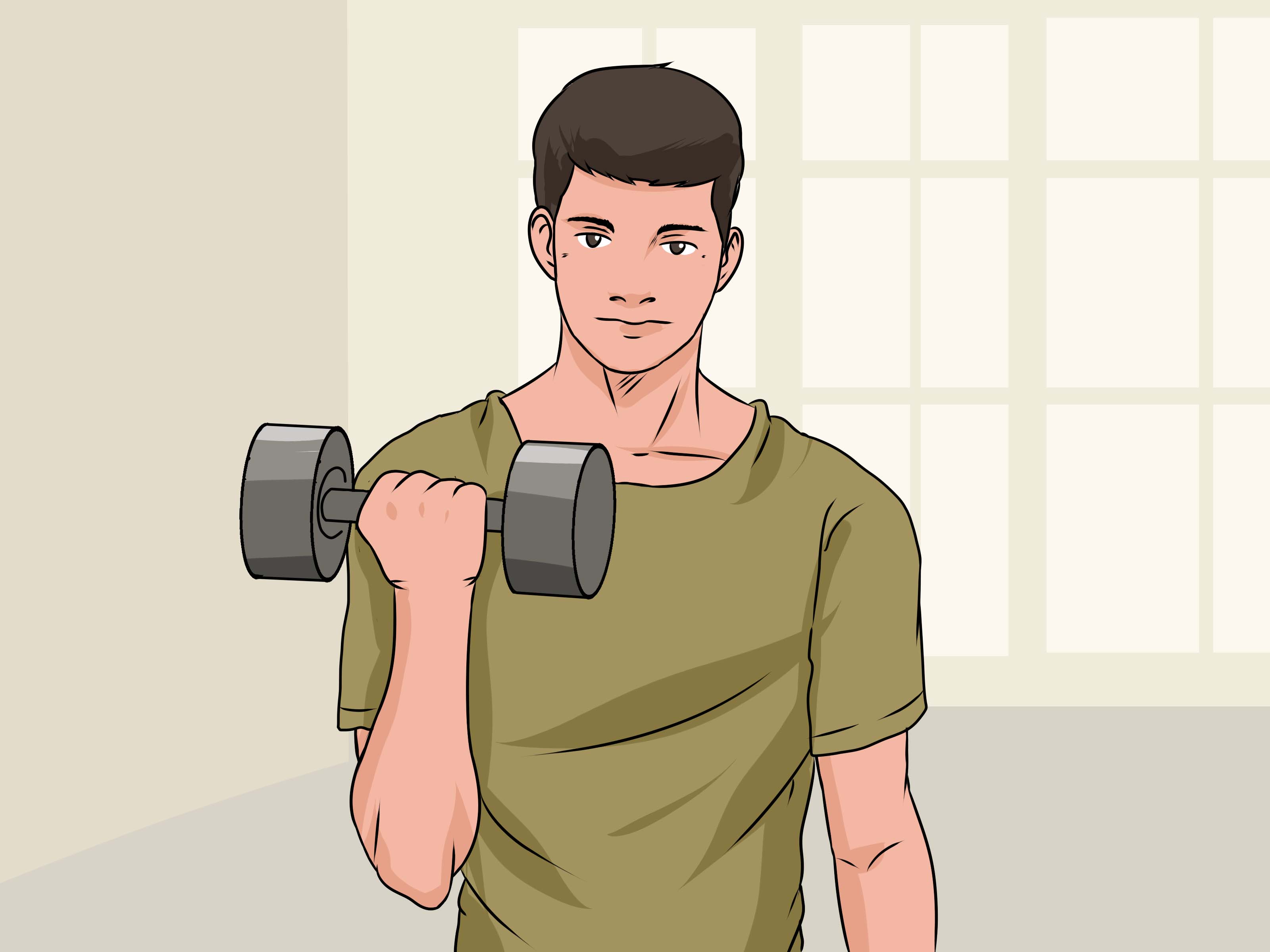
Exercise is healthy when it supports strength, mood, energy, and overall well-being. It becomes concerning when it is driven by punishment, fear, or compulsion. Warning signs include exercising despite injury or illness, becoming panicked when a workout is missed, exercising specifically to “burn off” food, or measuring self-worth by steps, miles, calories burned, or gym attendance.
Social Signs
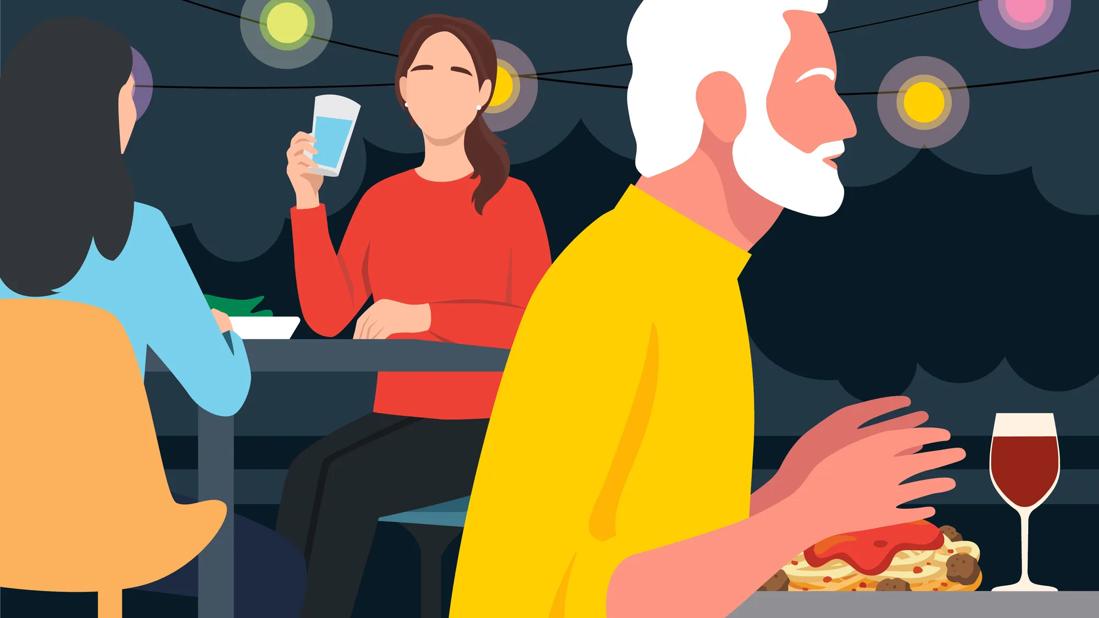
Disordered eating often shrinks a person’s world. Someone may avoid restaurants, parties, holidays, school lunches, dates, or family meals because food feels too stressful. They may withdraw from friends, become secretive, or lose interest in activities they once enjoyed. When life starts revolving around avoiding food situations, the problem is no longer just about food.
Physical Signs
Physical symptoms vary depending on the behavior. Possible signs include fatigue, dizziness, feeling cold often, digestive problems, irregular or missed periods, dental problems from vomiting, sleep issues, fainting, dry skin, hair thinning, muscle weakness, heart palpitations, or frequent injuries. However, it is important to say this clearly: a person can have serious disordered eating without looking underweight. Bodies do not come with warning labels, and weight is not a reliable measure of suffering.
What Causes Disordered Eating?
There is rarely one single cause. Disordered eating usually develops from a combination of biological, psychological, social, and environmental factors. In other words, it is less like flipping a light switch and more like a messy group project where genetics, stress, culture, personality, and life experiences all forgot to read the instructions.
Biology and Genetics
Some people may be more vulnerable because of inherited traits, brain chemistry, appetite regulation, anxiety sensitivity, or family history of eating disorders, mood disorders, or substance use problems. This does not mean someone is “destined” to struggle. It means their nervous system may be more reactive to dieting, stress, body criticism, or major life changes.
Psychological Factors
Perfectionism, low self-esteem, anxiety, depression, obsessive thinking, trauma, and difficulty managing emotions can all contribute. For some people, controlling food becomes a way to feel safe when life feels chaotic. For others, bingeing becomes a way to numb stress, loneliness, anger, or sadness. These behaviors may provide short-term relief, but over time they create a bigger cage.
Diet Culture and Social Pressure
Diet culture teaches people to treat bodies like unfinished renovation projects. It praises restriction, moralizes food, and sells the idea that thinness equals discipline, beauty, health, or success. Social media can intensify this pressure with filtered bodies, “what I eat in a day” videos, extreme fitness challenges, and wellness advice that sometimes has the scientific reliability of a fortune cookie.
Not all wellness habits are harmful, of course. Enjoying nutritious food, movement, and self-care can be wonderful. The problem begins when health becomes rigid, fearful, obsessive, or tied to personal worth.
Life Transitions and Stress
Disordered eating may appear during puberty, college, pregnancy, postpartum life, menopause, grief, divorce, athletic training, job stress, or any season when the body or life feels unfamiliar. Food and weight can become targets because they seem controllable, even when the real issue is emotional overload.
Sports, Performance, and Appearance Pressure
Athletes, dancers, performers, models, and people in appearance-focused or weight-sensitive environments may face higher risk. Pressure to be lighter, leaner, stronger, or more “disciplined” can push normal nutrition into dangerous territory. Coaches, trainers, and parents should be especially careful with comments about weight, body size, or “earning” food.
Disordered Eating vs. Healthy Eating: How to Tell the Difference
Healthy eating is flexible. It leaves room for culture, celebration, convenience, hunger, fullness, pleasure, and real life. Disordered eating is rigid. It creates fear, guilt, secrecy, or punishment.
For example, choosing vegetables because they taste good and help you feel energized is different from forcing yourself to eat only vegetables because carbs feel morally dangerous. Planning meals to support a busy week is different from panicking when a restaurant does not list calories. Enjoying exercise is different from running while sick because you feel guilty about dessert.
A helpful question is: “Is this behavior making my life bigger or smaller?” If food rules are improving energy, peace, and connection, they may be supportive. If they are increasing anxiety, isolation, shame, or obsession, it is time to look closer.
Health Risks of Ignoring Disordered Eating
Disordered eating can affect nearly every system in the body. Restriction can lead to nutrient deficiencies, hormonal changes, bone loss, heart problems, poor concentration, mood changes, and weakened immunity. Purging can damage teeth, the throat, the digestive system, and electrolyte balance. Binge eating can cause intense distress and may be linked with metabolic and digestive concerns. Compulsive exercise can increase injury risk and worsen exhaustion.
The mental health effects are just as important. Disordered eating can fuel anxiety, depression, obsessive thoughts, social isolation, and low self-worth. It can steal joy from birthdays, vacations, family dinners, and ordinary Tuesday lunches. Nobody should have to live with a spreadsheet in their head every time they eat a sandwich.
When to Seek Help
You do not need to wait until things are “bad enough.” In fact, early help is one of the best gifts you can give yourself or someone you care about. Seek support if food, weight, body image, or exercise is taking up too much mental space, causing distress, changing social behavior, affecting physical health, or leading to secrecy and shame.
Professional help is especially important if there is rapid weight change, fainting, chest pain, purging, laxative use, extreme restriction, suicidal thoughts, self-harm, or inability to eat enough. In urgent situations, contact emergency services or go to the nearest emergency department. For mental health crisis support in the United States, call or text 988.
What Treatment and Recovery Can Look Like
Recovery is not just about “eating normally.” It is about rebuilding trust with food, the body, emotions, and other people. Treatment often involves a team, which may include a physician, therapist, registered dietitian, psychiatrist, and family support. The right level of care depends on medical risk, symptom severity, support at home, and how much daily life is affected.
Medical Care
A medical provider can check vital signs, labs, heart health, digestive concerns, menstrual changes, bone health, and other complications. This is not about judging weight. It is about making sure the body is safe while the person works on recovery.
Therapy
Therapy can help identify the thoughts, emotions, and triggers behind disordered eating. Cognitive behavioral therapy is commonly used for bulimia, binge-eating disorder, and other eating concerns. Family-based treatment may be helpful for children and adolescents. Other approaches may address trauma, anxiety, depression, emotional regulation, or body image.
Nutrition Support
A registered dietitian with eating disorder experience can help a person normalize eating patterns, reduce fear foods, understand hunger and fullness cues, and rebuild flexible nutrition habits. Good nutrition care is not a lecture from the broccoli police. It is practical support for getting the body and brain adequately fed.
Medication
Medication does not “cure” disordered eating, but it may help with related conditions such as anxiety, depression, obsessive thoughts, bulimia symptoms, or binge-eating symptoms. Medication decisions should always be made with a qualified medical professional.
How to Help Someone With Disordered Eating
If you are worried about someone, approach them privately and kindly. Use observations rather than accusations. For example: “I’ve noticed you seem really stressed around meals, and I care about you. Do you want to talk?” That lands much better than, “You’re eating weird,” which is the conversational equivalent of stepping on a rake.
Avoid commenting on weight, body size, calories, or appearance. Even compliments like “You look healthy now” can be misheard through the eating disorder filter. Focus on feelings, behaviors, and support. Offer to help them find a therapist, talk to a doctor, attend an appointment, or sit with them during a difficult meal.
Also, be patient. Denial, fear, and defensiveness are common. Recovery can feel terrifying because the behaviors often served a purpose, even if they became harmful. Your job is not to fix everything in one heroic speech. Your job is to stay compassionate, steady, and honest.
Practical First Steps for Getting Help
If you think you may be struggling, start small but start somewhere. Write down what you are noticing: skipped meals, binge episodes, food fears, body checking, exercise pressure, guilt, secrecy, or physical symptoms. Then share that list with a trusted person or healthcare provider. It can be easier to hand over notes than to explain everything out loud while your nervous system is doing jazz hands.
Consider contacting a primary care doctor, licensed therapist, registered dietitian, school counselor, campus health center, or an eating disorder organization. Look for providers who specifically understand eating disorders, weight stigma, and trauma-informed care. If cost or access is a barrier, support groups, community clinics, nonprofit resources, and telehealth options may help you take the first step.
Everyday Recovery Skills That Can Help
Recovery skills are not a substitute for professional care, but they can support healing. Try building regular meals and snacks, reducing body checking, unfollowing triggering social media accounts, wearing comfortable clothes, practicing neutral body language, and noticing food rules without obeying them automatically.
It can also help to create a “bad body image day” plan. This might include wearing non-triggering clothing, limiting mirror checking, eating with a supportive person, avoiding comparison-heavy apps, and doing something that reminds you your body is an instrument, not an ornament. Your body lets you laugh, hug, think, dance badly in the kitchen, pet dogs, and carry groceries in one trip when you are feeling ambitious. It deserves care even on days you do not love how it looks.
Experience Section: Real-Life Examples and Lessons From Disordered Eating Recovery
Because disordered eating often hides in ordinary routines, it helps to look at what it can feel like in real life. These examples are not diagnoses. They are common experiences people describe when food and body image begin taking up too much space.
One person might start with a “healthy eating challenge” after a stressful semester. At first, it feels exciting. They cook more, exercise regularly, and enjoy the sense of structure. But slowly, the structure hardens. They stop eating meals they did not prepare themselves. They avoid birthday cake, then birthday parties. They feel proud when they ignore hunger and guilty when they eat something unplanned. What began as self-care has become self-surveillance. The lesson here is that healthy habits should still allow a person to live. If a food plan cannot survive a slice of cake, a road trip, or dinner at a friend’s house, it may not be as healthy as it looks.
Another person may struggle with binge eating after long days at work. They skip breakfast, power through lunch with coffee, and arrive home exhausted, lonely, and physically hungry. By evening, their body and brain are both shouting. They eat quickly and feel unable to stop, then feel ashamed and promise to restrict the next day. The cycle repeats. From the outside, people may assume the problem is “lack of discipline,” but the real pattern may involve under-eating, stress, emotional exhaustion, and shame. A helpful recovery step may be eating enough earlier in the day, naming emotions without judgment, and getting support for stress rather than trying to solve everything through willpower.
A teenager might become obsessed with gym progress videos and start believing that every meal must be optimized. Protein goals, step counts, and mirror checks become daily measurements of worth. They may not “look sick,” and adults may even praise their discipline. But inside, they feel anxious, trapped, and afraid of rest. This experience shows why compliments about body changes can be risky. Praise the person’s character, effort, humor, creativity, kindness, and courage instead. Bodies change; worth does not.
A parent may notice their child eating less, hiding in oversized clothes, avoiding family meals, or becoming angry when asked simple food questions. The parent might feel scared and tempted to lecture. A better first response is calm curiosity: “I’m not here to criticize you. I’m worried because you seem stressed around food, and I want to help.” Parents and caregivers do not need perfect words. They need consistency, warmth, and a willingness to bring in professional support early.
Many people in recovery say the hardest part is not simply eating more or stopping a behavior. It is tolerating the feelings that appear when the behavior is no longer available. Hunger, fullness, anxiety, sadness, anger, body changes, and uncertainty can all feel loud. Recovery asks a person to build new coping tools while the old ones are still whispering, “Come back, I know the routine.” That is why support matters. A therapist, dietitian, doctor, support group, or trusted loved one can help make the work less lonely.
Recovery is rarely a straight line. There may be slips, hard weeks, awkward meals, and moments when the old rules sound convincing again. That does not mean failure. It means the brain is relearning. Every time someone asks for help, eats a feared food, rests when tired, tells the truth, or refuses to punish their body, they are practicing freedom. And practice counts, even when it is messy.
Conclusion
Disordered eating is common, complex, and often hidden behind words like “discipline,” “wellness,” or “just trying to be healthy.” But when food rules create fear, shame, isolation, or physical harm, it is time to pay attention. The good news is that help exists, and recovery is possible. People can learn to eat with more flexibility, move with more kindness, and live with less mental noise around food and body image.
If you are worried about yourself, you do not have to prove you are sick enough to deserve support. If you are worried about someone else, you do not have to fix them perfectly to make a difference. Start with care. Start with honesty. Start before the problem becomes louder. A peaceful relationship with food may not happen overnight, but it can be rebuilt one supported step at a time.
Important note: This article is for educational purposes only and is not a substitute for medical diagnosis, therapy, nutrition counseling, or emergency care. If you or someone you know may be in immediate danger, call emergency services. In the United States, call or text 988 for mental health crisis support.