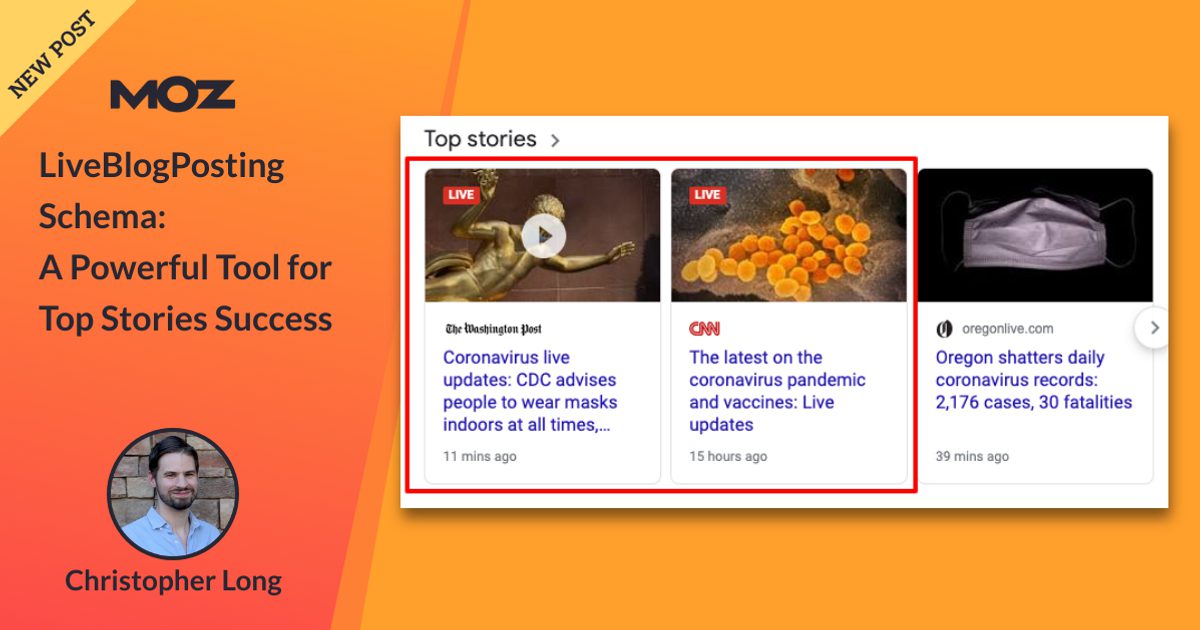
Breaking news does not wait politely. It kicks the door open, spills coffee on the keyboard, and demands updates every three minutes. That is exactly why LiveBlogPosting schema matters. When publishers cover elections, product launches, major trials, sports finals, or fast-moving emergencies, they are no longer publishing a neat, one-and-done article. They are running a living document. Search engines need help understanding that difference, and this is where structured data for live blogs earns its keep.
Now for the important reality check: LiveBlogPosting schema is not a magic VIP pass to Google Top Stories. It will not bulldoze weak reporting into a breaking-news carousel, and it will not turn a sleepy recap into a newsroom rock star overnight. But it can make your live coverage easier for search engines to interpret, easier to classify correctly, and easier to present with the right context. In SEO terms, that is a big deal. In newsroom terms, that is the difference between “Why are we invisible?” and “Okay, now we are in the conversation.”
This guide explains what LiveBlogPosting schema is, how it works, why it matters for Top Stories SEO, how it fits with Google News and Bing, what mistakes publishers keep making, and how to implement it without turning your CMS into a haunted house of broken JSON-LD.
What Is LiveBlogPosting Schema?
LiveBlogPosting is a Schema.org type designed for rolling textual coverage of an ongoing event. Think of it as a specialized form of article markup for pages that keep changing as new developments happen. Instead of describing a static news piece, it signals that the page is actively updated over time.
That distinction matters because a live blog behaves differently from a standard article. The headline may stay stable while the story evolves. The page may accumulate dozens of timestamped updates. Readers may come back repeatedly. Search engines, in turn, need clues that this page is not stale just because it was first published six hours ago. A live blog is more like a newsroom whiteboard with better grammar.
How It Fits Into the Schema Family Tree
Schema.org places LiveBlogPosting under BlogPosting, which sits within the broader article ecosystem. In practice, that means live blogs can still use many familiar article properties while also adding live-coverage-specific signals. The result is a cleaner semantic picture for crawlers: this is an article-like page, but it is also an ongoing stream of updates tied to a current event.
Key Properties That Matter
While implementations vary by publisher and CMS, the most useful properties usually include:
- headline the main title of the live coverage page
- datePublished when the live page first went live
- dateModified when the page was most recently updated
- author the journalist or organization responsible for the coverage
- image the representative image for the live blog
- coverageStartTime when the live coverage begins
- coverageEndTime when the live coverage ends, if applicable
- liveBlogUpdate individual updates within the live blog
In other words, a strong setup tells search engines: who wrote it, what it covers, when it started, when it changed, and what individual updates were added along the way. That is not glamorous, but SEO rarely is. Good SEO is often just organized honesty wearing a technical hat.
Does LiveBlogPosting Schema Help You Reach Top Stories?
Here is the nuanced answer: yes, but indirectly. Google has made it clear that structured data is not a hard requirement for Top Stories eligibility. A page can appear in Top Stories without article markup. Also, schema is not a direct ranking factor. So if anyone tells you that adding LiveBlogPosting instantly unlocks the carousel like a cheat code from a 1998 video game, step away slowly.
What structured data does do is help search systems understand the content on the page more precisely. That can improve eligibility for rich treatment, support better interpretation of authorship and dates, and reduce ambiguity around the page’s purpose. For breaking news SEO, that clarity matters. When many publishers are covering the same event at the same time, removing confusion is not a small win. It is often the whole game.
Top Stories success usually comes from a combination of factors:
- fast, crawlable publishing
- original reporting or strong aggregation value
- clear headlines and visible timestamps
- author transparency
- reliable mobile experience
- fresh updates
- accurate article and live blog markup
- news sitemap support
So yes, LiveBlogPosting schema helps. It just helps as part of a broader publishing system. It is a powerful wrench, not the entire toolbox.
Why Live Blogs Need Different SEO Treatment
A normal article is built for completion. A live blog is built for motion. That difference changes how people interact with it and how search engines evaluate it.
1. Freshness Is the Product
With a live blog, readers care less about a perfect beginning-middle-end structure and more about what changed five seconds ago. Search engines notice this too. Signals like dateModified, ongoing visible updates, and organized update blocks help indicate that the page is still relevant.
2. Context Needs to Stay Intact
The best live blogs are not chaotic timestamp dumps. They maintain context, summarize developments, and help new readers catch up fast. That also supports SEO because the page remains useful to both humans and machines. Search engines prefer pages where the markup matches meaningful visible content, not pages where the code screams “breaking news” while the body whispers “we gave up at lunch.”
3. Entities Change Fast
Live blogs often mention many entities in quick succession: candidates, teams, executives, cities, products, agencies, and timelines. Structured data does not solve every entity problem, but it gives search engines a better framework for interpreting the page as event-based coverage rather than a generic blog post.
How to Implement LiveBlogPosting Schema the Smart Way
The safest approach is usually JSON-LD. It is the format most SEO teams prefer because it is easier to generate, easier to maintain, and less likely to break visible page elements than inline microdata.
Here is a simplified example of what a live blog markup pattern can look like:
This is not a copy-and-paste universal solution, because every CMS has its own quirks and every newsroom has its own workflow drama. But it shows the core idea: the page is the live blog, and the updates are individual structured elements inside it.
Implementation Tips That Save Headaches
- Render the schema in the HTML source whenever possible. For live news, server-rendered markup is more dependable than late client-side injection.
- Keep visible timestamps aligned with structured timestamps. If your page says one thing and your JSON-LD says another, trust evaporates quickly.
- Update dateModified every time the page materially changes. Do not fake freshness. Search engines and readers both hate that.
- Use real author data. Include a person or organization that actually matches the page.
- Make images crawlable and relevant. Random decorative images do not help and can muddy the signal.
- Validate before and after launch. A single missing comma can turn your beautiful markup into digital soup.
Common Mistakes That Hurt Live Blog SEO
Calling Everything a Live Blog
Not every article with two edits deserves LiveBlogPosting markup. If the page is really a standard news article that got updated a couple of times, use regular article markup. Overusing specialized schema makes your site look sloppy and may reduce trust in your implementation overall.
Using Markup That Does Not Match Visible Content
If your structured data lists multiple live updates but the reader cannot actually see them on the page, that is a problem. Search engines want the markup to reflect the visible experience. Think mirror, not fan fiction.
Forgetting the Basics
Some publishers obsess over schema while ignoring headlines, crawlability, canonical tags, internal linking, or newsroom latency. That is like polishing the hood ornament while the engine is on fire.
Ignoring Article-Level Signals
LiveBlogPosting should not replace good article schema markup strategy. Publishers still need strong headline formatting, clear bylines, accurate dates, images, and dependable page architecture. Live blog markup works best when it rides on top of solid article SEO fundamentals.
LiveBlogPosting and Google News: Best-Practice Workflow
If you want a live coverage page to perform well in Google News and potentially surface in Top Stories, your workflow should look something like this:
- Create the live page early, before the event peaks.
- Publish a clear headline that matches search intent.
- Add visible timestamps and update blocks.
- Use structured data that accurately describes the page.
- Include author and publisher information.
- Update the news sitemap with the URL while it is fresh.
- Refresh the page with meaningful reporting, not filler.
- Test the page in structured data tools and inspect it in search tools.
This workflow matters because speed alone is not enough. Search engines also want consistency. A newsroom that publishes fast and cleanly has a major advantage over one that publishes fast but leaves behind a trail of broken metadata and existential regret.
What About Bing and Other Search Platforms?
Google gets most of the attention in conversations about news schema markup, but Bing also supports structured data and benefits from clear semantic markup. That means a well-implemented live blog setup is not just a Google play. It is good publishing hygiene across search ecosystems.
That broader value matters even more now because structured data no longer lives only in the rich-result conversation. It also supports content understanding across emerging discovery surfaces, search enhancements, and AI-assisted interfaces. No, schema alone will not make every machine in the universe adore your content. But it does make your pages easier to interpret, and that is a smart long-term bet.
Specific Examples Where LiveBlogPosting Makes Sense
Election Coverage
Few formats are more naturally suited to live blogs than election night. Results roll in by district, projections change, concession speeches happen, and readers refresh like they are trying to win a prize. LiveBlogPosting helps frame the page as ongoing coverage rather than a single frozen article.
Sports Transfer Deadlines and Finals
When a sports page updates every few minutes with trades, injuries, scores, or late drama, live blog markup can support the page’s identity as real-time event coverage.
Major Product Launches
Tech publishers covering keynote announcements, device reveals, or software events often use live blogs because the event unfolds in stages. Markup helps preserve that event-driven structure.
Legal Decisions and Crisis Reporting
Court rulings, policy announcements, and weather emergencies often create intense bursts of reader demand. In these cases, freshness, clarity, and update organization are critical. LiveBlogPosting supports all three when used correctly.
Experience Notes: What Teams Learn After Actually Using LiveBlogPosting
Here is the part people usually skip in technical articles: the human messiness. In theory, implementing LiveBlogPosting schema sounds simple. Add some JSON-LD, validate it, and move on with your day. In reality, live publishing exposes every weak spot in a newsroom’s workflow. It is less like installing a plugin and more like discovering who in the organization still names files “final_v2_REAL_final_USETHIS.”
The first lesson teams learn is that timing beats perfection, but only if your foundation is stable. Many publishers build the live page too late, after search demand already explodes. By the time the page is polished, the audience has already swarmed competitors. The smarter approach is to prepare the live page early, even if the first version is lightweight. Then the newsroom can update the content as the event unfolds without scrambling to create the technical structure under pressure.
The second lesson is that editorial and technical teams have to speak the same language. Editors think in headlines, urgency, and readability. SEO teams think in crawlability, timestamps, schema validation, and canonical consistency. Developers think in deployment windows and whether the CMS is about to burst into flames. Live blog success usually happens when those groups align before the event, not during the fourth breaking update when everyone is already one coffee away from spiritual collapse.
A third common experience is that small details become embarrassingly important. An outdated byline URL, a missing dateModified value, a hero image blocked from crawling, or a live update hidden behind delayed JavaScript can quietly weaken performance. None of those issues sound dramatic in a planning meeting. During a major story, they suddenly matter a lot. Live coverage is unforgiving because there is no leisurely cleanup window. The page is being judged while it is still in motion.
Another pattern shows up in analytics: the best-performing live blogs usually balance speed with summary. Readers do not just want a river of timestamps. They want orientation. The strongest pages often include a concise recap near the top, clear jump links, labeled updates, and occasional context paragraphs that explain why a development matters. That structure helps users, but it also helps search engines understand the page as a coherent resource instead of a pile of isolated fragments.
Finally, teams learn that schema is most powerful when it reflects reality, not ambition. Publishers sometimes try to “optimize” by exaggerating freshness, overusing live markup, or stuffing structured data with details that do not match the page. That usually backfires. The live blogs that hold up best over time are the honest ones: clear timestamps, real updates, visible authors, relevant images, fast delivery, and markup that mirrors the actual page. Not flashy. Not magical. Just reliable. And in live news SEO, reliable often wins.
Final Takeaway
LiveBlogPosting schema is one of the most useful structured data tools available to publishers covering fast-moving events. It helps search engines understand that a page is a rolling stream of reporting, not a static article gathering dust. It can support better interpretation of freshness, authorship, and update structure. It can strengthen your Top Stories SEO strategy. And it fits naturally into modern publishing systems that care about Google News, Bing visibility, and broader search discoverability.
But the real secret is not the schema itself. The secret is using it as part of a disciplined workflow: clean HTML, visible updates, accurate dates, strong editorial judgment, news sitemap support, and validation before the page hits peak traffic. Do that, and LiveBlogPosting becomes more than a technical extra. It becomes a competitive advantage.
In short, it is a powerful tool. Just do not ask it to rescue bad reporting, broken templates, or newsroom chaos wearing a fake mustache.