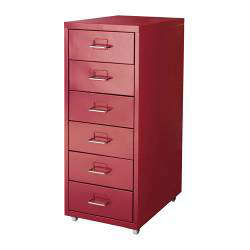
The Helmer Drawer Unit on Casters is one of those small storage pieces that looks quiet, polite, and completely harmlessuntil you realize it has somehow swallowed your office supplies, craft tools, cables, receipts, stickers, notebooks, and that mysterious Allen wrench you swore you lost in 2021. Compact, mobile, and made with a simple metal design, the IKEA HELMER has become a favorite for home offices, dorm rooms, craft corners, studios, and any room where “organized chaos” has officially stopped being cute.
At first glance, HELMER is a slim rolling drawer cabinet. But its real charm is flexibility. It can slide under a desk, sit beside a printer, hold letter-size papers, organize creative supplies, or serve as a mini command center for everyday clutter. It is not trying to be a luxury executive file cabinet with a leather chair and dramatic city view. It is the practical friend who shows up with labels, wheels, and just enough storage to save your desk from becoming a paper avalanche.
What Is the Helmer Drawer Unit on Casters?
The HELMER drawer unit is a compact metal storage cabinet designed by IKEA of Sweden. The current U.S. version is listed as a drawer unit on casters that fits under most IKEA desks, with a steel frame, epoxy/polyester powder-coated finish, label slots, drawer stops, and included wheels. Its size makes it especially useful in small work zones where a full-size cabinet would feel like inviting a refrigerator to sit next to your chair.
Current HELMER listings show a compact footprint of approximately 11 inches wide, 17 3/8 inches deep, and 25 5/8 inches high, with inside drawer space around 8 5/8 inches wide and 14 5/8 inches deep. IKEA also notes that the drawer holds letter-size papers, which makes it practical for everyday documents, worksheets, forms, manuals, and notebooks. Older HELMER versions may have different dimensions, so shoppers should always check the exact listing before buying.
Why the Helmer Drawer Unit Became a Small-Space Favorite
1. It Fits Where Bigger Cabinets Fear to Roll
Small rooms demand furniture with manners. The Helmer Drawer Unit on Casters has a narrow shape that works well beside a desk, under a tabletop, next to a craft station, or in a closet. It offers vertical storage without taking over the floor. That matters in apartments, bedrooms, dorms, home offices, and creative spaces where every inch has a job and no corner gets to retire early.
2. The Casters Make Storage More Flexible
The wheels are a major part of HELMER’s usefulness. A rolling drawer unit can move when your setup changes, when you need to vacuum, or when you suddenly decide your desk should face the window because “natural light improves productivity.” Whether that claim is science or just an excuse to rearrange furniture at 11 p.m., HELMER goes along with it.
3. The Label Slots Are Small but Mighty
Each drawer includes a slot for labeling. That detail sounds tiny, but labels can rescue a storage system from becoming a metal mystery box. Instead of opening five drawers to find tape, you can label sections such as “Paper,” “Cables,” “Pens,” “Tools,” “Receipts,” or “Craft ChaosProceed Carefully.” Labels make HELMER especially useful for shared spaces, kids’ homework stations, studios, and anyone whose memory becomes suspiciously vague when looking for scissors.
Key Features and Practical Specs
HELMER is not complicated, and that is part of its appeal. It is made primarily from powder-coated steel, giving it a clean industrial look that fits modern, minimalist, office, and craft-room interiors. The finish is easy to wipe down with a damp cloth and mild cleaner, which is helpful because storage cabinets somehow attract dust like they have tiny magnets inside.
- Material: Steel with epoxy/polyester powder coating.
- Mobility: Included casters help the unit move around the workspace.
- Organization: Label slots on drawers support quick identification.
- Paper storage: Drawers are suitable for letter-size papers.
- Safety detail: Drawer stops help prevent drawers from pulling out too far.
- Care: Wipe clean with a damp cloth and mild cleaner, then dry with a clean cloth.
- Maintenance: Re-tightening screws after assembly improves stability.
One important point: HELMER is best for light to moderate storage. IKEA lists a maximum drawer load that is modest, so this is not the cabinet for bricks, dumbbells, or a secret collection of medieval door hinges. It works best for paper, stationery, accessories, lightweight tools, cords, sewing supplies, art materials, patterns, and smaller household items.
Best Uses for the Helmer Drawer Unit on Casters
Home Office Storage
For a home office, HELMER can hold printer paper, envelopes, pens, sticky notes, notebooks, chargers, receipts, and small tech accessories. Because the drawer unit can roll under a desk, it keeps essentials nearby without turning your desktop into a supply warehouse. A smart setup might include one drawer for active documents, one for writing tools, one for charging cables, one for reference papers, and one for miscellaneous items that are not miscellaneous enough to live on the floor.
Craft and Hobby Supplies
Craft rooms and hobby corners are where HELMER really earns applause. Paintbrushes, thread, vinyl scraps, washi tape, beads, small tools, stencils, patterns, and glue sticks can each have their own drawer. The shallow drawer style helps prevent items from being buried too deeply. That means fewer dramatic archaeological digs every time you need one specific marker.
Student Desk Organization
Students can use HELMER for notebooks, folders, flashcards, art supplies, calculator accessories, project materials, and extra paper. It is compact enough for bedrooms and study corners, and the casters make it easy to move around during cleaning or room rearranging. For students who share a room, labeled drawers can create a clear personal zone without requiring a huge desk setup.
Tech, Gaming, and Cable Control
HELMER is also useful for game controllers, charging cords, adapters, small electronics, manuals, batteries, and desk accessories. Add small bins or cable ties inside the drawers and the unit becomes a tidy tech station. Without organizers, cables tend to form a wild little nest. With organizers, they at least pretend to behave.
Beauty, Sewing, and Creative Collections
Many people use compact metal drawer units like HELMER for cosmetics, sewing supplies, nail polish, embroidery floss, patterns, or small collections. The key is to respect the drawer load limits and use dividers so bottles, spools, and small containers do not slide around every time the drawer opens.
What to Know Before Buying
Assembly Can Be Fiddly
HELMER has a reputation for being useful once assembled, but assembly may require patience. Thin metal panels need to align correctly, drawer rails should be seated firmly, and screws should be tightened carefully. This is not necessarily difficult, but it is the kind of project where rushing can turn one drawer into a tiny metal argument.
A good approach is to lay out all parts first, follow the instructions in order, avoid forcing panels, and make sure the drawer components are properly snapped or secured before turning the unit upright. After a couple of weeks, re-tighten the screws for better stability. That small maintenance step can make the unit feel more dependable over time.
It Is Not a Heavy-Duty Filing Cabinet
Although HELMER can hold letter-size papers, it should not be confused with a heavy-duty office filing cabinet. A traditional filing cabinet often has deeper drawers, stronger file rails, locks, and higher weight capacity. HELMER is better for everyday light storage than serious document archiving. If you need to store years of tax records, legal paperwork, or heavy files, a dedicated file cabinet may be the wiser choice.
Measure Your Desk Clearance
Before buying, measure the height, depth, and width of the space where HELMER will go. Do not trust your eyes alone. Eyes are optimistic. Tape measures are honest. Check desk clearance, chair movement, baseboards, wall outlets, and nearby furniture. A rolling cabinet is only convenient if it can actually roll without bumping into everything like a tiny office bumper car.
How to Organize a Helmer Drawer Unit Like a Pro
Start by assigning each drawer a clear purpose. The top drawer should hold items you use daily, such as pens, sticky notes, earbuds, or your most-used tools. Middle drawers can handle category-based storage, such as paper, craft materials, tech accessories, or hobby supplies. Bottom drawers are best for items you use less often, especially if they are slightly bulkier.
Use small containers, drawer trays, zip pouches, or dividers to prevent clutter from spreading. HELMER’s drawers are useful, but they are not magical. If you toss everything in randomly, the cabinet will organize nothing; it will simply hide the mess with confidence. Labels help maintain the system, especially if multiple people use the same space.
Helmer vs. ALEX vs. Traditional File Cabinets
The IKEA ALEX drawer unit is often compared with HELMER because both are popular desk storage options. ALEX generally feels more furniture-like and offers a different drawer experience, while HELMER is more compact, metallic, and lightweight. HELMER wins when you need a slim, mobile, budget-friendly unit for smaller supplies. ALEX may be better when you want a sturdier desk-side cabinet with a more finished look.
Compared with traditional file cabinets, HELMER is more casual and flexible. It is easier to move and better suited for mixed supplies, but it does not offer the same heavy-duty file storage, locking security, or deep drawer capacity. Think of HELMER as a rolling organizer, not a corporate archive vault. It is the difference between “I need a place for my notebooks and craft supplies” and “I need to preserve 400 client folders until the sun burns out.”
Design and Styling Ideas
HELMER’s simple metal look works well in modern, Scandinavian, industrial, and minimalist rooms. White feels clean and blends easily with light desks and walls. Black can look sharper in gaming setups, darker offices, or rooms with metal accents. Because the cabinet is visually simple, it also accepts personalization well.
You can add custom labels, magnetic decorations, removable vinyl, or drawer liners. A small plant, printer, tray, or lamp can sit nearby, but be mindful of the unit’s load capacity and stability. For a polished look, match the label style to the room: clean black-and-white labels for a minimalist office, colorful labels for a craft room, or handwritten labels if you like your storage to say, “Yes, I own a label maker, but my personality is stronger.”
Maintenance Tips for Long-Term Use
To keep HELMER working well, avoid overloading the drawers, clean the surface regularly, and check the screws occasionally. If the unit starts to feel wobbly, re-tighten hardware and confirm that the casters are properly attached. Keep liquids away from the drawers when possible, and use trays for items that could leak, spill, or stain.
If you store small items, consider lining the drawers with thin mats or paper liners. This reduces rattling and helps protect the finish. For cables or tools, small bins are especially helpful because they prevent metal-on-metal noise. A quiet drawer is a peaceful drawer, and a peaceful drawer is one step closer to a peaceful desk.
Real-Life Experience: Living With a Helmer Drawer Unit on Casters
Using a Helmer Drawer Unit on Casters feels a little like giving your desk a personal assistantone that never talks back, never asks for coffee, and occasionally squeaks if you overload it. The first thing most people notice is how quickly it changes the mood of a workspace. Before HELMER, small supplies often live in piles: pens in a mug, receipts under the keyboard, cables in a drawer that looks like electronic spaghetti, and notebooks stacked so high they begin developing real estate value. After HELMER, those same items can be separated into drawers that actually make sense.
In a typical home office setup, the top drawer becomes the everyday zone. This is where pens, sticky notes, highlighters, earbuds, small notebooks, and USB drives belong. It is the drawer you open ten times a day, so it should not contain rare items or sentimental objects from 2016. The second drawer can hold paper goods: envelopes, labels, printer paper, index cards, and folders. The third drawer might become the tech drawer, with chargers, adapters, cable ties, and backup batteries. The fourth drawer can store documents that need attention soon, while the bottom drawer can hold items used less often.
The casters make the unit feel more useful than a fixed cabinet. You can pull it closer during a project, roll it away when cleaning, or move it to another room when your workspace changes. This is especially helpful in apartments and shared homes, where one table may serve as an office, craft station, homework desk, and snack headquarters within the same afternoon. HELMER adapts without demanding a dramatic furniture reshuffle.
The experience is not perfect, though. Assembly requires care, and the metal construction can feel less refined than heavier furniture. If the drawers are overloaded, they may not glide as nicely. If small items are tossed in without dividers, the drawers can become clutter caves. The solution is simple: use small trays, keep categories clear, and do not treat the unit like a storage locker for everything you do not want to think about.
For creative users, HELMER is especially satisfying. A drawer for paintbrushes, another for thread, another for paper scraps, another for tools, and another for current projects can turn a messy hobby corner into a workable studio. For students, it becomes a compact study station. For remote workers, it keeps office essentials close without making the desk look like a stationery store exploded. The best part is psychological: when supplies have a home, starting a task feels easier. You spend less time searching and more time actually doing the thing. Revolutionary? Maybe not. Quietly life-improving? Absolutely.
Final Verdict: Is the Helmer Drawer Unit on Casters Worth It?
The Helmer Drawer Unit on Casters is worth considering if you need compact, mobile, affordable storage for light office supplies, creative materials, student essentials, or everyday household items. Its biggest strengths are its slim footprint, wheels, label slots, and flexible drawer layout. It is especially useful for small spaces where every item needs a designated home but nobody wants to buy a giant cabinet that looks like it escaped from an accounting department.
It is not the best choice for heavy files, high-security documents, or anyone who wants premium drawer movement and thick furniture panels. But for practical organization, it delivers a lot of function in a small package. Treat it kindly, assemble it carefully, label it clearly, and it can become one of the hardest-working pieces in your workspace.