Jaw pain has a special talent for ruining normal things. A sandwich suddenly feels like a gym workout. A yawn becomes a risky adventure. Even laughing too hard can make your jaw announce, “I was not consulted.” If this sounds familiar, you may be dealing with a temporomandibular disorder, often called a TMJ disorder or TMD.
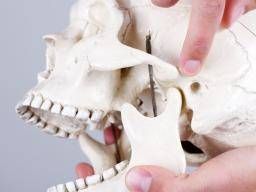
The temporomandibular joints are the two small but mighty joints located in front of your ears. They connect your lower jaw to your skull and help you talk, chew, yawn, smile, and occasionally express disbelief at your grocery bill. When the joints, chewing muscles, ligaments, or surrounding tissues become irritated or strained, the result can be pain, stiffness, clicking, locking, headaches, ear symptoms, and difficulty opening the mouth comfortably.
TMJ disorders are not one single condition. They are a group of problems that can affect the jaw joint, the muscles that control jaw movement, or both. The good news is that many cases improve with conservative, reversible care: soft foods, heat or cold therapy, gentle jaw exercises, stress management, posture changes, medication when appropriate, and dental or medical guidance. The less-good news? The jaw is a complicated hinge-and-slide system, so symptoms can be confusing. This guide breaks down the causes, symptoms, diagnosis, and practical relief options in plain English.
What Are TMJ Disorders?
“TMJ” technically refers to the temporomandibular joint itself. “TMD” refers to temporomandibular disorders, the conditions that affect the joint and related muscles. In everyday conversation, people often say “I have TMJ,” but medically speaking, everyone has TMJs. You have two of them, one on each side of the jaw. The problem is when those joints or nearby muscles become painful or stop moving smoothly.
The temporomandibular joint works like a sliding hinge. It allows the jaw to move up and down, forward and back, and side to side. That is impressive engineering for a body part most people ignore until it starts clicking like a tiny door hinge in a haunted house.
Main Types of TMJ Disorders
TMJ disorders generally fall into three broad categories:
- Muscle-related TMD: Pain or tightness in the chewing muscles, often linked to clenching, grinding, stress, or overuse.
- Joint-related TMD: Problems inside the joint, such as inflammation, arthritis, disc displacement, or injury.
- Headache associated with TMD: Headaches that are connected to jaw muscle tension or joint dysfunction.
Many people have a mixture of these patterns. For example, someone may clench their teeth during stressful workdays, develop sore jaw muscles, and then notice headaches near the temples. Another person may have arthritis in the jaw joint and feel grinding, stiffness, or limited movement.
Common Causes of TMJ Disorders
TMJ disorders can be frustrating because there is not always one obvious cause. Sometimes symptoms begin after an injury. Sometimes they build slowly from habits. Sometimes they appear during a stressful season of life, as if the jaw decided to keep a diary and write it in pain signals.
1. Teeth Grinding and Jaw Clenching
Bruxism, or teeth grinding, can happen during sleep or while awake. Many people also clench without realizing it, especially while concentrating, driving, working at a computer, lifting weights, or trying not to reply to an annoying email. Constant pressure can fatigue the jaw muscles, irritate the joint, and contribute to tooth sensitivity, headaches, and facial soreness.
2. Stress and Muscle Tension
Stress does not “live” only in the mind. It often moves into the body: shoulders creep upward, the neck tightens, and the jaw clamps shut like it is guarding a secret. Emotional stress can increase clenching, grinding, and muscle tension, which may worsen TMD symptoms.
3. Jaw Injury or Trauma
A blow to the jaw, whiplash, sports injury, fall, or dental trauma can affect the temporomandibular joint. Even if the injury seems minor at first, inflammation or changes in movement may appear later.
4. Arthritis
Osteoarthritis, rheumatoid arthritis, and other inflammatory joint conditions can affect the TMJ. Arthritis may cause joint pain, stiffness, swelling, grinding sensations, or reduced range of motion.
5. Bite Changes or Dental Problems
Changes in how the upper and lower teeth fit together may contribute to jaw discomfort in some people. However, TMD is complex, and bite alignment is only one possible factor. Because of that complexity, irreversible dental changes should not be rushed into without a careful diagnosis.
6. Poor Posture
The jaw does not work alone. It is connected to the head, neck, shoulders, and upper back through muscles and posture patterns. Forward-head posture, long hours at a laptop, and phone scrolling can increase strain around the neck and jaw. Your jaw may not care about your screen time goals, but it definitely notices your posture.
7. Habits That Overload the Jaw
Chewing gum for hours, biting nails, chewing ice, holding objects between the teeth, taking giant bites, or using teeth as tools can irritate the jaw joint and muscles. Teeth are excellent for chewing food. They are not bottle openers, package cutters, or stress balls.
Symptoms of TMJ Disorders
TMJ disorder symptoms can be mild and occasional or persistent and disruptive. They may affect one side or both sides of the face. Some people feel mostly muscle pain; others notice joint noises or limited movement.
Jaw and Facial Symptoms
- Jaw pain or tenderness
- Face pain, especially around the cheeks or temples
- Difficulty chewing
- Pain while biting, yawning, or opening wide
- Jaw stiffness, especially in the morning
- Limited mouth opening
- Jaw locking open or closed
- Clicking, popping, or grating sounds
Jaw noises are common and do not always mean something is wrong. A painless click that does not limit movement may not need treatment. Painful clicking, locking, swelling, or worsening function deserves attention.
Head, Ear, Neck, and Shoulder Symptoms
TMD can also create symptoms beyond the jaw, including:
- Headaches or migraine-like pain
- Earaches without an ear infection
- Ringing in the ears
- Dizziness in some cases
- Neck pain
- Shoulder tightness
- Tooth pain that is not caused by decay
This overlap is one reason TMJ disorders can be tricky. Jaw pain may feel like an ear problem, sinus pressure, dental pain, or a tension headache. A proper evaluation helps separate TMD from other conditions that need different treatment.
How TMJ Disorders Are Diagnosed
Diagnosis usually begins with a medical or dental history and a physical exam. A healthcare provider, dentist, oral surgeon, or orofacial pain specialist may ask when symptoms started, what makes them better or worse, whether you grind your teeth, whether your jaw locks, and whether you have headaches, neck pain, or recent stress.
During the exam, the provider may check jaw movement, listen or feel for clicking, press on jaw muscles, examine the bite, look for tooth wear, and evaluate the head and neck. Imaging is not always needed, especially for straightforward mild cases. However, X-rays, panoramic dental imaging, cone-beam CT, CT scans, ultrasound, or MRI may be recommended when the diagnosis is unclear, symptoms are severe, conservative care fails, arthritis is suspected, or a structural joint problem needs closer evaluation.
Relief for TMJ Disorders: What Helps?
Most treatment plans start conservatively. That means using approaches that are reversible, low-risk, and focused on calming the joint and muscles. Think of it as convincing your jaw to stop acting like it is auditioning for a drama series.
1. Rest the Jaw Without Immobilizing It
Jaw rest means reducing strain, not freezing the jaw in place. Avoid wide yawning, hard chewing, gum, chewy candy, tough meats, crusty bread, and giant sandwiches that require snake-level jaw expansion. Choose softer foods during flare-ups, such as scrambled eggs, soups, smoothies, yogurt, fish, pasta, oatmeal, rice bowls, and cooked vegetables.
2. Use Heat or Cold Therapy
Warm, moist heat may relax tight muscles and improve comfort during chronic dull pain. Cold packs may help acute inflammation or sharper pain. Many people do well with 15 to 20 minutes at a time, using a towel barrier to protect the skin. Heat and cold are simple, but simple is not the same as useless. Sometimes the jaw appreciates basic kindness.
3. Practice Gentle Jaw Exercises
Jaw exercises may help improve movement, reduce stiffness, and retrain muscles. These should be gentle, not heroic. A dentist, physical therapist, or clinician can recommend exercises based on your condition. If an exercise increases pain, stop and ask for guidance. The goal is relief, not winning a jaw Olympics nobody asked for.
4. Reduce Clenching and Grinding
Awareness is powerful. Try the resting jaw position: lips together, teeth apart, tongue relaxed against the roof of the mouth. Set reminders during the day to check whether your teeth are touching. They should not be glued together all day like they signed a contract.
If nighttime grinding is suspected, a dentist may recommend a night guard or oral splint. These devices do not cure every TMJ disorder, but they may protect teeth and reduce strain for some people.
5. Improve Posture
Screen posture matters. Keep your monitor at eye level, relax your shoulders, avoid jutting your chin forward, and take movement breaks. A physical therapist may address neck, shoulder, and upper-back mechanics that contribute to jaw strain.
6. Manage Stress
Stress management does not mean pretending life is calm when your inbox looks like a digital thunderstorm. It means giving your nervous system tools. Deep breathing, meditation, progressive muscle relaxation, counseling, biofeedback, regular exercise, and better sleep routines can reduce jaw tension and improve pain coping.
7. Consider Medication When Appropriate
Over-the-counter pain relievers, such as NSAIDs or acetaminophen, may help some people. A clinician may prescribe muscle relaxants, anti-inflammatory medicines, or other medications for short-term or chronic pain management depending on the situation. Always follow medical guidance, especially if you have stomach, kidney, liver, heart, bleeding, pregnancy, or medication-interaction concerns.
8. Try Physical Therapy
Physical therapy may include jaw exercises, soft-tissue techniques, posture training, neck mobility work, strengthening, relaxation training, and education about habits. For many people, learning how the jaw, neck, and shoulders work together is the missing puzzle piece.
9. Be Careful With Invasive Treatments
Because many TMJ disorders improve without aggressive care, experts often recommend avoiding irreversible treatments unless clearly necessary. Procedures that permanently change the bite, teeth, or jaw should be considered cautiously. Surgery is usually reserved for specific structural problems or severe cases that do not respond to conservative therapy.
When to See a Doctor or Dentist
Make an appointment if jaw pain lasts more than a couple of weeks, interferes with eating or speaking, keeps returning, or is getting worse. You should also seek care if your jaw locks, you cannot open or close your mouth normally, you have swelling, fever, trauma, unexplained tooth pain, numbness, weakness, or severe headaches.
If symptoms feel like chest pain, shortness of breath, sudden neurological changes, or severe infection, seek urgent medical care. Not every ache near the jaw is TMD, and safety gets the front-row seat.
Prevention Tips for Everyday Jaw Health
You cannot prevent every TMJ disorder, but you can reduce unnecessary strain. Keep your teeth slightly apart when resting. Avoid gum chewing if it triggers pain. Cut food into smaller pieces. Do not chew ice or pens. Use tools instead of teeth. Support your posture. Take breaks from screens. Wear a mouthguard for contact sports. If you grind your teeth, ask your dentist about options.
Also, pay attention to patterns. Does your jaw flare after stressful meetings? Long drives? Poor sleep? Crunchy snacks? Dental work? Weightlifting? Singing? Once you identify triggers, you can adjust your routine instead of guessing.
Real-Life Experiences With TMJ Disorders: What People Often Notice
Many people first discover TMJ trouble in a very ordinary moment. One person may wake up with a sore jaw and think they slept strangely. Another may bite into a bagel and feel a sharp twinge near the ear. Someone else may hear a loud pop while yawning and spend the next five minutes wondering whether their face has just made a business decision without them.
A common experience is the “morning jaw.” The person wakes with tight cheeks, temple pressure, and teeth that feel slightly tender. They may not remember grinding at night, but their jaw muscles certainly do. The discomfort often improves during the day, then returns after another stressful night. In this situation, a dentist may notice tooth wear or recommend a night guard, while a clinician may suggest stress reduction, sleep evaluation, or jaw relaxation techniques.
Another common pattern is the desk-work flare. After hours at a computer, the head drifts forward, shoulders round, and the jaw quietly clenches. By late afternoon, chewing feels tiring and a dull headache settles near the temples. People with this pattern often benefit from posture changes, screen-height adjustments, scheduled stretch breaks, and reminders to keep the teeth apart. The fix may not be glamorous, but neither is arguing with a jaw joint at 4:00 p.m.
Some people describe ear symptoms before jaw symptoms. They may feel fullness, ringing, or aching near the ear and assume they have an ear infection. When the ear exam is normal, the TMJ becomes a suspect. This can be surprising because the pain feels like it is inside the ear. The jaw joint sits close to the ear canal, so irritation in the joint and surrounding muscles can refer discomfort to that area.
There are also food-triggered experiences. A person may feel fine until they eat steak, chewy bread, caramel, or a towering sandwich that requires architectural planning. During a flare, switching to softer meals for several days can give the joint a break. Soft does not have to mean sad. Think salmon, eggs, soups, tender pasta, mashed sweet potatoes, smoothies, and rice bowls. The jaw gets a vacation; dinner still gets flavor.
For some, the hardest part is anxiety about jaw sounds. Clicking and popping can feel alarming, especially when heard close to the ear. But painless clicking is often less concerning than clicking with pain, locking, or loss of movement. The key is function: Can you open comfortably? Can you chew? Is pain improving or worsening? A healthcare professional can help determine whether the sound is harmless background noise or part of a problem that needs treatment.
Recovery experiences vary. Some people improve within days or weeks after reducing jaw strain, using heat, practicing relaxation, and avoiding gum. Others need a longer plan involving dental care, physical therapy, medication, or specialist evaluation. Progress may be gradual rather than dramatic. A good sign is not necessarily “zero symptoms tomorrow,” but fewer flare-ups, easier chewing, better opening, and less fear of yawning in public.
The most helpful mindset is patient, practical, and conservative. TMJ disorders often respond best when people stop poking the problemliterally and figuratively. Avoid testing the jaw repeatedly, forcing it open, chewing through pain, or searching for one miracle cure. Instead, reduce strain, track triggers, get an accurate diagnosis, and use treatments that match the cause.
Conclusion
TMJ disorders can be annoying, painful, and surprisingly confusing, but they are also common and often manageable. The temporomandibular joints are small, hardworking structures that can become irritated by clenching, grinding, injury, arthritis, posture problems, stress, or overuse. Symptoms may include jaw pain, clicking, locking, headaches, ear discomfort, tooth pain, and neck or shoulder tension.
The best first step is usually conservative care: soft foods, heat or cold therapy, gentle exercises, stress reduction, better posture, habit changes, and professional guidance when symptoms persist. If pain continues, worsens, or affects daily life, see a dentist, doctor, physical therapist, oral surgeon, or orofacial pain specialist. Your jaw may be dramatic, but with the right plan, it does not have to run the show.