Who knew a plain white plumbing pipe could become a flamingo, owl, turtle, heron, rabbit, flower, or garden creature with enough personality to make your neighbors slow down and stare? PVC pipe art is one of those wonderfully odd DIY hobbies that starts with “I’ll just try one small project” and ends with your backyard looking like a cheerful plastic wildlife sanctuary.
Learning how to make PVC pipe birds, animals and more is part craft, part sculpture, and part problem-solving adventure. The basic idea is simple: draw or trace a pattern onto PVC pipe, cut the shape, soften selected areas with controlled heat, bend and shape the piece, then sand, paint, and mount it. The results can be surprisingly elegant, especially when you use curves in the pipe to create wings, necks, tails, ears, petals, or fins.
This guide walks you through the full process in beginner-friendly steps, with practical tips for tools, materials, safety, painting, project ideas, and real-world experience. No art degree required. If you can trace a line, cut carefully, and resist the urge to touch hot plastic with your bare fingers, you are already off to a promising start.
What Is PVC Pipe Art?
PVC pipe art is a DIY craft that transforms sections of polyvinyl chloride pipe into decorative shapes. Crafters commonly use PVC to make yard birds, flamingos, cranes, parrots, garden flowers, fish, butterflies, frogs, turtles, cats, dogs, seasonal ornaments, and abstract outdoor décor. Because PVC pipe is lightweight, affordable, and easy to cut, it works well for projects that need structure without the weight of wood or metal.
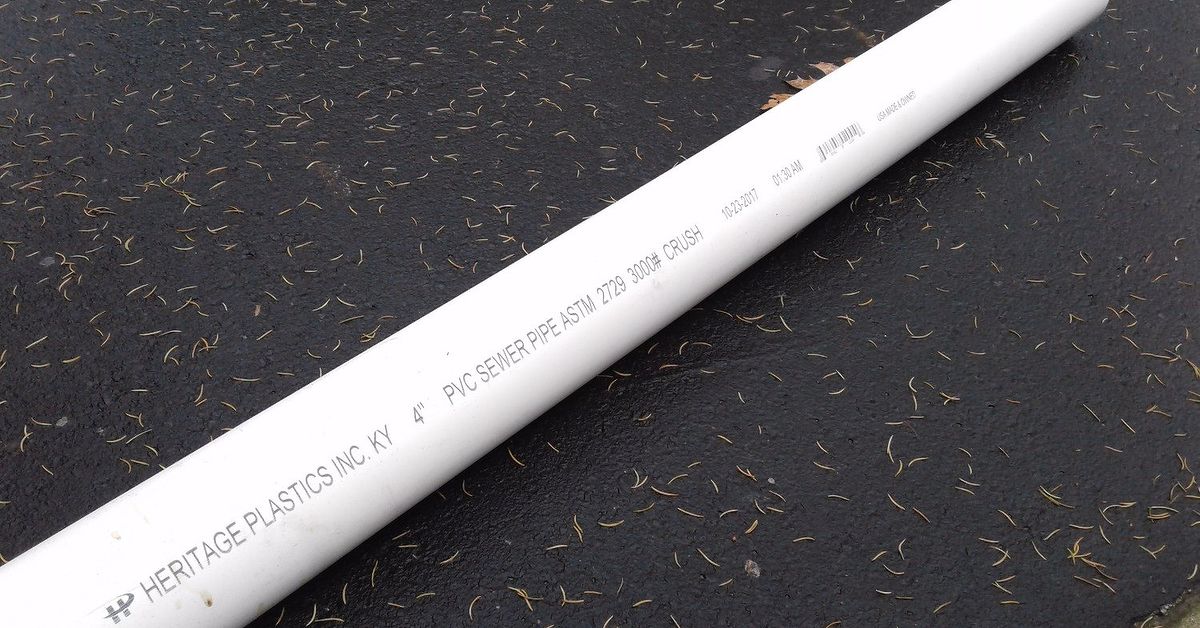
The most popular PVC animal projects often begin with 3-inch or 4-inch Schedule 40 pipe. Larger pipe gives you more surface area for wings, bodies, and dramatic curves. Smaller pipe can be used for little birds, insects, flowers, or accent pieces. The round shape of the pipe does half the design work for you. Once opened, warmed, and bent, the natural curve can become a bird’s chest, a fish body, a curled tail, or a flower petal.
Why PVC Pipe Works So Well for Birds and Animals
PVC is a favorite among DIYers because it is easy to find at home improvement stores and often available as leftover scrap from plumbing or construction projects. It is also weather-resistant enough for outdoor decoration when painted properly. That makes it a clever choice for garden art, porch décor, fence accents, and whimsical lawn displays.
Another benefit is flexibility. PVC can be cut into delicate feather shapes, opened into flat panels, or heated carefully to create curves and dimension. A single piece can become a flamingo body, while smaller cutouts can become beaks, wings, feet, and decorative details. With the right paint, PVC pipe birds can look rustic, modern, cartoonish, coastal, farmhouse-style, or wildly tropical. Basically, PVC is the blank canvas your garden did not know it needed.
Tools and Materials You Will Need
Before starting, gather everything in one place. PVC projects are easier and safer when you are not hunting for sandpaper while holding a half-cut bird body.
Basic Materials
- 3-inch or 4-inch Schedule 40 PVC pipe for medium and large animals
- Smaller PVC pipe for mini projects, legs, flowers, or accents
- Cardboard, poster board, or paper for patterns
- Painter’s tape or masking tape
- Permanent marker or grease pencil
- Outdoor spray paint made for plastic
- Clear outdoor sealer, optional but helpful
- Wood blocks, dowels, metal rods, or garden stakes for mounting
- Screws, washers, or exterior adhesive, depending on the design
Recommended Tools
- Jigsaw with a fine-tooth blade for detailed curves
- Ratcheting PVC cutter or handsaw for straight pipe cuts
- Drill and drill bits
- Heat gun for shaping
- Clamps to hold the pipe steady
- Work gloves
- Safety glasses
- Dust mask or respirator suitable for the work environment
- Sandpaper, file, or deburring tool
- Utility knife for light cleanup
A jigsaw is the go-to tool for curved bird and animal shapes because it can follow feathers, tails, necks, ears, and other details. A ratcheting cutter is excellent for straight cuts, but it is not designed for decorative shaping. Use clamps whenever possible. PVC is slippery, and a pipe that rolls mid-cut can turn a peaceful craft afternoon into a dramatic episode of “Why Did I Do That?”
Safety First: Cutting, Heating, and Painting PVC
DIY PVC pipe animals are fun, but safety matters. Work in a well-ventilated space, especially when cutting, sanding, heating, or spray painting. Wear safety glasses to protect your eyes from plastic chips, and use gloves when handling heated PVC. Do not burn or scorch PVC. When shaping with a heat gun, keep the tool moving and warm the plastic gradually.
Never use a torch for this craft. A heat gun gives better control and reduces the risk of overheating. If the PVC browns, smokes, bubbles, or smells harsh, you are using too much heat. Stop, let the piece cool, and improve ventilation before continuing. Also, avoid using PVC craft items for food, drink, pet chew toys, or anything a child might put in their mouth. These projects are best for decorative use.
When spray painting, follow the paint manufacturer’s directions. Paint outdoors or in a ventilated area, protect surrounding surfaces, and let the paint cure fully before placing the finished sculpture in the garden.
Step-by-Step: How to Make a PVC Pipe Bird
A bird is the classic starter project because the pipe’s curve naturally suggests a body, wing, or neck. Start with a simple silhouette, such as a standing crane, small heron, duck, owl, or flamingo. Complicated feather patterns can wait until you and your jigsaw are on speaking terms.
Step 1: Choose a Bird Design
Pick a design with a recognizable outline. A flamingo needs a curved neck and long legs. An owl needs a rounded body and big eye area. A heron or crane needs a long neck, pointed beak, and elegant body. For your first project, choose a side-view silhouette without too many tiny cuts.
Sketch the shape on paper or use a printable pattern. Keep the design slightly exaggerated. Long beaks, big wings, curled tails, and dramatic necks look better from a distance than tiny realistic details.
Step 2: Cut the Pipe to Length
Measure and cut the PVC pipe to match your project size. For a small bird, a piece around 18 to 30 inches long may be enough. For a large heron or flamingo, you may want a longer section. Make a straight cut using a PVC cutter, handsaw, or miter saw setup. Smooth rough edges with sandpaper or a deburring tool.
Step 3: Transfer the Pattern
Tape your pattern onto the pipe or draw it freehand with a marker. Because the pipe is curved, it helps to mark a centerline first. Use the printed lettering on the pipe as a visual guide if it runs straight. Place the bird body along the pipe so the natural curve supports the shape.
For birds with wings, you can draw wing feathers as part of the body and bend them outward later. For a flamingo, place the body on the wider section and use an attached strip for the neck, or create the neck as a separate piece.
Step 4: Drill Starter Holes
If your design includes interior cutouts, such as eyes, wing openings, or decorative feather spaces, drill starter holes first. A starter hole allows you to insert the jigsaw blade without cutting through the edge of the design. Keep the holes slightly inside the waste area so you can refine the shape later.
Step 5: Cut the Shape Slowly
Clamp the pipe securely. Use a fine-tooth jigsaw blade and cut slowly along the marked lines. Do not force the blade. Let the tool do the work. When cutting curves, move steadily and reposition the pipe as needed. Sharp turns are easier if you make relief cuts into the waste area.
Once the main outline is cut, remove loose pieces and check the shape. Do not worry if it looks strange at this stage. Most PVC animals look like confused plumbing scraps until sanding, shaping, and paint bring them to life.
Step 6: Sand and Smooth the Edges
Smooth every cut edge with sandpaper, a file, or a deburring tool. This improves the look and makes the piece safer to handle. Pay extra attention to beaks, feather tips, ears, tails, and any areas where someone might brush against the sculpture in the yard.
Step 7: Heat and Shape the PVC
Use a heat gun to warm the areas you want to bend. Move the heat gun constantly, working in small sections. When the PVC becomes flexible, gently bend it into shape while wearing gloves. Hold it in position until it cools and firms up.
For birds, you can flare wings outward, curve tail feathers, bend a neck, or flatten the bottom where the body attaches to a stake or base. For animals, shaping can create ears, paws, tails, fins, shells, or snouts. Subtle bends often look more professional than extreme folds.
Step 8: Add Details
Details make the sculpture charming. Drill small holes for eyes, add a separate beak, attach layered wings, or use screws to fasten feet and mounting tabs. For a flamingo, thin metal rods can become legs. For an owl, layered PVC circles or painted eye shapes create instant personality.
Step 9: Prime and Paint
Clean the PVC to remove dust and oils. Use spray paint designed to bond with plastic, or apply a plastic primer before painting. Several light coats usually look better than one heavy coat. Let each coat dry as directed.
For realistic birds, layer colors softly: gray and white for herons, pink and coral for flamingos, brown and cream for owls, blue and yellow for tropical birds. For a fun garden look, go bold. Nobody has ever complained that a handmade PVC parrot was too cheerful.
Step 10: Mount the Finished Bird
Mount your PVC bird on a wood block, fence, post, garden stake, branch, or metal rod. Make sure the base is stable enough for wind. Outdoor sculptures should be secure but removable, especially if you live in a stormy area or want to store them during winter.
How to Make PVC Pipe Animals
Once you understand the basic process, animal designs become easier. The same technique works for mammals, reptiles, sea creatures, insects, and even mythical creatures. Start with the animal’s strongest silhouette. A rabbit needs tall ears. A turtle needs a shell. A fish needs fins. A squirrel needs a curled tail. A dragon needs drama, obviously.
Rabbit
Use a rounded body shape with long ears cut from the same piece or attached separately. Heat the ears slightly and curve them outward. Paint the body white, gray, tan, or playful pastel colors. A small garden rabbit looks great near flower beds or Easter displays.
Turtle
Use the pipe curve to form the shell. Cut small legs and a head from scrap PVC. Heat and flatten the shell slightly so it sits securely. Paint shell plates with greens, browns, and yellows. A turtle is one of the best beginner animal projects because the shape is forgiving.
Fish
Cut an oval body with fins and a tail. Warm the fins and bend them outward for dimension. Fish can be mounted on fences, pool-house walls, or garden stakes. Metallic paint, bright stripes, and black outlines help the details pop.
Butterfly or Dragonfly
For insects, use thinner PVC or cut wing shapes from opened pipe sections. Heat and flatten the pieces before tracing. Add a small pipe section or dowel for the body. Butterflies are excellent for using leftover scraps from larger projects.
Cat or Dog
Pet shapes work best as simplified silhouettes. Cut a sitting cat with pointed ears and a curved tail, or make a dog with floppy ears and a round nose. Use paint to create expression. Two dots and a tiny smile can turn a plain white cutout into a backyard celebrity.
Creative PVC Pipe Project Ideas Beyond Birds
PVC pipe is not limited to animals. Once you learn how to cut, heat, and paint it, you can make all kinds of decorative pieces for the garden, patio, porch, or craft booth.
PVC Garden Flowers
Cut petal shapes from opened PVC pipe, heat them gently, and bend each petal for movement. Attach petals around a center disk, then mount the flower on a metal rod. Paint sunflowers, daisies, tulips, tropical blooms, or fantasy flowers in bright colors.
Seasonal Yard Art
Create ghosts, pumpkins, reindeer, snowmen, hearts, stars, or patriotic decorations. PVC is especially useful for outdoor seasonal pieces because it is lightweight and easy to store.
Fence and Wall Décor
Flat PVC cutouts can be mounted on fences, sheds, garden gates, or patio walls. Try fish for a coastal theme, birds for a cottage garden, or flowers for a colorful privacy fence.
Planter Accents
Small PVC birds, butterflies, and flowers can be attached to dowels and placed in containers. They add height and color to planters, especially before real plants fill in.
Design Tips for Better-Looking PVC Animals
The secret to attractive PVC pipe art is not complexity. It is proportion, clean edges, good shaping, and confident paint. Keep these tips in mind:
- Exaggerate key features. Big wings, long tails, and bold beaks read well from across the yard.
- Use the pipe curve. Let the natural curve become the body, chest, shell, or wing.
- Simplify small details. Tiny cuts are harder to sand and easier to break.
- Make test pieces. Practice heating and bending on scrap before shaping your main project.
- Paint in layers. Base coat first, details second, highlights last.
- Seal outdoor pieces. A clear UV-resistant sealer can help paint last longer.
Common Mistakes to Avoid
Most PVC craft mistakes are fixable, but avoiding them saves time, money, and muttered words in the garage.
Using Too Much Heat
Overheated PVC can warp, discolor, bubble, or release unpleasant fumes. Warm it slowly and stop before it scorches. If you need a stronger bend, heat a wider area instead of blasting one tiny spot.
Skipping Sanding
Fresh-cut PVC edges can be rough and sharp. Sanding makes the piece safer and helps paint look cleaner. It is not glamorous, but neither is a jagged flamingo.
Painting Dirty PVC
Dust, oils, and printed markings can affect paint adhesion. Clean the surface before painting. If the pipe has glossy printing or stubborn marks, lightly sand it and use primer.
Making the First Project Too Complicated
A giant feathered peacock may be tempting, but begin with a simple bird or turtle. Build skill first. Your future peacock will thank you by not collapsing emotionally or physically.
How to Display PVC Pipe Birds and Animals Outdoors
Good display makes handmade PVC art look intentional rather than randomly parked in the mulch. For birds, try mounting them near ornamental grasses, pond edges, flower beds, or fence corners. Long-legged birds such as herons and flamingos look especially natural around water features or tall plants.
Small animals work well near pathways, container gardens, porch steps, or children’s garden areas. Fish, turtles, and seahorses add charm to poolside spaces or coastal-themed yards. Butterflies and flowers can brighten fences, sheds, and bare garden walls.
Think about height and background. A white PVC egret may disappear against a white fence but look beautiful against dark mulch or green shrubs. A bright red cardinal stands out on a weathered wood fence. A turtle placed partly under hosta leaves looks like it wandered in for a snack and decided to stay.
Can You Sell PVC Pipe Birds and Animals?
Many crafters sell handmade PVC yard art at local markets, craft fairs, garden clubs, and online shops. If you plan to sell, use your own original patterns or purchase commercial-use patterns from designers who allow selling finished products. Do not copy another artist’s templates, photos, or paid patterns without permission.
For selling, consistency matters. Smooth edges, durable paint, sturdy mounting, and clear care instructions help customers feel confident. Popular sellers often create themed sets, such as coastal birds, pond animals, holiday creatures, or custom pet silhouettes. Start small, track material costs, and price your time honestly. Handmade does not mean “priced like a yard sale mystery object.”
Experience Notes: What You Learn When Making PVC Pipe Birds, Animals and More
The first thing you learn from making PVC pipe birds and animals is that the pipe has opinions. It may look simple on the workbench, but once you start cutting, heating, and bending, it behaves like a material with its own personality. Some sections curve beautifully. Others resist like a stubborn garden hose in February. That is part of the fun.
A good experience starts with patience. Rushing the pattern stage usually leads to awkward proportions. If the head is too small, the bird looks confused. If the feet are too tiny, the animal looks like it skipped leg day. Taking time to sketch, test, and adjust the template saves frustration later. Cardboard patterns are your friend because you can trim and reshape them before committing to PVC.
Cutting teaches control. The best cuts happen when the pipe is clamped firmly and the blade moves steadily. Trying to hold the pipe with one hand while cutting with the other is not bravery; it is a poor life choice wearing safety glasses. Use clamps, rotate the pipe when needed, and make relief cuts around tight curves. After a few projects, you start to understand how much detail your tools can handle.
Heating is where the project becomes sculpture. A flat cutout suddenly develops wings, posture, and expression. This is also where beginners often overdo it. The goal is not to melt the pipe into submission. The goal is to soften it just enough to guide it. Gentle bends usually look more natural than aggressive bends. A small curve in a wing can suggest movement. A slight twist in a neck can make a bird look alert. A curled tail can make a squirrel or cat feel playful.
Painting is the reward stage, but it still requires discipline. Light coats create smoother results than heavy coats. Letting each layer dry keeps colors from smearing. Details should be bold enough to see outdoors. A tiny painted eye may look perfect in your hand but vanish once the bird is five feet away in the garden. Use contrast. Add highlights. Give the creature a little attitude.
Outdoor placement teaches one final lesson: handmade PVC animals look best when they interact with the landscape. A heron near ornamental grass feels graceful. A frog beside a planter feels playful. A butterfly on a fence adds color where flowers cannot grow. The craft becomes more satisfying when the finished piece feels like it belongs in the space.
And yes, you may start with one PVC bird and somehow end up with a flock, a turtle family, three flowers, and a flamingo that your relatives now ask about by name. That is normal. PVC pipe crafting has a sneaky way of turning scraps into characters. Once you see a plain pipe become a bright garden animal, it becomes very hard to look at leftover materials the same way again.
Conclusion
Learning how to make PVC pipe birds, animals and more is a creative, affordable way to turn ordinary materials into outdoor art with personality. With a section of PVC pipe, a simple pattern, careful cutting, gentle heat shaping, sanding, and paint, you can create birds, rabbits, turtles, fish, flowers, insects, seasonal decorations, and custom garden accents.
The best projects begin with a simple shape and grow from there. Focus on clean outlines, safe tool use, smooth edges, controlled heating, and weather-friendly paint. As your confidence grows, you can experiment with larger patterns, layered details, moving pieces, and themed displays. Whether you want one cheerful yard bird or an entire PVC wildlife parade, this craft proves that creativity does not need expensive materials. Sometimes it just needs a pipe, a pattern, and a sense of humor.
Note: PVC pipe crafts are intended for decorative use. Always follow tool instructions, work in a ventilated area, avoid overheating PVC, and wear appropriate safety gear when cutting, sanding, heating, or painting.