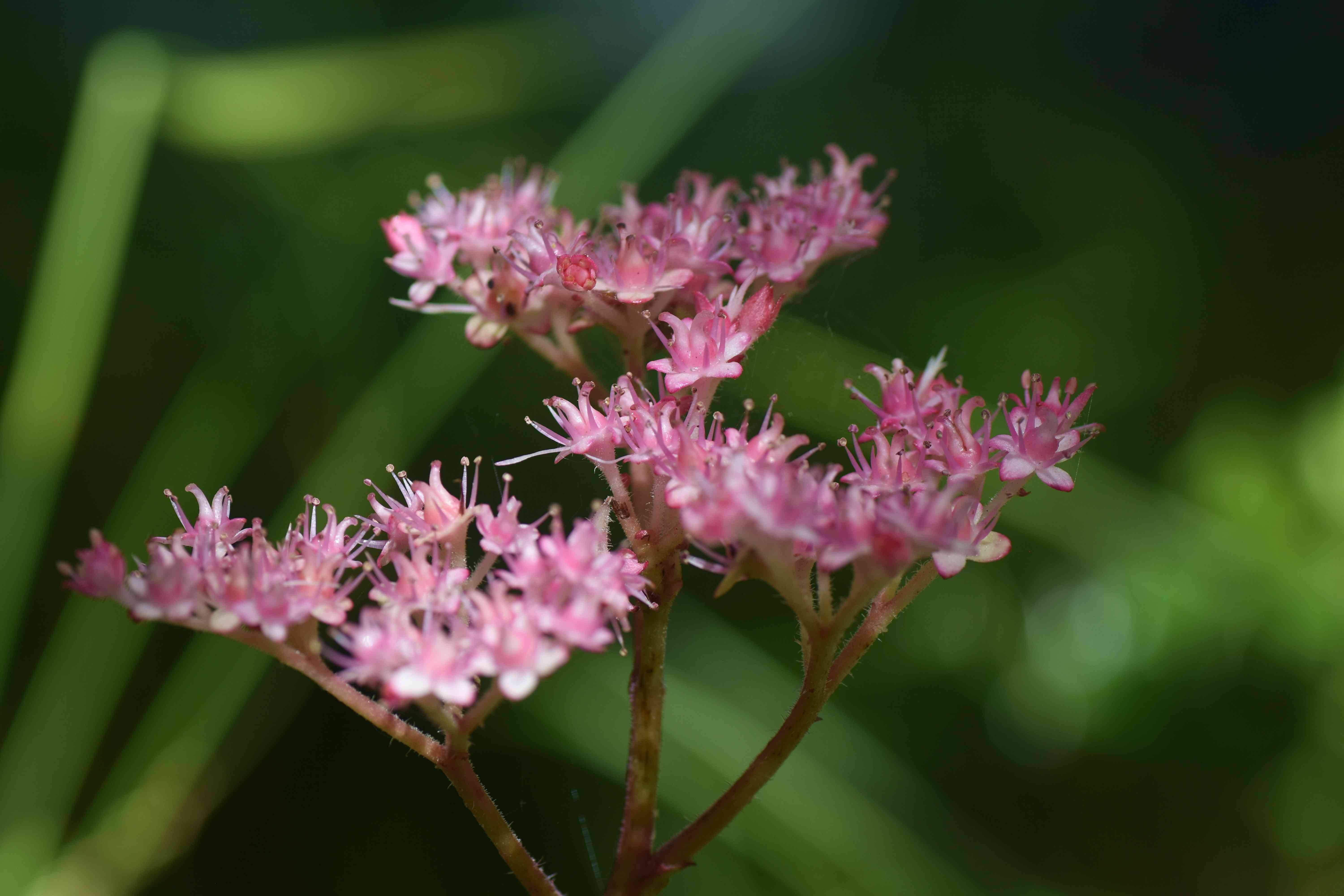
If your shade garden feels a little too polite, Rodgersia is the plant that walks in, drops a dramatic leaf the size of a dinner plate, and instantly steals the scene. This bold perennial is famous for its oversized foliage, plume-like flower spikes, and ability to make a woodland bed look lush, layered, and just a tiny bit expensive. In other words, Rodgersia is the botanical version of showing up to brunch in a fabulous coat and pretending it took no effort at all.
But despite its grand appearance, Rodgersia is not impossible to grow. It simply has standards. Give it rich soil, dependable moisture, and some shelter from punishing afternoon sun, and it rewards you with architectural leaves, soft pink or creamy white blooms, and a strong presence from spring through fall. Ignore its thirst, however, and it will absolutely let you know by crisping at the edges like a plant-sized passive-aggressive note.
This guide covers everything you need to know about how to grow and care for Rodgersia, from planting and watering to pruning, propagation, troubleshooting, and the best ways to use it in the landscape.
What Is Rodgersia?
Rodgersia is a clump-forming perennial grown mainly for its striking foliage and airy flower plumes. Depending on the species or cultivar, the leaves may be palmate or pinnate, often emerging with bronze, copper, or reddish tones before maturing to green. In early summer, tall flower stalks rise above the foliage with branching clusters of tiny blossoms in shades of white, cream, or pink.
Most gardeners grow Rodgersia for texture more than flowers. The blooms are charming, but the leaves are the real headliners. They bring a tropical look to temperate gardens without demanding tropical temperatures. Mature plants often reach 3 to 5 feet tall and wide, though some varieties stay smaller and some impressive selections stretch even larger.
Rodgersia also spreads slowly by rhizomes, forming handsome clumps over time. That makes it ideal for gardeners who want a bold plant that expands with dignity rather than charging through the border like it pays the mortgage.
Best Growing Conditions for Rodgersia
Light: Part Shade Is the Sweet Spot
In most American gardens, part shade is the safest and most reliable choice for Rodgersia. Morning sun with afternoon shade is excellent. Dappled light beneath open trees also works beautifully. Some varieties can handle more sun, especially in cooler regions, but only if the soil stays evenly moist. Full sun plus dry soil is basically a breakup text waiting to happen.
Too much intense sun can scorch the leaves, bleach the color, or make the plant look tired and ragged by midsummer. Too much dense shade will not necessarily kill Rodgersia, but growth may be slower and flowering can be lighter. If you want the best foliage and solid blooming, aim for bright shade or filtered light.
Soil: Rich, Humusy, and Moist
Rodgersia loves soil with plenty of organic matter. Think woodland floor, not hard-packed construction leftovers. The ideal soil is fertile, moisture-retentive, and well-drained enough that roots are never sitting in stagnant water. This plant appreciates loam enriched with compost, leaf mold, or aged organic matter.
It can tolerate a range of soil textures, including clay and sandy loam, but performance improves when the soil is improved before planting. Rich soil supports stronger foliage, steadier moisture, and better overall vigor. If your garden tends to dry out quickly, Rodgersia is not the plant to “teach resilience.” It would prefer a compost amendment and an apology.
Water: Consistency Matters
The biggest rule in Rodgersia care is simple: do not let it dry out for long. Consistent soil moisture is essential. This is why the plant performs so well near ponds, stream edges, boggy borders, rain gardens, and low spots that stay damp without becoming swampy.
When Rodgersia gets too dry, the leaf margins often turn brown first. That is your early warning sign. During the first growing season, water deeply and regularly so roots establish well. After that, mature plants are easier to manage, but they still need help during hot spells and drought.
A good layer of mulch helps tremendously. It keeps roots cooler, slows moisture loss, and reduces the number of times you have to sprint outside with a hose while muttering, “Why do I own so many thirsty plants?”
Temperature and Climate
Rodgersia generally performs best in USDA Zones 4 or 5 through 7 or 8, depending on the species or cultivar. It enjoys temperate conditions and usually looks best where summers are not relentlessly hot and dry. In warmer climates, protection from harsh afternoon sun and drying wind becomes even more important.
It dies back in winter and returns in spring, often emerging fairly late. Do not panic if neighboring perennials wake up first. Rodgersia likes a dramatic entrance and rarely rushes.
How to Plant Rodgersia
When to Plant
The best time to plant Rodgersia is in early spring. In many regions, fall planting can also work, especially if the plant has enough time to establish roots before the ground freezes. Spring planting is usually the easiest option because you can monitor moisture more closely during the active growing season.
How to Prepare the Site
Start by choosing a site with part shade and dependable soil moisture. Dig a planting hole slightly wider than the root ball. Mix compost or well-rotted organic matter into the removed soil. If the planting area dries out quickly, consider adding leaf mold or composted pine bark to improve water retention.
Set the plant so the crown sits level with the surrounding soil. Do not bury it too deeply. Backfill, water thoroughly, and apply about 2 inches of mulch around the plant, keeping the mulch just clear of the crown.
Spacing
Rodgersia needs room. Depending on the type, plants may spread 3 to 5 feet wide over time. Crowding it between smaller perennials is like parking an SUV in a bicycle rack. Give it enough breathing room so the foliage can show off.
How to Care for Rodgersia Through the Seasons
Spring Care
Spring is the moment to clean away old foliage if you left it standing over winter. Add compost around the base to refresh the soil and support new growth. If your soil is poor, a balanced slow-release fertilizer can help, but Rodgersia is not a heavy feeder when planted in rich ground.
This is also the best time to divide crowded clumps. Do it as new growth begins so the plant can settle in quickly.
Summer Care
Summer is when moisture management matters most. Check the soil often, especially during stretches of heat. The goal is evenly damp soil, not a bog with standing water. Deep watering is better than light sprinkles because it encourages stronger root development.
Deadheading spent flower stalks is optional. Some gardeners remove them for a tidier look, while others let the seed heads remain for structure and seasonal interest. If the foliage looks worn, remove damaged leaves individually rather than cutting the whole plant back too soon.
Fall and Winter Care
As temperatures cool, Rodgersia foliage may develop attractive bronze, red, or yellowish tones before it dies back. You can leave the foliage in place for winter texture and habitat value, then clean it up in early spring. In colder regions, a winter mulch helps protect roots from freeze-thaw cycles and drying winds.
Do not expect evergreen performance. Rodgersia is a perennial, not a miracle.
Fertilizer and Feeding
If your soil is already rich in compost and organic matter, Rodgersia may need little to no extra fertilizer. In lean soil, a balanced fertilizer in spring can support strong growth. Organic gardeners often prefer compost, compost tea, or a slow-release natural fertilizer.
Too much fertilizer can push soft growth that looks impressive for five minutes and then complains through the rest of summer. Steady nutrition from healthy soil is usually the best strategy.
How to Propagate Rodgersia
Division
Division is the easiest and most reliable way to propagate Rodgersia. In early spring, dig up part of the clump and separate a section with healthy roots and buds. Replant it at the same depth, water well, and keep it consistently moist while it re-establishes.
Many gardeners divide mature clumps every few years if the center starts looking tired or blooming becomes lighter. This is also a smart way to create more plants for shady borders without spending money every time your garden develops a new “one more bed” problem.
Seed
Rodgersia can be grown from seed, but patience is required. Seed-grown plants often take much longer to mature and may not come true from named cultivars. If you enjoy propagation experiments, go for it. If you want faster results, division is the clear winner by a country mile.
Common Problems and How to Fix Them
Brown Leaf Edges
This is usually a moisture issue. Dry soil, hot sun, or drying wind can cause the margins to crisp. Improve irrigation, refresh mulch, and consider moving the plant if the site is too exposed.
Poor Flowering
Some Rodgersia cultivars are grown mainly for foliage and bloom less reliably than others. Too much shade, crowding, nutrient-poor soil, or drought stress may also reduce flowering. Even so, a non-blooming Rodgersia can still be worth growing because the leaves often do the heavy lifting visually.
Slugs and Snails
Young foliage can attract slugs and snails. Hand-picking, traps, barriers, and reducing excess hiding spots can help. Once the leaves mature, the damage is often less severe, but early spring vigilance is worthwhile.
Frost Damage
Some types emerge early and can be nipped by late spring frost. If frost is forecast after emergence, covering the plant overnight with a breathable fabric can prevent leaf damage.
Best Rodgersia Varieties to Grow
Rodgersia aesculifolia
Often called fingerleaf Rodgersia, this species is prized for large horse chestnut-like leaves and creamy white to pinkish flower plumes. It delivers strong texture and classic Rodgersia drama.
Rodgersia podophylla
This type often has especially bold, broad foliage with handsome seasonal color. Some selections emerge bronze and may develop beautiful fall tones.
Rodgersia pinnata
A favorite for its divided foliage and pink flowers. Cultivars such as ‘Bronze Peacock’ and ‘Chocolate Wings’ are especially popular for their changing leaf color and strong ornamental value.
Rodgersia ‘Kupfermond’
If you love bronze-red new growth, this cultivar deserves a look. It has earned praise in trial gardens for impressive foliage color, dependable habit, and strong landscape presence.
Landscape Uses and Companion Plants
Rodgersia shines in woodland gardens, streamside plantings, rain gardens, shaded borders, and the edges of ponds. It works especially well where the soil stays cool and moisture-retentive. Use it as a specimen, a background anchor, or a repeating foliage accent in larger beds.
Because Rodgersia has bold, coarse leaves, it pairs beautifully with finer-textured shade plants. Good companions include astilbe, ferns, hostas, ligularia, meadow rue, black snakeroot, Japanese iris, and moisture-loving sedges. The contrast between airy and broad foliage makes the whole planting feel intentional and layered.
In design terms, Rodgersia is what happens when a hosta decides to get ambitious.
Conclusion
Learning how to grow and care for Rodgersia is mostly about understanding one central truth: this plant wants cool roots, rich soil, and reliable moisture. Meet those needs, and it becomes one of the most rewarding bold-leaved perennials for shade and part shade. It brings structure, texture, and a slightly exotic look to gardens that might otherwise lean too soft or sleepy.
Rodgersia is not the right pick for a dry, blazing-hot bed that gets forgotten for two weeks at a time. But in the right place, it is wonderfully low-fuss, slowly expanding, and visually unforgettable. If your garden has a damp corner, a woodland edge, or a rain garden begging for a star, Rodgersia may be the big leafy answer you have been looking for.
Gardener Experiences and Lessons Learned With Rodgersia
One of the most common experiences gardeners share with Rodgersia is that they underestimate it at first. A nursery pot rarely hints at what the plant will become. It may look like a polite perennial with interesting leaves, but after a couple of seasons in the right spot, it starts taking on that lush, commanding presence people usually associate with older, established gardens. Many gardeners say the real magic begins in year two or three, when the clump starts filling out and the foliage reaches a size that makes visitors stop and ask, “What on earth is that?”
Another common lesson is that placement matters more than pampering. Gardeners often struggle when they treat Rodgersia like an ordinary border perennial and tuck it into average soil with average watering. In those situations, it can survive, but it does not exactly thrive. The leaves may stay smaller, the edges may brown, and the plant can look underwhelming by midsummer. Move that same plant to richer soil with more dependable moisture, though, and the difference can be dramatic. It is one of those perennials that teaches you the value of matching the plant to the site instead of trying to negotiate with nature.
Experienced shade gardeners also point out that Rodgersia has a way of improving the look of nearby plants. Ferns seem finer, astilbes seem airier, and hostas suddenly have a stronger structural partner. In mixed plantings, Rodgersia often acts like the visual anchor. It makes everything around it feel more layered and intentional. That is especially useful in shady beds, where a planting can sometimes turn into a sea of similar green mounds unless there is a bold-textured plant to break things up.
There is also a practical side to the Rodgersia experience. Many gardeners appreciate that, once established, it does not demand endless grooming. It is not a diva in the day-to-day sense. You water it, mulch it, divide it every so often, and mostly let it do its thing. That said, nearly everyone who grows it for long enough learns the same summer lesson: if the weather turns hot and dry, do not test its patience. Rodgersia is generous, but it is not forgiving about drought.
Perhaps the best experience of growing Rodgersia is how it changes your eye as a gardener. It encourages you to pay attention to texture, moisture, microclimates, and the subtle differences between “shade” and “good shade.” It makes you think beyond flowers and start appreciating foliage as the backbone of garden design. And once a mature Rodgersia settles into a happy place, you begin to understand why gardeners become so loyal to it. It is bold without being gaudy, dramatic without being difficult, and memorable without needing constant applause. Frankly, that is a pretty admirable personality trait for both plants and people.