Note: This article is written for web publication and synthesizes current bedroom design, home styling, and sleep-friendly space planning guidance without source links.
A contemporary bedroom should feel like the design equivalent of a deep breath. Clean lines, soft textures, thoughtful lighting, and a little personality can turn even an ordinary sleep space into a retreat that whispers, “Cancel your plans and stay under the duvet.” The best part? Contemporary bedroom design does not mean cold, empty, or painfully perfect. It is not a showroom where nobody is allowed to sit on the bed. It is modern, livable, comfortable, and quietly stylish.
Today’s contemporary bedrooms blend function with calm. They use neutral palettes, natural materials, streamlined furniture, layered bedding, smart storage, sculptural lighting, and subtle decorative details. Whether your room is large, tiny, rented, owned, sun-filled, or mysteriously shaped like a shoebox, these contemporary bedroom ideas can help you create a relaxing retreat that looks polished without feeling stiff.
What Makes a Bedroom Contemporary?
Contemporary bedroom style reflects what feels current now: simplicity, comfort, flexibility, and warmth. It often includes sleek silhouettes, uncluttered layouts, organic textures, soft color schemes, and practical pieces that make everyday life easier. Unlike strict modern design, which is tied to a specific historical period, contemporary design evolves with the moment. That means you can mix a platform bed with vintage nightstands, add linen bedding, hang bold artwork, and still have a room that feels fresh.
The goal is not to copy a catalog page. The goal is to build a bedroom that helps you rest, reset, and maybe stop using the chair in the corner as a laundry mountain. Ambitious? Yes. Possible? Absolutely.
25 Contemporary Bedroom Ideas for a Relaxing Retreat
1. Start With a Calm Neutral Base
A soft neutral palette is one of the easiest ways to make a bedroom feel contemporary and restful. Think warm white, oatmeal, greige, soft taupe, pale gray, or mushroom beige. These colors create a quiet backdrop that lets texture, lighting, and furniture shapes shine. To avoid a flat look, layer several shades instead of using one color everywhere. A creamy wall, ivory duvet, oak nightstand, and beige rug can feel rich and soothing rather than bland.
2. Choose a Low-Profile Platform Bed
A platform bed instantly gives a bedroom a sleek, contemporary foundation. Its lower height creates a grounded, hotel-like effect, especially when paired with crisp bedding and simple nightstands. For a softer retreat feel, choose an upholstered platform bed in linen, boucle, velvet, or performance fabric. If you prefer a more organic style, a wood platform bed in oak, walnut, or ash adds warmth without visual clutter.
3. Layer Bedding Like a Boutique Hotel
Contemporary bedding should look relaxed but intentional. Start with breathable sheets, add a duvet or coverlet, then finish with a folded throw at the foot of the bed. Keep the palette simple, but play with texture: percale sheets, a quilted coverlet, a chunky knit throw, and a few linen pillows can create a bed that looks inviting without requiring a degree in pillow architecture.
4. Add an Oversized Headboard
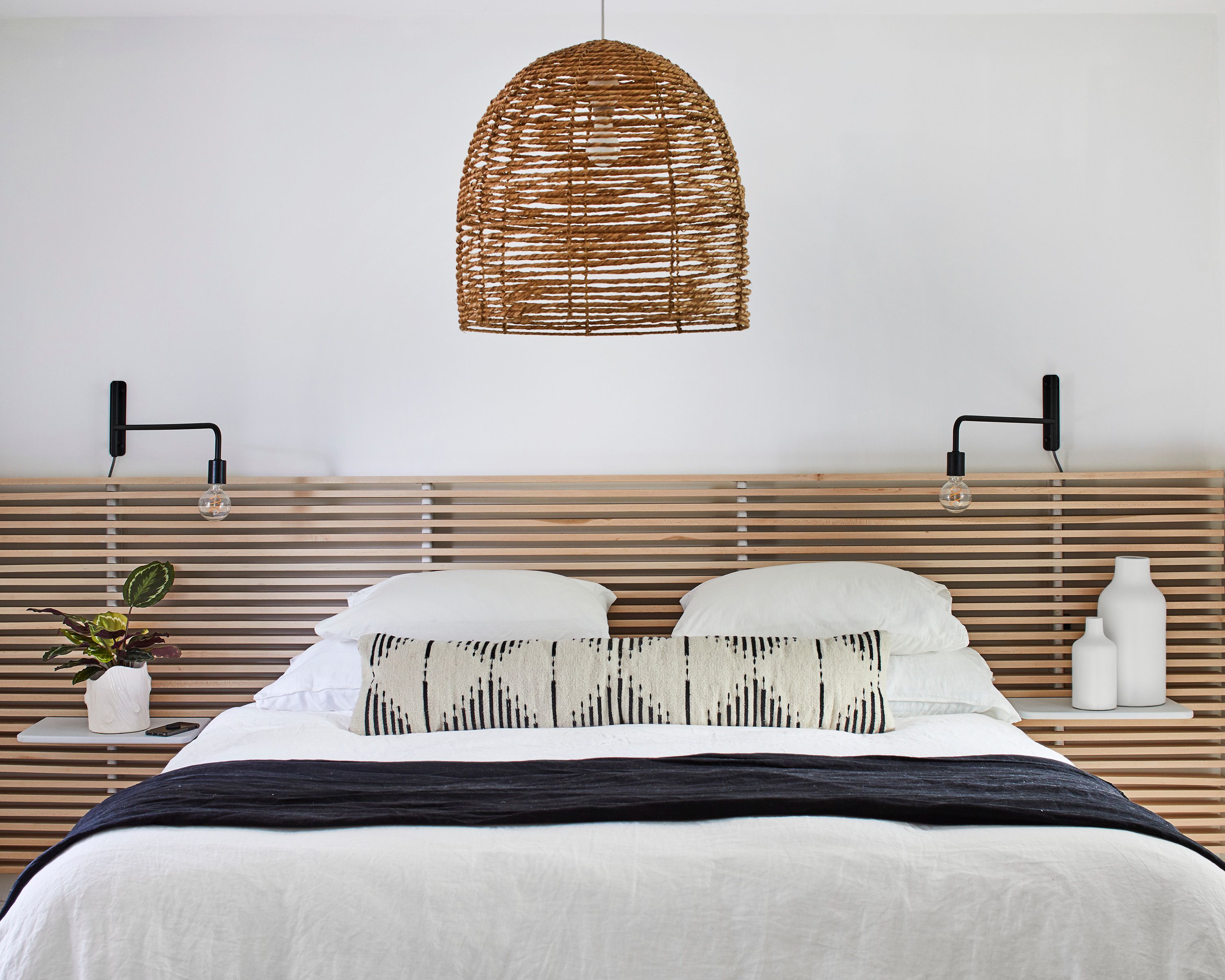
An oversized headboard can make a contemporary bedroom feel instantly more luxurious. Try a tall upholstered headboard, a channel-tufted design, or a wall-to-wall padded panel behind the bed. This works especially well in minimalist rooms because it adds softness and scale without needing extra decor. For a dramatic look, choose a headboard in charcoal, olive, clay, or deep navy.
5. Use Warm Wood Tones
Wood is the secret ingredient that keeps contemporary bedrooms from feeling sterile. A walnut dresser, oak bed frame, ash nightstand, or wood-paneled accent wall brings natural warmth into the room. Light woods create an airy Scandinavian-inspired mood, while darker woods feel sophisticated and cocooning. The trick is to avoid matching every piece perfectly. A little variation makes the room feel collected, not assembled by a furniture robot.
6. Try a Soft Blue or Green Wall Color
Cool, muted colors can make a bedroom feel serene and sleep-friendly. Soft blue, sage green, misty gray-green, and dusty teal are excellent contemporary choices because they feel calm without being boring. Pair them with white bedding, natural wood, and warm lighting for balance. If painting the whole room feels too committed, paint only the wall behind the bed for a gentle focal point.
7. Install Layered Lighting
One ceiling light cannot do everything. It simply cannot. A relaxing bedroom needs layers: ambient lighting for the whole room, task lighting for reading, and accent lighting for mood. Use a sculptural pendant, bedside sconces, table lamps, or LED strips under floating shelves. Add dimmers whenever possible so the room can shift from bright morning routine to calm evening retreat.
8. Swap Table Lamps for Wall Sconces
Wall sconces are stylish, practical, and perfect for small bedrooms. They free up nightstand space and add a tailored look. Choose plug-in sconces if you rent or want to avoid electrical work. Swing-arm designs are great for readers, while globe sconces, cone shades, or slim linear lights create a clean contemporary effect.
9. Bring in a Textured Area Rug
A rug softens the room visually and physically. Nobody wants to step out of bed onto a cold floor and immediately question their life choices. In contemporary bedrooms, look for wool, jute, flatweave, high-low texture, or subtle geometric patterns. The rug should be large enough to extend beyond the sides and foot of the bed. This makes the bed area feel anchored and complete.
10. Use Built-In or Floating Nightstands
Floating nightstands create a sleek, airy look and help small rooms feel more open. Built-in bedside shelves or wall-mounted drawers are especially useful in narrow spaces. Keep the surface simple: a lamp or sconce, a book, a small tray, and maybe a glass of water. The fewer mystery objects on the nightstand, the calmer the room feels.
11. Add Black Accents for Contrast
Black details give contemporary bedrooms definition. A black metal bed frame, picture frame, lamp, curtain rod, or cabinet pull can sharpen a soft palette. Use black sparingly so it feels sophisticated, not heavy. In a neutral bedroom, even a slim black-framed mirror can make the whole design feel more intentional.
12. Create a Feature Wall With Texture
A contemporary feature wall does not need loud wallpaper or neon paint. Texture can be more powerful than color. Consider vertical wood slats, limewash, plaster, grasscloth, fluted panels, or subtle geometric molding. A textured wall behind the bed adds depth while keeping the room serene. It is also a great way to make a simple bed look designer-level without buying a palace.
13. Keep Window Treatments Soft and Simple
Window treatments have a huge effect on mood. For a relaxing contemporary retreat, choose floor-length curtains in linen, cotton, or a soft woven fabric. Hang the rod high and wide to make the room feel taller and more spacious. If light control matters, layer blackout shades behind sheer curtains. You get softness during the day and darkness at nightbasically the bedroom version of having your cake and sleeping under it too.
14. Choose Furniture With Clean Lines
Contemporary bedroom furniture usually has simple shapes, smooth surfaces, and minimal ornamentation. Look for dressers with flat-front drawers, beds with tailored profiles, and benches with slim legs. Clean-lined furniture helps the room feel spacious and uncluttered. To avoid a cold look, balance sleek pieces with soft bedding, organic materials, and a warm color palette.
15. Add a Bench at the Foot of the Bed
A bench gives your bedroom a finished, hotel-inspired look. It is also practical for putting on shoes, setting down a throw, or pretending you will fold laundry immediately. Choose a simple upholstered bench, a wood bench, or a woven design. In small rooms, try a storage bench to hide extra blankets, seasonal bedding, or the decorative pillows that mysteriously multiply.
16. Use Mirrors to Open the Space
Mirrors reflect light and make a bedroom feel larger. A tall leaning mirror works beautifully in a contemporary room, especially when placed opposite a window. Round mirrors soften sharp lines, while black or brass frames add subtle contrast. Avoid placing mirrors where they create visual busyness from bed; the goal is calm, not surprise reflections at midnight.
17. Mix Matte and Soft Shine Finishes
Contemporary design loves contrast. Pair matte walls with a satin lampshade, a wood nightstand with a ceramic vase, or linen bedding with a brushed brass sconce. The mix of finishes makes a bedroom feel layered and expensive without needing flashy decor. Keep shiny surfaces controlled so the room still feels restful.
18. Add Art That Sets the Mood
Bedroom art should support the atmosphere you want. Abstract prints, minimalist line drawings, soft landscapes, black-and-white photography, or oversized canvas pieces all work well in contemporary spaces. Choose one large statement piece above the bed or a small gallery wall with consistent frames. Avoid overly busy art if your goal is a peaceful retreat.
19. Create a Reading Corner
If you have the space, a reading corner adds comfort and function. Use a cozy accent chair, a small side table, and a floor lamp. Keep the lines simple and the fabrics soft. Even a compact slipper chair near a window can make the bedroom feel more like a private suite. Bonus: it gives you somewhere to sit that is not the bed or the infamous laundry chair.
20. Bring Nature Indoors
Plants add life, color, and organic shape to a contemporary bedroom. Try a snake plant, pothos, ZZ plant, rubber plant, or small olive tree if your room gets enough light. If you are not a plant person, use branches in a vase, botanical artwork, woven baskets, or natural fiber rugs. Biophilic touches make the space feel grounded and restorative.
21. Hide Clutter With Smart Storage
A relaxing retreat needs storage that works. Choose nightstands with drawers, dressers with generous compartments, under-bed storage, woven baskets, or built-in wardrobes. The key is to create homes for everyday items: chargers, books, skincare, glasses, and extra blankets. Contemporary style depends on breathing room, and clutter is basically visual caffeine.
22. Try a Monochrome Color Scheme
A monochrome bedroom can feel incredibly sophisticated. Use different shades of one color, such as cream, gray, blue, or green. For example, pair pale sage walls with olive pillows, eucalyptus bedding, and a deep green throw. The result feels calm and cohesive. Texture is essential here; without it, monochrome can go from elegant to “forgot to decorate.”
23. Choose Sculptural Decor Over Lots of Small Accessories
Instead of filling every surface with tiny objects, choose fewer pieces with stronger shapes. A ceramic vase, curved lamp, stone tray, oversized bowl, or sculptural candleholder can make a bigger impact than ten small decorations. This approach keeps the room uncluttered while still giving it personality.
24. Upgrade the Closet Area
A bedroom retreat is not very relaxing if the closet looks like it is staging a rebellion. Contemporary closet upgrades can be simple: matching hangers, drawer dividers, soft lighting, shoe shelves, or sliding doors. If your closet is visible, consider curtain panels, clean-front wardrobes, or built-ins that blend with the wall color.
25. Make the Room Feel Personal, Not Perfect
The most relaxing bedrooms are not sterile. Add a personal element: a framed travel photo, a favorite book stack, handmade pottery, a meaningful textile, or a scent you love. Contemporary design should support your life, not erase it. A bedroom becomes a retreat when it feels edited, comfortable, and unmistakably yours.
Contemporary Bedroom Color Palettes That Work Beautifully
If you are unsure where to begin, start with color. For a soft contemporary bedroom, try warm white, oatmeal, and pale oak. For a moodier retreat, combine charcoal, walnut, and ivory. For a nature-inspired space, use sage green, cream, and woven tan. If you love coastal calm, mix misty blue, white, sand, and light wood. For a more luxurious look, pair mushroom beige with black accents and brushed brass.
The most important rule is balance. A bedroom can be colorful and still relaxing if the shades are muted and repeated thoughtfully. One accent color, used in pillows, art, and a throw, usually feels more refined than five competing colors shouting across the room like they are at a family reunion.
How to Make a Small Contemporary Bedroom Feel Bigger
Small bedrooms benefit from simplicity, but they do not have to be boring. Choose furniture with exposed legs to create a sense of openness. Use wall sconces instead of bulky lamps. Hang curtains high to stretch the room visually. Pick a bed with built-in drawers or a storage bench. A large mirror can reflect light, while a low-profile bed can make the ceiling feel higher.
Keep the palette consistent and avoid too many tiny patterns. One large piece of art is often better than several small frames. In a small room, scale matters. A few confident choices will make the space feel designed, while too many little pieces can make it feel crowded.
Contemporary Bedroom Materials to Consider
Materials shape the entire mood of a bedroom. Linen feels casual and breathable. Velvet adds softness and depth. Boucle brings cozy texture. Oak and walnut add warmth. Cane, rattan, and jute introduce organic character. Ceramic, stone, and metal provide contrast. A good contemporary bedroom usually includes several of these materials in a balanced way.
For example, you might pair a walnut platform bed with linen bedding, a wool rug, black metal sconces, and a ceramic vase. Nothing has to match perfectly. In fact, the most inviting rooms usually look collected over time, not ordered all at once in a panic at 1 a.m.
Lighting Tips for a Relaxing Bedroom Retreat
Lighting can make or break a bedroom. Bright, harsh light may be useful when hunting for one missing sock, but it is not ideal for winding down. Choose warm bulbs, dimmable fixtures, and multiple light sources. A bedside lamp should be soft enough for evening use but bright enough for reading. Accent lighting behind a headboard or under a shelf can add a gentle glow.
Try to avoid relying only on overhead lighting. A central fixture can be beautiful, especially if it is sculptural, but it should not be the only option. A contemporary bedroom feels best when the light can change throughout the day.
Common Mistakes to Avoid
One common mistake is making the room too matchy. A full furniture set can feel predictable, especially in contemporary design. Mix materials and shapes for a more natural look. Another mistake is ignoring scale. A tiny rug under a large bed can make the whole room feel unfinished. The rug should extend generously beyond the bed.
Clutter is another major issue. Open shelves packed with random items can disrupt the calm mood. So can too many pillows, too many colors, or too many decorative signs telling you to “relax.” A bedroom should not have to yell instructions at you. It should simply feel relaxing.
Experience-Based Tips for Creating a Contemporary Bedroom Retreat
One of the most useful lessons in designing a contemporary bedroom is that comfort has to come before styling. A room can photograph beautifully and still feel wrong if the lighting is harsh, the bedding is scratchy, or the nightstand is too small for real life. The best bedroom upgrades are often the ones you feel more than see. Softer sheets, better curtains, a supportive pillow, a calmer color, or a lamp that creates a warm glow can change the mood immediately.
When refreshing a bedroom, start by observing how you actually use the space. Do you read in bed? You need proper task lighting. Do you charge multiple devices? Hide cords with a cable box or a nightstand with built-in access. Do you always drop clothes in one spot? Add a bench, basket, or wall hook before the pile becomes a lifestyle. Good design solves habits instead of pretending they do not exist.
Another practical experience: do not buy everything at once. Contemporary bedrooms look better when they have some tension between pieces. A sleek bed can work with a vintage dresser. A modern lamp can sit on a rustic wood nightstand. A neutral room can handle one bold artwork. If every item comes from the same collection, the room may look finished, but it can also feel impersonal. Build the room in layers and let it develop.
Texture is the easiest way to make a bedroom feel expensive without turning it into a shopping marathon. If the room feels flat, add a woven rug, linen curtains, a quilted coverlet, a boucle chair, or a wood accent. Texture creates depth even when the color palette stays quiet. This is especially helpful in neutral bedrooms, where the difference between peaceful and plain can be one good throw blanket.
Scale also matters more than people think. A large bed needs substantial nightstands. A tall wall needs either a tall headboard, oversized art, or vertical lighting. Tiny decor scattered around a room can make the space feel busy. Larger, fewer, better-chosen pieces usually create a calmer contemporary look. When in doubt, remove three small items and replace them with one strong piece.
Finally, pay attention to the evening version of the room. Many bedrooms look good in daylight but lose their charm at night. Turn on the lamps, close the curtains, and see how the space feels. Is it warm? Is it peaceful? Can you reach what you need from bed? Does the room invite rest, or does it remind you of unfinished chores? A true relaxing retreat supports the daily ritual of slowing down. It should make bedtime feel less like a deadline and more like a reward.
Conclusion
A contemporary bedroom is more than a pretty space; it is a personal retreat designed around rest, comfort, and clarity. By combining clean-lined furniture, calming colors, layered lighting, natural textures, smart storage, and meaningful details, you can create a bedroom that feels stylish without losing its soul. Whether you start with a new rug, fresh bedding, a better lamp, or a full design refresh, the goal is the same: a room that helps you breathe easier the moment you walk in.
The best contemporary bedroom ideas are not about chasing perfection. They are about creating a space that works beautifully for real life. Keep it calm, keep it comfortable, and give every item a reason to be there. Your bedroom does not need to be huge or expensive to feel like a retreat. It simply needs thoughtful choices, a little editing, and maybe one fewer pile of laundry pretending to be furniture.