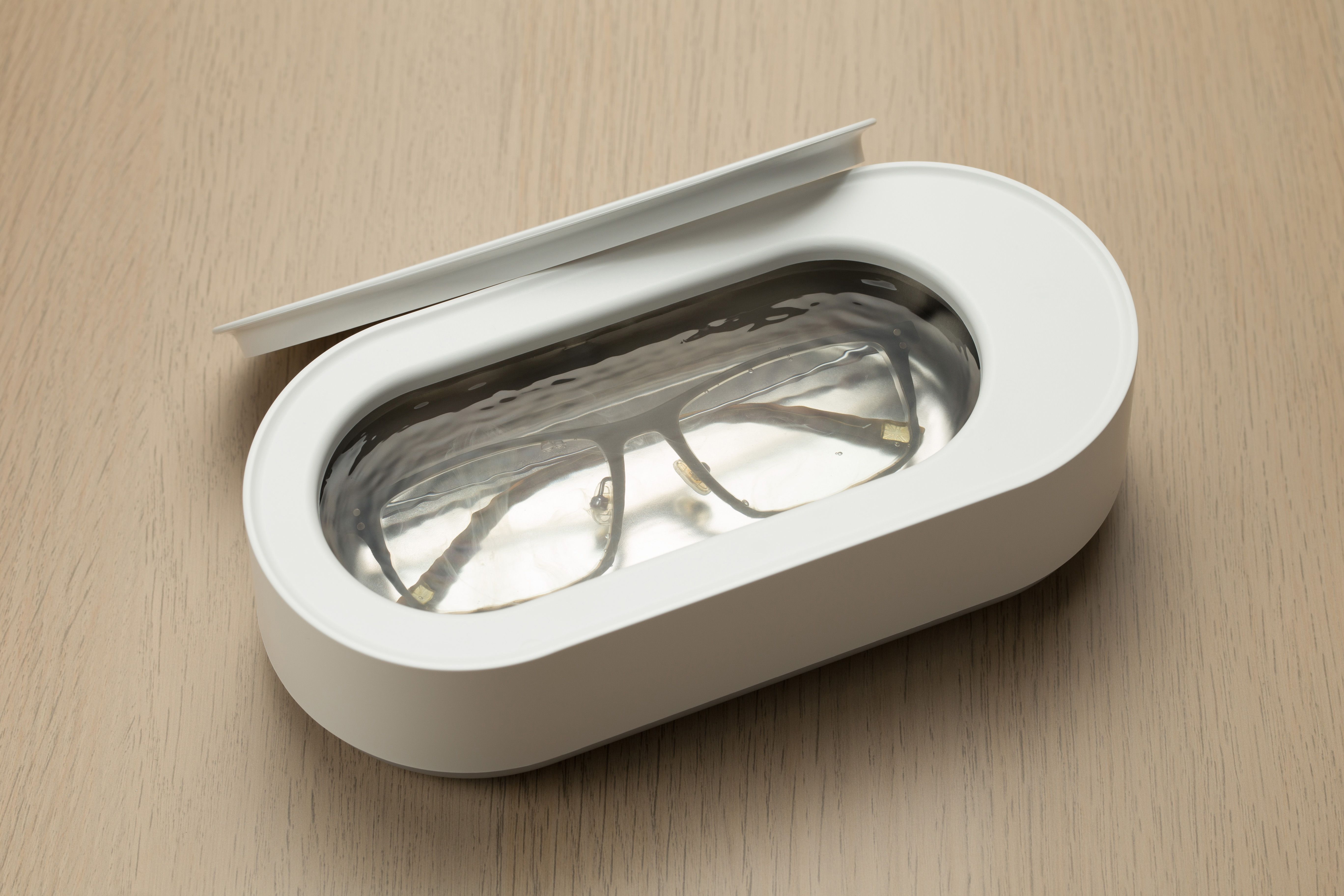
If you have ever watched an ultrasonic cleaner hum away on a countertop, you already know it has one very special talent: making gross little things look dramatically less gross with almost no drama from you. No furious scrubbing. No old toothbrush sacrifice. No muttering, “Why does this hinge have so much mystery goo in it?” It just buzzes, bubbles, and somehow turns grime into yesterday’s problem.
Most people associate ultrasonic cleaners with jewelry, and fair enoughthat is their glamorous public image. But the real magic of ultrasonic cleaning is not sparkle. It is precision. These machines use high-frequency sound waves to create tiny bubbles in a liquid bath, and when those bubbles collapse, they help loosen dirt, oil, and residue from hard-to-reach places. In other words, ultrasonic cleaners are not just for making rings look engaged again. They are ideal for oddly shaped, detail-heavy, crevice-packed items that are annoying to clean by hand.
That makes them surprisingly useful around the house. From glasses and retainers to watch bands and tiny tools, an ultrasonic cleaner can do the kind of deep cleaning that a cloth, sponge, or brush often misses. The trick is knowing what belongs in the tank, what absolutely does not, and where a little caution can save you from turning “cleaner” into “more expensive problem.” Here are nine unexpected things you can clean with an ultrasonic cleaner, along with the smart way to do it.
Why Ultrasonic Cleaners Work So Well
An ultrasonic cleaner is basically a specialist in cleaning the places your hand cannot reach. Hinges, grooves, textured metal, tiny holes, narrow links, small seams, and awkward corners are its comfort zone. When used with water and the right cleaning solution, it can remove buildup from surfaces without the kind of rough friction that scratches or bends delicate parts.
That said, this is not a magical bathtub for every object you own. An ultrasonic cleaner is best for sturdy, nonporous items that can be fully submerged and that do not rely on adhesives, delicate finishes, fragile stones, leather, wood, or electronics. Think of it less like an “everything cleaner” and more like a “deep-cleaning nerd for fussy small objects.” Once you treat it that way, it becomes wildly useful.
9 Unexpected Things You Can Clean with an Ultrasonic Cleaner
1. Glasses and Sunglasses
Glasses may be the most satisfying non-jewelry item you can clean in an ultrasonic cleaner. Smudges, skin oil, sunscreen, makeup, and daily grime love to hide around nose pads, frame corners, screws, and hinges. A quick cycle can loosen all of that buildup and make your frames feel fresher than a basic wipe-down ever could.
The key is restraint. Use a cleaning solution that is safe for eyewear, and be careful with specialty coatings. If your lenses have anti-reflective coatings or the frames are extra delicate, check the manufacturer’s care instructions first. Also, this is for the glasses themselvesnot smart glasses, not electronics, and definitely not anything with a battery. Your sunglasses should come out refreshed, not emotionally unavailable and waterlogged.
2. Makeup Tools and Beauty Accessories
An ultrasonic cleaner can be surprisingly helpful for certain beauty tools, especially silicone tools, metal tweezers, eyelash curlers, manicure tools, and brush holders that collect residue over time. These items often have joints, grips, or textured surfaces that trap product in all the places a wipe misses.
This does not mean every beauty tool should go in the tank without question. Thick, densely packed makeup brushes are a mixed bag. Light residue may loosen, but heavily soiled brushes often still need hand washing to get truly clean. Natural bristles and glued components also deserve extra caution. So yes, your tweezers may come out looking reborn. Your foundation brush may still demand a one-on-one spa appointment in the sink.
3. Reusable Razors and Non-Electronic Blade Parts
Reusable razors are tiny monuments to buildup. Between shaving cream, soap residue, hair, skin oils, and hard-water deposits, the blade area can get pretty nasty pretty fast. An ultrasonic cleaner can help loosen that residue from the blade housing and surrounding crevices, making the razor easier to rinse and maintain.
Two important caveats: first, cleaning does not make a dull blade sharp again. If the blade is worn out, it is still worn out. Second, powered handles and electronic shaver bodies should stay out of the tank. If you are cleaning removable non-electronic parts, follow the brand’s care guidance and dry everything thoroughly before reassembly. Clean is great. Rusty regret is less fun.
4. Keys and Metal Keychains
Your keys go everywhere. Pockets, bags, countertops, car consoles, gym lockers, and that one sticky kitchen spot you pretend not to notice. They pick up oils, lint, grime, and mystery residue from daily handling, especially if they have grooves, stamped details, or textured finishes.
An ultrasonic cleaner can freshen standard metal keys and metal keychains surprisingly well. Just remove any electronic fobs or battery-powered attachments first. House keys, luggage tags, small metal charms, and plain key rings usually do fine. Car remotes, access fobs, and anything “smart” should remain gloriously dry and far away from the tank.
5. Dental Gear Like Retainers, Mouth Guards, and Dentures
This is one of the most practical uses for an ultrasonic cleaner. Retainers, aligner-style trays, mouth guards, and dentures can collect plaque, film, odor-causing residue, and stubborn buildup that regular rinsing does not fully remove. A short cycle with an appropriate cleaning aid can help loosen that residue and make the item feel much cleaner overall.
Still, gentleness matters. Use lukewarm water, not hot water, especially for plastic retainers and guards that can warp. Avoid harsh household chemicals, and follow the specific care instructions for the appliance. Ultrasonic cleaning can be a handy part of the routine, but it should not become a freestyle chemistry experiment. Your retainer should come out cleaner, not shaped like modern art.
6. Small Collectibles and Low-Stakes Keepsakes
Ultrasonic cleaners can be handy for small metal collectibles like pins, badges, basic trinkets, and low-stakes keepsakes with grime in tiny recesses. If an object has engraved details, textured metal, or little crevices that attract dust and oils, the machine can do a much more thorough job than wiping alone.
But this category is where common sense needs a promotion. If something is valuable, fragile, painted, antique, plated, lacquered, or sentimental enough to ruin your week if damaged, do a test with a similar low-value item firstor skip the tank entirely. The goal is cleaning, not accidentally deleting the finish that gave the piece its character in the first place.
7. Metal and Silicone Watch Bands
Watch bands are sneaky dirt collectors. Skin oil, sweat, lotion, dust, and dead skin love to settle between links, around clasps, and along the back side where nobody looks until suddenly everybody should have. An ultrasonic cleaner is especially effective for metal link bands and many silicone bands because it reaches into those narrow joints and hidden edges.
Remove the watch head first unless the entire assembly is specifically rated for that kind of cleaning and submersion. Leather bands should stay far away from the tank, and glued decorative elements deserve caution too. Clean the band, dry it well, and reattach it only when everything is fully dry. Your wrist will thank you, probably in silence, because wrists are not big talkers.
8. Small Hardware and Precision Tools
Screws, drill bits, sewing machine feet, nail clippers, tweezers, small metal hardware, and other detail-heavy tools are excellent candidates for ultrasonic cleaning. These are exactly the kinds of objects that collect grime in grooves and edges while also being annoying to scrub individually by hand. If you have ever tried to clean a tiny screw with a paper towel, you already know that is not a serious strategy.
Use a basket or tray so the pieces do not rest directly on the tank bottom, and group similar materials together. If a part has rubberized coatings, non-rigid plastic, paint, lubrication requirements, or delicate finishes, check the care instructions first. The best candidates are sturdy, all-metal, grime-prone parts that need a good refresh, not a risky makeover.
9. Bud Vases and Tiny Decorative Glass Pieces
Bud vases are beautiful right up until you realize the inside looks like a science fair project. Narrow necks, curved interiors, and tiny openings make them frustrating to clean by hand, especially when mineral deposits or cloudy residue build up where no sponge can reach. An ultrasonic cleaner can be surprisingly useful for very small vases and decorative glass pieces that fit safely in the tank.
Just make sure the glass is sturdy and free of glued embellishments, painted trim, or fragile decorative coatings. This is a great use case for simple, small glass pieces that are tough to reach but otherwise durable. It is deeply satisfying to see a cloudy little vase come out looking clear again. It is the domestic equivalent of a glow-up montage.
What You Should Never Put in an Ultrasonic Cleaner
As useful as ultrasonic cleaners are, they do have boundaries, and respecting them is cheaper than learning them the hard way. Skip porous gemstones such as pearls and opals, many treated or fracture-filled stones like many emeralds, leather, wood, anything with glued surfaces, and anything electronic. Items with batteries, speakers, smart components, or charging contacts should stay out. So should objects with finishes that are likely to flake, loosen, discolor, or separate under vibration and liquid exposure.
You should also avoid the temptation to improvise with harsh chemicals. More aggressive does not always mean more effective. Use a cleaning solution suited to the item, rinse thoroughly when needed, and dry everything completely. The machine is designed to help with precision cleaning, not to turn your bathroom counter into a low-budget chemistry lab.
Tips for Better Results Every Time
First, do not overload the tank. Ultrasonic cleaners work best when the liquid can circulate around each item. If you dump in a jumble of keys, tweezers, watch links, and random hardware like you are making metallic soup, the results will be underwhelming.
Second, sort by material. Metal with metal, silicone with silicone, oral appliances with their proper cleaning aids, and delicate items on their own. Third, start with shorter cycles. You can always run another round, but you cannot un-overdo a cleaning session. Finally, rinse and dry thoroughly when the item requires it. A cleaner object that dries with old residue still on it is just a shinier disappointment.
Conclusion
An ultrasonic cleaner earns its keep not because it is flashy, but because it is excellent at the stuff most people hate cleaning: the tiny, awkward, detailed, residue-loving objects that never feel fully clean after a quick scrub. Glasses, dental gear, watch bands, beauty tools, keys, small tools, and even little bud vases can all benefit from a proper ultrasonic bath when handled with a little common sense.
The best way to think about it is simple: if an item is small, sturdy, non-electronic, and full of hard-to-reach spots, an ultrasonic cleaner may be the smartest and least annoying way to clean it. Just pair that enthusiasm with caution. The goal is not to put everything in the tank. The goal is to know which things will come out looking gloriously refreshedand which ones should be left to gentler methods and a little old-fashioned patience.
Extended Experience: What Using an Ultrasonic Cleaner Actually Feels Like
The first time people use an ultrasonic cleaner at home, there is usually a brief moment of skepticism. You fill the tank, place in something unimpressive like a pair of glasses or a dull key ring, press the button, and wait for what seems like a very tiny appliance to prove it deserves counter space. Then the cycle ends, you lift the item out, and suddenly you are staring at grime you did not realize was there until it was gone. That is the hook. Not dramatic sparkle, necessarilyjust the deeply satisfying realization that the hinge, seam, groove, or crevice is cleaner than you have been able to get it in months.
The experience gets better once you stop expecting miracles and start appreciating the machine for what it is. It will not repair damage. It will not sharpen an old razor blade. It will not rescue a crumbling antique or turn a caked makeup brush into a brand-new one without help. But it is excellent at quiet, repeatable wins. A watch band feels less grimy against your skin. Tweezers stop looking like they live in a mystery drawer from 2009. A retainer looks and feels fresher. Even a tiny glass vase somehow goes from cloudy and neglected to “Oh, right, that is what color the glass actually is.”
There is also something oddly relaxing about the process. You are not scrubbing with your shoulders up around your ears while muttering at a toothbrush. You are setting up the cycle, letting the machine do the fiddly work, and checking back a few minutes later. It feels efficient in a way that manual cleaning rarely does, especially for items that usually take a lot of awkward hand work for very average results. That feeling is probably why people start with one practical use and then begin roaming the house like a very clean raccoon, wondering what else might fit in the tank.
Of course, the real learning curve comes from restraint. Most people have one “absolutely not” moment early on, where they are tempted to toss in something with electronics, glue, leather, or fragile decorative details, then remember that convenience should not outrank common sense. Once you learn the rules, the machine becomes much more useful. You begin to recognize the sweet spot: sturdy, small, detailed, hard-to-clean items that benefit from a deeper clean but do not need harsh force. That is where ultrasonic cleaning really shines.
And maybe the biggest experience-related surprise is this: the machine often changes how you notice dirt. After a few successful cycles, you start seeing buildup in places you used to ignorearound nose pads, inside clasps, between links, on keys, along tool edges, inside narrow glass necks. It is not that the world becomes dirtier. It is that your standards get a little higher because now you have a much easier way to deal with the grime. That is probably the most honest review possible. An ultrasonic cleaner does not just clean odd little household items. It quietly turns you into the kind of person who notices them.