Note: This article is for educational purposes only and is not a substitute for medical advice, diagnosis, or treatment. People with severe symptoms, frequent outbreaks, weakened immune systems, eye symptoms, pregnancy concerns, or cold sores that do not heal should contact a healthcare professional.
Introduction: The Tiny Blister With Main Character Energy
A cold sore may be small, but it knows how to make an entrance. One day your lip feels a little tingly, the next day a cluster of blisters has appeared like an unwanted pop-up ad on your face. Cold sores, also called fever blisters, are usually caused by herpes simplex virus type 1, or HSV-1. They most often appear on or around the lips, though they can show up near the nose, chin, or cheeks.
The good news: most cold sores heal on their own. The less fun news: they can be painful, itchy, contagious, and inconveniently dramatic right before a meeting, wedding, date, school photo, or any event involving smiling. While there is no permanent cure for the virus, there are smart ways to shorten an outbreak, reduce discomfort, prevent spreading it to others, and lower the chances of another flare-up.
This guide explains 11 ways to treat a cold sore or fever blisters using practical, evidence-informed steps. Think of it as your cold sore survival kit: part medical strategy, part comfort plan, and part “please stop touching your lip” reminder.
What Is a Cold Sore?
A cold sore is a group of small, fluid-filled blisters that usually form near the mouth. Before the blister appears, many people feel warning signs such as tingling, itching, burning, tightness, or tenderness. This early stage is often called the prodrome stage, and it is the golden window for treatment.
Cold sores typically move through stages: tingling, blistering, oozing, crusting, and healing. A first outbreak may be more intense than later ones and can include fever, swollen lymph nodes, sore throat, or body aches. Recurring outbreaks are often milder and may heal within 7 to 14 days, although some can take longer.
Common Cold Sore Triggers
Once HSV enters the body, it can remain dormant and reactivate later. Triggers vary from person to person, but common ones include stress, illness, fever, sun exposure, wind, cold weather, dry or cracked lips, fatigue, hormonal changes, dental work, and a weakened immune system. If your cold sore always appears after a beach trip, stressful deadline, or three nights of “I’ll sleep when I’m done,” your body may be sending a not-so-subtle memo.
11 Ways to Treat a Cold Sore or Fever Blisters
1. Start Treatment at the First Tingle
The best time to treat a cold sore is before it fully blooms into a blister bouquet. If you notice tingling, burning, itching, or a tight feeling around your lip, act quickly. Early treatment can reduce the severity and length of the outbreak.
This is especially important for antiviral medicines, which tend to work best when started early. Keep your preferred treatment on hand if you get recurring cold sores. Waiting until the blister has crusted over is like showing up with an umbrella after the rain has already moved into your living room.
2. Ask About Prescription Oral Antivirals
Prescription oral antivirals are among the most effective treatments for cold sores. Common options include acyclovir, valacyclovir, and famciclovir. These medicines do not remove HSV from the body, but they can help slow the virus, reduce symptoms, and speed healing when taken at the right time.
People with frequent or severe outbreaks may benefit from having medication ready to take at the first sign of symptoms. Some people may need episodic treatment, meaning they take medicine only when an outbreak starts. Others with frequent outbreaks may discuss suppressive therapy with a clinician, which means taking antiviral medicine regularly to reduce flare-ups.
Prescription treatment is especially worth discussing if your cold sores are frequent, very painful, spreading, lasting longer than usual, or affecting your daily life. Your provider can help decide which option is appropriate based on your health history, age, medications, and outbreak pattern.
3. Use an Over-the-Counter Docosanol Cream
Docosanol 10% cream is an over-the-counter cold sore treatment used on the face or lips. It works best when applied at the first sign of a cold sore, such as tingling, redness, itching, or a small bump. Follow the product directions carefully, and wash your hands before and after applying it.
Docosanol is not magic fairy dust, so it will not erase a cold sore in ten minutes. However, when used early and consistently, it may help shorten healing time and reduce symptoms such as burning, itching, tingling, and pain. Do not apply it inside the mouth, near the eyes, or share the tube with anyone else. Sharing cold sore cream is not friendship; it is a germ delivery service.
4. Try Topical Pain Relief for Burning and Itching
Cold sores can feel sore, hot, itchy, and tight. Topical products containing numbing ingredients may help relieve discomfort. Some cold sore gels, creams, or ointments are designed to soothe pain, itching, and burning. Always read labels, follow directions, and avoid applying products inside the mouth unless the label says they are safe for that use.
If you have sensitive skin, test carefully and stop using a product if it causes irritation, rash, swelling, or worsening pain. More product does not mean faster healing. In fact, piling on multiple creams can irritate the area and turn your lip into a tiny chemistry experiment. Choose one appropriate product and use it as directed.
5. Use a Cool Compress
A cool compress can help calm swelling, tenderness, and burning. Wrap ice or a cold pack in a clean cloth and hold it gently against the sore for short intervals. Never place ice directly on the skin, because cold injury is not the plot twist anyone ordered.
A cool compress will not kill the virus, but it can make the area feel less angry. Use a clean cloth each time, and wash your hands afterward. If the sore is open or oozing, avoid rubbing. Gentle contact is the goal. Scrubbing is for dirty pans, not delicate lip skin.
6. Keep the Area Clean and Hands Off
Cold sores are contagious, especially when blisters are present or fluid is leaking. Keep the area clean and avoid touching, picking, squeezing, or peeling the crust. Picking can delay healing, increase irritation, and raise the risk of spreading the virus to another area of your body.
If you must apply medicine, use a clean finger or cotton swab, then wash your hands with soap and water. Avoid touching your eyes after touching a cold sore, because herpes infection near the eye can be serious and needs medical care. Your hands may be helpful tools, but during a cold sore outbreak, they need supervision.
7. Protect Others: No Kissing, Sharing, or “Just One Sip”
During an outbreak, avoid kissing, oral sex, and sharing items that touch the mouth. This includes lip balm, lipstick, towels, utensils, cups, straws, razors, and toothbrushes. The virus can spread through direct contact with the sore or infected saliva.
Be especially careful around babies, people with eczema, and people with weakened immune systems. What is a temporary nuisance for one person can become a more serious infection for someone vulnerable. Wait until the sore is fully healed before returning to normal contact. “It’s almost gone” is not the same as “fully healed.” Cold sores love loopholes.
8. Use Petroleum Jelly or a Gentle Lip Balm
Dry, cracked lips can make a cold sore feel worse and may slow comfort during healing. Applying a thin layer of petroleum jelly or a gentle, fragrance-free lip balm can help protect the skin from cracking. Use a clean cotton swab or wash your hands before and after applying.
Do not share lip products, and consider replacing lip balm after an outbreak if the applicator touched the sore. If your lips crack easily, daily moisture may help reduce irritation that can trigger future outbreaks. Look for simple formulas and avoid strongly flavored or irritating products. Your lips do not need peppermint fireworks when they are already staging a protest.
9. Avoid Foods and Drinks That Sting
When a cold sore is open or tender, certain foods can make it feel like your lip has filed a complaint. Citrus fruits, tomato sauce, vinegar, spicy foods, salty snacks, and very hot drinks may sting. Temporarily choose softer, cooler, less acidic foods until the sore feels better.
Good options may include yogurt, smoothies, oatmeal, scrambled eggs, soup that is warm but not hot, soft rice, bananas, and chilled water. Drink through a straw only if it does not touch or irritate the sore, and do not share the straw afterward. Hydration matters too, because dry lips tend to crack more easily.
10. Manage Triggers Like Sun, Stress, and Sleep Loss
Treating the current cold sore is only half the story. Preventing the next one is where your detective skills come in. Start noticing patterns. Do outbreaks appear after sun exposure? During exams? After long flights? When you are sick? During menstrual cycles? After dental appointments?
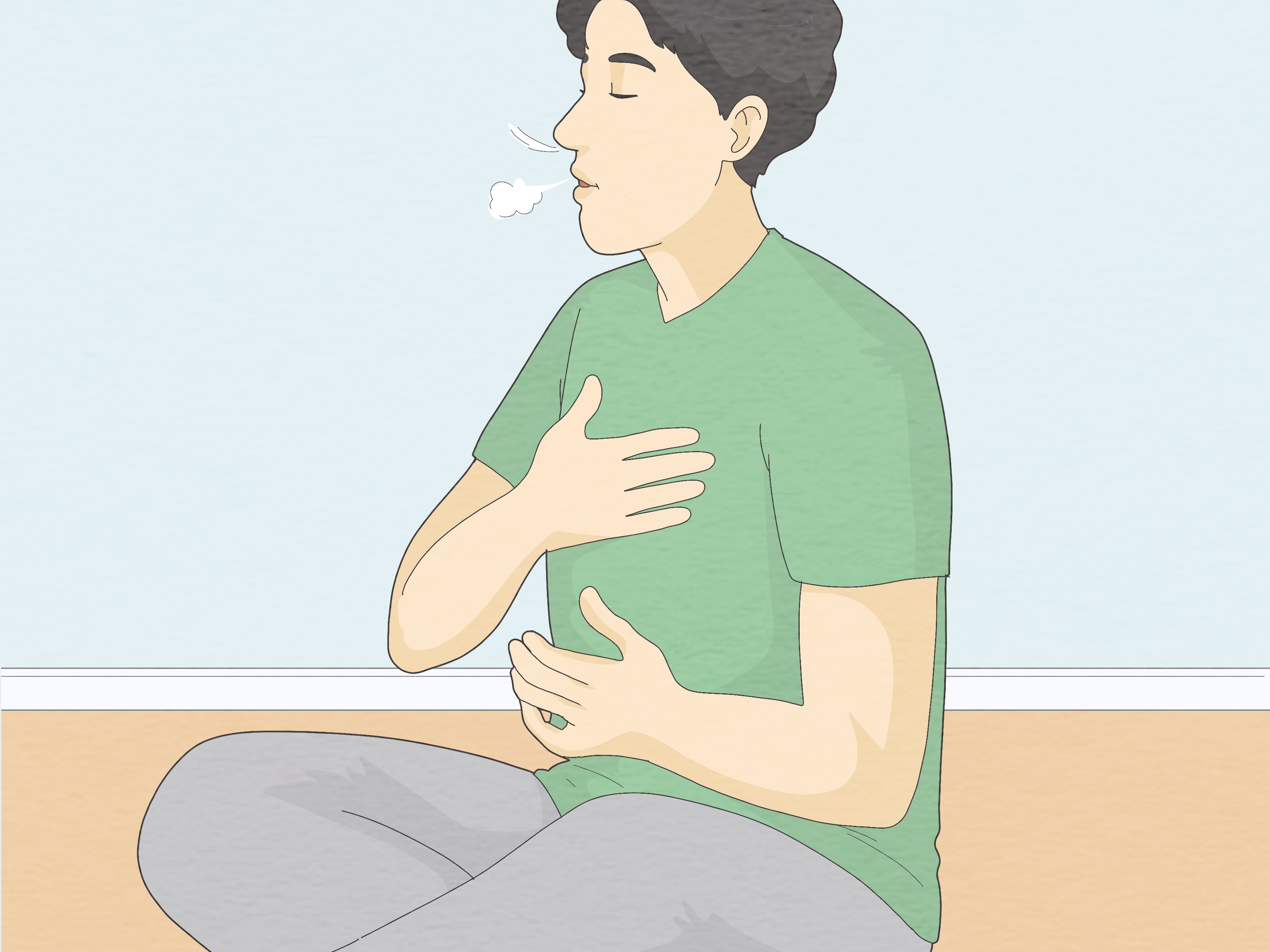
Sunlight is a common trigger, so use a broad-spectrum lip balm with SPF 30 or higher when outdoors and reapply regularly. Stress management may also help. Exercise, breathing exercises, meditation, stretching, journaling, outdoor walks, or simply saying no to one more unnecessary obligation can support your immune system. Sleep is another underrated treatment tool. A tired immune system is like a security guard who has been working double shifts and lost the flashlight.
11. Know When to See a Doctor
Many cold sores can be managed at home, but some situations require medical advice. Contact a healthcare professional if your cold sore is near the eye, you have eye pain or vision changes, the sore does not heal within about two weeks, outbreaks are frequent or severe, symptoms are spreading, you have a weakened immune system, or a baby or young child has symptoms.
You should also seek care if you are unsure whether the sore is actually a cold sore. Pimples, canker sores, impetigo, allergic reactions, angular cheilitis, and other conditions can mimic cold sores. Getting the right diagnosis helps you avoid the wrong treatment and unnecessary frustration. Your lip deserves accuracy, not guesswork.
What Not to Do With a Cold Sore
Some popular “remedies” are more trouble than treasure. Avoid putting harsh substances such as bleach, alcohol, hydrogen peroxide, nail polish remover, or undiluted essential oils on a cold sore. These can burn, irritate, and delay healing. Also avoid popping the blister. A cold sore is not a pimple, and squeezing it can spread fluid, worsen inflammation, and invite secondary infection.
Be cautious with online miracle cures. If someone claims a kitchen ingredient can “cure herpes forever,” your eyebrow should rise immediately. Cold sores are manageable, but HSV remains in the body. The realistic goal is faster healing, fewer symptoms, reduced spread, and fewer future outbreaks.
How Long Does a Cold Sore Last?
Cold sores often heal within 7 to 14 days, although some may take longer. The timeline depends on whether it is a first outbreak, how early treatment begins, your immune system, and whether the sore becomes irritated or infected. The crusting stage can be annoying because the scab may crack when you talk, smile, eat, or laugh at a joke that was only mildly funny. Keeping the area protected and avoiding picking can help it heal more smoothly.
Can You Prevent Cold Sores Completely?
Not always. Because HSV can remain dormant and reactivate, prevention is not perfect. Still, many people reduce outbreaks by identifying triggers, protecting lips from sun and weather, getting enough rest, managing stress, treating early symptoms quickly, and discussing antiviral options with a healthcare provider.
If outbreaks happen often, keep a simple cold sore plan: know your first warning sign, have treatment available, avoid spreading the virus, and track triggers. A small amount of preparation can save days of discomfort later.
Real-Life Experience: What Managing a Cold Sore Actually Feels Like
Anyone who has had a cold sore knows the emotional side can be almost as irritating as the blister itself. The first sign is usually tiny: a strange tingle, a little itch, a tight patch near the lip. At first, you may try to negotiate with reality. “Maybe it’s just dry skin,” you think. “Maybe I ate something spicy.” Then the mirror confirms the truth: the fever blister has RSVP’d without being invited.
The most helpful experience-based lesson is to act fast. People who get recurring cold sores often learn to keep their treatment in the same reliable place, like a bathroom drawer, purse, backpack, desk, or travel kit. When the tingle starts, they do not wait until the blister becomes obvious. They start the plan immediately: wash hands, apply the appropriate medicine, avoid touching the area, and mentally cancel any plans involving lip balm sharing, romantic movie kisses, or “taste my coffee” moments.
Another practical lesson is that comfort matters. A cold sore may not be medically dangerous for most healthy adults, but it can make ordinary things annoying. Eating salsa suddenly becomes a risky sport. Hot coffee feels personal. Smiling too widely can crack the crust. During the painful stage, soft foods, cool drinks, and gentle lip protection can make daily life easier. It may sound small, but small comforts add up when your lip feels like it is wearing a tiny cactus.
Social awkwardness is also real. Many people feel embarrassed by cold sores, even though they are common and nothing to be ashamed of. A helpful mindset is to treat the outbreak like any other temporary health issue. You do not need to make a dramatic announcement, but you should be responsible. Avoid kissing, sharing drinks, and close mouth contact until fully healed. A simple “I have a cold sore right now, so I’m being careful” is enough. Responsible is attractive; denial is not.
Makeup can be tricky. Some people want to cover a cold sore, especially for photos or work. If the sore is open, oozing, or painful, covering it may irritate it and contaminate makeup. If it is dry and healing, using disposable applicators and avoiding shared products may reduce mess and spread. Still, treatment and hygiene should come before cosmetics. No concealer is worth restarting the outbreak drama.
Over time, managing cold sores becomes less panic and more routine. You learn your triggers. Maybe stress is the villain. Maybe sunlight is the sneaky accomplice. Maybe winter wind turns your lips into cracked pavement. Once you recognize the pattern, prevention becomes easier. You pack SPF lip balm. You sleep more before big events. You keep antiviral medication ready if your healthcare provider recommends it. You stop treating the cold sore like a surprise and start treating it like a predictable inconvenience with a checklist.
The biggest takeaway from lived experience is this: cold sores are common, manageable, and temporary. They are not a character flaw, a hygiene failure, or a reason to hide from the world until your lip returns to normal. With early treatment, smart prevention, and a little patience, you can get through an outbreak without letting one blister boss around your entire week.
Conclusion: Treat Early, Protect the Skin, Prevent the Next Flare
Cold sores and fever blisters may be stubborn, but they are not unbeatable. The best approach is simple: start treatment as soon as symptoms begin, consider prescription antivirals when appropriate, use over-the-counter options correctly, reduce pain with safe comfort measures, keep the sore clean, avoid spreading the virus, and learn your personal triggers.
Most cold sores heal without serious problems, but medical care matters when symptoms are severe, frequent, spreading, near the eye, or slow to heal. With the right plan, you can shorten the misery, protect the people around you, and make the next outbreak less chaotic. Your lip may be dramatic, but you can be prepared.